In the world of endurance athletics, the pursuit of the "marginal gain" is relentless. Whether you are navigating technical single-track in the high mountains or grinding out high-mileage road sessions, the equipment you choose is often the deciding factor between a personal best and a long walk home. This week, we have curated a "Grand Slam" of new gear—a comprehensive collection featuring two race-day trail super shoes, two innovative road trainers, two resilient hiking options, and a suite of high-tech accessories designed to optimize your movement.
The Evolution of Trail Performance: Merrell and ASICS
The trail running category has undergone a seismic shift, moving away from bulky, armored footwear toward lightweight, propulsive "super shoes" that mirror the technology found on asphalt.

Merrell MTL SpeedARC Peak
Merrell’s trajectory over the last half-decade has been focused on a single, ambitious goal: crafting the fastest trail racing shoe on the market. The result of 154 prototypes and over 13,000 miles of rigorous field testing is the MTL SpeedARC Peak ($290).
- Engineering: The shoe features a sophisticated three-layer midsole. The top layer utilizes high-rebound PEBA-based racing foam, while the bottom layer employs Merrell’s signature FloatPro cushioning. Sandwiched between these is a lightweight carbon fiber FlexPlate, designed to provide aggressive energy return.
- The Build: The upper is constructed from Lightweight Maytryx material for breathability, supported by a Vibram Megagrip Elite outsole for uncompromising traction.
- Significance: Launching as a centerpiece of Merrell’s 45th Anniversary collection, the aesthetic pays homage to the brand’s 1980s roots with vibrant, high-visibility colorways.
ASICS MetaFuji Trail 2
ASICS has firmly cemented its position at the front of the pack with the MetaFuji Trail 2 ($280). Having been worn by elite athlete Tom Evans during his triumphant 2025 UTMB win, this shoe is now transitioning from prototype to production.

- Technical Specs: Featuring a 5mm heel-to-toe drop, the shoe integrates FF LEAP cushioning with FF BLAST PLUS foam. This combination is specifically tuned for explosive toe-off performance.
- Design: It includes a full-length, trail-optimized carbon plate and a streamlined, secure ankle collar. An integrated lace pocket ensures no snagging on dense brush.
- Availability: While the official retail launch is slated for August 1, ASICS has opened pre-orders through their digital storefront.
Redefining Road Training: HOKA and January
Road runners are currently witnessing a "cushioning revolution," but the market is diversifying between high-stack maximalism and performance-tuned precision.
HOKA Clifton Pro
HOKA, a brand synonymous with maximalist comfort, is expanding its reach with the new Clifton Pro ($165).

- Strategic Positioning: Rather than replacing the standard Clifton 11, the Pro serves as a performance-oriented expansion.
- Innovation: It introduces the ProGlide+ midsole and an updated rocker profile. HOKA describes the geometry as "precision-tuned," intended for runners seeking a more dynamic, pace-oriented daily trainer.
January Scignal
A new entrant, January, is attempting to disrupt the "thick-stack" dominance. Founded by Wei-En Chang, the brand challenges the notion that superior performance requires extreme bulk.
- The Technology: The Scignal ($195) features a proprietary single-piece, dual-density midsole powered by KineXion—a supercritical, aerospace-grade TPEE foam.
- Performance: The design is engineered to be plush at the heel for impact absorption while remaining firm at the forefoot for responsiveness. The shoes are set to ship in August.
Hiking Resilience: From Value to Heritage
Hiking footwear is increasingly bridging the gap between durability and the lightweight agility of trail running gear.

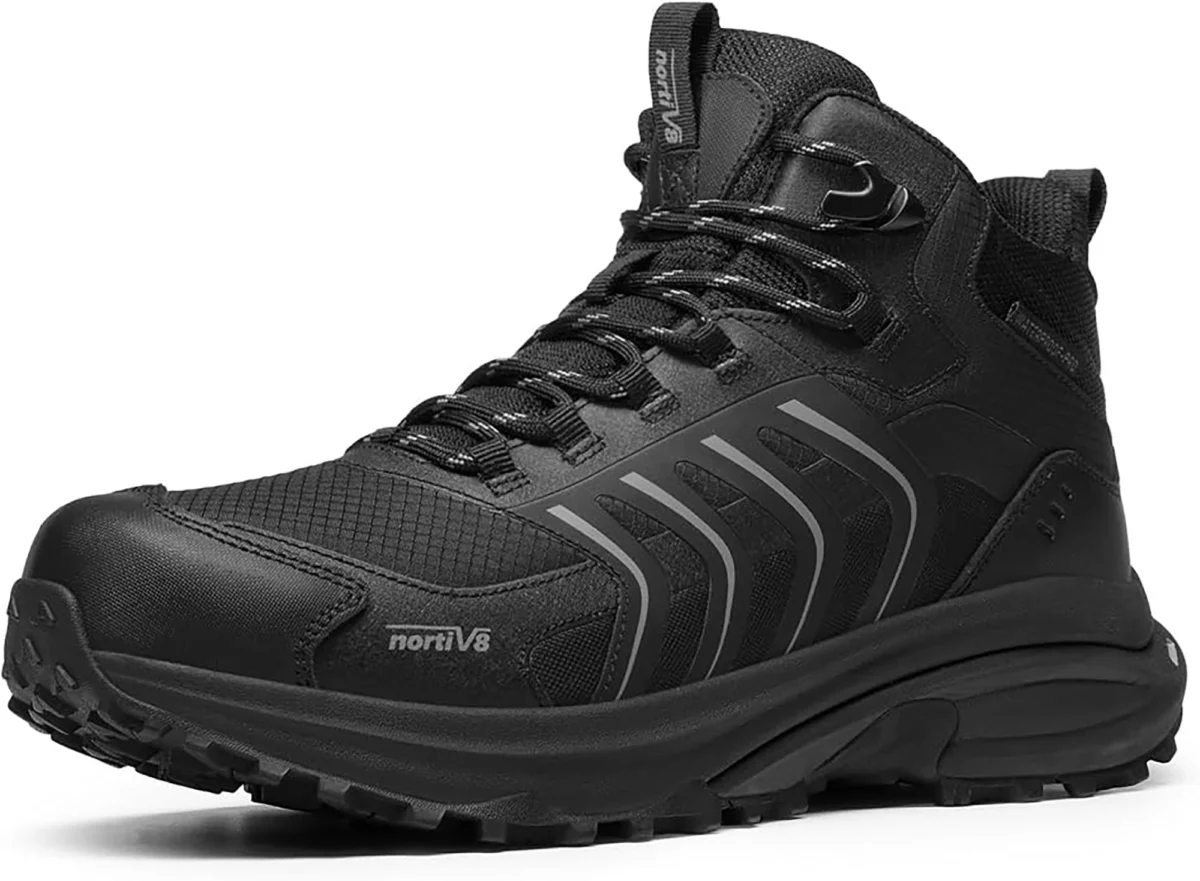
Nortiv 8: The DualStride Armadillo FieldLite
Nortiv 8 has successfully challenged the price-to-performance ratio in the outdoor industry. Their recent recognition as the "Hiking Shoe Product of the Year" at the 2026 Outdoor Innovation Awards places them in the company of legacy brands like Marmot and Rab.
- Features: The DualStride Armadillo FieldLite collection offers both ankle-height sneakers and traditional boots. Both are waterproof and feature "4-in-1 Rebound Technology," utilizing two layers of dual-density EVA, an EVA Strobel insole, and a supercritical foam insole.
- Value Proposition: With price points hovering between $60 and $63, they offer an accessible entry point for technical footwear.
Danner Radical 451
With nearly a century of boot-making heritage, Danner’s latest, the Radical 451 ($200), is a masterclass in crossover design.

- Durability: The boot combines full-grain leather with a rugged Danner Basalt Outsole featuring enlarged lugs. An abrasion-resistant, PU-coated cap ensures longevity against technical terrain.
- Support: The Terra Force Trail platform provides a lightweight foundation, while the exposed TPU arch offers essential midfoot stability. Crucially, the boot is fully "recraftable," aligning with Danner’s commitment to sustainability and product longevity.
The Tech Ecosystem: Wearables and Audio
Athletic performance tracking has moved beyond the simple wrist-mounted screen, focusing instead on data reliability and sensory awareness.
Garmin CIRQA Smart Band
As "screen fatigue" becomes a common grievance among athletes, Garmin has introduced the CIRQA Smart Band ($200).

- Design: This screen-free wearable focuses on 24/7 health and wellness monitoring. It tracks over 80 distinct activities and boasts a 10-day battery life.
- Data Integration: All metrics, sleep insights, and training data are aggregated via the Garmin Connect app, eliminating the need for constant screen interaction. An optional arm-band accessory is available for $60.
Baseus Bowie MC2 Open-Ear Earbuds
Safety remains a primary concern for road runners sharing space with vehicular traffic. The Baseus Bowie MC2 Open-Ear Earbuds ($50) provide an alternative to traditional in-ear buds or bone-conduction technology.
- The Advantage: The clip-on design allows for ambient noise to reach the user, significantly increasing situational awareness. They feature IP67 water and dust resistance and an impressive 55-hour battery life when paired with their charging case.
Customization and Apparel: SPIBelt and Raide
Personalization and weight reduction are the final frontiers for the dedicated athlete.

- SPIBelt by You: Celebrating 20 years of operations, the Austin-based brand has launched a custom configuration program. Runners can now mix and match pocket, belt, and zipper colors to create bespoke storage solutions, all handmade in Texas.
- Raide Research RaceTech System: Raide is pushing the limits of packability. The RaceTech Tee ($150) uses 63gsm microdot air fabric for extreme breathability. Complementing this is the UL Shell Anorak ($350), touted as the lightest three-layer waterproof shell on the market at just 128g. Both items are currently available for pre-order.
Implications for the Athlete
The common thread across this week’s releases is a move toward specialization. Whether it is the specific density of foam in the January Scignal or the recraftable nature of the Danner Radical 451, manufacturers are moving away from "one-size-fits-all" solutions.
For the competitive runner, the rise of the trail super shoe—exemplified by the Merrell and ASICS models—suggests that trail racing is becoming as data-driven and technology-reliant as track and road racing. Meanwhile, the emergence of screen-free health trackers like the Garmin CIRQA indicates that while athletes crave data, they are increasingly seeking to minimize digital intrusion during their training sessions.

As we look toward the remainder of the 2026 season, these pieces of gear represent the current pinnacle of material science and ergonomic design. Choosing between them will ultimately come down to individual biomechanics, environmental demands, and the specific performance goals of the athlete.