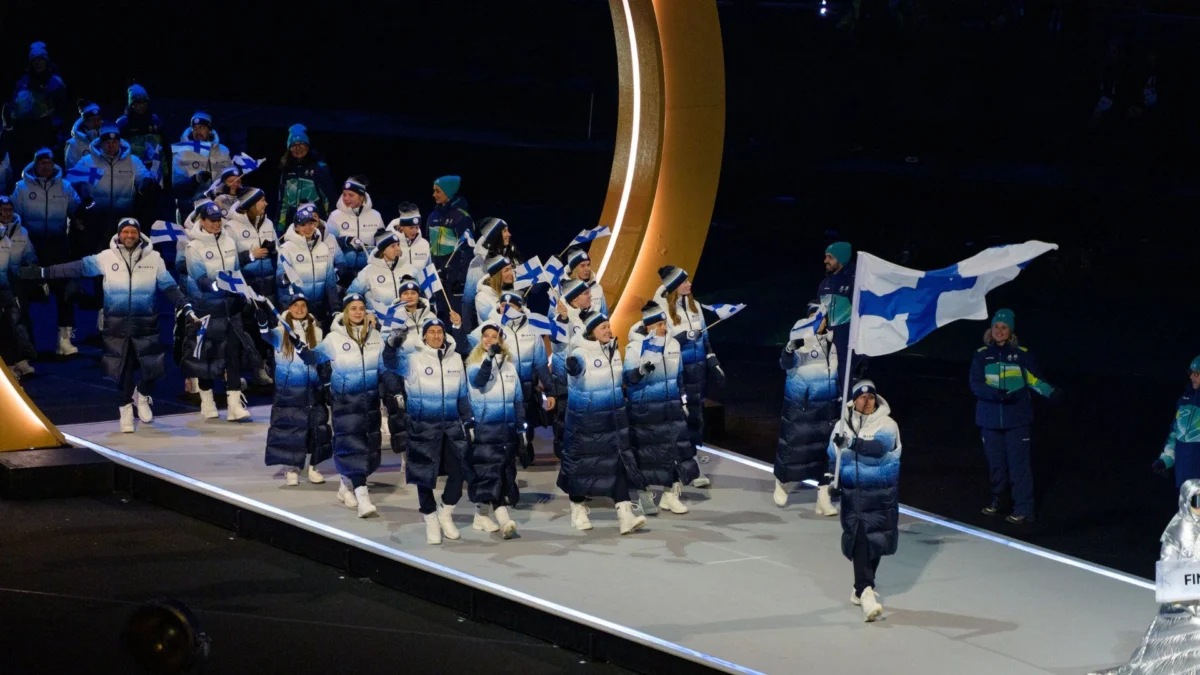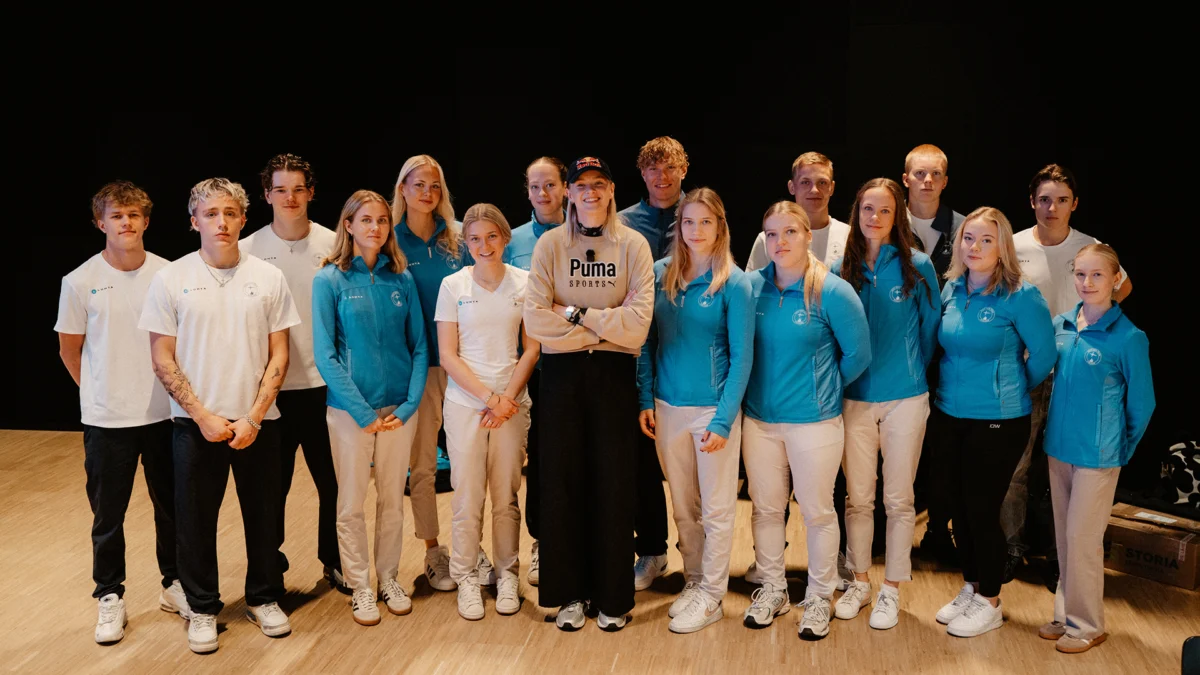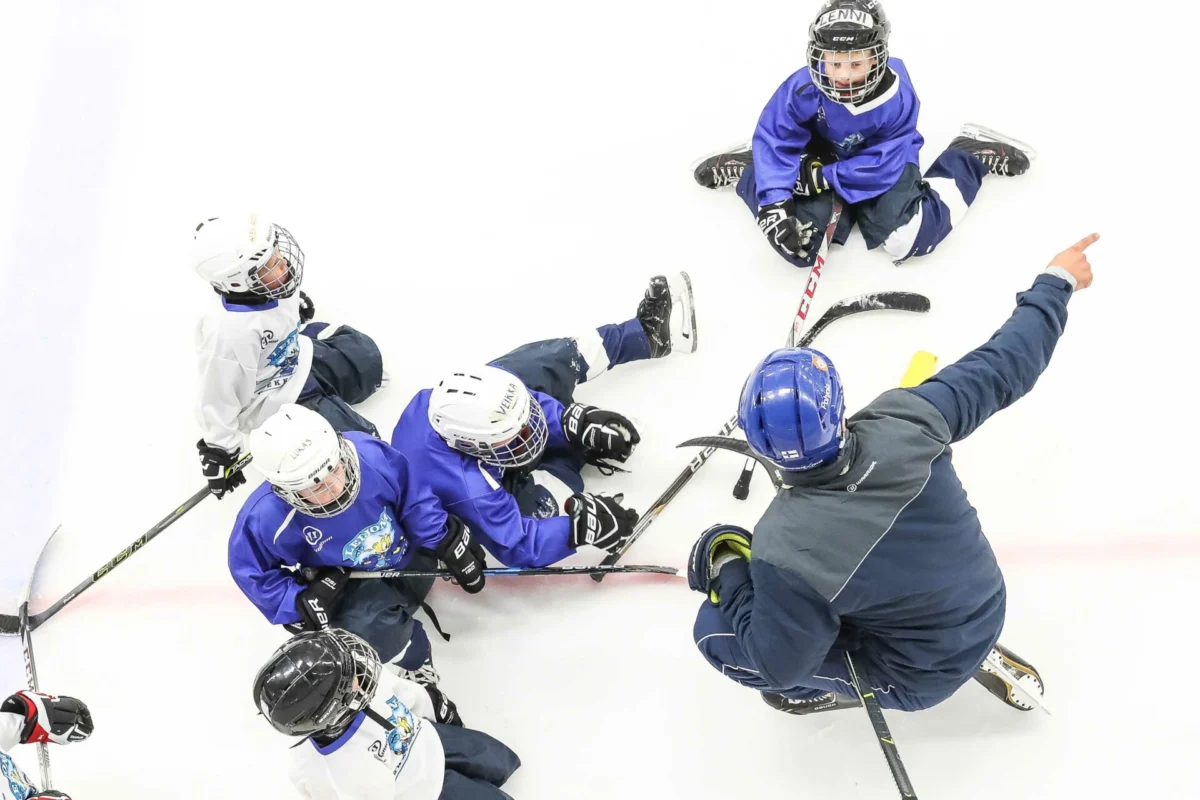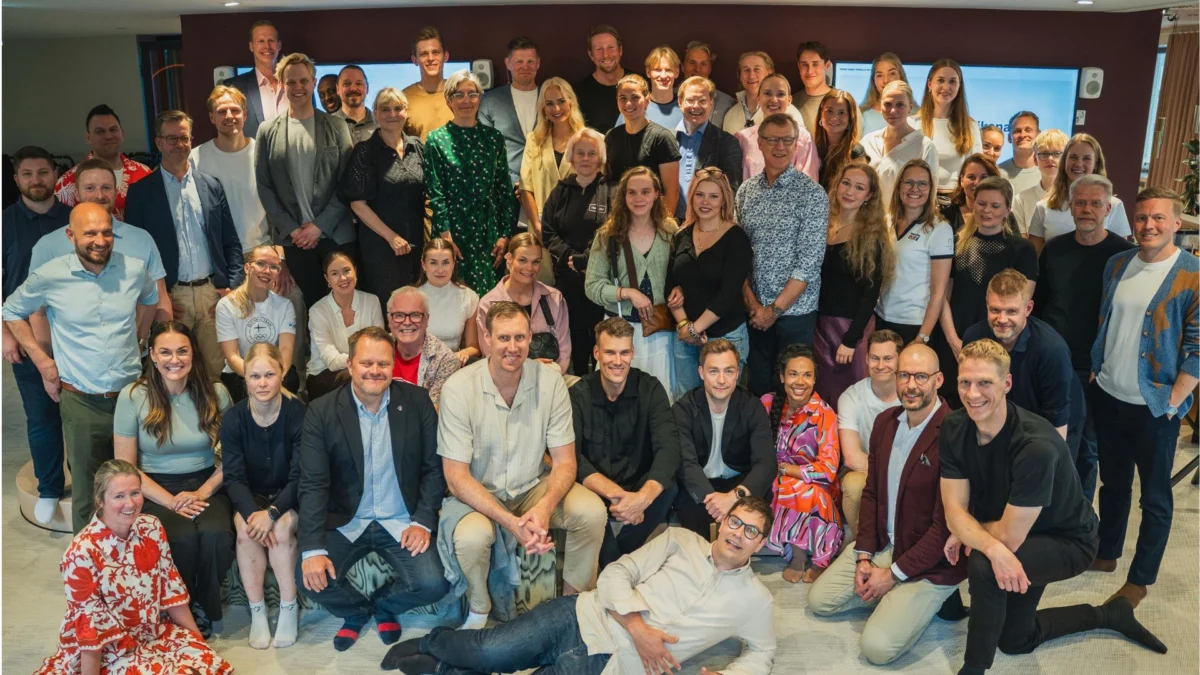
In a landmark initiative aimed at safeguarding the mental well-being and long-term engagement of young athletes, the Finnish Olympic Committee has officially announced a strategic partnership with Rohkaisijat (The Encouragers). This collaborative effort seeks to mobilize the nation’s most prominent sporting icons to provide direct, personal support to children and teenagers facing the daunting pressures of competitive athletics.
By leveraging the influence of Olympic athletes, grant-supported competitors, and the "Next Generation" talent pool, the initiative aims to humanize the pursuit of excellence. It reminds young athletes that behind every podium finish lies a history of nerves, self-doubt, and the fundamental human need for validation.
The Genesis: From a 58-Second Video to a Nationwide Movement
The story of Rohkaisijat is one of organic growth, proving that profound change often begins with simple, intentional acts. The movement traces its origins back to a brief, 58-second video message sent by former professional basketball player Juho Nenonen.
The recipient was an 11-year-old boy struggling with severe performance anxiety. For months, the pressure of upcoming basketball games had manifested as physical nausea, leading the young athlete to contemplate quitting the sport he loved entirely. Nenonen’s message was not a lecture on technique or tactical prowess; it was a candid admission of his own past struggles and an empathetic validation of the boy’s feelings.
Just weeks after receiving the message, the boy’s mother reported a transformative shift. For the first time in an entire calendar year, the child had participated in a match without the debilitating physical symptoms that had previously plagued him. This singular, life-affirming moment provided the blueprint for the Rohkaisijat movement: providing children, teenagers, and entire youth teams with timely encouragement from role models whose words carry unique, resonant weight.
Chronology of an Expanding Influence
Since that initial intervention, Rohkaisijat has evolved from an informal gesture into a robust network of over 250 individuals. This community spans the spectrum of the Finnish sporting landscape, ranging from grassroots local heroes to international icons.
- The Catalyst Phase: The initial success of the Nenonen video demonstrated the scalability of peer-to-peer encouragement.
- Expansion and Institutionalization: Recognizing the potential for a wider cultural shift in youth sports, the initiative began formalizing its network.
- High-Profile Advocacy: The inclusion of legendary figures such as "Mörkö" (Marko) Anttila, figure skating icon Laura Lepistö, orienteering champion Minna Kauppi, and basketball star Sasu Salin cemented the project’s credibility.
- The Presidential Stamp: Further legitimizing the movement, former President Sauli Niinistö has assumed the role of patron, underscoring the societal importance of the initiative.
Supporting Data: The Psychological Landscape of Youth Sports
The partnership arrives at a critical juncture in the Finnish youth sports ecosystem. While organized sports provide essential physical and social benefits, they are increasingly associated with heightened levels of performance anxiety and burnout.
The Anatomy of Pressure
Modern youth sports are characterized by a "professionalization" of childhood. Data suggests that children as young as ten are reporting symptoms of chronic stress related to athletic performance. The factors contributing to this trend include:
- Expectation Overload: The pressure to perform for coaches, parents, and peers.
- The "Success-Only" Narrative: A culture that often masks the reality of failure, making young athletes feel that their struggles are unique to them.
- Social Comparison: The impact of social media in amplifying feelings of inadequacy when compared to curated highlight reels of peers.
Rohkaisijat intervenes by dismantling the pedestal upon which athletes are placed. By sharing their own "behind-the-scenes" struggles, these mentors normalize the existence of fear and insecurity, effectively lowering the barrier to seeking help and staying in the game.
Official Responses and Strategic Integration
The Finnish Olympic Committee’s decision to integrate this program into their official remit is a strategic acknowledgement that athlete development is not merely physiological—it is deeply psychological.
"The goal is to ensure that every young athlete understands that they are not alone in their challenges," states the committee’s briefing on the initiative. By providing a platform for elite athletes to interact with youth, the committee is shifting the focus from "winning at all costs" to "resilience through mentorship."
The program is designed with a low-friction participation model. Acting as an ‘Encourager’ is entirely voluntary, and it does not mandate a heavy, time-consuming commitment. The program recognizes that for a child struggling with nerves, even a single, well-timed message from an idol can serve as a turning point that dictates their future relationship with sports.
Implications: A New Cultural Paradigm in Finnish Sport
The long-term implications of this partnership are significant. By fostering a culture of mentorship, the Finnish sports community is building a more resilient, empathetic, and sustainable ecosystem.
Reimagining the Role of the Icon
Traditionally, the role of an elite athlete was to inspire through achievement. Rohkaisijat evolves this role: the athlete now inspires through vulnerability. This pivot is essential for the mental health of the next generation. When a child sees a professional player admit that they too get nervous, the child’s own anxiety becomes a shared human experience rather than a personal failure.
Addressing the Drop-out Crisis
One of the most pressing issues in European sports is the high drop-out rate during the transition from childhood to adolescence. By providing a support system that emphasizes the humanity of the sport, Rohkaisijat aims to curb these attrition rates, keeping more young people active for longer, regardless of whether they ultimately reach an elite level.
A Model for International Adoption
The Finnish approach serves as a compelling case study for international sports bodies. The simplicity of the model—utilizing digital communication to facilitate meaningful connections—is highly adaptable. It proves that technological advancement, when paired with human empathy, can solve some of the most persistent social challenges in youth development.
How to Get Involved
The Finnish Olympic Committee is actively calling for more athletes to join this growing movement. Whether an athlete is at the peak of their career or a developing talent in the "Next Generation" category, their perspective is viewed as an invaluable asset.
The committee emphasizes that the role of an Encourager is not to act as a therapist, but as a humanizing force. They encourage potential mentors to:
- Share their stories: Discuss the moments they felt like giving up.
- Validate emotions: Remind young athletes that nervousness is a natural part of caring about an outcome.
- Provide a "human" connection: Help the child see the person behind the jersey.
For those interested in joining this network of support, the application process is streamlined via a brief registration form. As the initiative continues to grow, it serves as a powerful reminder that while the Olympics may be about the pursuit of medals, the heart of the movement lies in the people who build the athletes of tomorrow.
Conclusion: The Lasting Legacy of Encouragement
The partnership between the Finnish Olympic Committee and Rohkaisijat represents a sophisticated maturation of the national sporting philosophy. By prioritizing the mental well-being of the youth, they are ensuring that the future of Finnish sport is not only faster, stronger, and higher, but also kinder and more inclusive.
As the movement continues to expand, it carries with it a simple but profound message: the greatest strength an athlete can possess is the willingness to lift others up. In the echoes of those 58 seconds of video that started it all, we find the core mission of modern sports—to build character, foster community, and ensure that no young person has to face their fear alone.
For further information or media inquiries:
- Petra Skonbäck (Finnish Olympic Committee) – [email protected]
- Teemu Harinen (Rohkaisijat) – [email protected] | +358 50 492 2944