The landscape of Finnish high-performance sports is undergoing a strategic transformation. With the aim of bridging the gap between promising youth talent and the absolute international pinnacle, the Finnish Olympic Committee has officially mobilized the Next Generation Team Finland program. This initiative, which began its pilot phase this past spring, represents a shift toward more holistic, personalized support for athletes aged 15 to 22.
On a recent Tuesday, the program’s latest team day brought together these burgeoning stars, their coaches, and industry experts for a session designed not just to sharpen their physical performance, but to cultivate the professional, psychological, and personal skills required to survive and thrive in the modern sports ecosystem.
Core Objectives: Bridging the Gap to the Elite Level
The Next Generation program was conceived out of a necessity to identify and nurture potential long before an athlete hits their physical prime. In high-performance sports, the "transition zone"—the period between junior success and senior-level international dominance—is often where potential is lost.
The program aims to eliminate the friction in this transition by providing a structured, multi-faceted support network. The primary objectives of the initiative are threefold:
- Talent Identification: Utilizing advanced analytics and coaching consensus to spot athletes with the physiological and psychological markers of future champions.
- Resource Optimization: Ensuring that young athletes have access to high-level specialized support (medical, nutritional, mental, and financial) that is typically reserved for established national team members.
- Holistic Development: Recognizing that an elite athlete is more than a set of performance metrics; they are also brands, public figures, and individuals who need to manage the pressures of media, sponsorship, and career planning.
Chronology: From Concept to Community
The timeline of the program reflects the urgency the Olympic Committee feels regarding Finland’s competitive standing on the global stage.
- Spring 2026 (Launch): The program was officially unveiled, marking a departure from traditional "blanket" support structures. The first cohort of 21 athletes was carefully selected in collaboration with various national sports federations.
- Initial Integration: The first few months focused on auditing the needs of each individual athlete, establishing baseline performance data, and connecting them with the appropriate specialists.
- The Pilot Team Days: Recognizing that isolation is a common struggle for young elites, the organizers implemented "Team Days." These serve as networking hubs, allowing athletes to share experiences, frustrations, and successes with peers who are facing similar pressures.
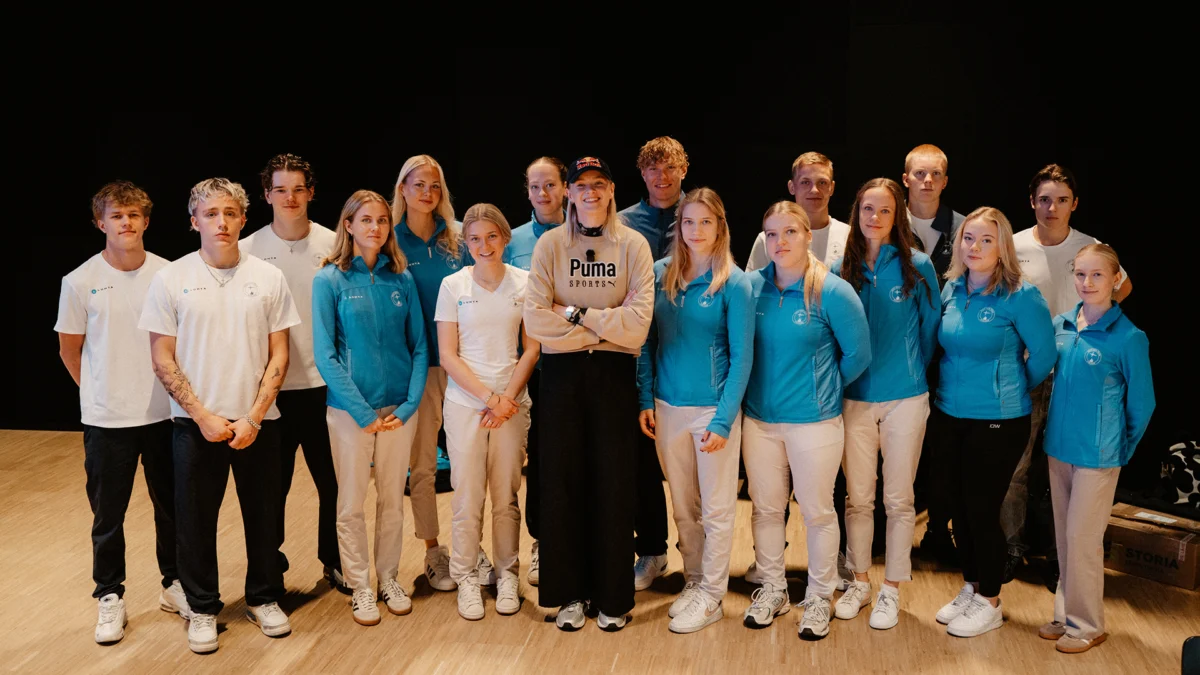
- September 2026 (Recent Milestone): The most recent gathering featured high-level workshops on media communication and personal branding, culminating in a keynote session from one of Finland’s most recognizable pole vault stars, Wilma Murto (Heltelä).
Expert Insights: The Role of the Mentor
A highlight of the recent assembly was the participation of pole vault medalist Wilma Murto. Her presence was not merely ceremonial; it served as a masterclass in resilience.
Murto’s career is a study in navigating the highs and lows of the sport. By sharing her own path to the podium—the setbacks, the injuries, and the eventual breakthroughs—she provided the Next Generation athletes with a realistic roadmap. "The technical ability is only half the battle," noted observers of the session. "Understanding how to manage the media, how to sustain a personal brand, and how to maintain mental health during a long season is what separates a good athlete from a legendary one."
For many of the attendees, hearing from someone who has successfully navigated the exact path they are currently on proved more valuable than any textbook training manual. It demystified the elite level and reinforced the idea that success is a marathon, not a sprint.
Supporting Data: A Comprehensive Support Model
The Next Generation Team Finland program is distinguished by its financial and service-based architecture. Each of the 21 inaugural athletes receives a personalized support package valued at over 10,000 euros. This is not a cash stipend in the traditional sense, but a bespoke resource allocation.
Components of the Support Package:
- Direct Financial Assistance: To offset travel, equipment, and training camp costs.
- Specialist Access: Priority access to physiotherapists, sports psychologists, and nutritional experts.
- Professional Services: Guidance on media training, personal brand management, and contract negotiation.
- Product Partnerships: Direct access to state-of-the-art training technology and equipment provided by Olympic Committee partners.
By tailoring these resources, the committee ensures that an athlete in a less-funded sport receives the same level of administrative and technical support as an athlete in a more popular, well-funded discipline.
Professional Development: Beyond the Field
During the latest team day, the focus shifted from physical performance to the business of being an athlete. Modern sports are increasingly commercialized, and young athletes are expected to act as CEOs of their own careers from a very early age.
The training sessions included:
- Media Training: How to handle interviews, manage social media presence, and navigate public scrutiny.
- Personal Branding: Understanding how to build a public persona that attracts sponsorship and builds a long-term career.
- Coaching Networking: The program is as much for the coaches as it is for the athletes. By creating a space for coaches to exchange methodologies, the Finnish Olympic Committee is effectively raising the "knowledge ceiling" of the entire national coaching fraternity.
Implications for the Future of Finnish Sports
The Next Generation program carries significant implications for the future of Finnish athletics. If successful, it will change the way talent is managed in the country.
1. Retention of Talent
One of the most significant issues in youth sports is the dropout rate. By providing a sense of belonging through the "Team Day" structure, the Olympic Committee is effectively creating a community that discourages early retirement. When athletes feel supported and part of a larger, prestigious project, their commitment to the sport deepens.
2. Standardization of Excellence
By formalizing the support process, the program removes the "luck" factor from athletic development. In the past, success often depended on whether an athlete happened to be in a well-funded club or had access to a mentor. Now, the pathway to excellence is standardized, transparent, and accessible to anyone with the requisite talent.
3. Cultural Shift
The integration of media and marketing training suggests a shift toward a more proactive, global outlook. Finnish sports culture has historically been humble and understated. However, the Next Generation initiative recognizes that to succeed on the world stage, athletes must be capable of asserting themselves, managing their public image, and understanding the commercial realities of their chosen fields.
Official Responses and Next Steps
The Finnish Olympic Committee has framed this program as a "living entity." They have expressed that they are constantly evaluating the effectiveness of the support packages and the format of the team days.
"We are not just training athletes; we are building an ecosystem," says a representative for the committee. "The feedback from the recent team day has been overwhelmingly positive, particularly regarding the sessions on personal branding. Our athletes are realizing that they have a voice, and we are giving them the tools to use it effectively."
As the program moves toward the end of the year, the focus will shift to individual performance monitoring and the preparation for the next cycle of international competitions. The 21 athletes selected for this cohort are now under a microscope, not for the sake of pressure, but for the sake of optimization.
Conclusion
The Next Generation Team Finland program is a bold step forward. It acknowledges that the old ways of training—often fragmented and heavily reliant on individual club resources—are insufficient for the demands of 21st-century elite sport. By pooling resources, fostering community, and providing essential professional development, the Olympic Committee is laying a foundation that will likely pay dividends for years to come.
As Wilma Murto’s visit highlighted, the journey to the top is long and fraught with challenges. But with the right support system, clear communication, and a community of peers, the path becomes much more manageable. For these 21 young Finns, the Next Generation program isn’t just an advantage—it is the catalyst for the next generation of Finnish sporting glory.