In an era dominated by global supply chains and corporate-scale manufacturing, the outdoor gear industry has reached a plateau of "good enough." Major retailers and big-box brands frequently rely on designs optimized for mass production and broad appeal, often prioritizing cost-efficiency over specialized performance. However, for the modern backpacker, the most exciting developments are not happening in massive factories, but in the small workshops and garages of innovative startups.
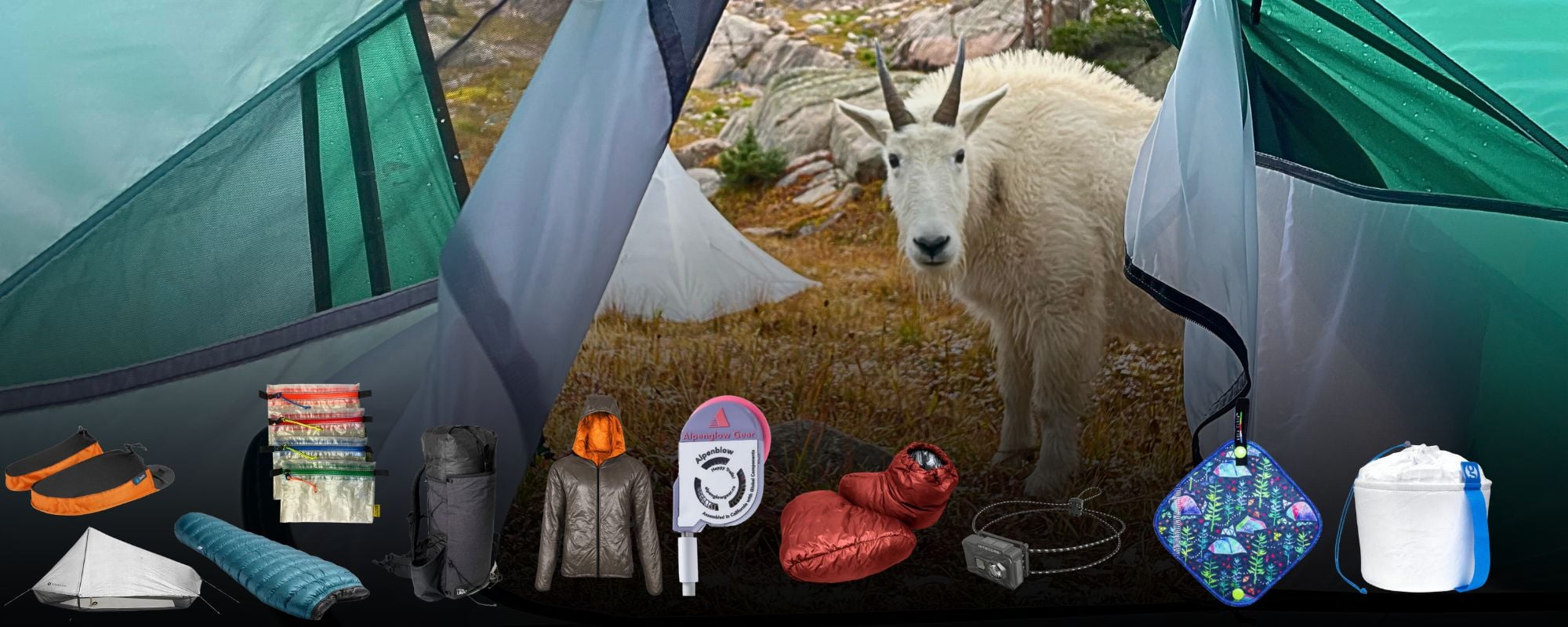
Small-batch, cottage-industry brands are currently spearheading a quiet revolution in the outdoor space. By bypassing traditional distribution models and focusing on iterative design, these makers are delivering gear that is lighter, more specialized, and significantly more innovative than its corporate counterparts. This guide explores the "why" and "how" behind this shift and highlights the essential gear that is defining the next generation of backpacking.
The Small Business Advantage: Why We Support the "Little Guys"
The backbone of the modern outdoor community is the cottage industry. Unlike large corporations that are beholden to quarterly earnings reports and long-lead manufacturing timelines, small brands are remarkably nimble. This agility allows them to respond to customer feedback in real-time, tweaking designs and materials based on actual field testing.
When you purchase gear from a small, independent brand, your dollar does more than buy a product; it funds direct innovation. A larger portion of your investment goes to the designer, the domestic craftsperson, and the procurement of cutting-edge materials rather than being absorbed by layers of middlemen, distributors, and massive marketing budgets. As the industry matures, these small manufacturers have become the true laboratories for the ultralight movement, pushing the boundaries of what is possible in terms of weight reduction and specialized functionality.
Chronology of the Cottage Movement
The shift toward cottage gear is not new, but it has reached a tipping point over the last decade. Historically, ultralight pioneers operated out of basements to serve a niche, fringe community of long-distance hikers.
- 2000s – Early 2010s: The "Cottage Boom" begins as hikers demand gear that isn’t available in standard stores—specifically, tarps, silnylon shelters, and frameless packs.
- 2015 – 2020: The introduction of Dyneema Composite Fabrics (DCF) changes the game. Small brands become the primary adopters of these high-cost, high-performance materials, positioning them as the premium choice for serious backpackers.
- 2020 – 2024: The pandemic-era explosion in outdoor participation accelerated the growth of these brands. As more people sought lightweight, reliable gear for social distancing-friendly adventures, the cottage industry expanded its capacity and professionalism.
- 2026 and Beyond: We are now in a phase of professionalization. Small brands are no longer just "side hustles"; they are robust businesses utilizing sophisticated design software, sustainable materials, and advanced supply chains, all while maintaining their artisanal, small-batch roots.
Supporting the Ecosystem: Small Business Sales Week
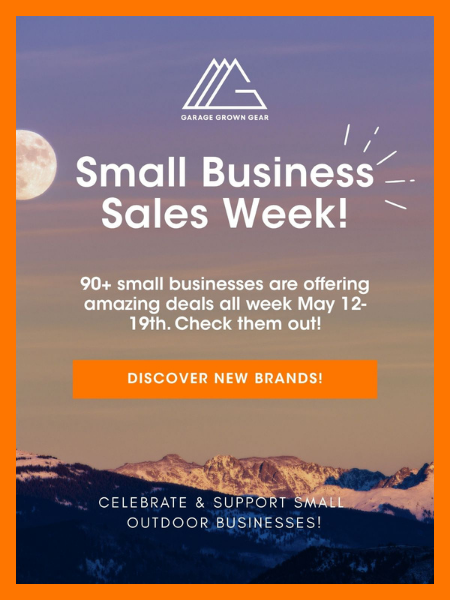
To celebrate this vibrant community, the industry is coming together for the 2026 Small Business Sales Week, taking place May 12–19, 2026. This event features deals from over 90 small outdoor brands via the Garage Grown Gear marketplace. It is an opportunity for enthusiasts to invest in gear that is crafted with intention while supporting the entrepreneurs who define the future of hiking technology.
Shelter Systems: Beyond "One Size Fits All"
Cottage-industry shelters represent the most dramatic departure from mainstream design. While big brands focus on "three-season versatility" (which often results in heavy, over-built tents), cottage manufacturers prioritize specific use-cases.

1-Person DCF Tents
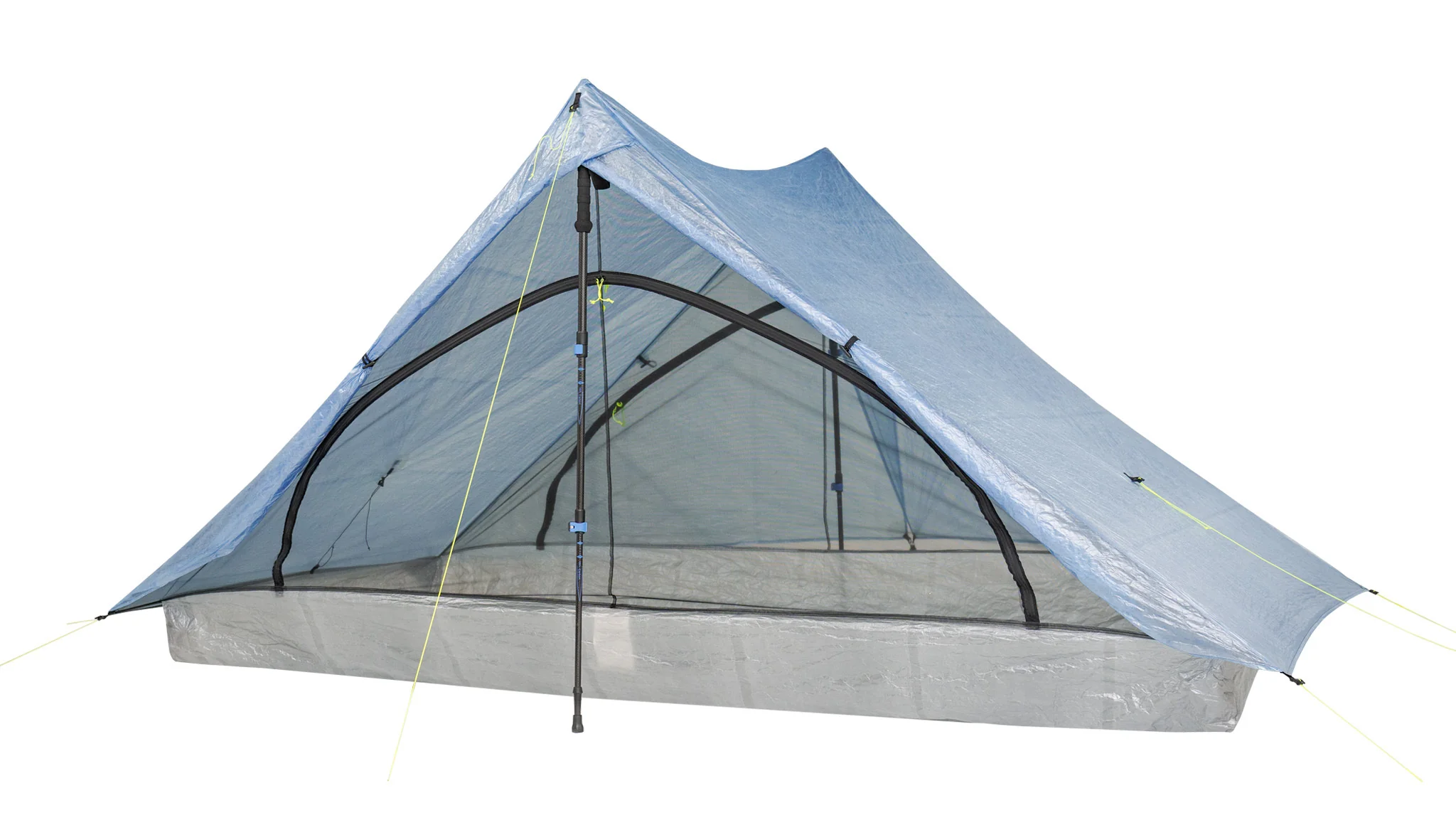
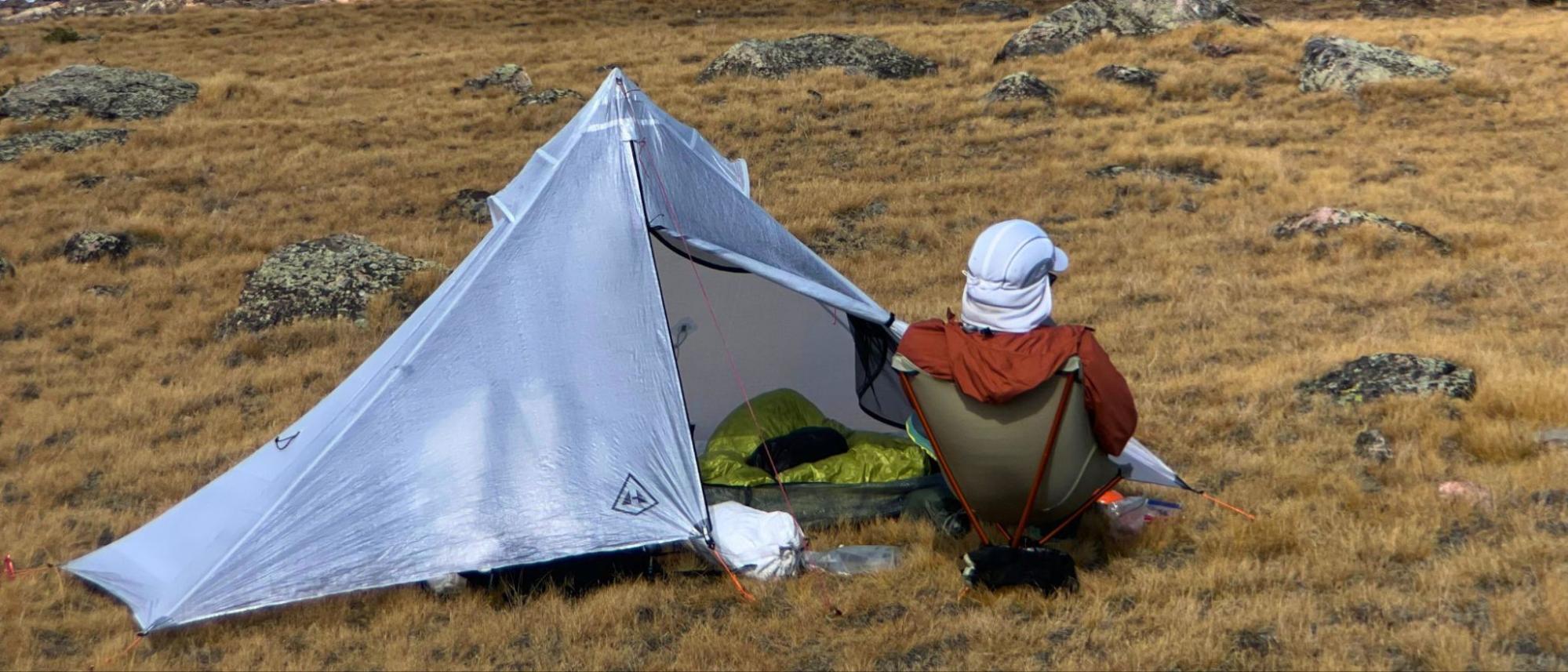
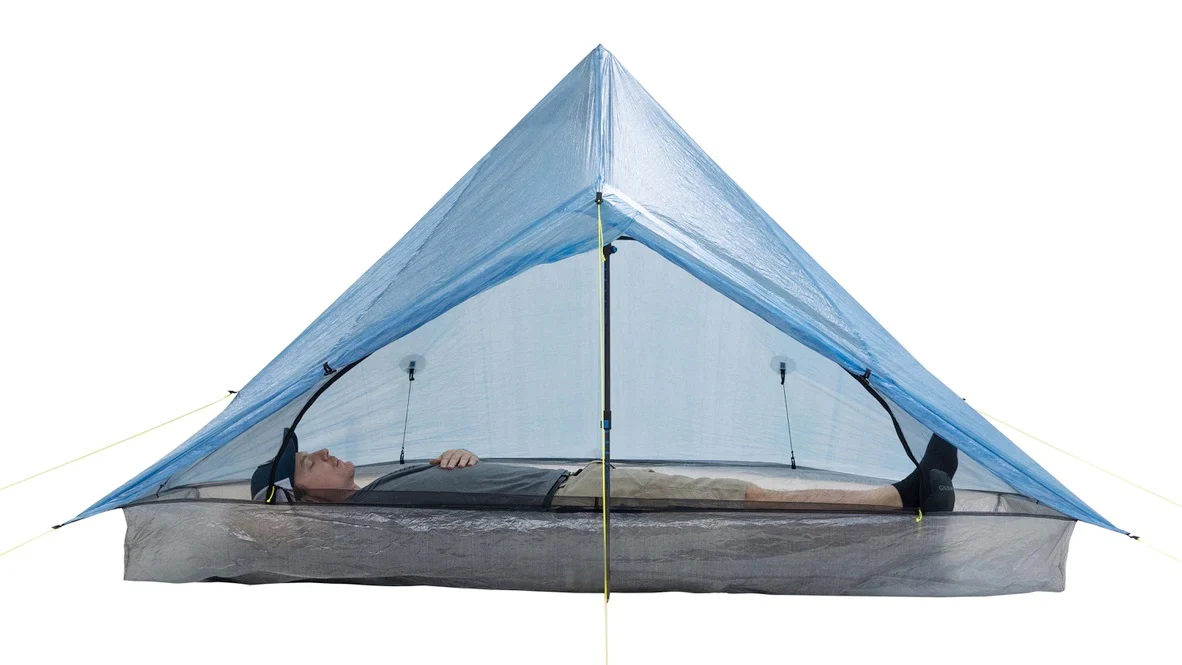
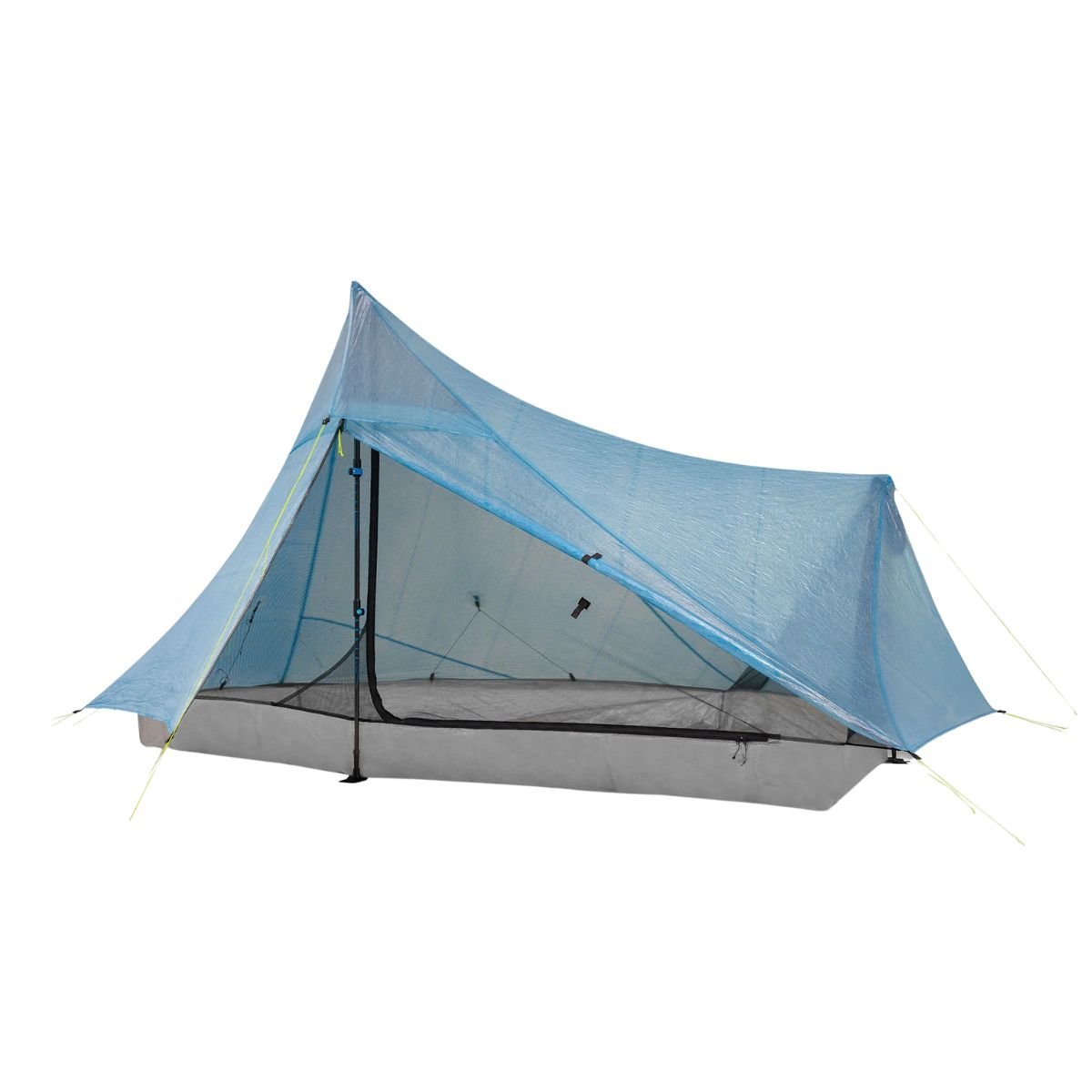
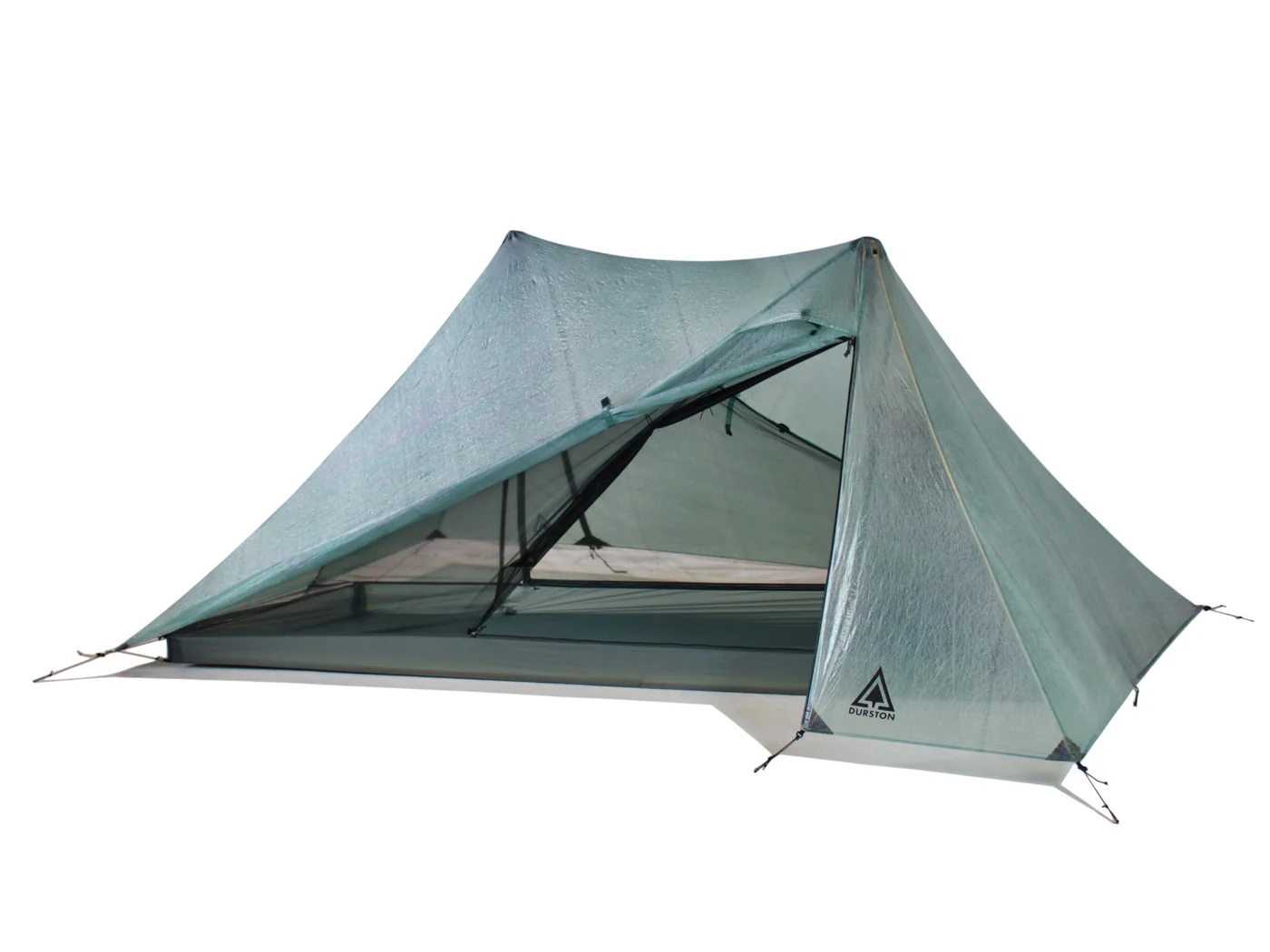
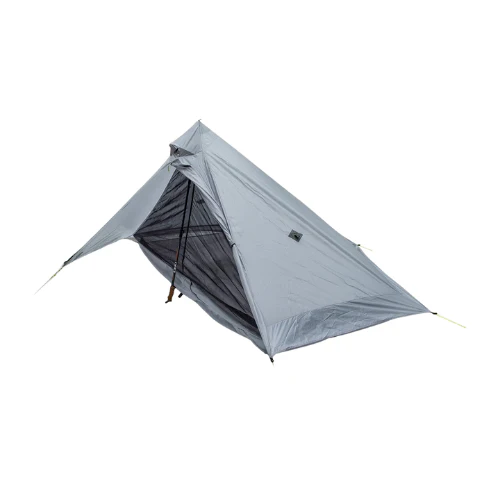
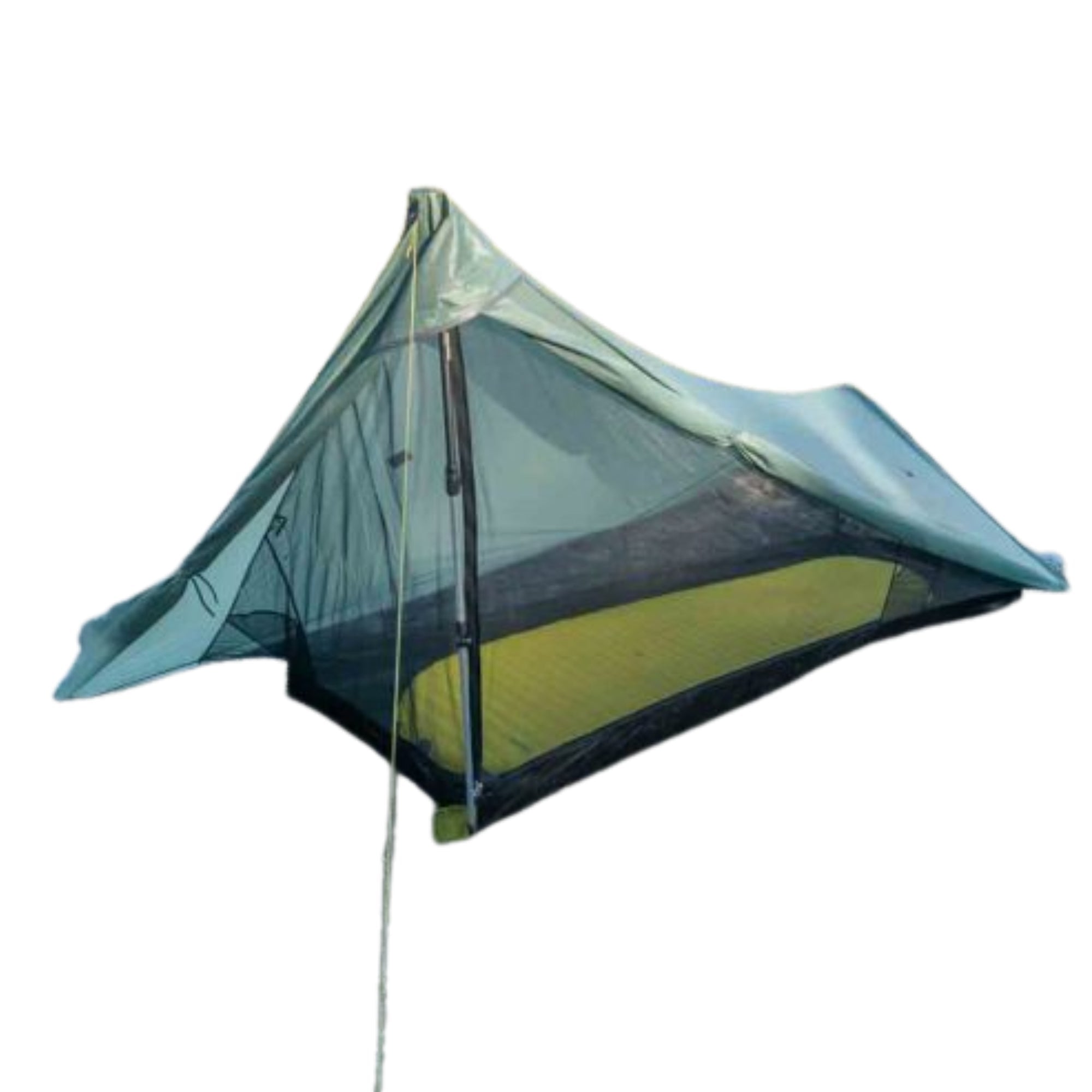
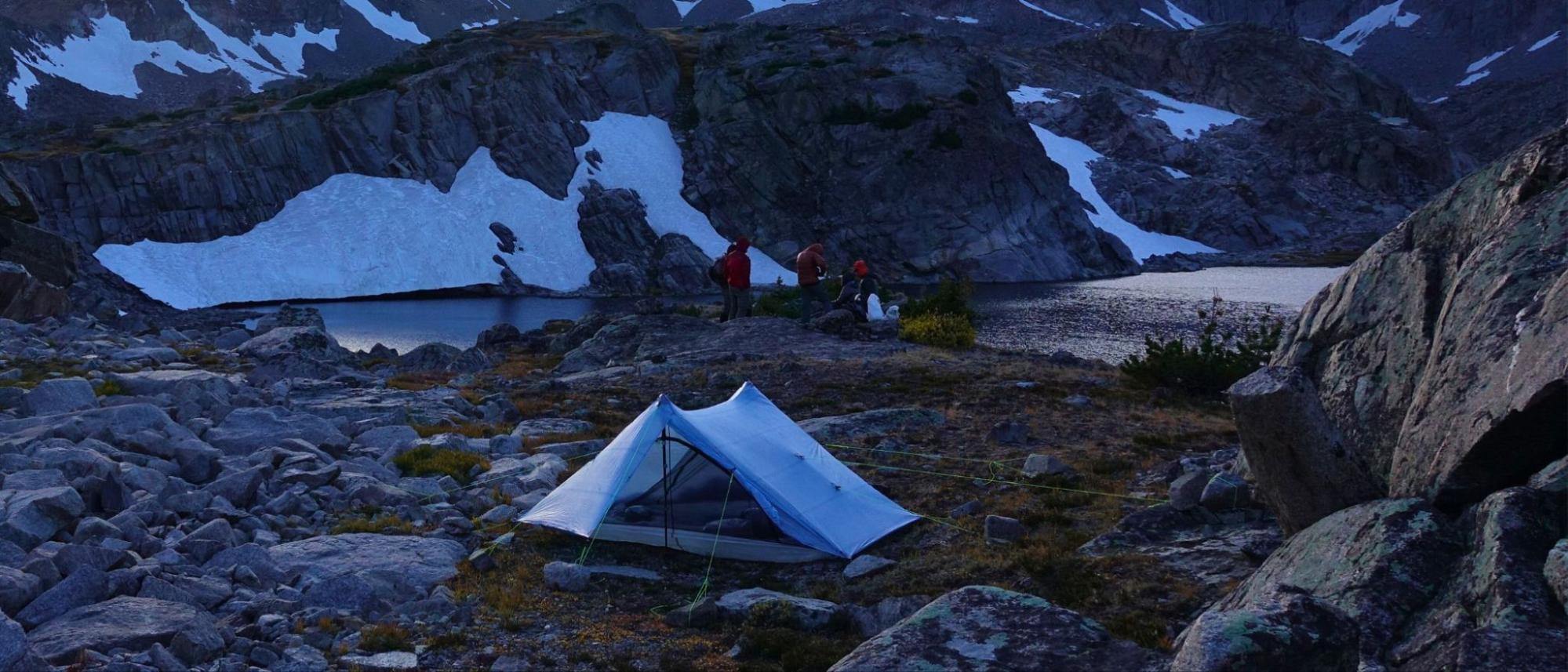
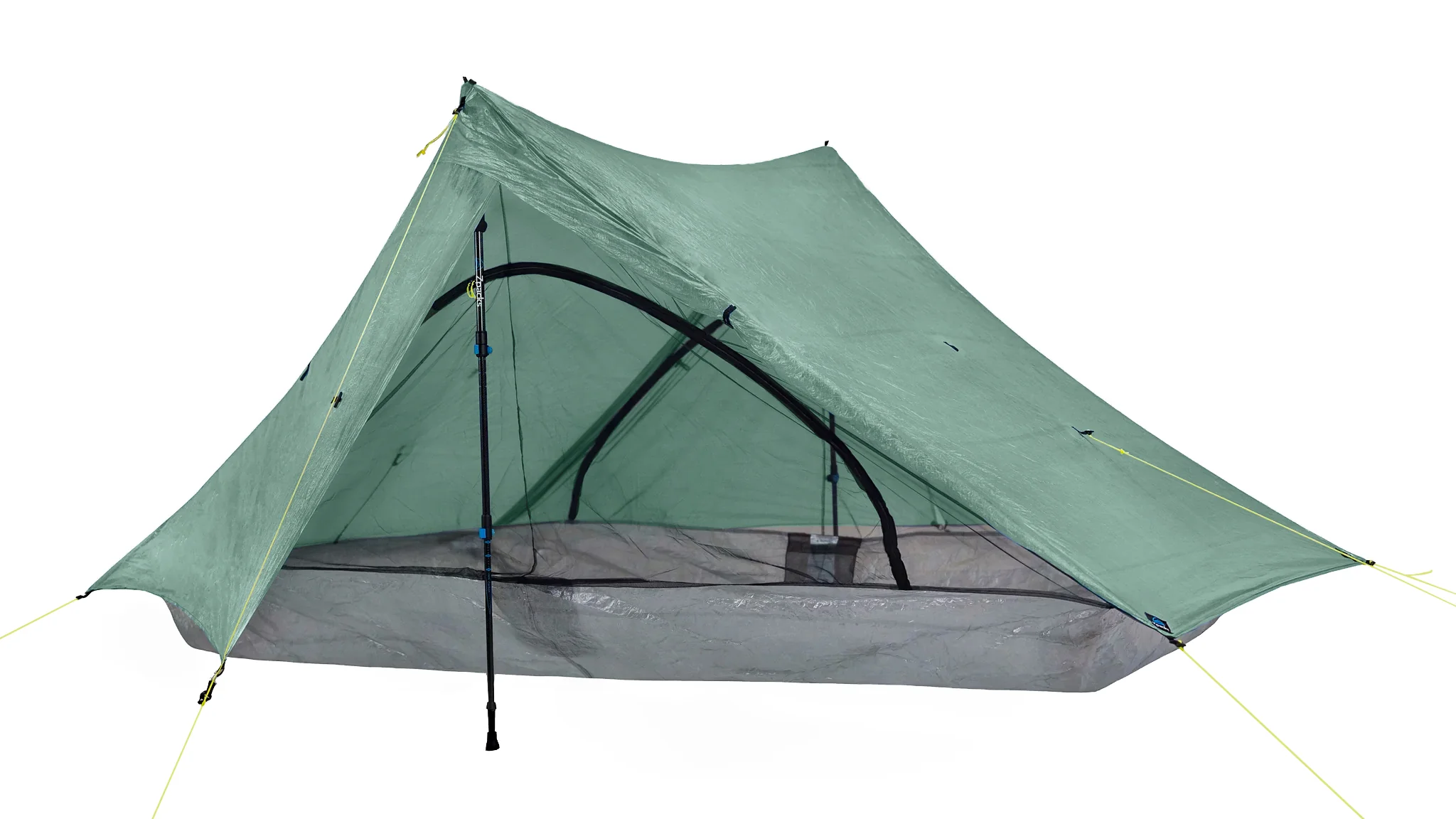
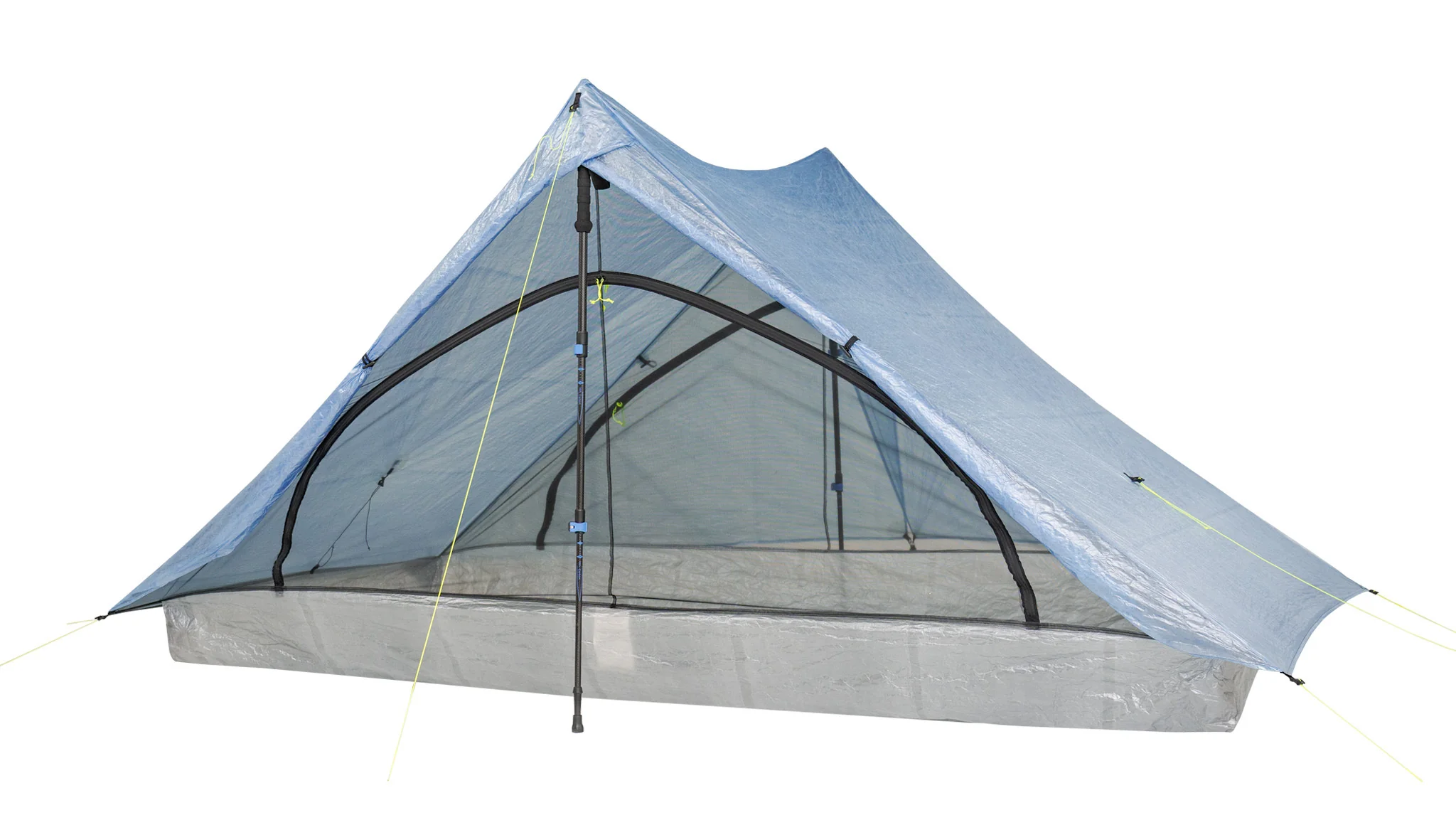
Dyneema Composite Fabric (DCF) has become the gold standard for weight-conscious hikers. These tents offer incredible strength-to-weight ratios and near-zero water absorption. However, they require a higher level of user skill. As a single-wall system, they demand proactive condensation management and precise site selection. The ZPacks Plex Solo and the Durston Gear X-Mid Pro 1P are standout examples, utilizing clever geometry to maximize interior space while keeping the total weight in the sub-1lb range.
The Practical Middle: Silnylon & Silpoly
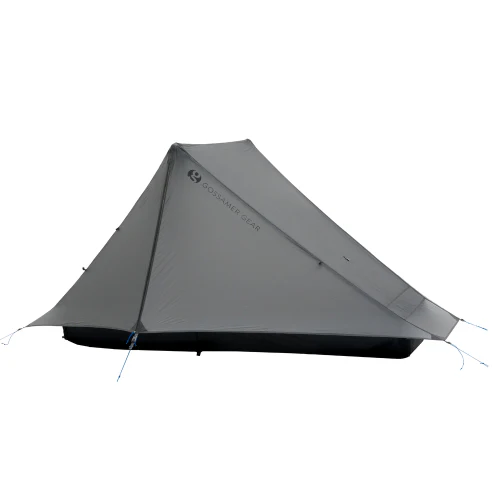
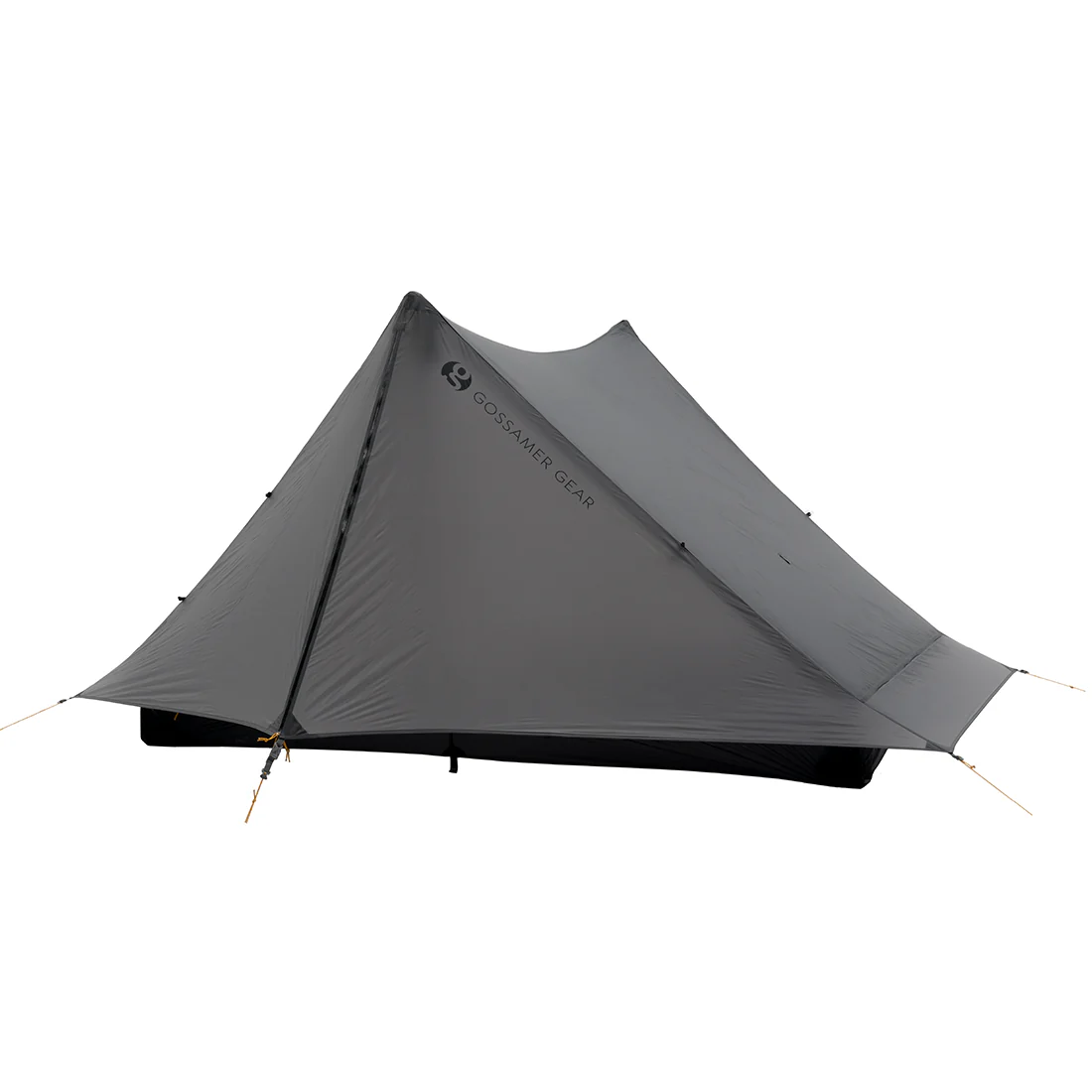
For the backpacker who wants the benefits of cottage design without the premium price of DCF, silnylon and silpoly remain the go-to materials. Silpoly, in particular, has gained favor due to its resistance to "sagging" when wet, providing a more stable pitch during humid or rainy conditions. Products like the Gossamer Gear The One offer a perfect entry point for those transitioning to a lighter, more specialized shelter system.
Floorless Shelters: Tarps and Pyramids
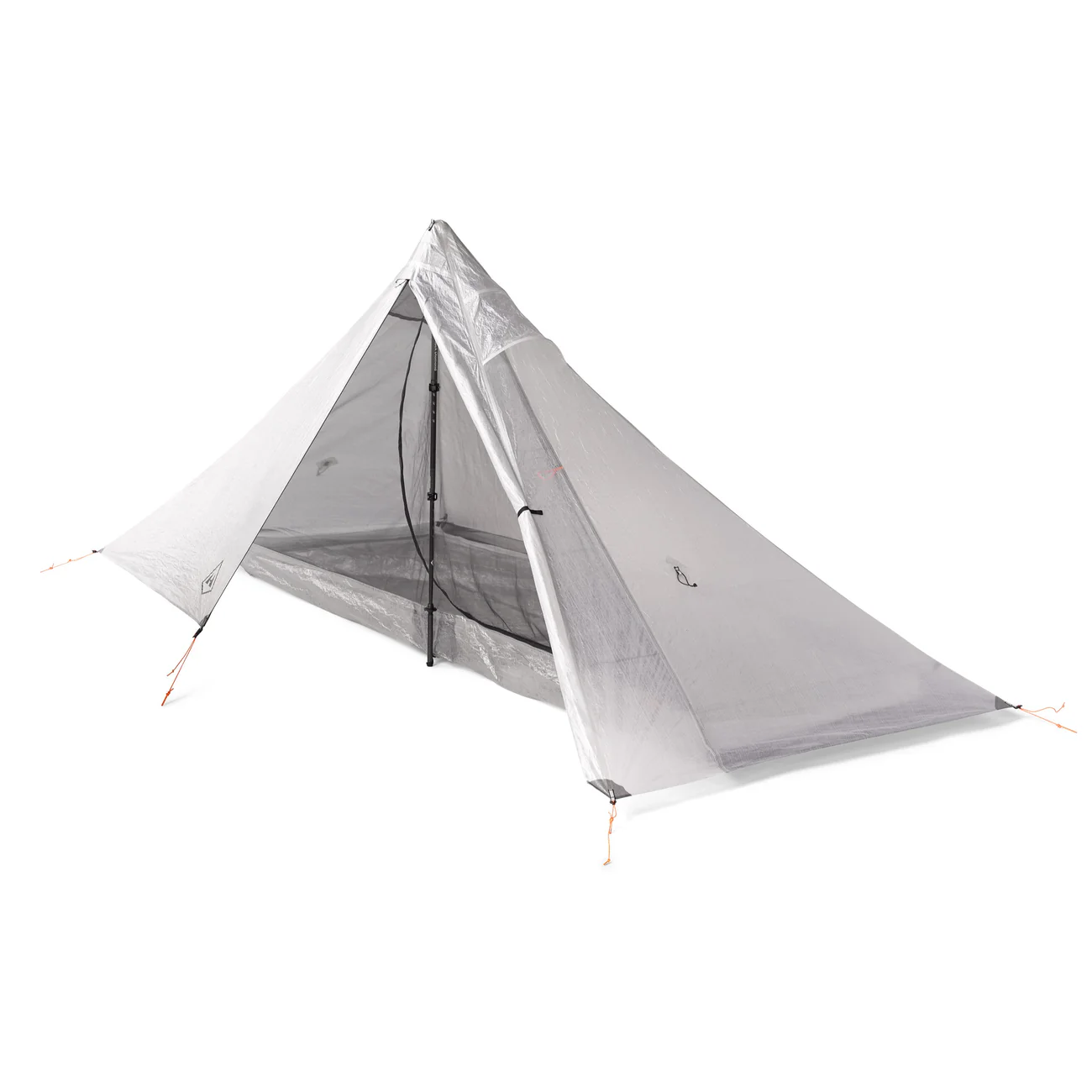
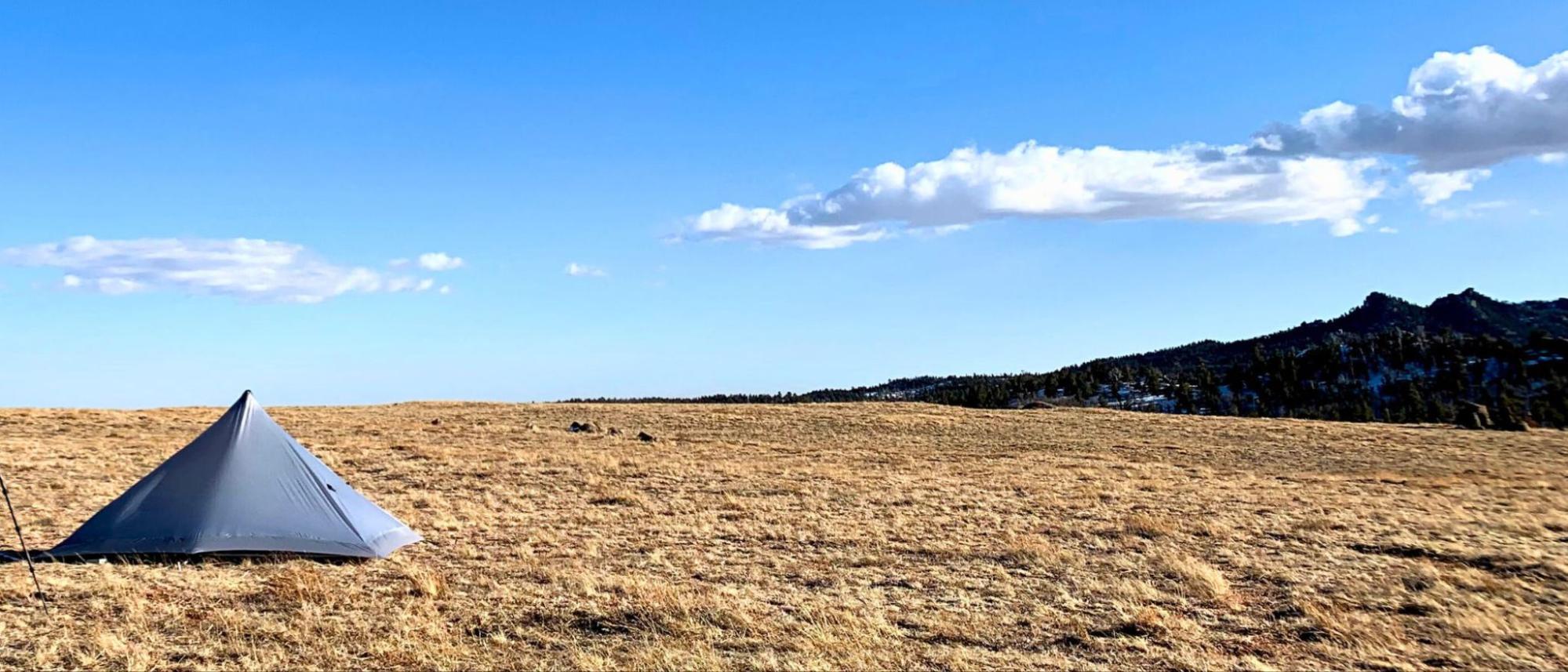
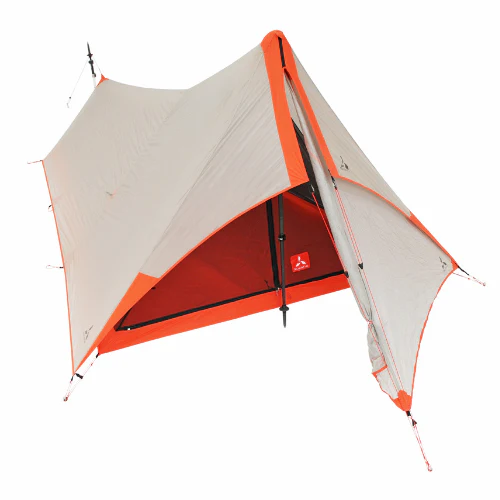
Floorless shelters are the ultimate expression of minimalism. By removing the floor, these designs shed significant weight and provide unparalleled ventilation. The SlingFin SplitWing and the Hyperlite Mountain Gear Ultamid 2 cater to those who view their shelter as an adaptable tool rather than a static room. Whether paired with a bivy sack or used as a standalone tarp, these systems offer the flexibility required for everything from alpine climbing to thru-hiking.
Sleep Systems: The Quilt Revolution
The traditional sleeping bag has been largely replaced by the quilt in the ultralight community. By removing the hood and back insulation—areas that are often compressed and rendered useless by the sleeper’s weight—quilts maximize the efficiency of your down.
Brands like Enlightened Equipment and Katabatic Gear have refined this concept to near perfection. The Enigma Quilt and the Katabatic Flex are not merely "blankets"; they are engineered systems with specialized draft-sealing neck collars, pad-attachment systems, and high-fill-power down that provides warmth well below freezing at a fraction of the weight of a standard sleeping bag.
Backpacking Performance: Framing vs. Frameless
The debate between internal frame packs and frameless packs remains a central theme in ultralight backpacking.
- Internal Frame: For those carrying larger food loads or gear that requires structure, packs like the Lite Werks The Daily Dose 55L provide the necessary support to move comfortably. They utilize carbon or aluminum stays to transfer load to the hips, allowing for a more sustainable carry over long miles.
- Frameless: Frameless packs, such as the Pa’lante Packs V2, are designed for the "expert" hiker who has already pared down their base weight to the absolute minimum. These packs function more like a vest, hugging the body and distributing weight naturally. They require a disciplined approach to packing, as the pack’s structure is entirely provided by the gear inside.
Food Storage and Safety: Stewardship on the Trail
Protecting your food is not just about keeping your supplies safe; it is a fundamental aspect of wilderness stewardship. The cottage industry has innovated here as well, moving away from heavy plastic canisters toward lighter, more durable options.
The Ursack Allmitey and the Adotec Ultralight Food Locker represent the cutting edge of bear-resistant storage. These soft-sided containers are puncture-resistant and packable, solving the perennial problem of how to carry a bear canister without ruining the structure of your pack. When paired with odor-proof liners like Loksak OPSAKs, these systems provide a lightweight, compliant way to store food in sensitive backcountry areas.
Implications for the Future
The success of the cottage industry signals a fundamental change in consumer behavior. Hikers are increasingly prioritizing "performance per ounce" over brand prestige. We are moving toward a future where gear is modular, repairable, and highly specialized.
The implications for the broader industry are clear: if the big corporate brands want to remain relevant, they must move away from the "one-size-fits-all" mentality. They must embrace the modularity, the material innovation, and the direct-to-consumer connection that small brands have pioneered.
Conclusion: Investing in Quality
Whether you are a seasoned thru-hiker looking to shave the last few ounces off your pack or a weekend warrior interested in trying a more specialized shelter, the cottage industry offers a level of care and innovation that is simply unmatched. As you look toward your next season of adventures, consider supporting these small-scale makers. By investing in their gear, you are not only choosing a better experience on the trail; you are ensuring that the spirit of innovation remains at the heart of the outdoor industry.
Check out the 2026 Small Business Sales Week at Garage Grown Gear from May 12–19, 2026, to explore these brands and see firsthand how they are changing the way we explore the wild.