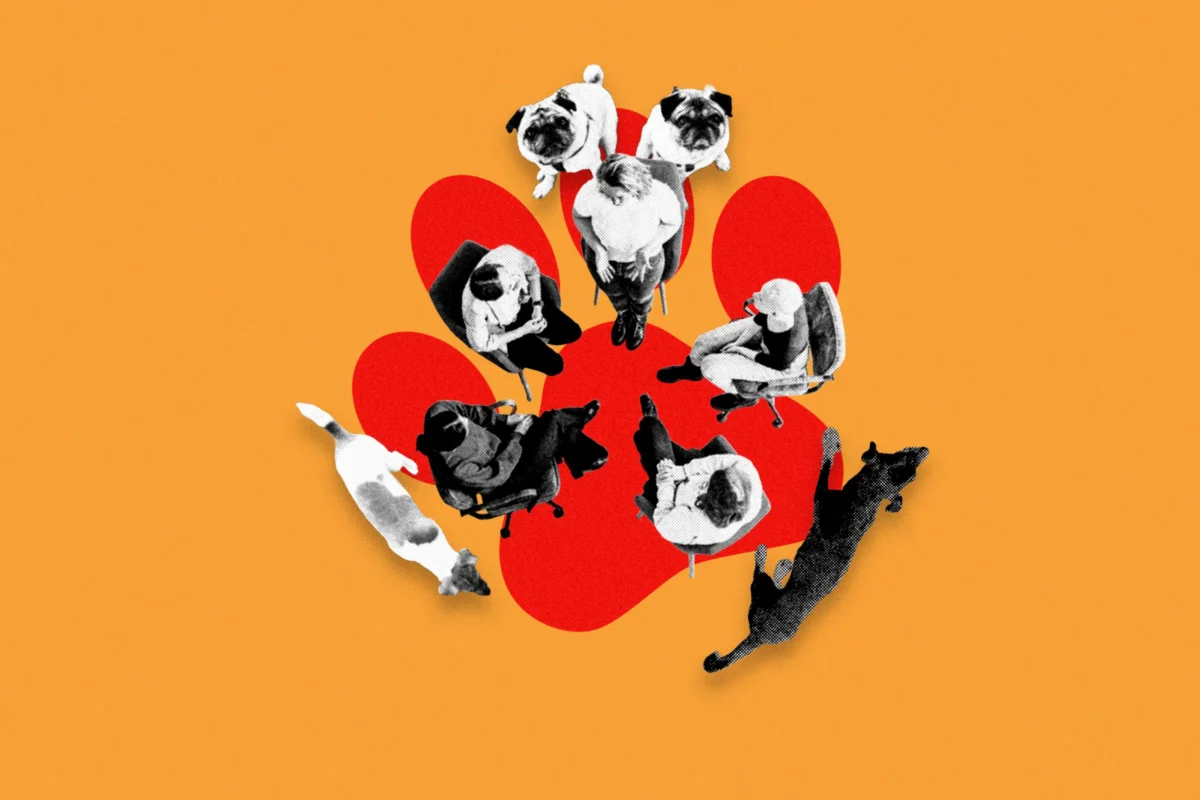
It is just past 6:00 PM on a Wednesday. Across the globe, from bustling high-rise apartments in Singapore to quiet suburban homes in the United States, a handful of individuals log into a private Zoom session. They aren’t there to share training tips or show off tricks. They are there to confess something that is, in modern society, considered a social taboo: They are fed up with their dogs.
This is the reality of Dogs Anonymous (DA), a nonprofit organization founded in 2025 to address a quiet crisis: the profound shame and isolation felt by pet owners whose animals do not mirror the "Lassie-esque" perfection promoted on social media.
The Genesis of a Modern Taboo
The meetings follow a strict, ritualized structure. Louise Crane, president and cofounder of the organization, initiates the session by reciting seven foundational acknowledgments. The first, and perhaps most difficult, is: "I admit that life with my dog is not what I imagined."
For many, the journey to this digital room begins with the collapse of an expectation. In an era where "petfluencers" like Tika the Iggy and @violasnow command millions of followers, the baseline for pet ownership has been artificially inflated. When a real-life dog develops resource guarding, separation anxiety, or demand barking, the owner’s internal reaction is often not just frustration—it is deep, crushing shame.
"I may need to be talked off a ledge," one attendee admitted during a recent session, struggling to manage a boxer that had become "unsettled" and "grumpy" following a series of household changes. This is the hallmark of the DA experience: a space where the curated mask of the "perfect dog parent" can finally slip.
Chronology of a Crisis: Why Now?
The surge in behavioral issues among pets is not merely anecdotal; it is a byproduct of post-pandemic life, shifting urbanization, and the rise of digital expectations.
- 2020–2022: The "Pandemic Puppy" boom saw millions of households adopt pets to combat isolation.
- 2023–2024: As workers returned to offices and social schedules resumed, many dogs—lacking proper socialization and consistency—began exhibiting signs of severe distress and reactivity.
- 2025: Sensing an epidemic of owner burnout, Louise Crane, Daphne Mendoza-Tervanis, and Jerri Scherff formally launched Dogs Anonymous.
The founders recognized that while there were thousands of resources for training dogs, there was almost nothing for the mental health of the human at the other end of the leash. Drawing inspiration from the 12-step recovery model—specifically the principles of anonymity and community-led support—they created a repeatable, sustainable framework that puts the human’s emotional wellbeing at the forefront.
Supporting Data: The Burden of Care
The statistics surrounding pet ownership highlight a growing disconnect between the joy of companionship and the reality of the burden. According to a June study published in the scientific journal Pets, 78 percent of dog owners with pets exhibiting behavioral problems reported "elevated caregiver burden."
This term, often reserved for human-to-human caregiving, is increasingly applicable to pet owners. The emotional and financial strain is immense.
- 53 percent of respondents in the same study reported feeling profound loneliness.
- Reactivity: University of Lincoln researchers (2026) classified behavioral struggles into three core categories: oral attacks, frustration, and posturing. Lunging and barking remain the most common triggers for social shaming.
The financial barriers are equally daunting. With professional trainers in major cities like Los Angeles commanding up to $300 an hour, many owners feel they have no choice but to manage "untrainable" dogs in isolation.
Official Perspectives: Putting the Owner First
Daphne Mendoza-Tervanis, a cofounder with 15 years of experience in professional pet care, argues that the current system is fundamentally flawed because it focuses entirely on the animal while ignoring the human.
"Why we’re in the problem that we are right now is because we are putting dogs before people," Mendoza-Tervanis says. "A lot of services are becoming financially inaccessible. So when someone comes to us, the question is not, ‘how much can you pay?’ or ‘why is your dog doing this?’ but ‘how are you feeling about what happened?’"
This shift in perspective is what makes Dogs Anonymous unique. By prioritizing the owner’s mental health, the group effectively mitigates the "toxic outside noise." Whether the topic is the trauma of a dog’s bite or the mundane frustration of a dog eating expensive household items, the goal remains the same: validation.
Jerri Scherff, a cofounder who is 13 years sober, applied the wisdom of her own recovery to the organization. "The magic of AA—the community—is that you are going through something that somebody else has either been through or they’re going through the same thing," she explains. This "experience, strength, and hope" model allows members to grieve the "dog they thought they would have" while navigating the relationship with the dog they actually have.
The Social Media Paradox
One of the most persistent hurdles for pet owners is the "Instagram effect." Social media has warped the perception of dog ownership into a series of aesthetically pleasing, high-engagement moments. When an owner struggles, they often feel they are failing compared to the curated feeds of others.
The irony, as noted by the founders, is that even high-profile influencers struggle. Scherff, who boasts a massive following of 283,000 on Instagram, found that her own community within Dogs Anonymous became the only place she felt safe enough to process the loss of her American bulldog without the fear of public judgment.
"With the group, I knew that whatever I said, it was going to stay there and they weren’t going to think anything of me," she says.
Implications: A New Way Forward
The long-term implication of the Dogs Anonymous movement is a potential shift in how society views the human-animal bond. By de-stigmatizing the "bad" moments of pet ownership, the organization hopes to reduce the number of dogs surrendered to shelters—which saw 2 million adoptions in 2025 alone.
When an owner feels heard, understood, and supported, their capacity for patience expands. The "toxic outside noise" that drives people to hide their struggles is replaced by a community that acknowledges the difficulty of the task.
As one attendee from Puerto Rico noted during a recent meeting, the internet can be a "dark place," but these meetings represent a rare flicker of genuine human connection. The goal isn’t necessarily to "fix" the dog in the span of an hour; it is to ensure the owner doesn’t feel like they are failing at their life because their dog is struggling with theirs.
"Sometimes they drive us crazy and that’s OK," Crane concludes. In a world that demands perfection from our pets, the freedom to admit that they are simply "a lot" may be the most important form of care an owner can receive.