In the quiet solitude of the wilderness, the towering presence of ancient forests is often perceived as a sanctuary—a cathedral of pine and fir that offers shade, shelter, and a profound sense of connection to the natural world. Yet, for the seasoned backpacker, this serene landscape can harbor a lethal, unpredictable danger. It is a hazard that rarely commands the headlines like a dramatic mountain rescue or a lightning strike, but it is one that persists with terrifying randomness: the hazard tree.
The Reality of the "Widowmaker"
The term "widowmaker" has long circulated among foresters and arborists, referring to dead branches or entire trees that hang precariously, ready to fall at the slightest provocation. While statistics consistently show that the most common causes of death in the backcountry are related to environmental exposure, falls, or medical emergencies, falling trees represent a "low-frequency, high-consequence" risk.
For many outdoor enthusiasts, the familiarity of sleeping under a canopy of trees breeds a dangerous complacency. We have all spent hundreds of nights in the backcountry without incident, fostering a false sense of security. However, as climate change intensifies wildfire seasons, droughts, and pest infestations—such as the mountain pine beetle—the density of standing dead timber, or "snags," has reached historic levels across North America.
A Chronology of Tragedy: When Silence Turns Fatal
The risk is not merely theoretical. A review of incidents over the past several years reveals a pattern of tragedy that underscores the necessity for heightened vigilance:
- August 2019: A thru-hiker on the Pacific Crest Trail was struck and killed by a falling tree while traversing a trail corridor, highlighting that the danger is not limited to campsites.
- August 2019: In a separate incident on the Colorado Trail, a backpacker was killed when a tree collapsed onto her tent during the night.
- May 2021: A backpacker utilizing a hammock in the White Mountain National Forest suffered a fatal injury when the tree supporting their hammock failed.
- August 2022: A visitor to the remote Elk Lake wilderness campsite in Olympic National Park was killed while inside their tent, necessitating an emergency helicopter evacuation for the National Park Service.
These events, while isolated in geography, form a collective warning. Whether in developed campgrounds, remote backcountry sites, or along high-traffic trails, the threat is ubiquitous.
The Anatomy of a Hazard Tree
Understanding why trees fail is the first step toward mitigation. A "hazard tree" is defined as any tree that has a structural defect which, if it fails, could cause personal injury or property damage.
Environmental Stressors
- Wildfire Burn Areas: Areas like those surrounding Yellowstone—which saw 1.4 million acres scorched in 1988—create "matchstick forests." Even decades later, these skeletons of trees remain unstable, their root systems compromised by subterranean smoldering.
- Root Rot and Decay: Many trees appear healthy from the crown but are suffering from fungal infections at the base or root system. A tree that looks green can be hollowed out by heart rot, making it susceptible to the slightest gust of wind.
- Wind Loading: The most common trigger for tree failure is wind. When a storm front moves through a mountain valley, it creates a "lever effect." A tree that has survived for a century may reach its breaking point when soil saturation from heavy rain weakens the ground’s grip on its root ball.
Assessing Risk: The "Look Up, Look Down" Protocol
Mitigating the risk of falling trees requires a fundamental shift in how we choose our campsites and traverse forested corridors. Experts suggest a systematic approach to site selection:
1. The Crown Scan
Before pitching a tent or setting up a hammock, look upward. Do you see "hangers"—broken branches caught in the canopy? Are there trees with tops missing, or those that show signs of severe lean? If the canopy is thin or consists primarily of dead snags, move on.
2. The Base Inspection
Inspect the soil around the base of the tree. Are there signs of erosion or heaving soil? If the tree is swaying in the wind, listen for unusual creaking or popping sounds. These are the auditory warning signs of a failing root system.
3. The "Campsite Radius" Rule
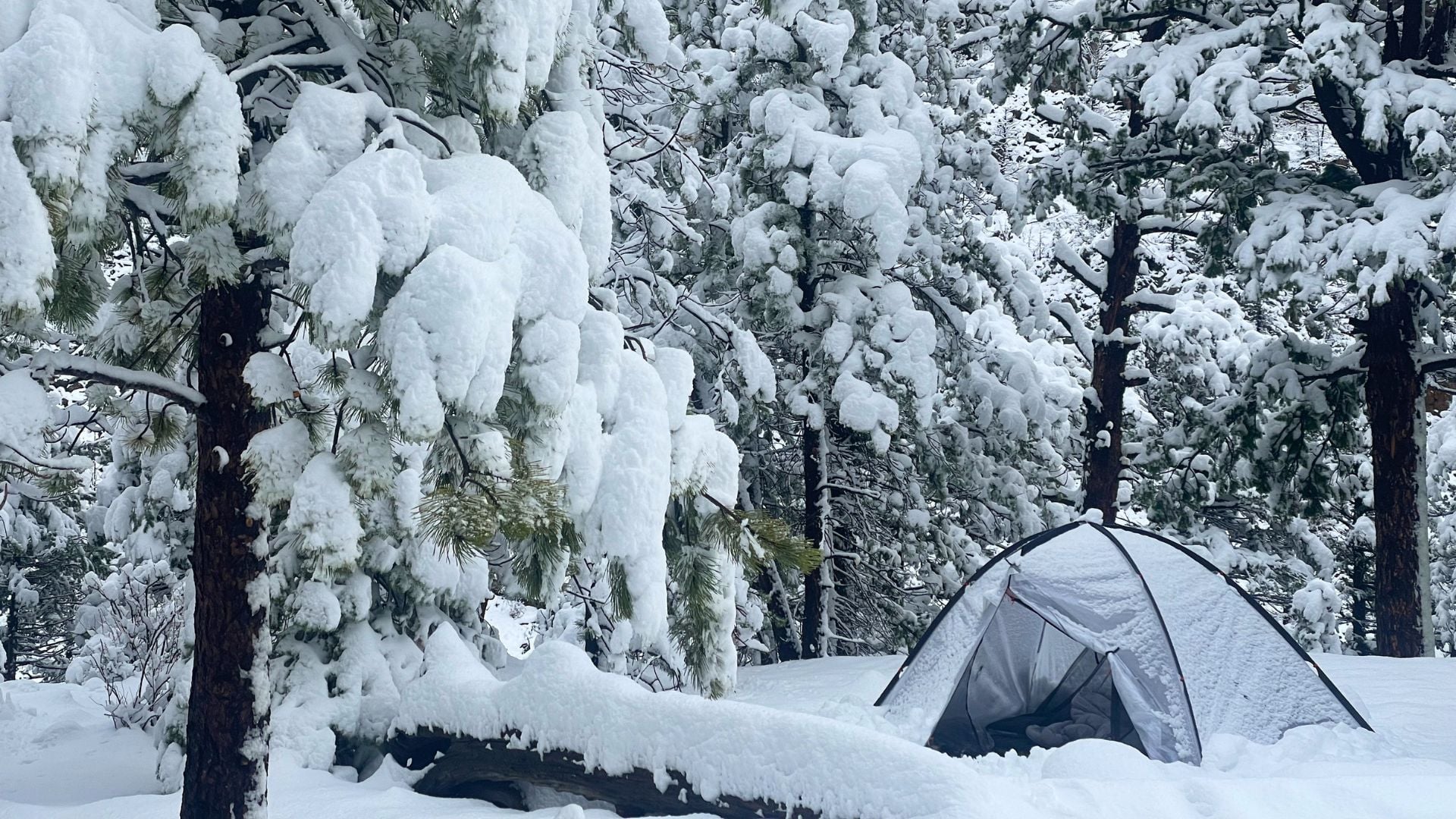
A good rule of thumb is to assess a radius around your site equal to the height of the tallest nearby tree. While it is impossible to avoid trees entirely in a dense forest, aim for areas with younger, healthier growth rather than stands of mature, dead, or dying timber.
The Institutional Response
Land management agencies, including the National Park Service (NPS) and the U.S. Forest Service (USFS), face a monumental challenge in managing hazard trees. In developed campgrounds, arborists regularly survey trees and remove those deemed high-risk. However, in the vast expanses of the "backcountry," such management is impossible.
"We cannot mitigate the entire forest," says a representative from the National Park Service. "Wilderness areas are managed to allow natural processes to occur. Falling trees are a part of the forest life cycle. The onus of safety, therefore, shifts to the individual visitor."
The implication is clear: the wilderness is not a curated park. When you step beyond the boundary of a developed campground, you are entering an environment where natural hazards are a feature, not a bug.
Psychological Barriers: Overcoming Complacency
Perhaps the greatest obstacle to safety is our own psychology. The "normalcy bias"—the tendency to underestimate the possibility of a disaster because it hasn’t happened yet—is a powerful force. We assume that because we have spent dozens of nights under trees without injury, we are safe.
To break this cycle, hikers must move from a state of passive observation to active assessment. Instead of asking, "Is this a nice place to camp?" the question should be, "Am I about to spend the next several hours near trees or limbs that could fall?"
Conclusion: A New Way of Seeing the Woods
Falling trees are a low-frequency, high-consequence hazard. They are the silent sentinels of the forest, and while we cannot eliminate the risk entirely, we can significantly reduce our exposure through education and awareness.
The next time you hike into a burn area or set up your tent in a dense, old-growth forest, take a moment to look up. Observe the wind. Note the health of the trees surrounding your sanctuary. By acknowledging that the forest is a dynamic, shifting environment, you transform from a passive visitor into an informed steward of your own safety. The beauty of the backcountry is worth the effort of vigilance; don’t let a moment of complacency turn a lifelong passion into a preventable tragedy.