In the late summer of 2023, seasoned long-distance hikers Kate “Swept Away” Pickett and I set out to undertake a rigorous test of endurance and equipment: a comprehensive trekking expedition across Iceland. Our journey was divided into two distinct, challenging phases. We began by navigating the rugged, isolated beauty of the Hornstrandir Peninsula—Iceland’s most remote wilderness—before embarking on a grueling north-to-south traverse of the entire country.
The scope of the expedition was significant: the Hornstrandir segment spanned approximately 120 kilometers (75 miles), while the full Iceland Traverse pushed our total distance covered to over 600 kilometers (373 miles). As we moved through volcanic deserts, glacial rivers, and storm-battered plateaus, we gathered invaluable data on gear performance, physiological management, and the realities of trekking in one of the world’s most volatile climates.
A Chronology of the Expedition
The expedition was defined by a stark transition from the coastal isolation of the north to the brutal, high-altitude interior of the Central Highlands.
Phase I: The Hornstrandir Peninsula
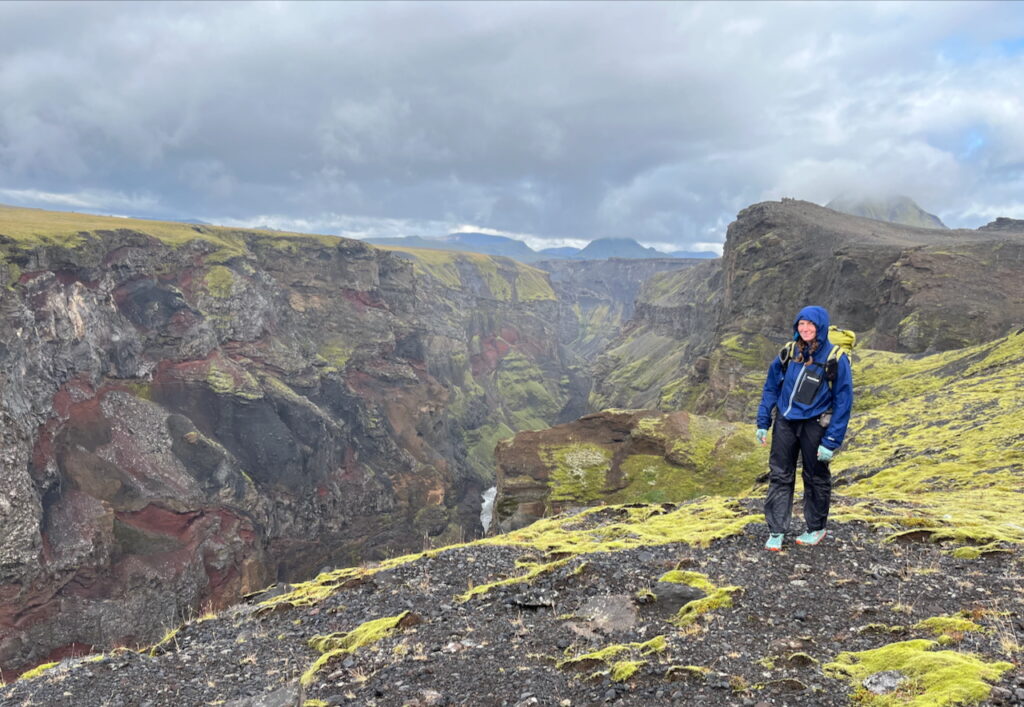
In late August, we entered the Hornstrandir Peninsula. This region is largely defined by its lack of infrastructure and its sheer, jagged cliffs that drop into the North Atlantic. While the weather here was manageable, with temperatures hovering in the mid-teens Celsius (low 60s Fahrenheit), the region served as a precursor to the environmental instability we would face later. We encountered several localized storms that forced us to refine our shelter-pitching techniques and test our rain gear in high-humidity conditions.
Phase II: The Iceland Traverse
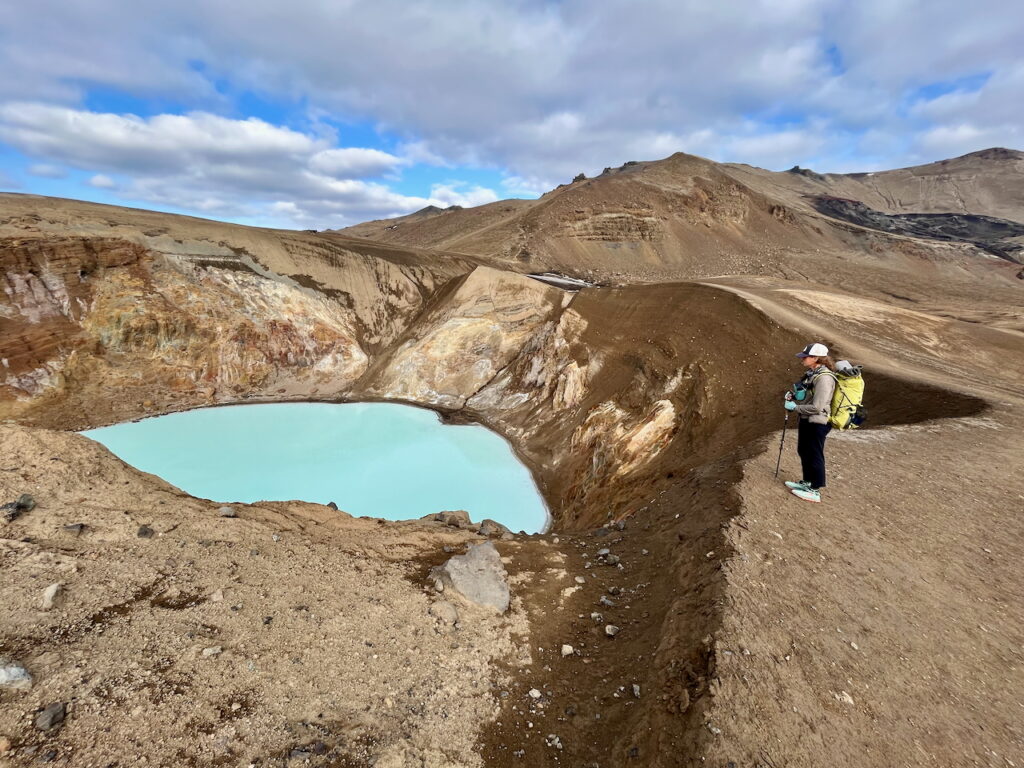
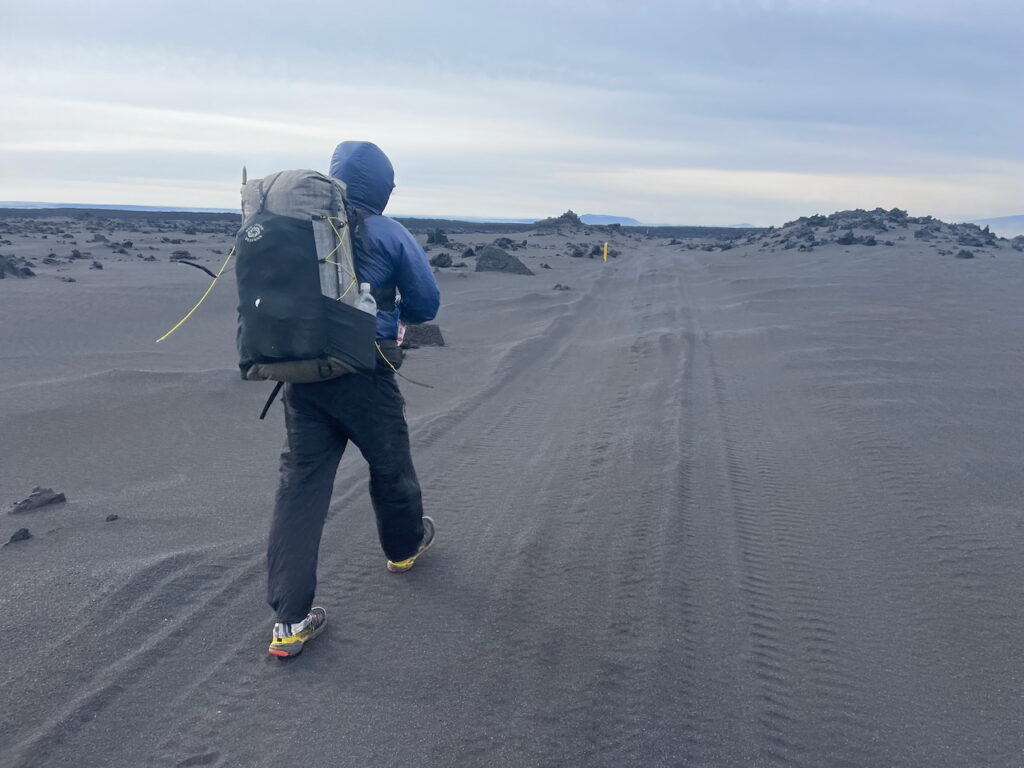
The intensity of the trip shifted dramatically in early September. The traverse required us to navigate the Central Highlands, a vast, volcanic desert where the terrain is not only unforgiving but largely exposed. During the first week of September, we were subjected to a series of low-pressure systems that brought relentless rain, driving snow, and wind gusts peaking at nearly 100 km/h (62 mph). This phase of the trek shifted the focus from distance-logging to survival-oriented navigation. Moving through the Askja Caldera and across the desolate interior, our survival depended as much on our gear’s durability as it did on our mental fortitude.
Supporting Data: The Anatomy of a Loadout
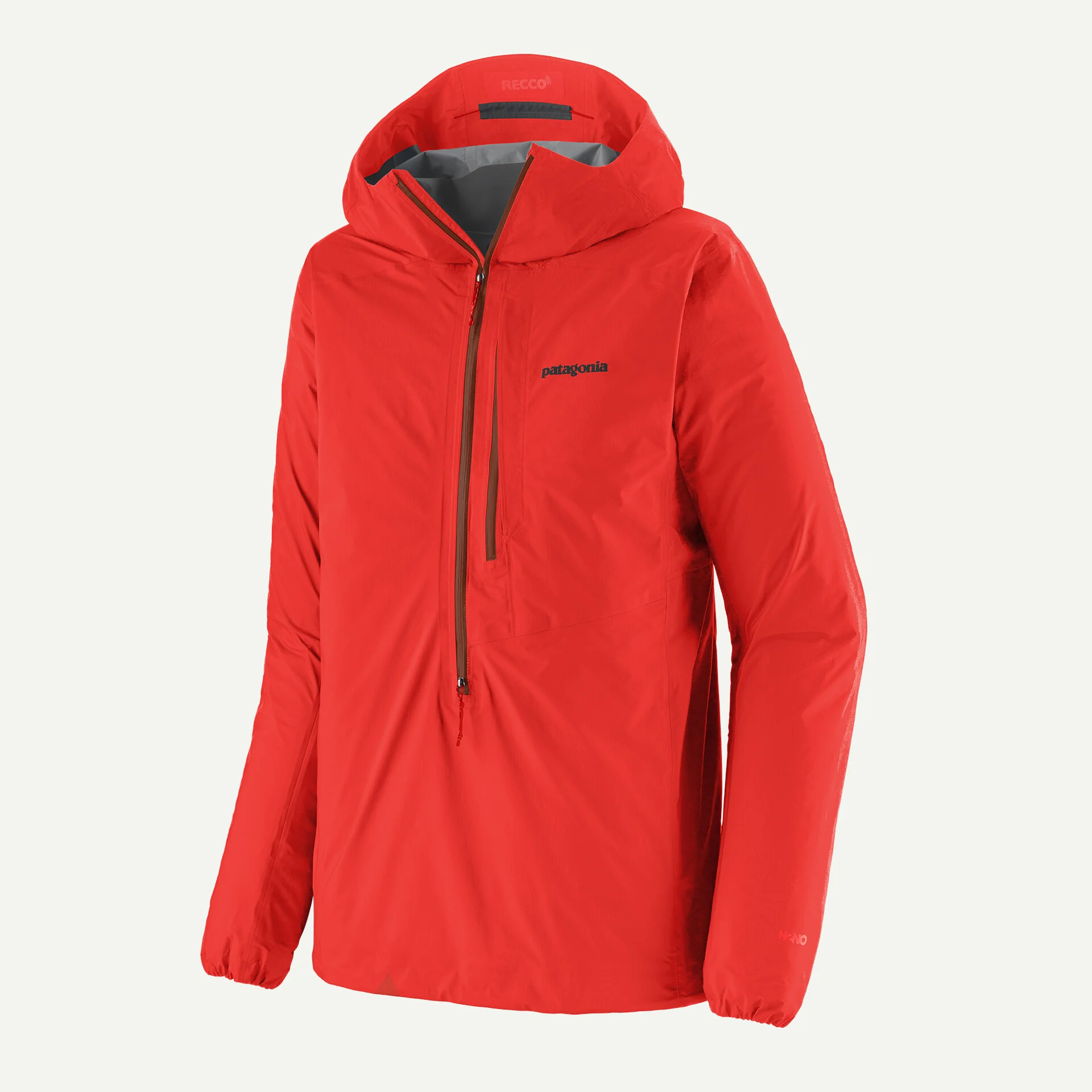
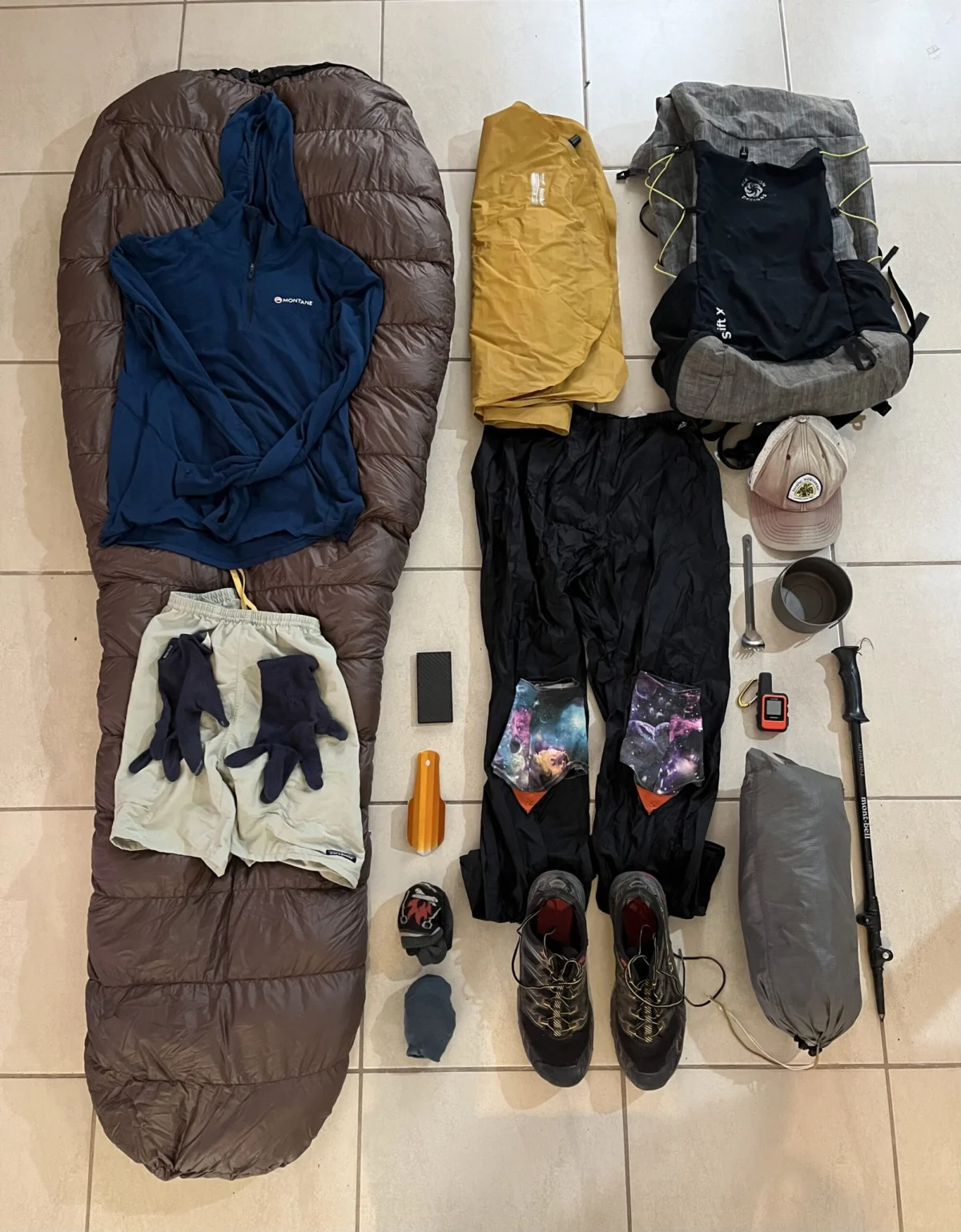
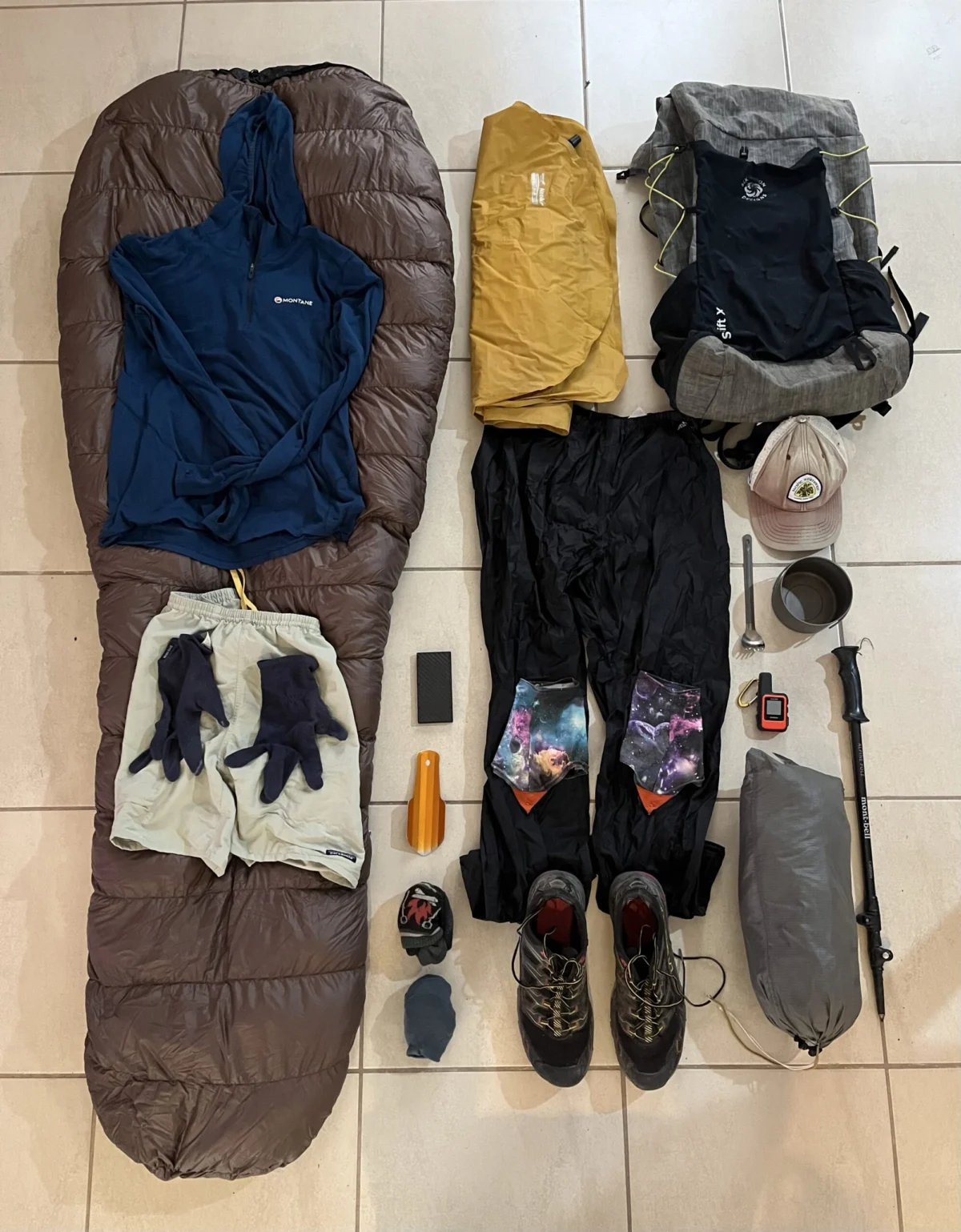
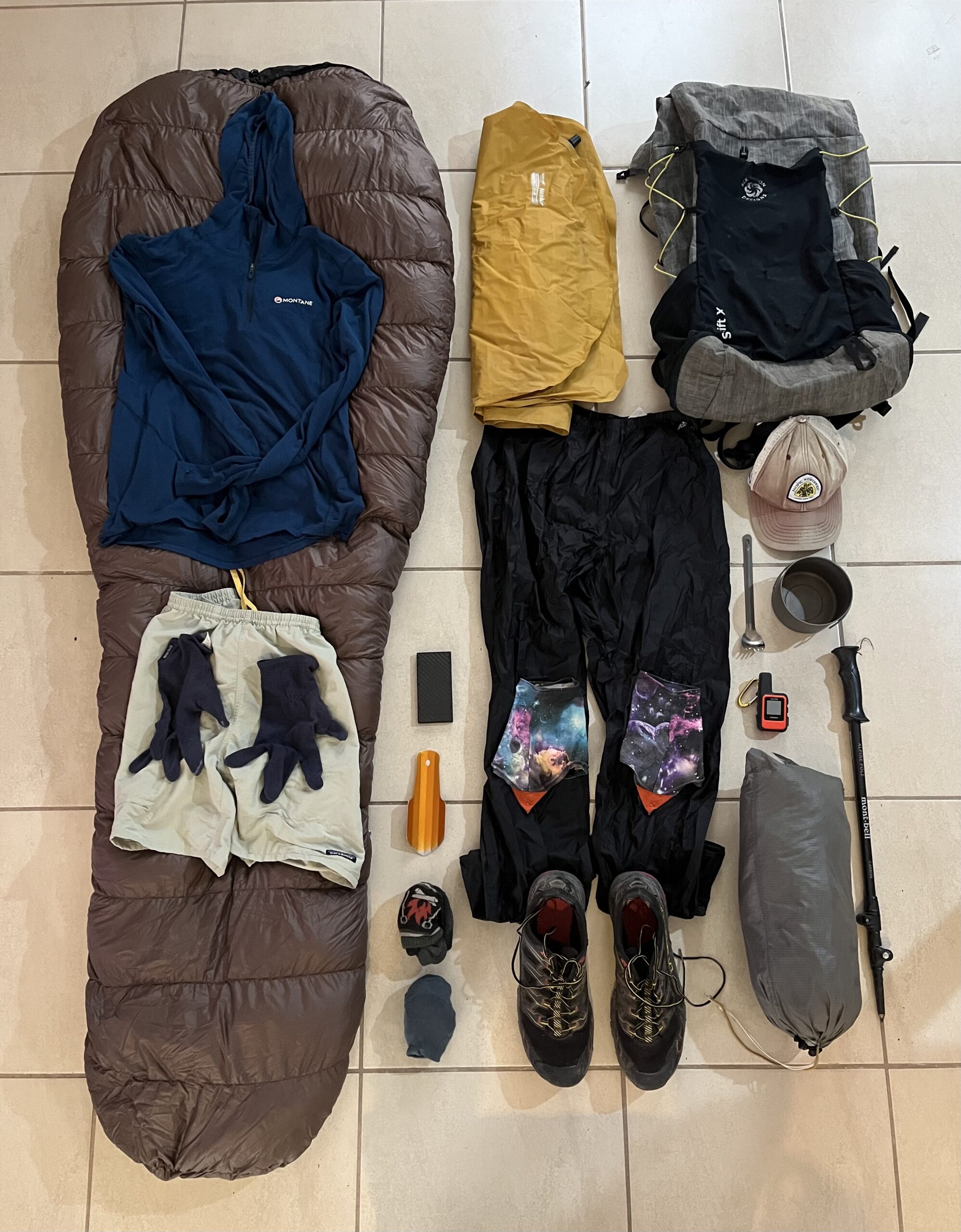
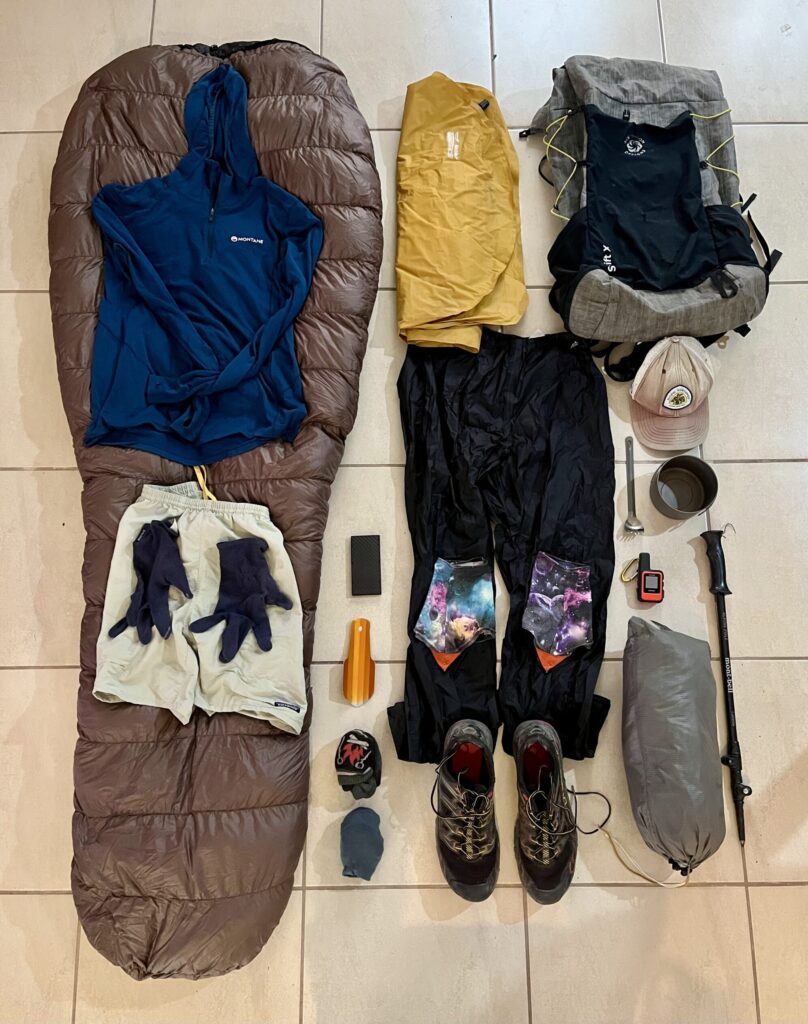
One of the most notable aspects of this trip was the shift in my base weight. While I am a proponent of ultralight backpacking, the demands of the Icelandic interior necessitated a departure from my usual standards. My base weight for this expedition was approximately 13.1 lbs (5.7 kg), and my total pack weight—including food, fuel, and water—reached 16 lbs (7.3 kg). This was, by my standards, the heaviest setup I have carried in the current millennium, yet it proved essential for the eight-day food carries and the extreme weatherproofing required.
Technical Gear Assessment
The following table outlines the core components of my kit and their performance in the field:
| Item | Weight (oz) | Field Performance Note |
|---|---|---|
| Six Moon Designs Swift X | 38 | Exceptional load carriage for heavy, multi-day food hauls. |
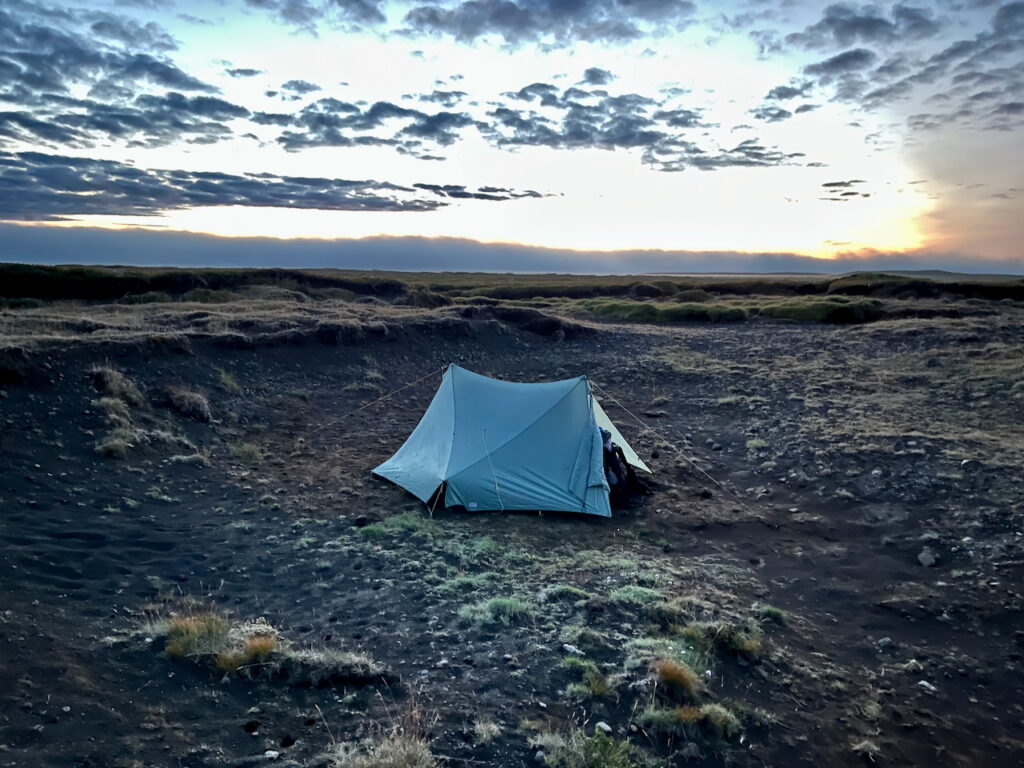
| Tarptent Stratospire 2 | 42 | A "bombproof" shelter; essential for 80km/h+ wind gusts. |
| Katabatic Alsek 22 Quilt | 24 | The gold standard for cold-weather moisture management. |
| La Sportiva Akasha | 22 | Superior durability on sharp, volcanic rock and scree. |
| SOTO Windmaster Stove | 3 | Reliable in high-wind conditions; shared between two hikers. |
Strategic Decisions
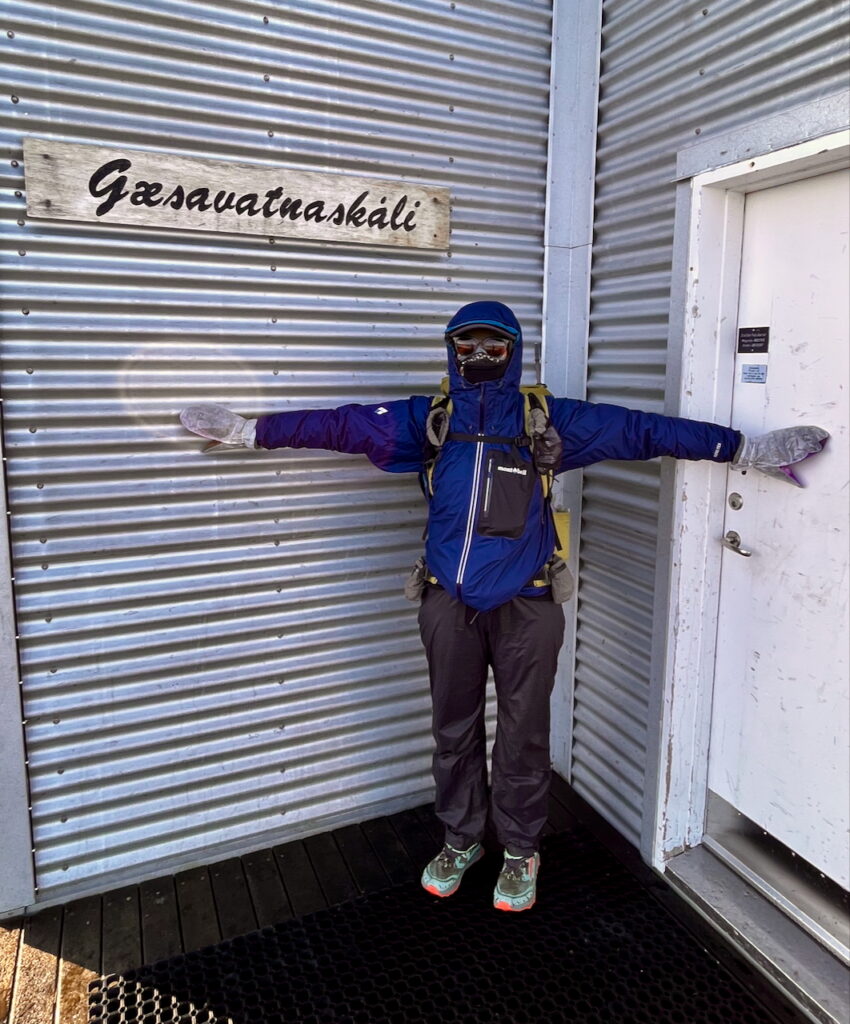
We made a critical strategic decision regarding logistics: utilizing the mountain huts as safe havens. By factoring the location of the Ferðafélag Íslands (Iceland Touring Association) huts into our daily route planning, we were able to mitigate the risks associated with the most severe storm fronts. Furthermore, by coordinating with local staff, we successfully staged a fuel canister drop at the Dreki ranger station, which allowed us to maintain our pace without carrying excessive fuel weight through the early segments.
Professional Observations: The "Bombproof" Mandate
If there is one takeaway for those considering a similar traverse, it is the absolute necessity of "bombproof" equipment. Iceland’s interior is not a place for experimental or lightweight, fragile gear.
Shelter Dynamics
During our time in the Central Highlands, we witnessed the failure of standard lightweight tents. The lack of natural windbreaks in the volcanic deserts means that your shelter is constantly exposed to the full force of the gale. My recommendation for future trekkers is twofold:
- Pitching Integrity: Never underestimate the wind. Use every available guyline and ensure your stakes are driven into the most stable ground possible.
- Hut Contingency: Do not view the huts as a luxury; view them as a vital safety component. When the forecast calls for sustained 90+ km/h winds, the prudent choice is to seek shelter in a permanent structure rather than risking the structural integrity of your tent.
Footwear and Ergonomics
The terrain in Iceland is notoriously abrasive. From wet, muddy coastal trails to sharp, obsidian-like lava fields, footwear takes a beating. I opted for the La Sportiva Akasha, a model that offers a wider toe box and increased cushioning. After 600 kilometers, the tread remained remarkably intact. When choosing footwear for Iceland, prioritize grip on wet rock and drainage capabilities over waterproof membranes, which often fail or trap moisture inside the shoe after prolonged exposure to stream crossings.
Implications for Future Expedition Planning
Our 2023 expedition highlights a growing trend in long-distance hiking: the move toward "responsible endurance." As more hikers are drawn to the wilder reaches of the North, the pressure on the environment and the reliance on local infrastructure—such as the mountain huts—will increase.
Safety and Communication
While I carried a Garmin inReach Mini for emergency satellite communication, I emphasize that technology cannot replace local knowledge. We relied on the official Icelandic weather portal (vedur.is) and the safe-travel app (safetravel.is). These resources are not merely "apps"; they are essential safety tools that should be consulted multiple times daily.
The Psychological Component
The psychological strain of hiking in Iceland should not be underestimated. The monotonous, vast landscapes of the interior, combined with the constant threat of weather-induced delays, require a specific type of mental resilience. We found that by focusing on small, achievable milestones—reaching a specific crater, a hot spring, or the next mountain hut—we were able to maintain morale even during the most difficult stretches of wind and snow.
Conclusion: Lessons from the Interior
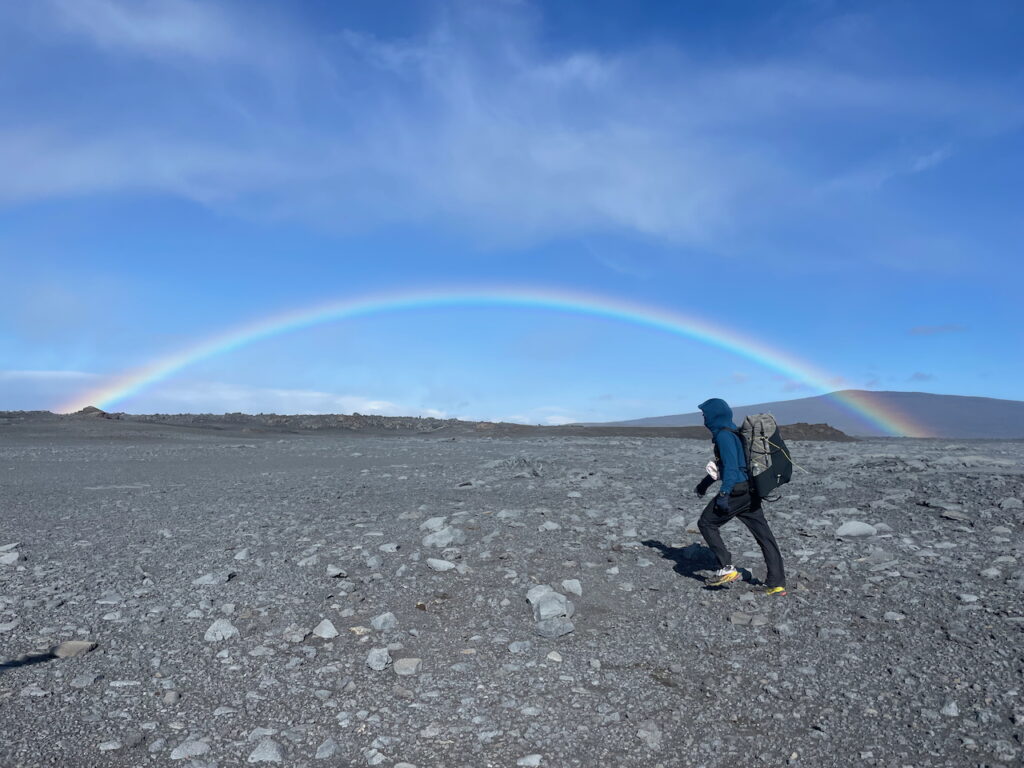
Reflecting on the 600-kilometer trek, it is clear that Iceland demands respect. It is a country that can shift from the serene beauty of a rainbow-lit lava field to a life-threatening storm in the span of an hour. My gear choices were dictated by the requirement for reliability above all else. While I returned home with a slightly heavier pack than I usually prefer, I did so with the satisfaction that every item in my kit served a specific, often critical, purpose.
For those looking to replicate this journey, I offer this advice: invest in your shelter, prioritize your sleep system to accommodate the cold, and never underestimate the power of a well-researched route. Iceland is not merely a destination; it is a masterclass in wilderness survival and self-sufficiency. Whether you are traversing the remote Hornstrandir cliffs or crossing the vast, volcanic heart of the island, ensure your preparation is as robust as the landscape itself.
Disclosure: This report contains affiliate links. The Hiking Life receives a small commission if you purchase an item through these links, which helps sustain our efforts to provide high-quality, long-form content for the hiking and backpacking community. All opinions expressed are based on personal, real-world field experience.