The act of cleaning out a gear cupboard is rarely just a domestic chore for a long-distance backpacker. It is an archaeological expedition. Tucked behind the monolithic MSR Whisperlite stoves of yesteryear, the resilient Therm-a-Rest closed-cell foam pads, and the heavy-duty Macpac Pursuit backpacks that defined an era of rugged mountaineering, lies the history of an outdoor career.
Recently, while sifting through this collection of nostalgic detritus—including a North Face "Superlight" sleeping bag that ironically tipped the scales at a hefty four pounds—one item stood out: a Tarptent Squall. Purchased in late 2003, this shelter served as a time capsule, a physical reminder of the transition from heavy-duty traditionalism to the lightweight revolution that has since redefined the backpacking industry.
Main Facts: The Intersection of Performance and Weight
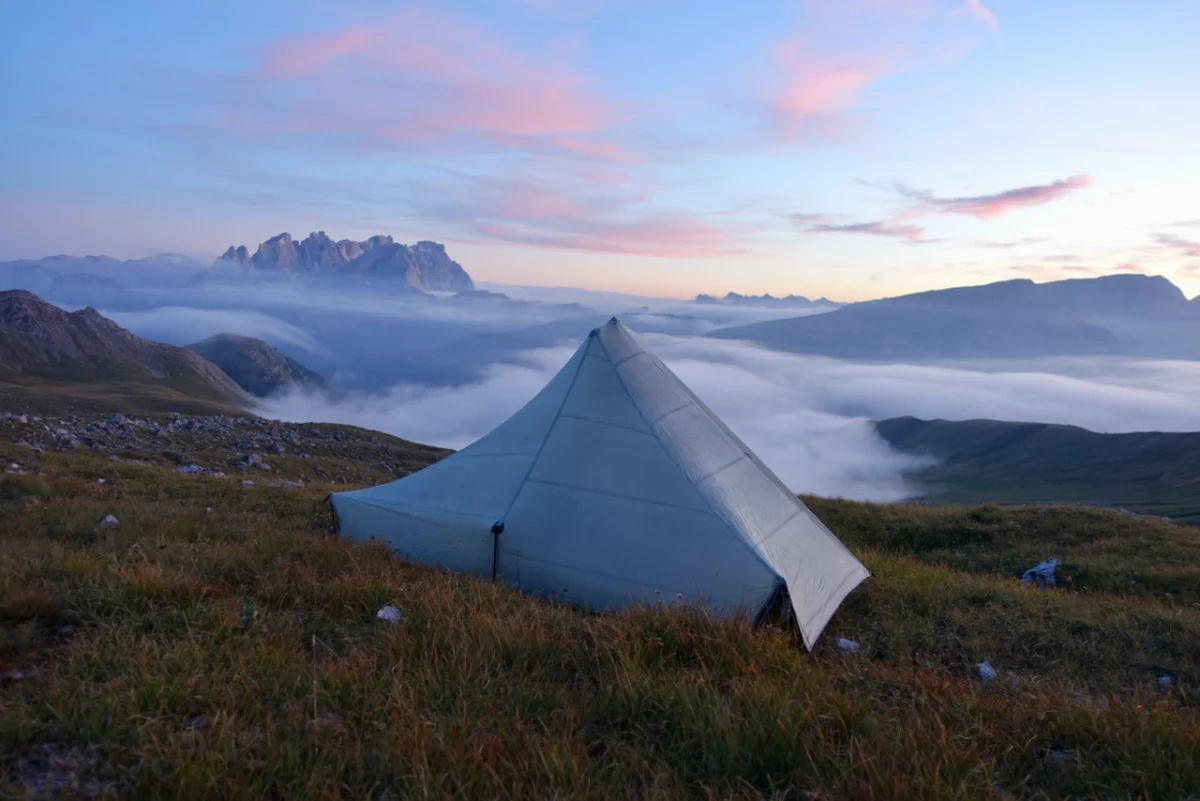
For over twenty years, Tarptent has occupied a unique niche in the outdoor industry. Founded by Henry Shires, the company pioneered the bridge between the ultralight tarp and the fully enclosed tent. The core philosophy of Tarptent has remained consistent: a rigorous adherence to five pillars of design—simplicity, functionality, durability, lightweight construction, and value for money.
The Squall, weighing in at just over two pounds (1 kg), was an early proof-of-concept for the brand. It offered a two-person capacity that provided full protection from the elements without the cumbersome weight of traditional double-wall tents of the early 2000s. As the years progressed, these shelters proved their mettle in environments ranging from the arid dunes of the Sahara to the jagged, wind-scoured ridges of the Karakoram range in Pakistan.
Chronology: A Twenty-Year Field Test
The evolution of Tarptent is best viewed through the lens of a two-decade-long, continuous field test. The trajectory of this gear follows the arc of modern hiking history.

The Early Era (2003–2010): The Squall
In 2003, the backpacking market was dominated by heavy, framed tents. The arrival of the Tarptent Squall represented a paradigm shift. Its design allowed for a rapid, pole-supported setup that was revolutionary for its time. During this period, the Squall accompanied hikers across diverse global terrains, from the Erg Chebbi in Morocco to the high-altitude trails of Pakistan’s Rush Phari trek. It was during these formative years that the brand established its reputation for delivering "bombproof" performance in a lightweight package.
The Prototype Phase (2014–2019): Iteration and Innovation
The relationship between the user and the manufacturer reached a new level of collaboration in 2014 at the Pacific Crest Trail (PCT) Kickoff in Lake Morena, California. Meeting Henry Shires marked a transition from a consumer-brand relationship to one of active feedback.
Following this, the testing of the ProTrail (2014) and the Aeon Li (2018/19) highlighted the brand’s shift toward modern materials and specialized one-person configurations. The Aeon Li, in particular, represented the cutting edge of Dyneema Composite Fabric (DCF) application, proving that one-person shelters could withstand the rigors of long-distance thru-hiking while pushing the boundaries of weight reduction.
The Modern Era (2023–Present): The Stratospire 2
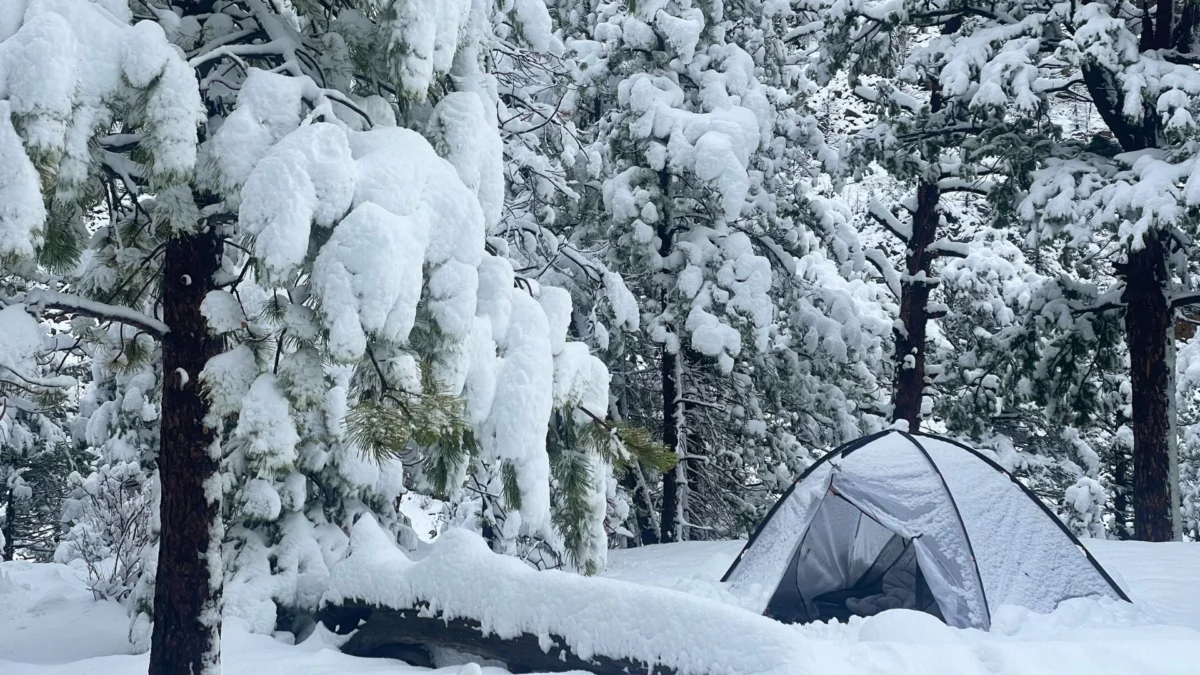
The recent adoption of the Stratospire 2, particularly the "Silpoly" (siliconized polyester) model, indicates the brand’s focus on versatility. During an expedition through Iceland and the Balkans, the Stratospire 2 was subjected to some of the most volatile weather conditions a backpacker can face: high-velocity winds and sustained, driving rain. The tent’s performance in these conditions—maintaining its structural integrity without the heavy weight of traditional expedition tents—demonstrates the company’s successful adaptation to the changing needs of the modern, international trekker.
Supporting Data: Why "Lightweight" Still Needs "Durability"
Critics of the ultralight movement often argue that shedding weight equates to shedding reliability. However, the data gathered over two decades of usage suggests otherwise. When analyzing the longevity of these shelters, three factors emerge as consistent contributors to their performance:

- Material Science: The shift from early silnylons to modern Silpoly and DCF has allowed Tarptent to maintain structural tension even when fabrics are saturated with moisture.
- Structural Geometry: The design of models like the Stratospire 2 utilizes trekking poles as primary structural supports, creating a wide, stable footprint that resists wind shear more effectively than many traditional pole-based tents.
- Field Repairability: Because these tents rely on simplicity, they are inherently easier to repair in the field. A bent pole or a small tear in the canopy does not typically result in a catastrophic failure, as the designs prioritize ease of access and structural redundancy.
Official Responses: The Philosophy of Henry Shires
While the brand has scaled significantly since its inception, the design ethos remains rooted in Henry Shires’ original vision. In discussions regarding the brand’s longevity, Shires has often emphasized the "value-to-weight ratio." By removing unnecessary features—such as excessive internal pockets, overly complex ventilation systems, or excessive fabric paneling—Tarptent has been able to keep costs lower than premium boutique brands while maintaining a performance level that rivals high-end expedition gear.
This "no-frills" approach is not a lack of innovation, but a deliberate choice. By focusing on the fundamental requirements of a shelter—protection from wind, rain, and insects—the brand ensures that every ounce of the tent’s weight is dedicated to function.
Implications: The Future of Backpacking Shelters
The journey of the Tarptent brand over the last twenty years offers a clear roadmap for the future of the outdoor gear industry. As climate change leads to more unpredictable weather patterns globally, the demand for shelters that are simultaneously lightweight and storm-worthy will only increase.
1. The Death of the "Heavy" Standard
The success of models like the Aeon Li and the Stratospire 2 proves that the traditional "heavy equals durable" mantra is outdated. Backpackers now prioritize modularity and efficiency. The ability to carry a shelter that weighs less than two pounds but can withstand Icelandic gales has changed the way hikers plan for multi-month expeditions.
2. Sustainability Through Longevity
In an era of fast-fashion gear, the durability of these Tarptent models serves as a lesson in sustainability. A tent that lasts for a decade or more is, by definition, the most environmentally friendly option. By designing products that are easily maintained and repaired, the brand encourages a "buy it for life" mentality that counters the disposable culture often found in modern consumerism.

3. The Role of the "All-Rounder"
The industry is currently moving away from hyper-specialized gear that works only in perfect conditions. Instead, there is a growing appetite for "all-rounder" equipment. The Stratospire 2 acts as a blueprint for this: a tent that is light enough for a solo weekend warrior but robust enough for a professional guide in the Balkans.
Conclusion
Looking back at the gear cupboard, the presence of the original Squall alongside the newer models tells a story of continuity. The gear has changed—the fabrics are more advanced, the designs are more refined—but the fundamental need of the backpacker remains the same: a reliable, lightweight refuge in the wild.
As we look toward the next twenty years, the lessons learned from these shelters are clear. Innovation is not always about adding new features; often, it is about perfecting the essential ones. Tarptent has succeeded not by chasing trends, but by staying true to a philosophy that values the user’s experience over market gimmicks. For the hiker, the implication is simple: when the gear works, you stop thinking about it and start focusing on the trail ahead. And in the end, that is the greatest performance any piece of equipment can provide.