Date: September 15, 2026
Reporting by: Samuli Haapasalo
As the crisp air of mid-September sweeps across the Baltic region, a profound transformation is taking place in the wetlands and coastal meadows of Estonia. The annual avian migration, a rhythmic pulse that has defined the landscape for millennia, is currently at its seasonal zenith. For birdwatchers, researchers, and nature enthusiasts, this period—specifically the weeks surrounding the middle of September—represents one of the most spectacular displays of natural history in Northern Europe.
Main Facts: The September Migration Peak
The common crane (Grus grus) is the undisputed protagonist of this autumn spectacle. Across Finland and the Baltic states, these majestic birds have gathered in significant numbers, utilizing the region’s rich coastal meadows as vital staging grounds.
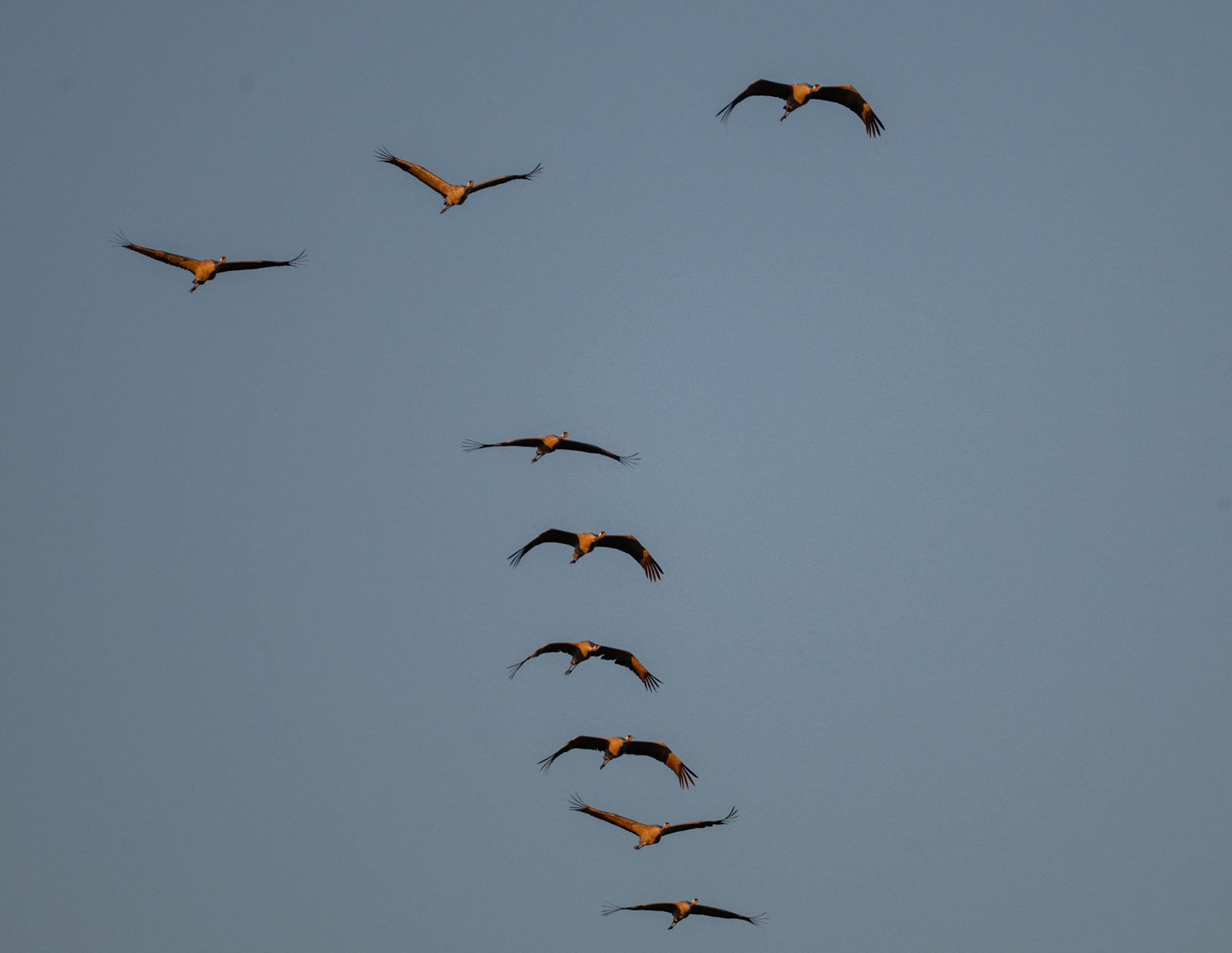
Migration is not a linear sprint but a calculated journey of energy management. Many of the flocks observed in the Haapsalu region of Estonia are currently engaged in intensive "refueling." By feeding in the harvested agricultural fields and protected marshlands, these birds accumulate the necessary fat reserves to sustain them through the arduous flight to their southern European and North African wintering grounds.
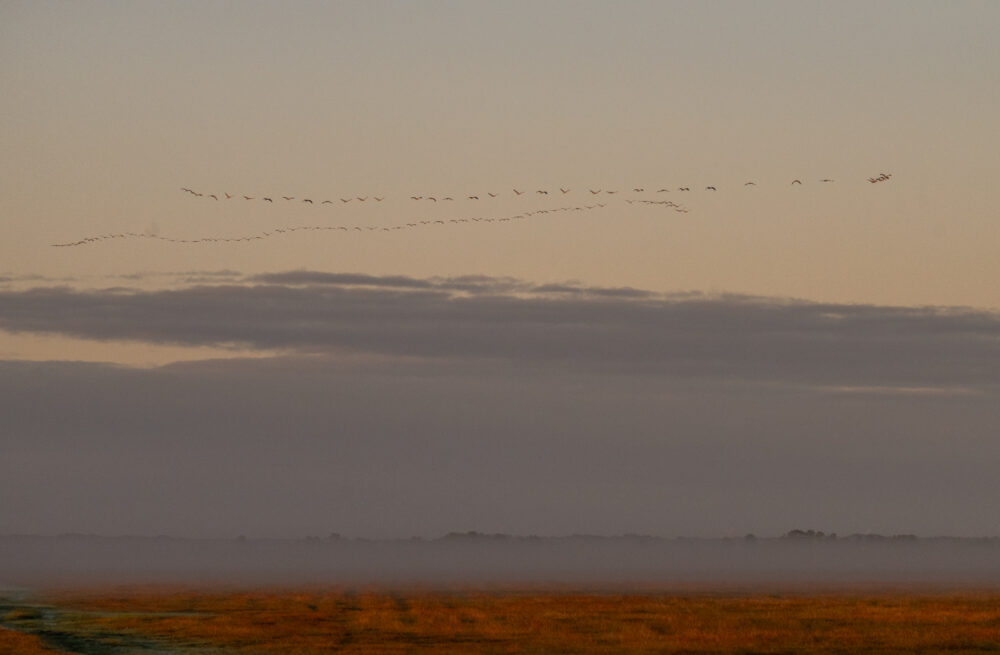
While the exact numbers of birds pausing in the region can fluctuate due to shifting agricultural practices and changing crop varieties, the sheer scale of the event remains staggering. Every morning at dawn, thousands of cranes can be heard calling in unison as they rise from their secure nighttime roosts on offshore islets to venture inland toward their primary feeding grounds.
Chronology: A Weekend on the Baltic Flyway
During the weekend of September 12–13, 2026, observations near the Haapsalu region provided a clear window into the logistical complexity of this migration.
The Morning Routine
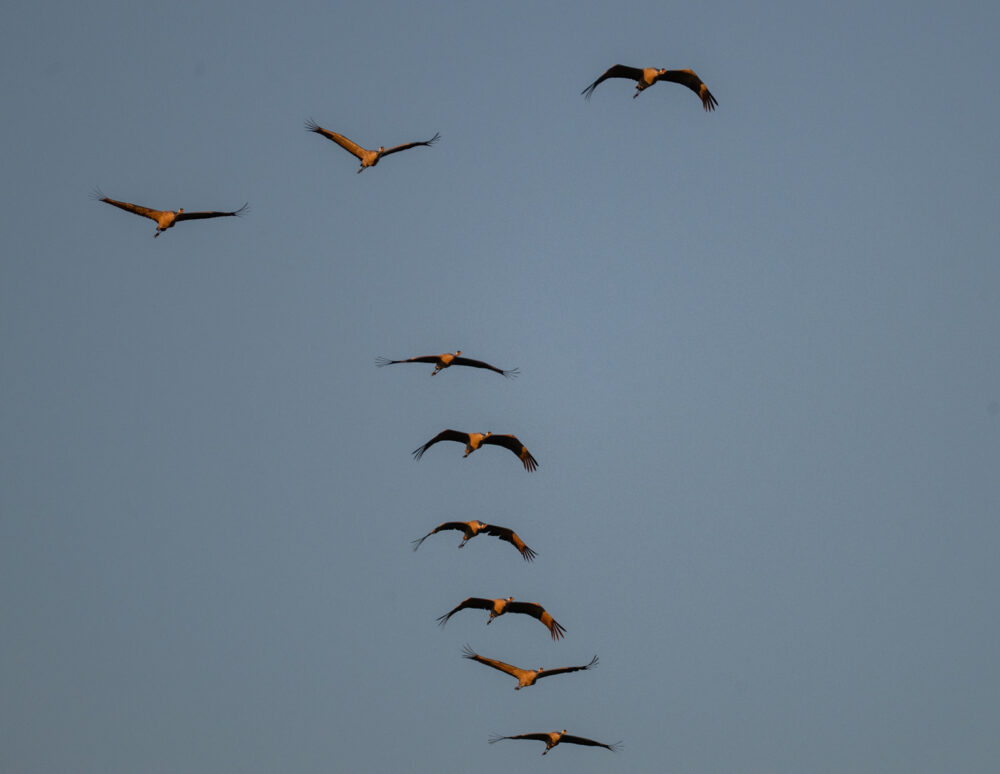
The daily cycle is remarkably predictable. At the first light of dawn, the coastal silence is broken by the trumpet-like calls of cranes. Large, disciplined flocks move steadily eastward, transitioning from the safety of nighttime roosting areas—such as those situated north of Matsalu Bay and Pögarin Bay—toward the nutrient-rich agricultural hinterlands.
The Changing Composition of the Meadows
The coastal landscape is currently a mosaic of species. Alongside the cranes, greylag geese (Anser anser) are a constant presence, although it is believed that the primary pulse of the geese migration has already moved further south.
By mid-September, the composition of the avian population shifts:
- Early September: The departure of white storks (Ciconia ciconia) is finalized, with almost all individuals having vacated the region.
- Mid-September: The arrival and staging of cranes, alongside a steady movement of swallows. Barn swallows (Hirundo rustica) are still highly visible, clinging to power lines and hunting over the coastal meadows, accompanied by occasional sand martins (Riparia riparia).
- The Seasonal Lull: Grey herons (Ardea cinerea) appear to be in no hurry. Unlike their migratory cousins, a small population of grey herons has shown an increasing tendency to overwinter in the region, a trend that warrants further longitudinal study.
Supporting Data: Rising Populations and Habitat Observations
The 2026 migration season has highlighted several interesting demographic shifts among the species frequenting the Baltic flyway.
The Rise of the Great Egret
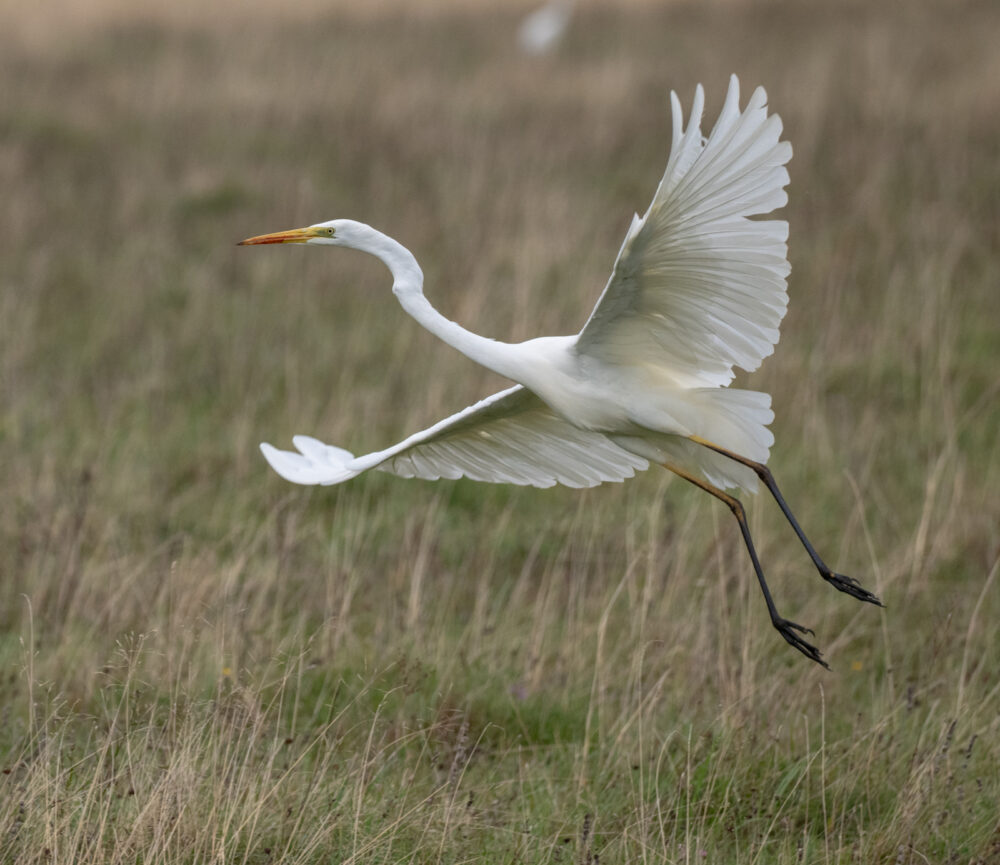
Perhaps the most striking observation this year is the robust increase in the presence of the great egret (Ardea alba). Once a rarity in these northern latitudes, it is now common to see dozens of these birds congregating on prime coastal meadows. Their primary diet consists of small fish, though field observations suggest they are increasingly opportunistic, predating on small mammals in the grassy plains.
The Small Bird Contingent
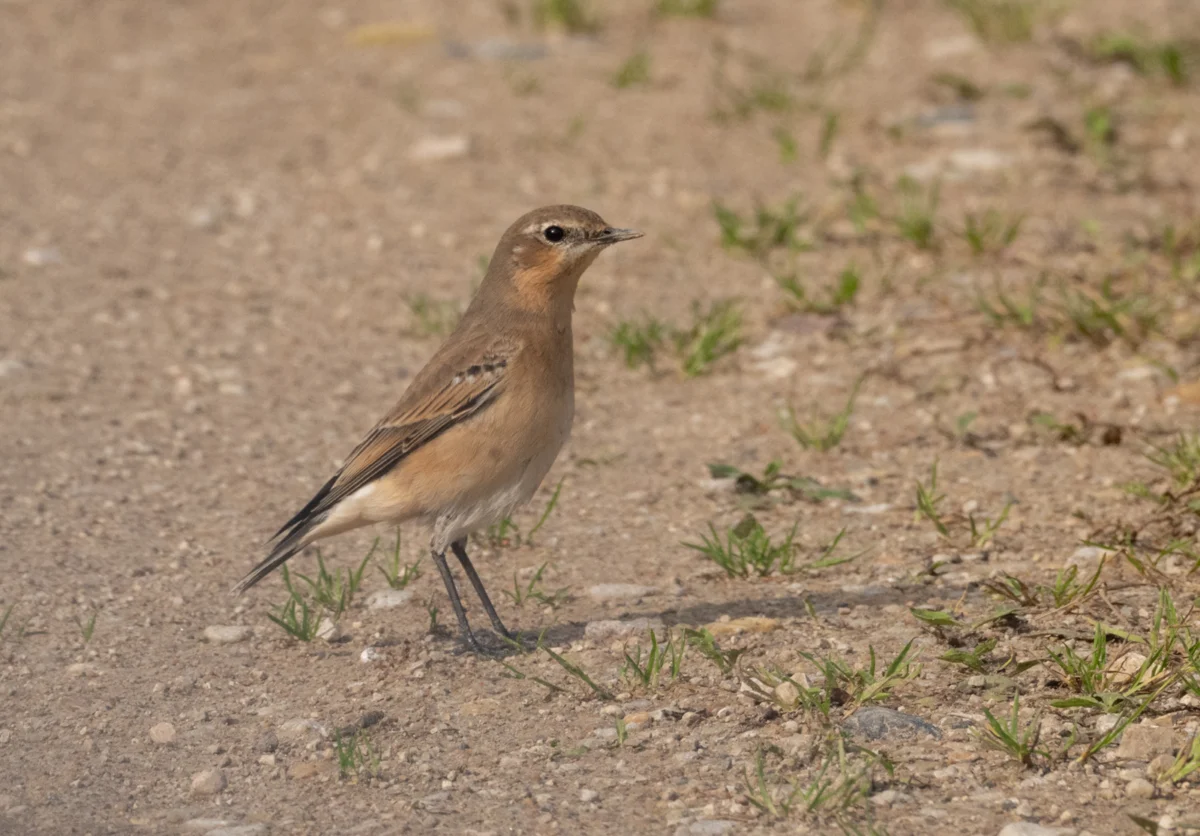
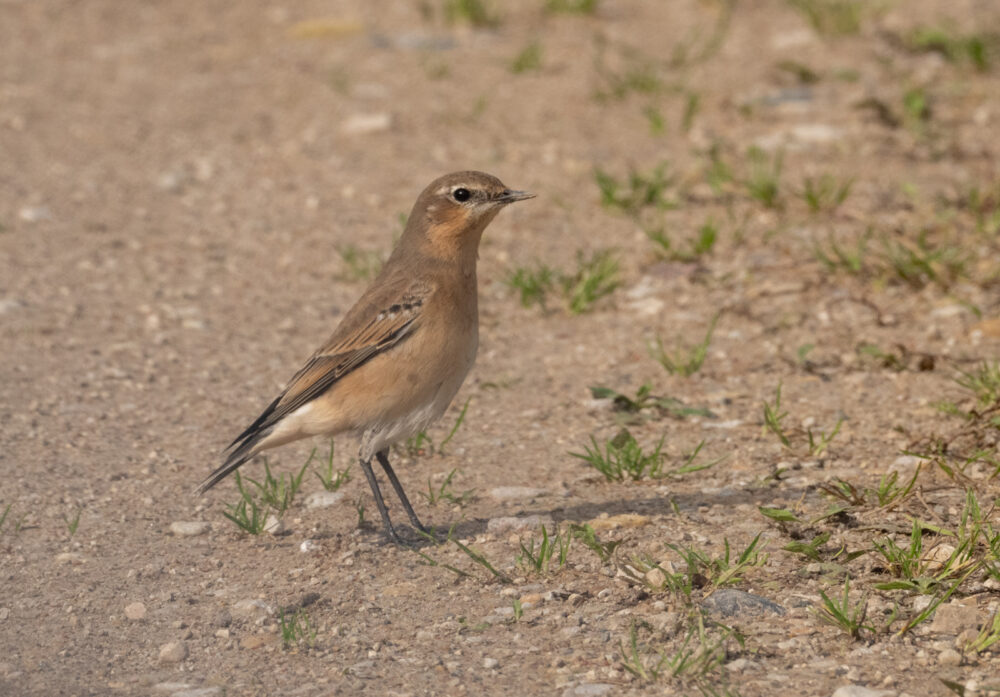
While the larger waterfowl capture the headlines, the small bird migration is equally dense. Northern wheatears (Oenanthe oenanthe) remain abundant along rural roads and drainage ditches, marking the landscape with their characteristic posture. Furthermore, flocks of European goldfinches (Carduelis carduelis)—often numbering in the dozens—have been observed in open fields, a positive sign for the species’ current breeding success.
Shorebirds and Waterfowl
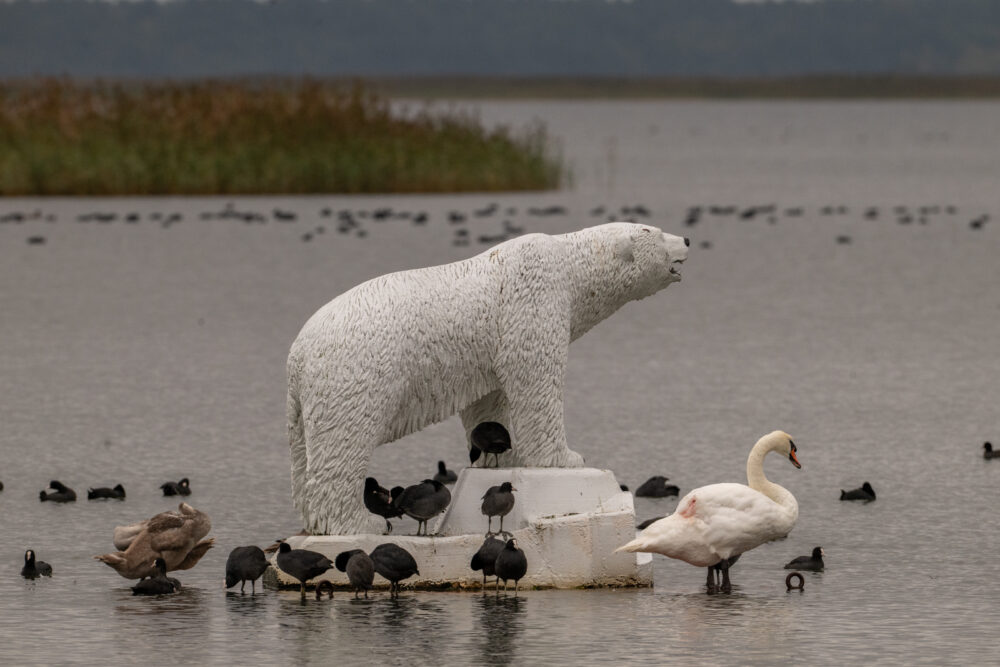
The variety of waders present on the mudflats is encouraging. Species that are often seen in lower numbers have appeared in greater frequency, likely drawn by the specific water levels and nutrient availability of the 2026 season. Meanwhile, ducks and various species of diving ducks are congregating in the sheltered bays in massive numbers. The Haapasalu promenade, for instance, hosted a gathering of approximately 700 Eurasian coots (Fulica atra) near the iconic Ice Bear statue, highlighting the density of birdlife even in urban-proximate coastal areas.
Official Responses and Conservation Infrastructure
The management of these staging areas relies on a combination of protected status and infrastructure designed for both research and public engagement. The Baltic region, and particularly Matsalu Bay, serves as a global benchmark for wetland management.
The Haeska bird tower remains the most famous observation point in Northern Europe, offering an unparalleled view of the migratory traffic. However, the commitment to conservation is ongoing. Recent developments include the casting of foundations for a new observation tower at Rannajõe, situated at the eastern end of the Matsalu Bay meadows. This expansion is essential, as it provides researchers with new vantage points to monitor population trends without disturbing the delicate balance of the feeding grounds.
Conservationists emphasize that while these birds are resilient, their reliance on specific "stopover" points makes them vulnerable to habitat degradation. The shift in agricultural practices mentioned earlier—such as the transition to different crop varieties—directly influences where and how long these birds stay. As a result, maintaining the integrity of these coastal meadows is not merely a regional priority but a critical component of international biodiversity preservation.
Implications: A Glimpse into the Future
As we look toward the remainder of autumn, the migratory focus will shift. By October, the landscape will be dominated by the arrival of tundra swans (Cygnus columbianus), whooper swans (Cygnus cygnus), and large, noisy flocks of barnacle geese (Branta leucopsis).
The patterns observed this year suggest a robust, albeit shifting, ecosystem. The resilience of the crane populations and the expansion of species like the great egret indicate that the Baltic flyway remains a high-functioning biological corridor. However, the reliance on these specific sites underscores the necessity of continuous monitoring.
For the birdwatcher, the message is clear: the peak is now. The transition from the late summer heat to the autumn chill brings a sense of urgency to the avian world—a reminder of the cyclical, relentless, and beautiful nature of life on the wing. As the sun sets and the flocks rise from the reeds, the sound of the cranes serves as a reminder that nature, in all its complexity, continues to follow a schedule far older than our own.
For those interested in supporting ongoing environmental journalism and the protection of these vital migratory habitats, consider subscribing to Suomen Luonto. Your support enables the continued documentation of these critical natural phenomena, ensuring that the stories of our changing wilderness are told with the depth and accuracy they deserve.