In late summer 2023, experienced thru-hiker and outdoor author Kate "Swept Away" Pickett and her partner embarked on an ambitious expedition across Iceland. Their journey was twofold: an exploratory trek around the remote Hornstrandir Peninsula, followed by a monumental north-to-south traverse of the country’s rugged interior. The expedition covered a combined distance of approximately 720 kilometers (448 miles), pushing the limits of human endurance and the capability of modern ultralight gear in one of the planet’s most volatile environments.
The Expedition: A Chronology of Extremes
The journey began in the Hornstrandir Peninsula, a desolate and uninhabited region in the Westfjords. Over the course of approximately 120 kilometers (75 miles), the pair navigated the jagged cliffs and coastal tundra that define Iceland’s most isolated wilderness. The weather in Hornstrandir provided a standard introduction to the Icelandic climate—a mix of temperate mid-teen Celsius (low 60s F) days and sharp, sudden storms that dropped temperatures to near-freezing.
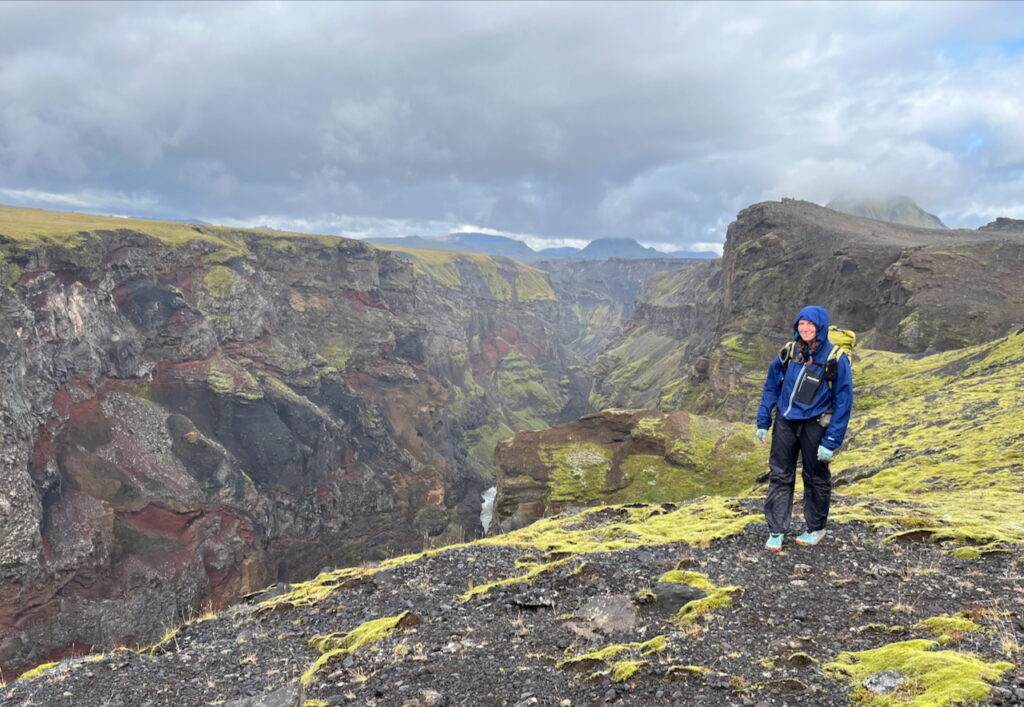
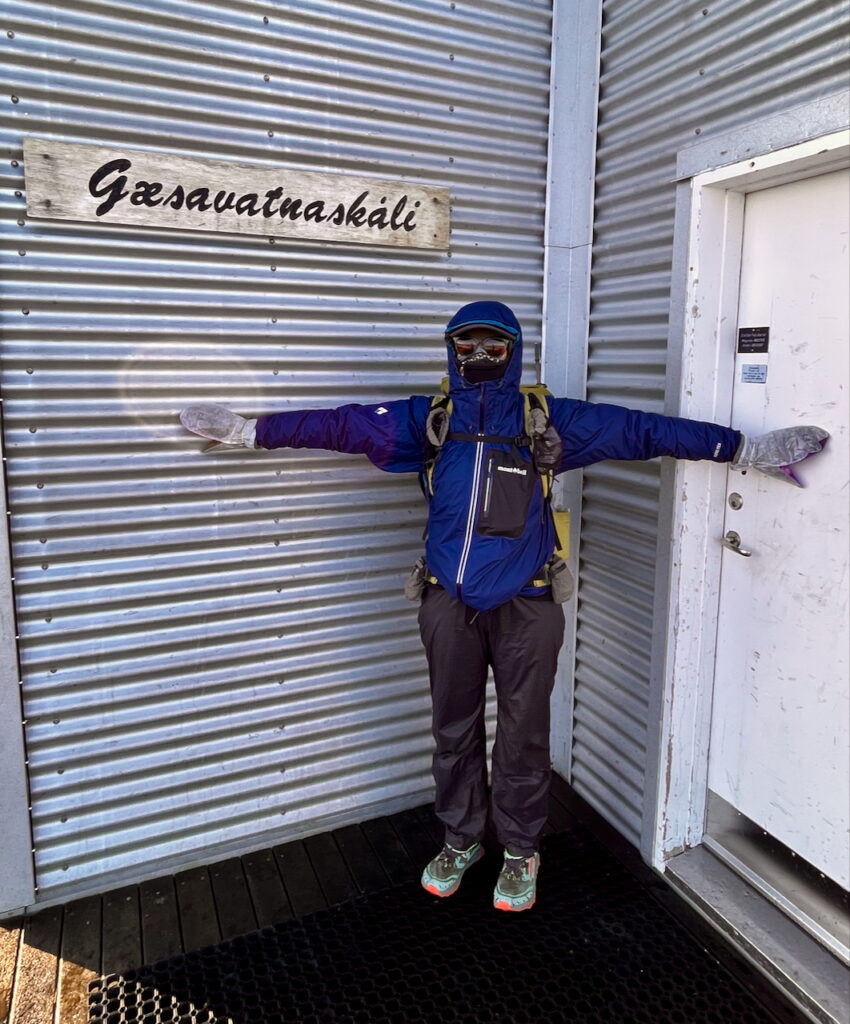
Following the coastal trek, the pair moved into the Central Highlands for the main event: the Iceland Traverse. Covering 600 kilometers (373 miles), this phase of the trip required meticulous logistics and a shift in physical and mental strategy. As they pushed into the heart of the volcanic deserts, the seasonal transition became aggressively apparent. By early September, the team faced a gauntlet of meteorological challenges, including sustained winds approaching 100 km/h (62 mph) and consistent precipitation in the form of both rain and heavy snow. The traverse was not merely a walk; it was a tactical negotiation with the elements.
Supporting Data: Gear Performance in Hostile Terrain
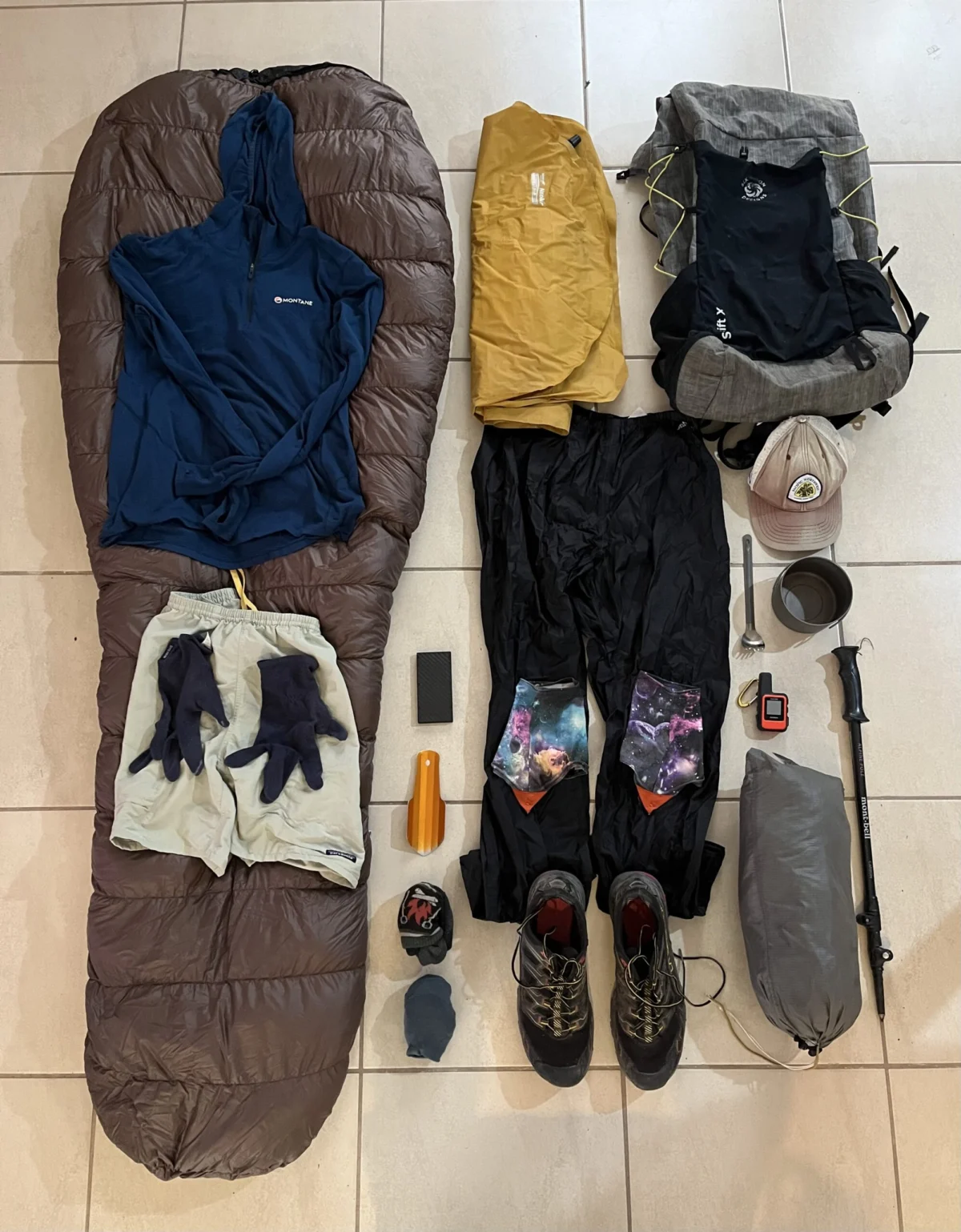
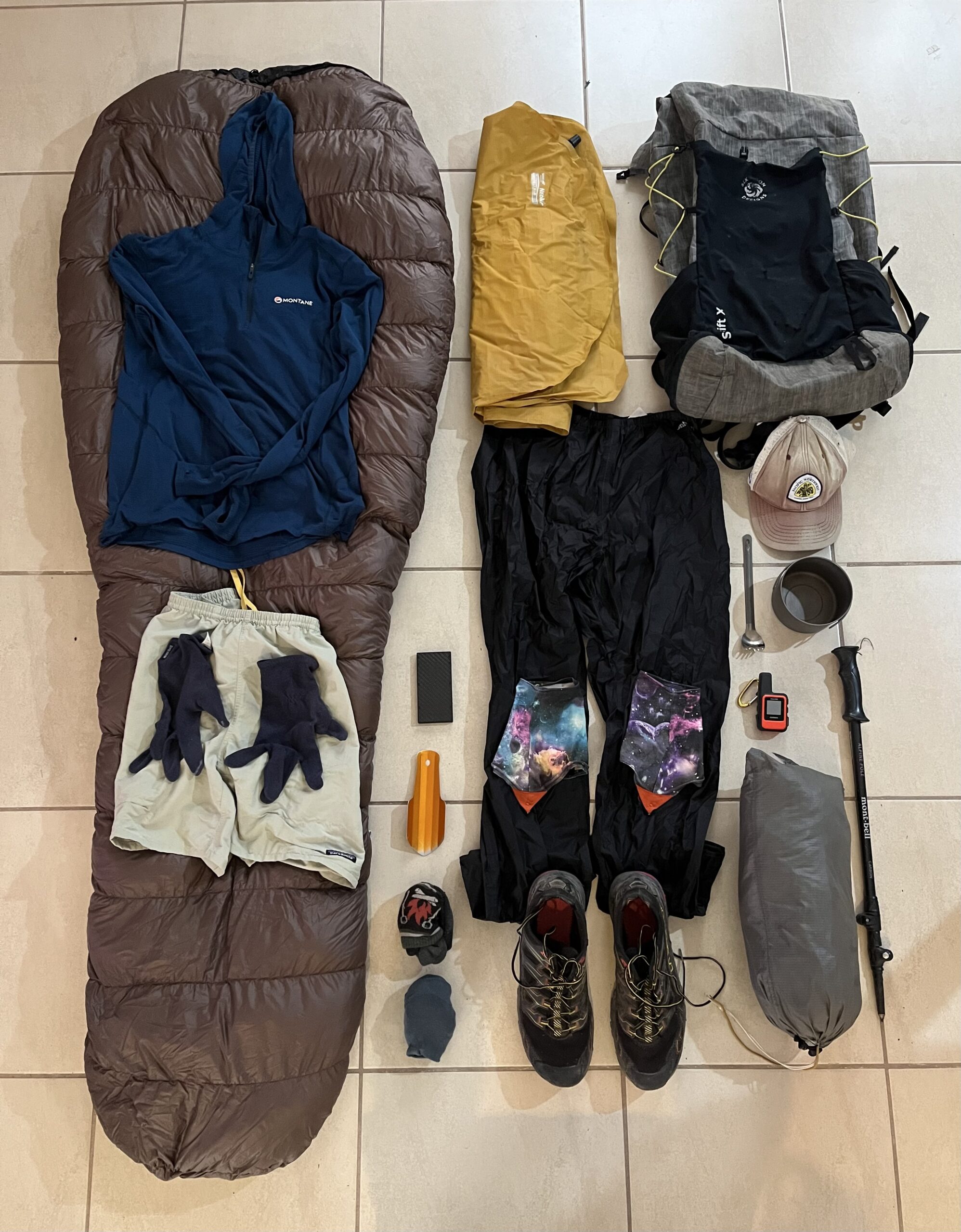
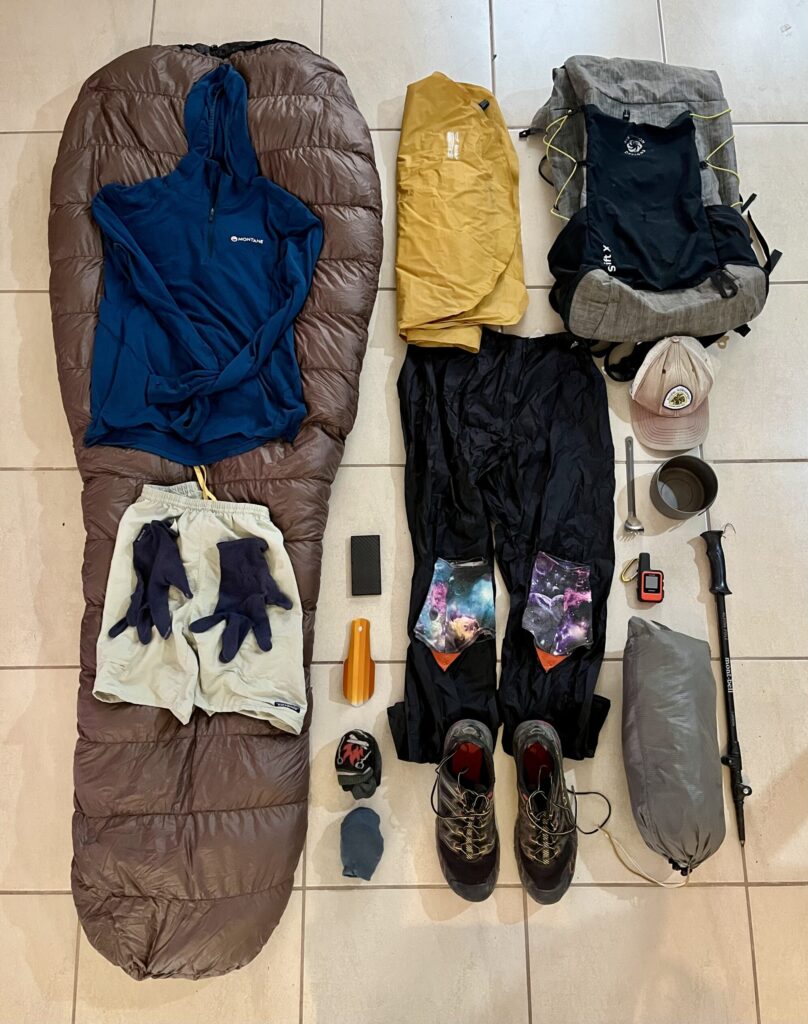
A defining aspect of this expedition was the deliberate approach to equipment. While the team often favors "ultralight" philosophies, this trek required a departure from the absolute lightest configurations. The author noted that his base weight—the total weight of his gear excluding food, water, and fuel—was roughly 13.1 lbs (5.7 kg), making it perhaps his heaviest setup this millennium.
Critical Equipment Breakdown
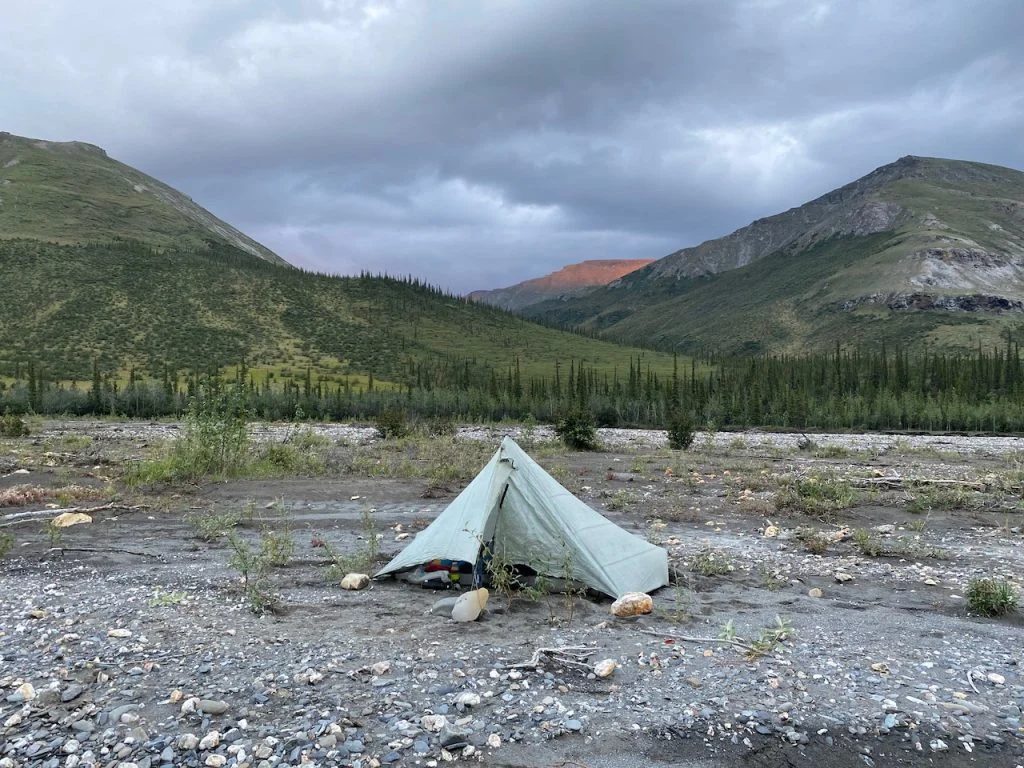
- Shelter: The team utilized a Tarptent Stratospire 2 (silpoly). Given the 50-80 km/h gusts encountered, the decision to use a "bombproof" shelter proved vital. The tent was subjected to storm-mode pitching, which required a masterclass in tensioning and stake selection (a mix of MSR Groundhogs and Easton "Nails").
- Sleeping Systems: To manage the extreme temperature fluctuations, the team opted for high-loft quilts. The author utilized a Katabatic Alsek 22°F (-9°C) quilt, while his partner opted for the warmer Katabatic Flex 15°F, highlighting the importance of personalizing thermal insulation based on individual metabolic needs.
- Backpack: The Six Moon Designs Swift X was chosen for its internal frame, which was necessary to manage the heavy load of an eight-day food carry and the necessity of hauling up to four liters of water across the waterless volcanic stretches of the interior.
- Footwear: La Sportiva Akashas were the primary footwear. Despite the abrasive volcanic grit and constant moisture, these trail runners held up for the duration of the 720 km trek, demonstrating the viability of lightweight, breathable footwear even in sub-arctic conditions.
Field Observations and Strategic Insights
The expedition provided several critical takeaways for long-distance hikers planning to traverse Iceland. The most prominent observation was the necessity of "bombproof" infrastructure.
Shelter Strategy
The author emphasized that many hikers underestimate the power of the wind in the volcanic deserts of the interior. Without natural windbreaks like trees or topography, the wind gains an uninterrupted, kinetic force that can shred lightweight tents. The recommendation for future travelers is three-fold:
- Prioritize Structural Integrity: Do not skimp on shelter quality.
- Diligent Site Selection: Never settle for a marginal campsite when high winds are forecasted.
- Hut Integration: Incorporate the location of backcountry huts into the route. There are weather windows where safety dictates being indoors, regardless of how well-pitched a tent may be.
Logistics and Sustainability
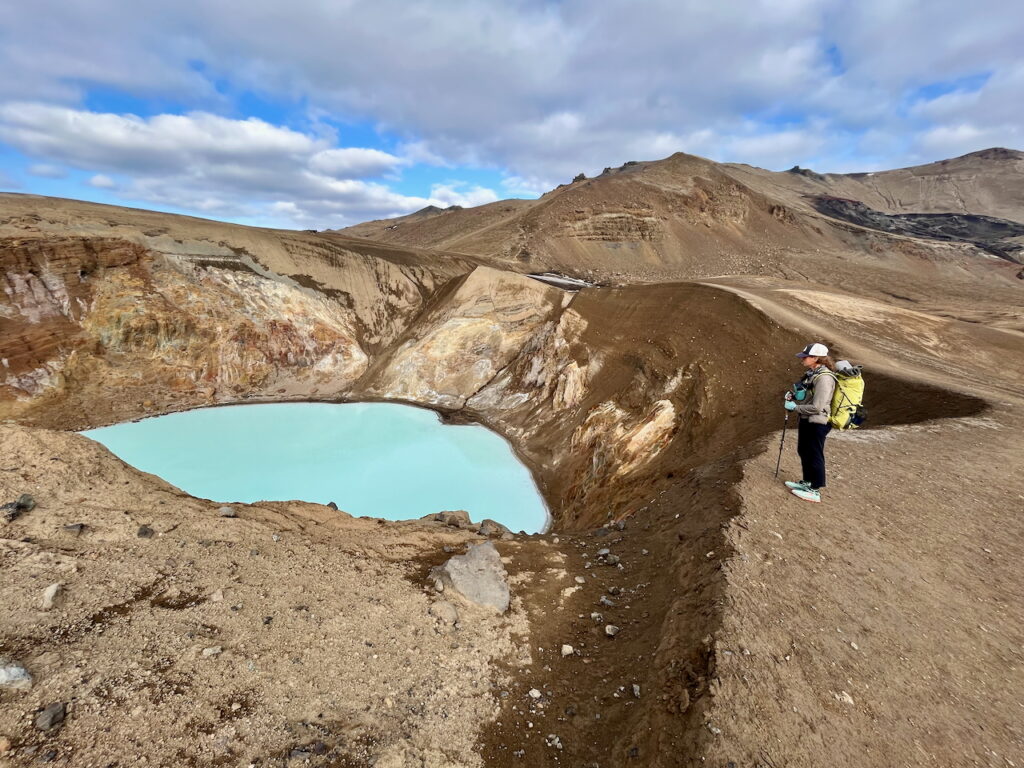
Navigating the interior required careful fuel management. Because the trek crossed vast, remote areas, the team utilized the Ferðafélag Íslands (Iceland Touring Association) network, working with staff to forward fuel canisters to the remote ranger station at Dreki, near the Askja caldera. This level of cooperation with local authorities is a prerequisite for any traverse of this magnitude.
Implications for Future Adventurers
The success of the 2023 traverse underscores a shift in how long-distance trekkers approach high-latitude environments. The reliance on digital tools, such as advanced weather tracking apps and satellite messengers (specifically the Garmin inReach Mini), has changed the safety profile of these expeditions. However, technology does not negate the physical reality of the environment.
The "Total Weight" calculation of 16 lbs (7.3 kg)—including essentials like food and fuel—is a testament to the efficiency of modern gear, yet the author’s willingness to carry "overkill" equipment suggests that for Icelandic terrain, durability and safety margins are more important than shaving ounces. The use of a microfiber towel for hot springs and the reliance on electrolyte management further illustrate that the "Hiking Life" philosophy remains grounded in comfort and health, even when the terrain is actively trying to deter the traveler.
Official and Local Perspectives
The Iceland Touring Association (Ferðafélag Íslands) and local ranger stations remain the backbone of the trail network in Iceland. By adhering to established routes and leveraging the hut system, the team was able to navigate the Highland deserts safely. Their experience serves as a case study in how to interact with the delicate Icelandic landscape: by being self-sufficient, respecting the volatile weather patterns, and utilizing local resources for resupply rather than attempting to conquer the land through raw, unsupported force.
Conclusion
The 2023 Iceland traverse by Kate Pickett and her partner serves as a blueprint for modern adventure. It highlights that even in an era of ultralight gear, the environment remains the final arbiter of success. By blending high-performance, durable equipment with careful, research-backed planning, the team successfully crossed one of the most unforgiving landscapes in the Northern Hemisphere. For those looking to follow in their footsteps, the primary takeaway is clear: the wilderness does not compromise, and therefore, the hiker must be prepared to prioritize safety and structural reliability above all else.
As the climate continues to shift and travel to remote regions becomes increasingly popular, the documentation of these journeys provides an invaluable resource for the global hiking community, ensuring that the next generation of explorers can appreciate the fire and ice of Iceland with both wonder and wisdom.