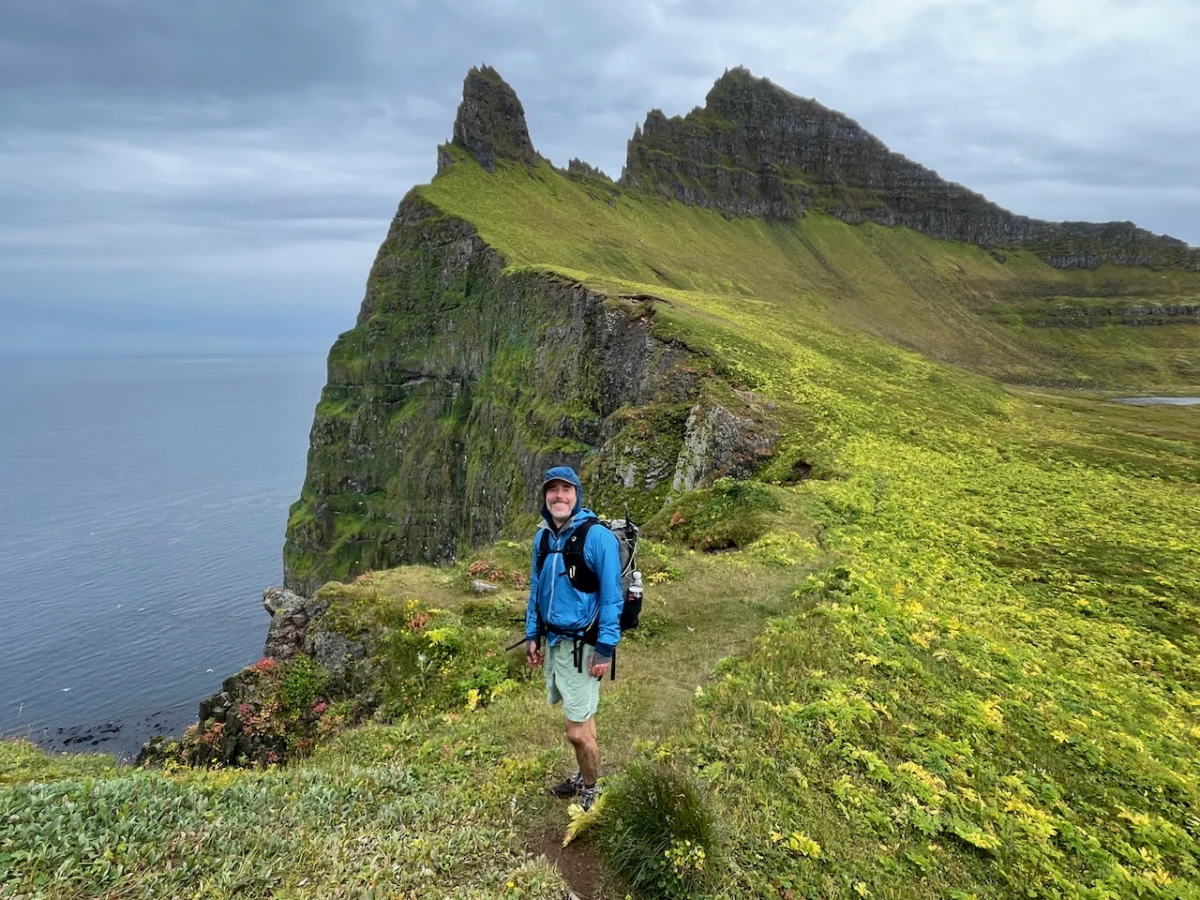
In the far northwestern reaches of Iceland, beyond the reach of paved roads and the hum of modern industry, lies the Hornstrandir Peninsula. As the country’s most remote wilderness region, it remains a bastion of primeval nature—a place where the land is sculpted by the raw power of the North Atlantic and the enduring persistence of Arctic flora. Accessible only by boat during the fleeting summer months, Hornstrandir offers a rare glimpse into a landscape that has been largely reclaimed by the wild.
Main Facts: The Nature of the Peninsula
Hornstrandir is not merely a hiking destination; it is a profound testament to the shifting relationship between humanity and the environment. Since the final permanent residents departed in the 1950s, the peninsula has transitioned into a protected nature reserve, officially designated in 1975. This abandonment was not a sudden event, but a slow exodus driven by the collapse of the salt-fish market in the 1930s and the shuttering of the herring station at Hesteyri in the 1940s.
Today, the region is defined by:
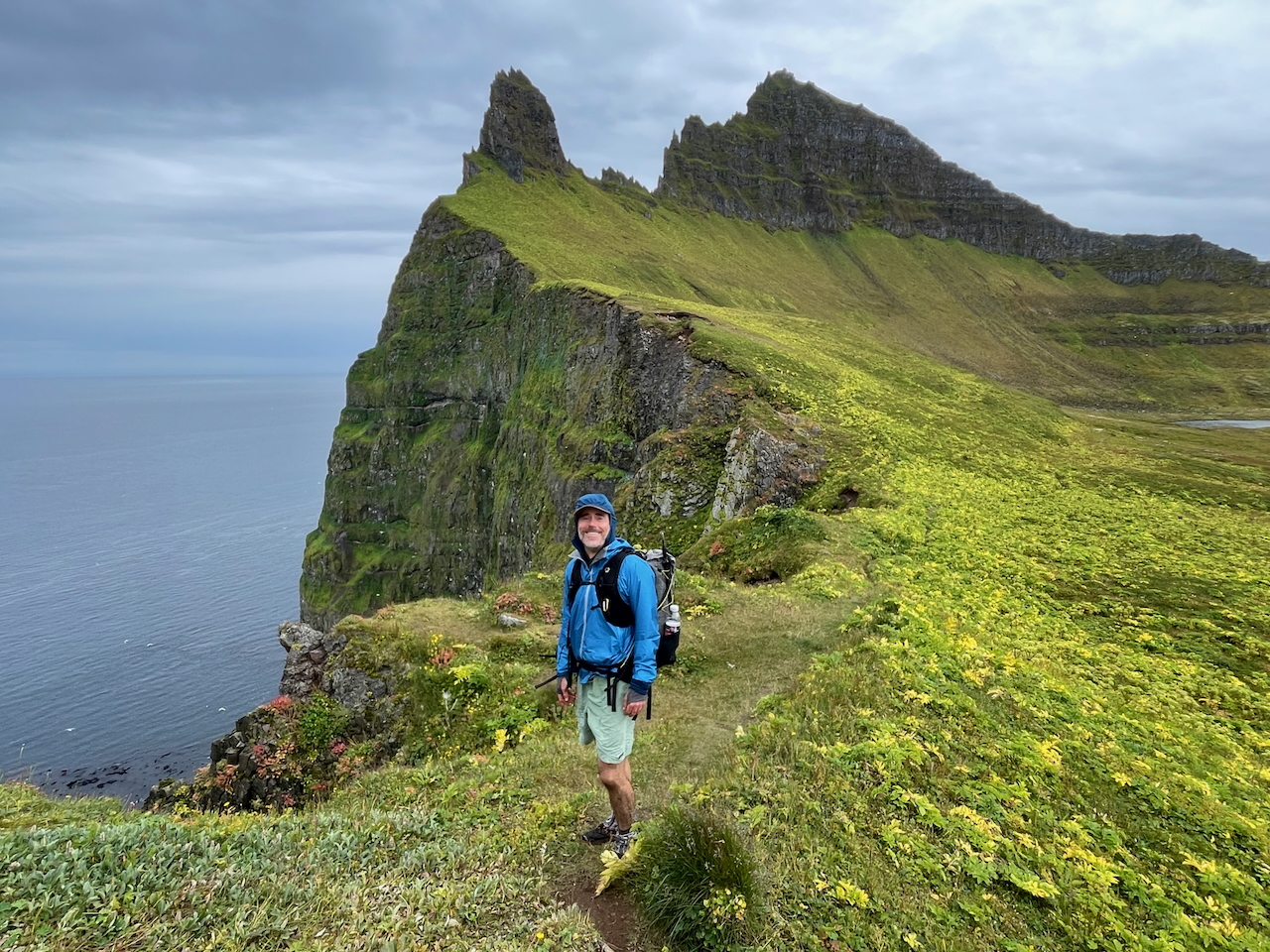
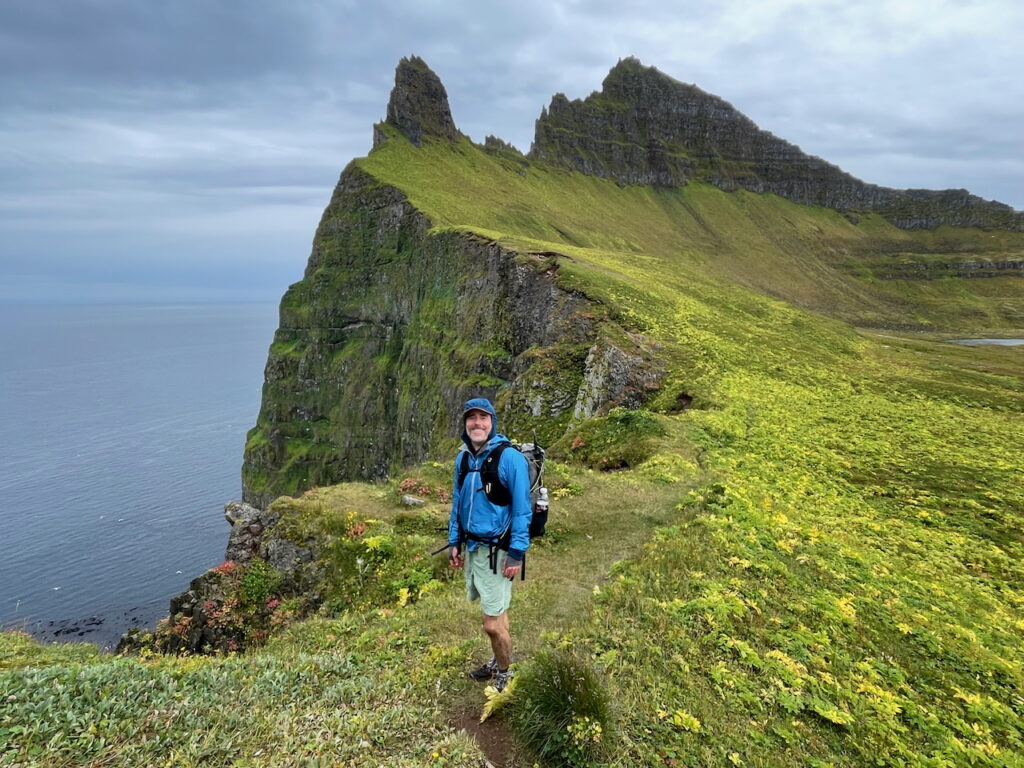
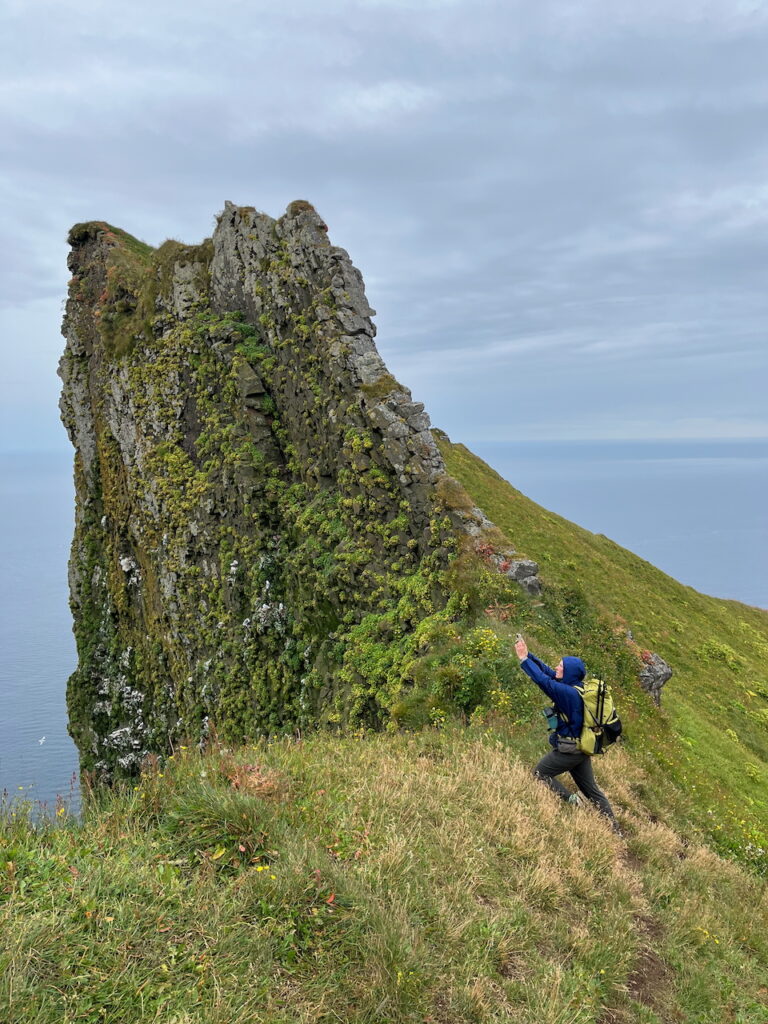
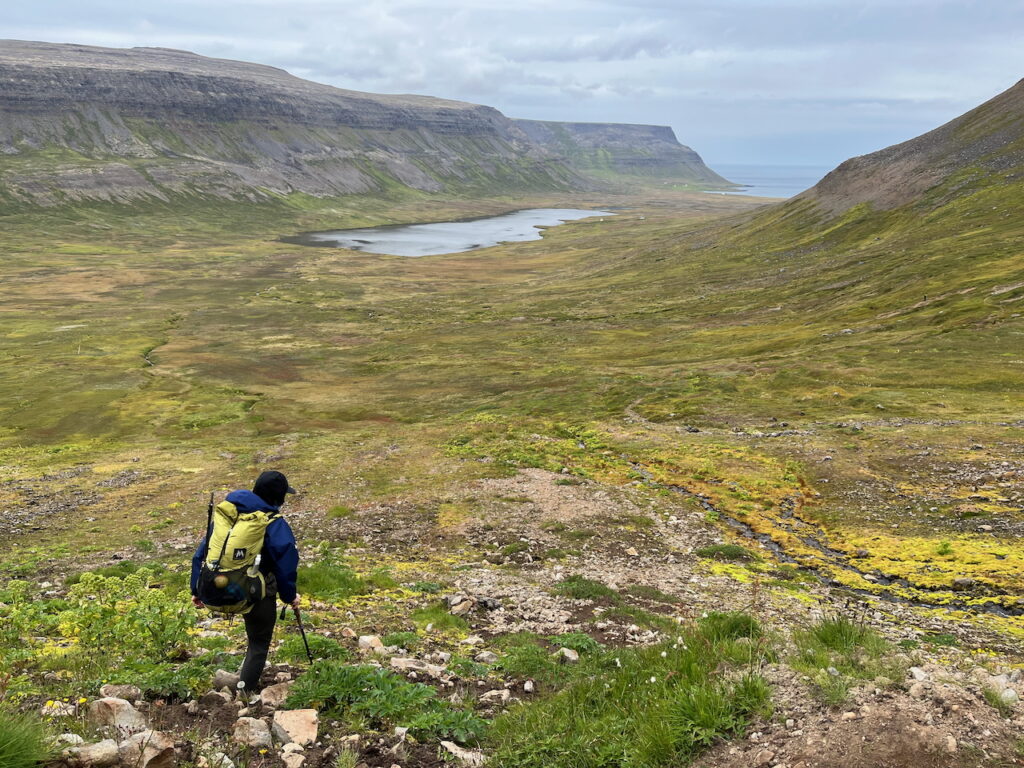
- Topography: A rugged terrain characterized by dramatic, sheer sea cliffs—some reaching heights of over 500 meters—lonely, windswept peaks, and expansive, pristine tundra.
- Biological Diversity: With no livestock grazing for over half a century, the peninsula has experienced a botanical resurgence. Over 260 species of vascular plants thrive here, including Arctic lupine, angelica, and various mountain berries.
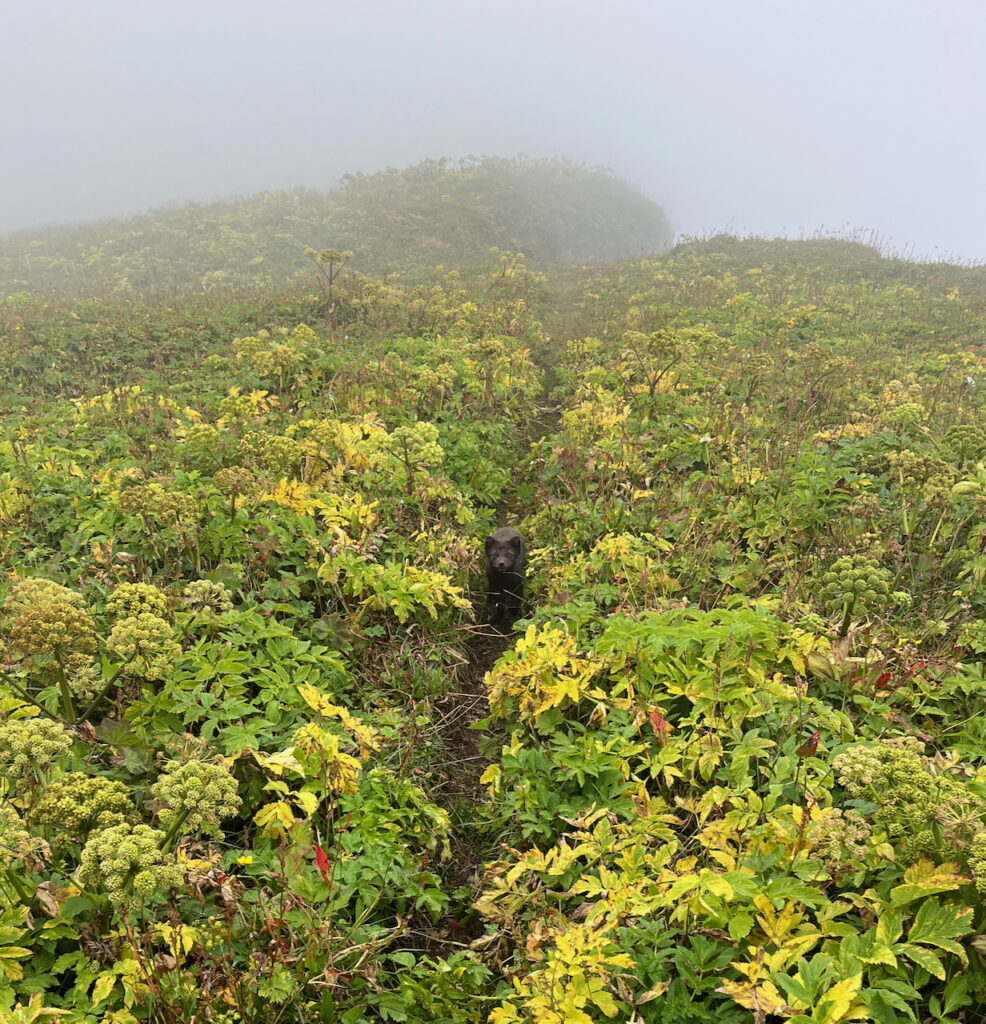
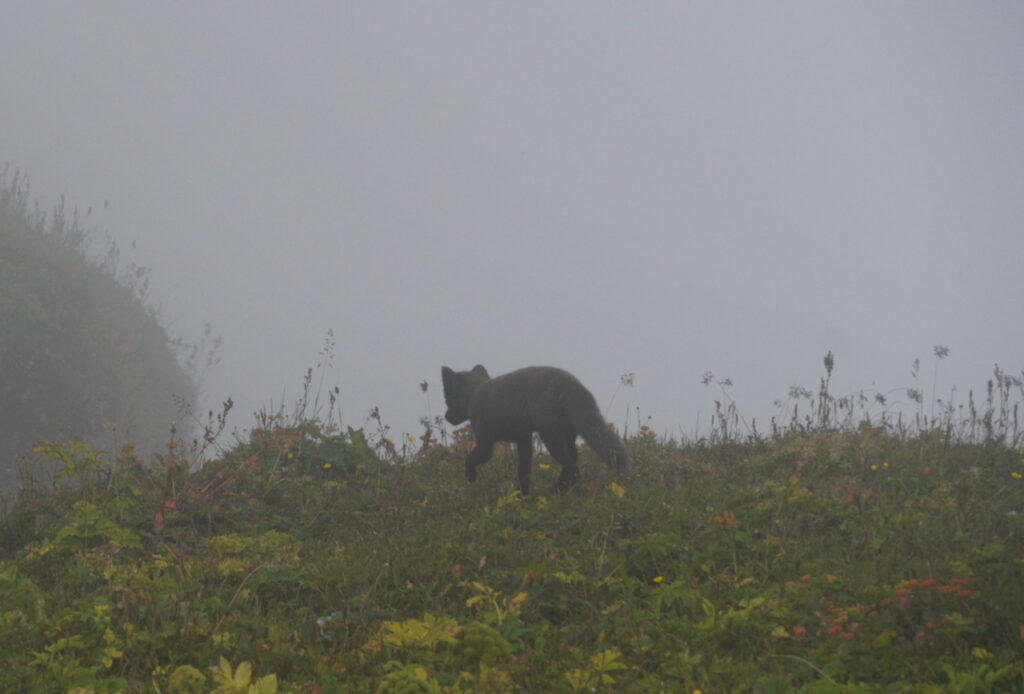
- Wildlife: The area serves as a critical sanctuary for seabirds, including puffins, guillemots, razorbills, and kittiwakes. Furthermore, it is the primary stronghold for Iceland’s only native land mammal: the Arctic fox.
A Six-Day Odyssey: A Chronology of the Traverse
A journey through Hornstrandir requires meticulous preparation, as the terrain is unforgiving and the weather notoriously volatile. The following account documents a six-day, 120-kilometer (75-mile) expedition, starting and finishing at the historic site of Hesteyri.
Days 1-2: The Gateway to the Void
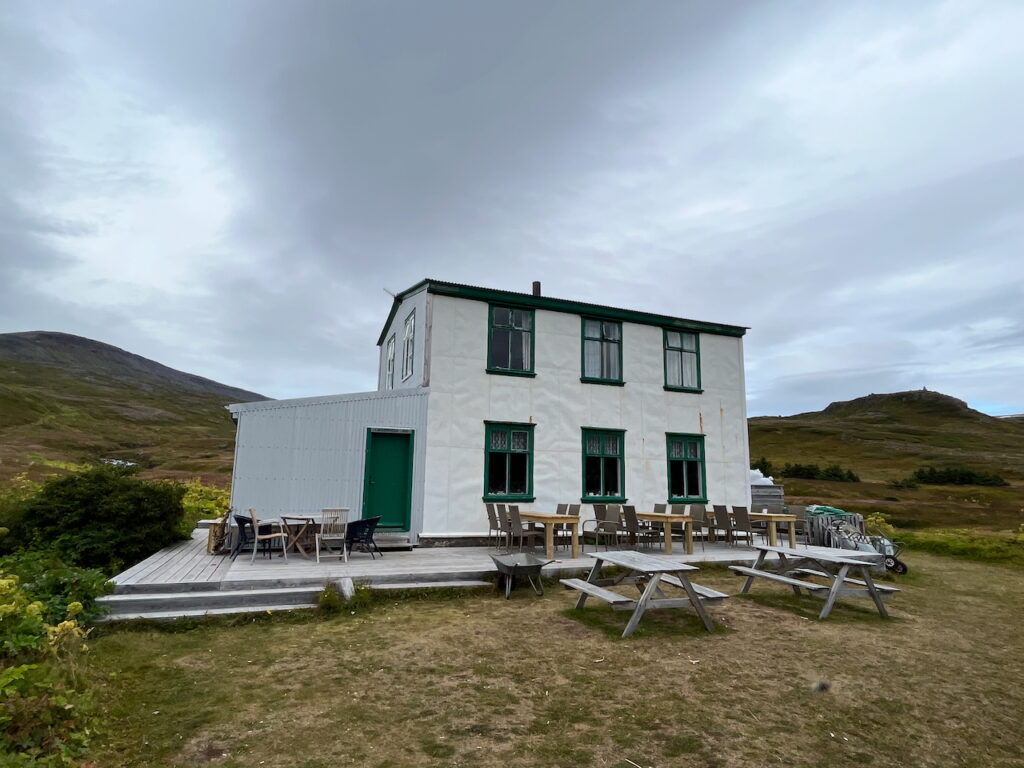
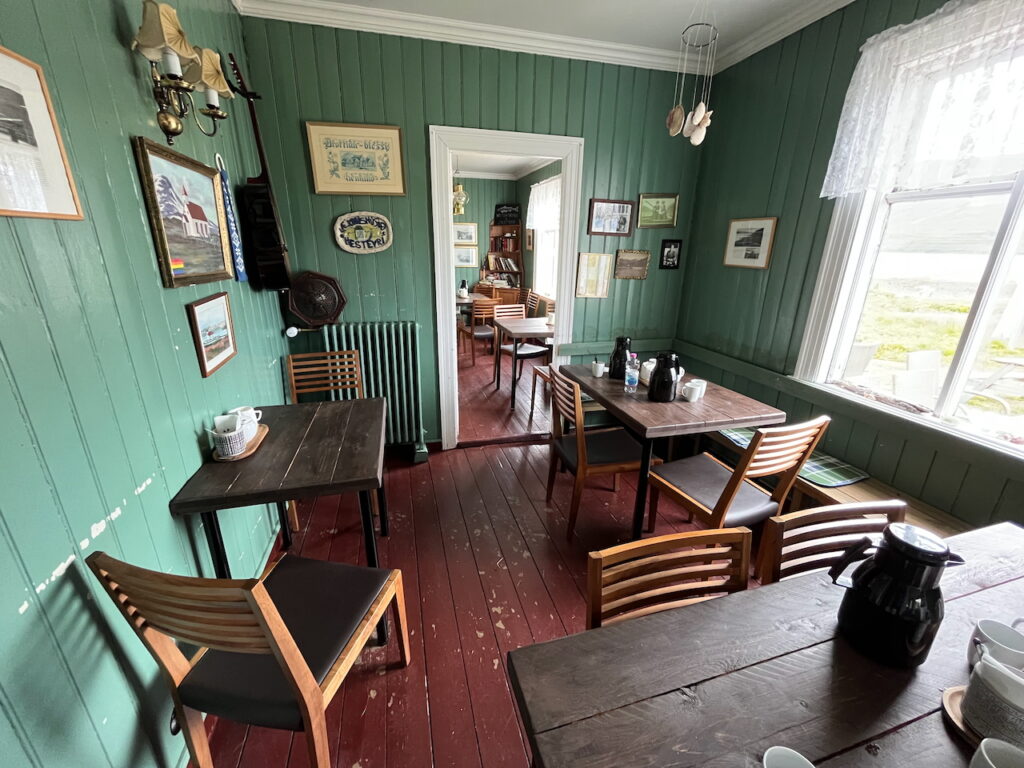
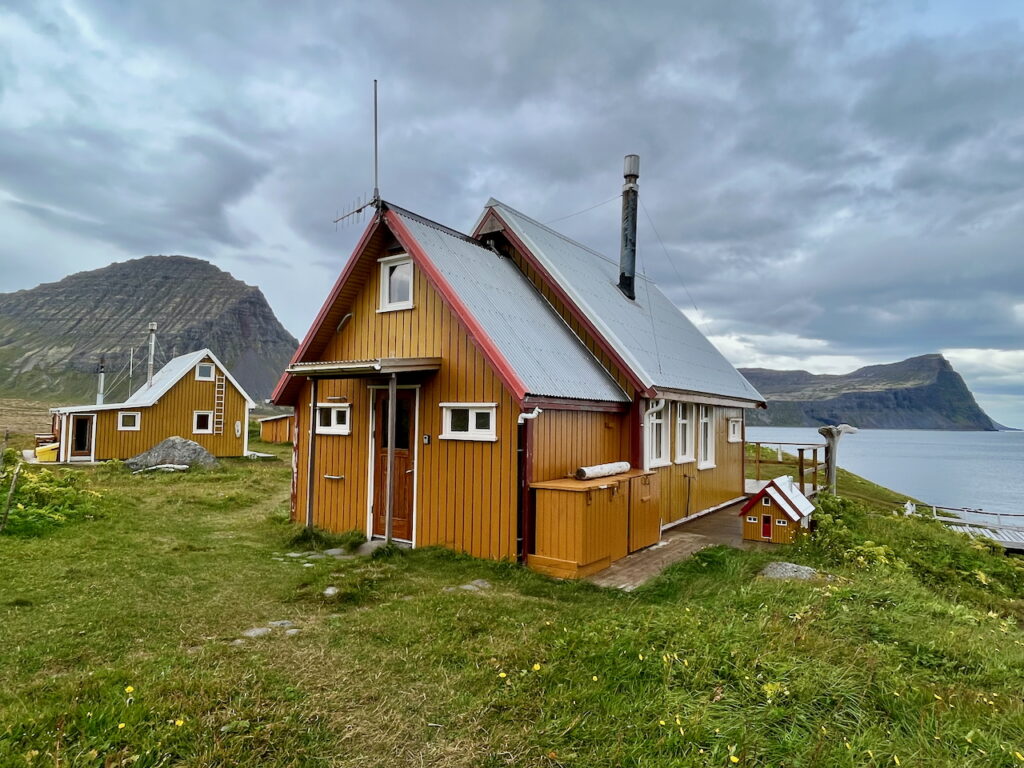
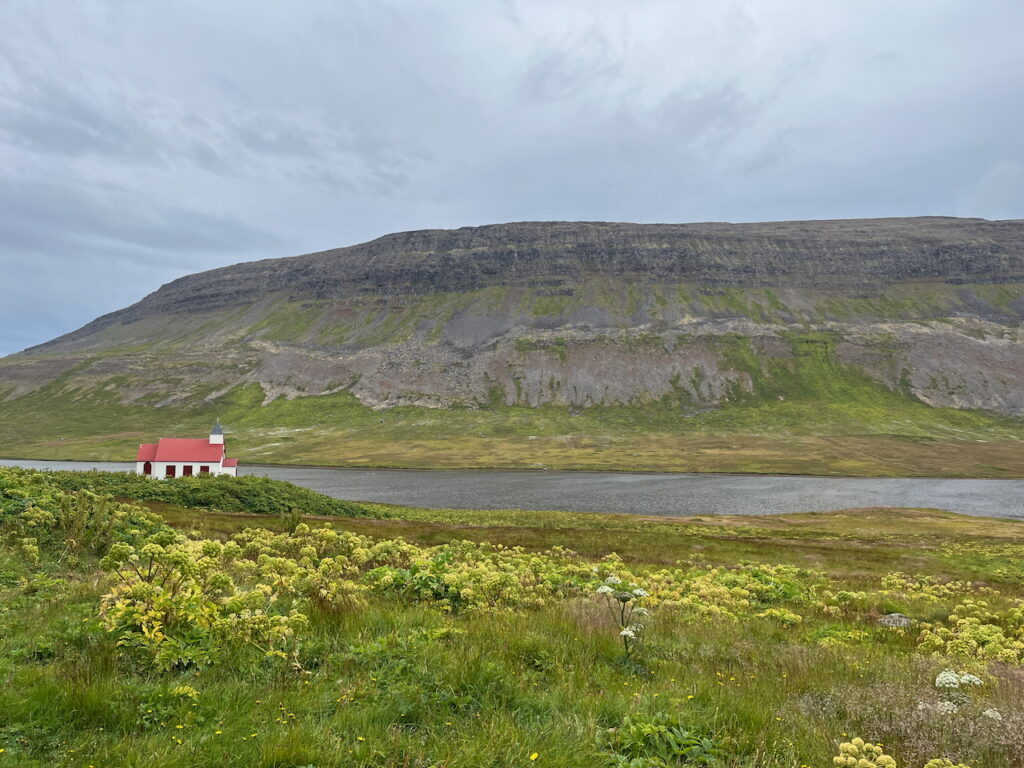
The trek commences at Hesteyri, home to the century-old "Old Doctor’s House." This structure serves as both a cultural anchor and a vital refuge for hikers seeking shelter from the peninsula’s frequent storms. From here, the route winds through the Hesteyrarfjordur area, descending toward the tranquil waters of Staðarvatn Lake. The landscape is dotted with remnants of a bygone era, including abandoned machinery and the occasional red-roofed cottage—many of which are maintained by the descendants of original inhabitants as seasonal holiday homes.
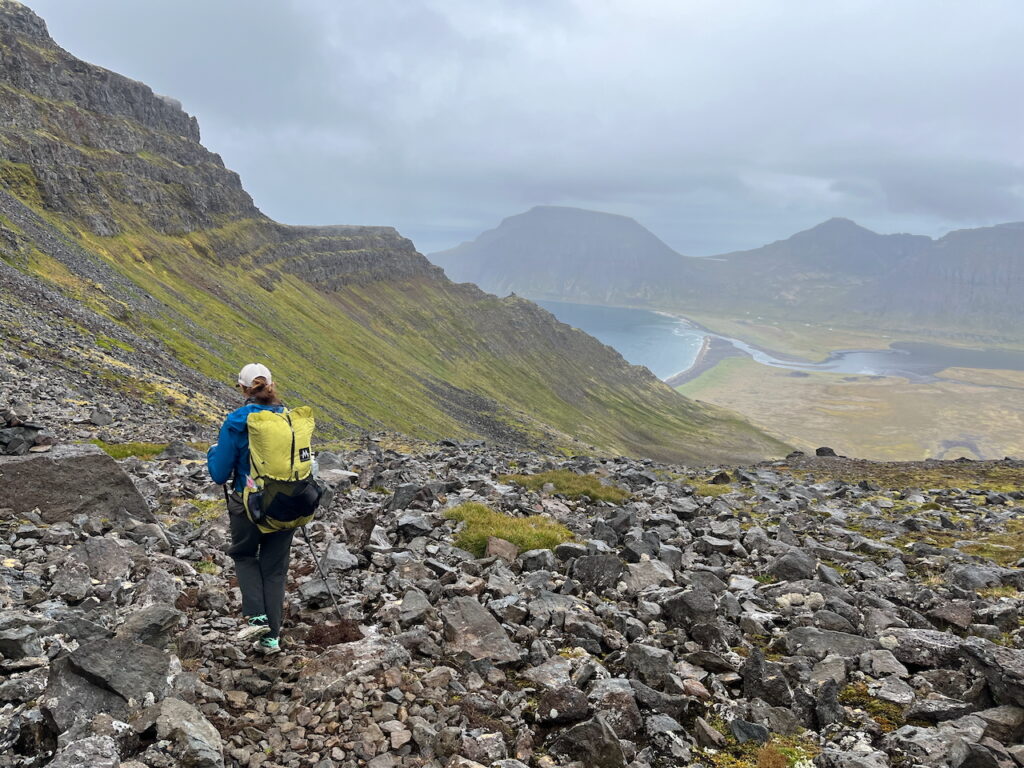
Navigating the transition from the low-lying fjords to the rocky plateaus requires agility, as the path often involves steep, technical sections. On the second day, the journey reaches the Almenningaskara Pass, offering panoramic views of the tarn-dotted interior before dropping into the isolation of Fljótavík Bay.
Days 3-4: The Heart of the Seabird Empire
The mid-point of the expedition brings hikers to the black sands of Hornsvik. Here, the proximity to the coastline becomes a sensory experience; the air is filled with the collective calls of thousands of nesting birds. The ascent toward the Hornbjarg sea cliffs is arguably the most breathtaking portion of the hike. Standing at the edge of these massive precipices, one can look down upon the narrow shelves where guillemots and fulmars raise their young. It is in this remote section that interactions with the local Arctic fox population are most frequent, as the foxes are often curious, unbothered by the presence of respectful human visitors.
Days 5-6: The Return to Civilization
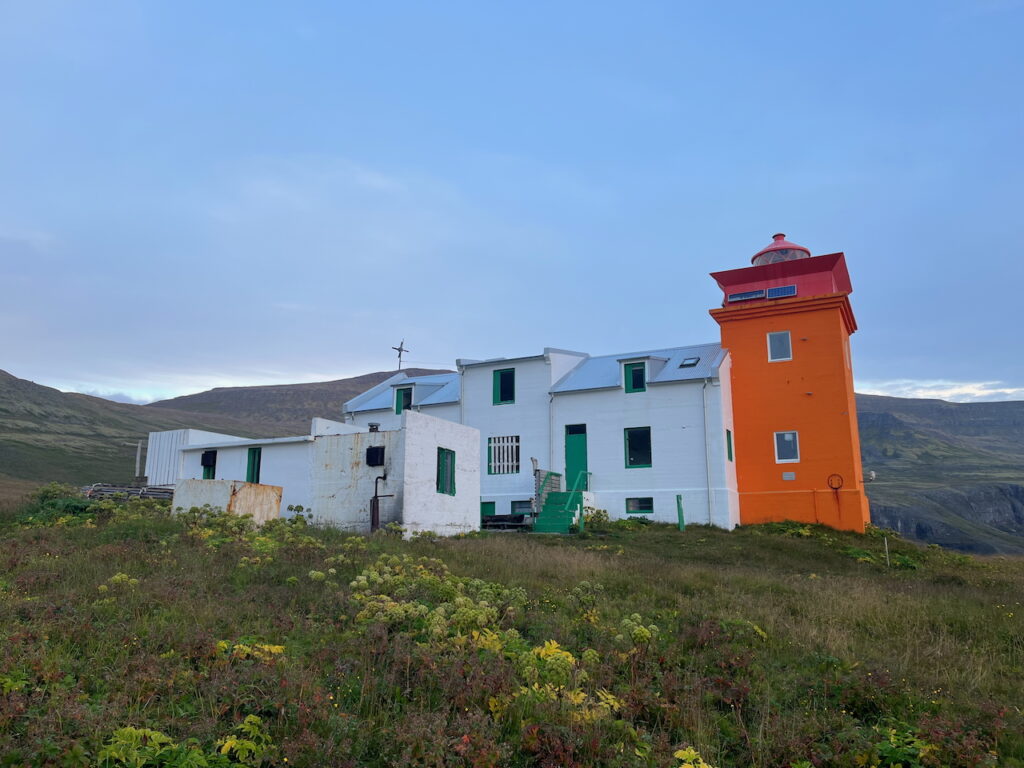
The final stretch takes travelers past the Hornbjargsviti Lighthouse, a beacon of human history amidst the vastness. Navigating through the Hafnarskarð Pass requires steady footing, especially when the characteristic Icelandic fog descends, reducing visibility to mere meters. As the trail leads back toward Hesteyri, the landscape softens, eventually giving way to the sight of the Hesteyri dock. The journey concludes with the traditional reward for those who finish the trek: crepes and warm refreshments at the Old Doctor’s House, followed by a boat ride that often includes sightings of humpback whales in the surrounding waters.
Supporting Data: Technical Logistics
For those considering this expedition, understanding the physical requirements is paramount. The following metrics provide a baseline for the challenge:
- Distance: Approximately 120 km (75 mi), accounting for essential side trips to viewpoints and nesting sites.
- Total Elevation Gain: 4,271 meters (14,012 ft).
- Difficulty: Rated as "Moderate," though the rating is deceptive. The technical nature of the terrain, combined with the potential for sudden, severe weather, necessitates a high level of backcountry experience.
- Seasonality: The region is generally only accessible from mid-June through the end of August. Attempting to traverse the area outside of this window is dangerous and often impossible due to sea ice and logistical constraints.
The Cultural and Ecological Implications
The preservation of Hornstrandir raises significant questions about the role of wilderness in modern society. By removing human industry, the Icelandic government has allowed the ecosystem to reset. However, the presence of "summer homes" and the small-scale tourism industry creates a delicate balance.
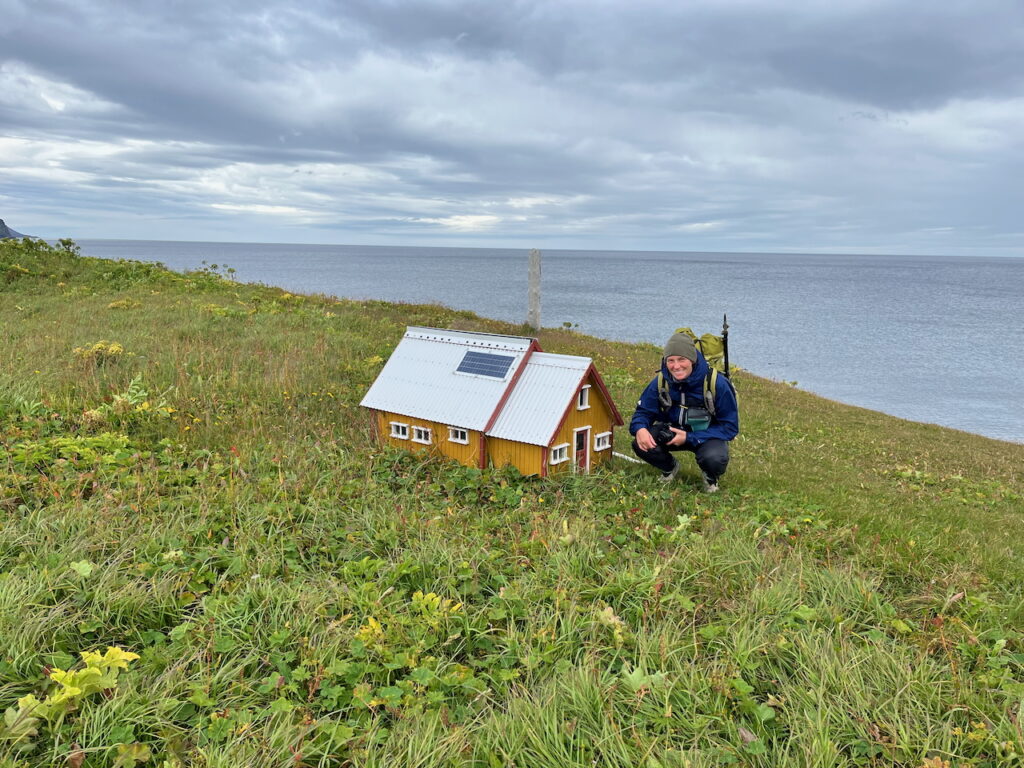
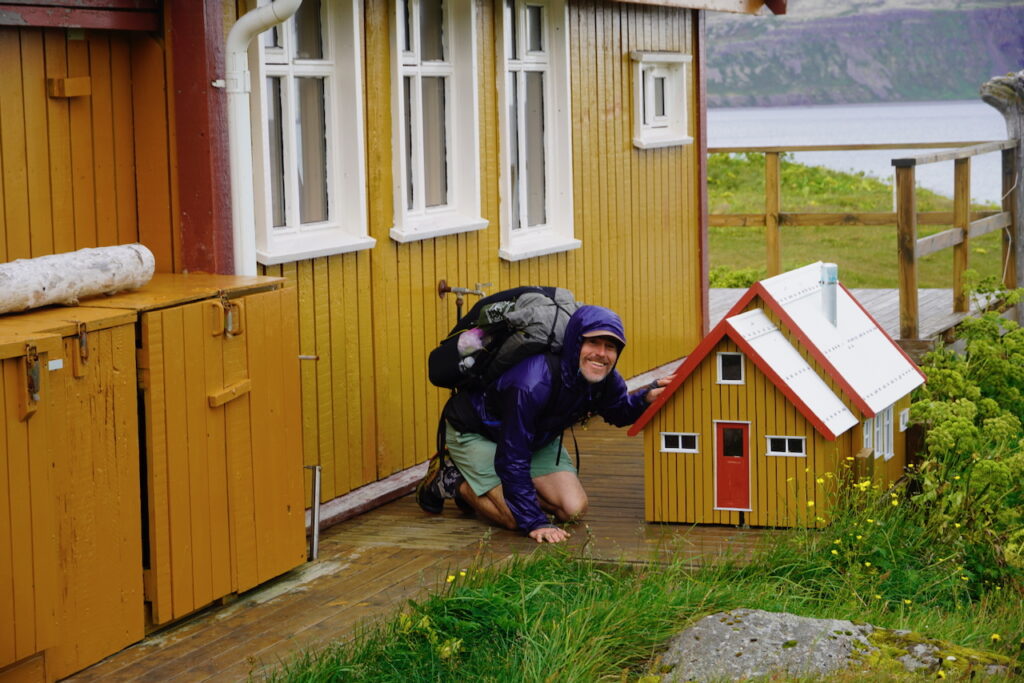
The "Huldufólk" (hidden people) folklore, evidenced by small, decorative structures built alongside human cottages, speaks to a deeply rooted respect for the landscape. These cultural artifacts, while playful, symbolize a broader Icelandic philosophy: that the land is not merely a resource to be extracted, but a living entity that commands reverence.
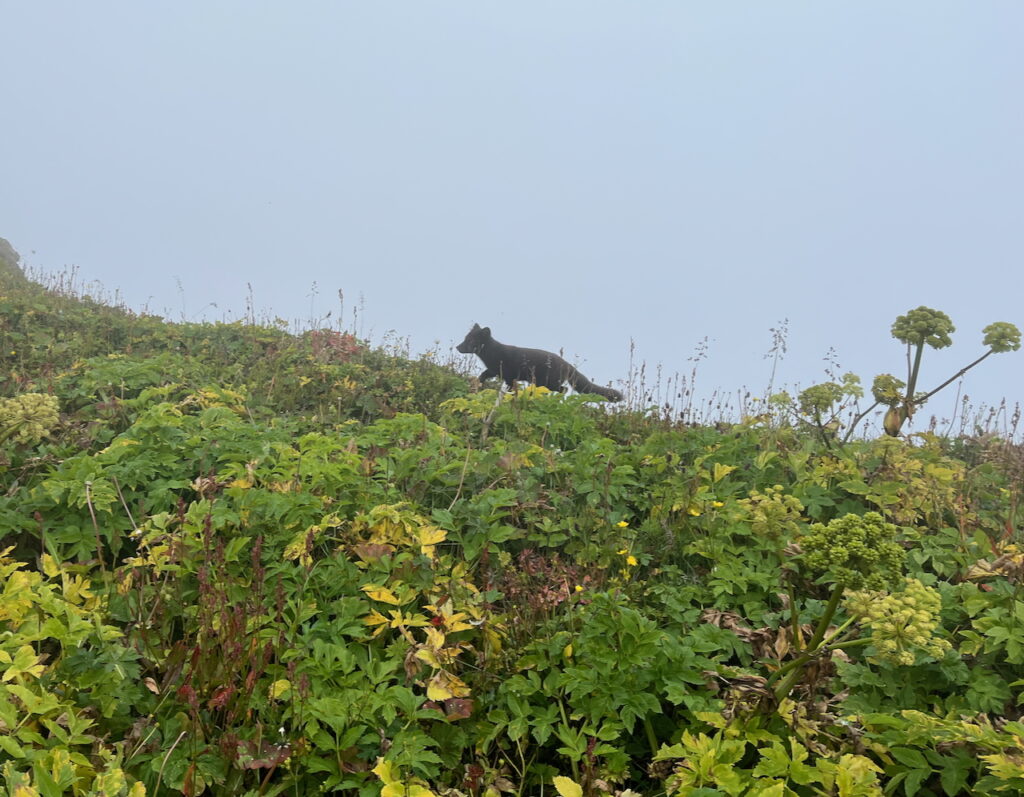
Furthermore, the stability of the Arctic fox population here is a vital indicator of the health of the North Atlantic marine ecosystem. Because these animals rely on the sea for a portion of their food source, the monitoring of their numbers provides researchers with data that extends far beyond the borders of the peninsula itself.
Professional Insights: Safety and Preparation
The unpredictability of Hornstrandir’s weather is the primary safety concern for any visitor. Even in mid-summer, temperatures can plummet, and gale-force winds can render standard tents inadequate.
Professional guides and seasoned hikers emphasize the importance of high-quality gear. The shift toward more robust, aerodynamic shelters—such as the Tarptent Stratospire 2—reflects the necessity of having equipment that can withstand sustained high-velocity winds. Furthermore, navigation in the fog is a non-negotiable skill; hikers should carry both physical maps and GPS devices, as the lack of marked trails in certain sectors can lead to disorientation.
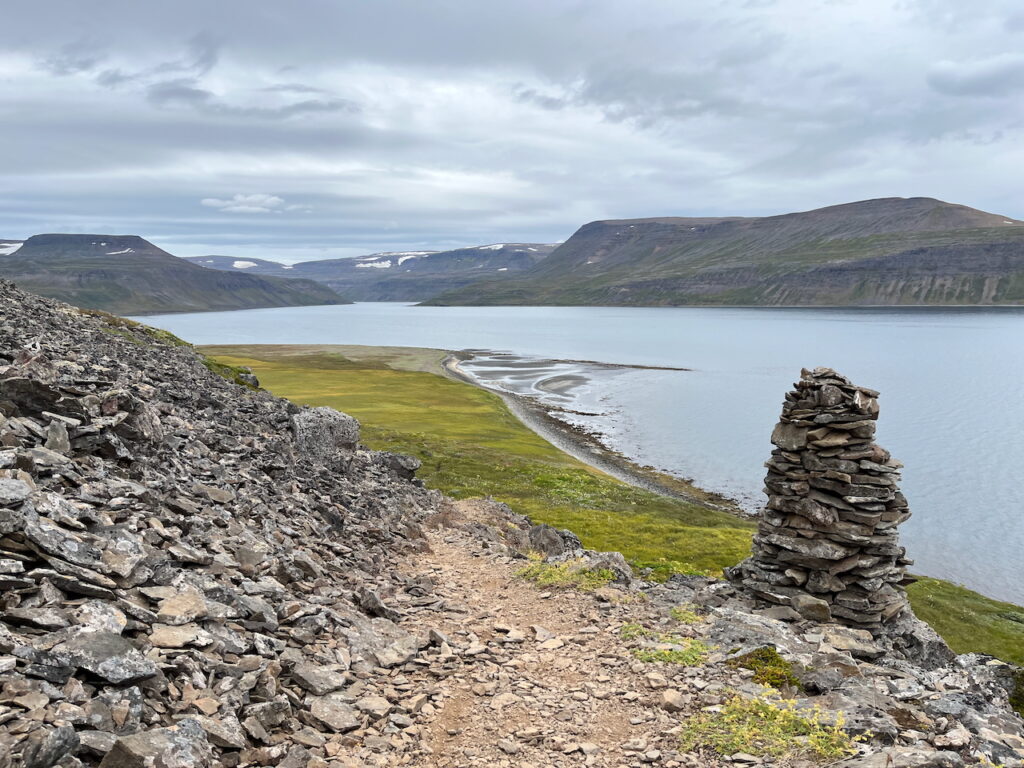
The "Leave No Trace" philosophy is not just a suggestion here; it is an imperative. The slow-growing tundra vegetation is incredibly fragile, and human impact, if left unchecked, could take decades to recover.
Conclusion: Why We Return
Hornstrandir remains one of the few places on Earth where one can walk for days without seeing the evidence of the modern world. It is a landscape that demands humility. Whether it is the visual spectacle of a nesting colony of kittiwakes, the quiet dignity of an abandoned farmhouse, or the sudden, fleeting encounter with an Arctic fox in the mist, the peninsula offers something that is increasingly rare: absolute, unfiltered silence.
For the traveler who respects its limits and prepares for its challenges, Hornstrandir is not just a destination—it is a reminder of what the world looks like when the wild is allowed to endure. As the boat pulls away from the Hesteyri dock, the receding coastline serves as a silent promise: the peninsula will remain, waiting for the next season, the next storm, and the next traveler brave enough to seek it out.