In the quiet solitude of the wilderness, the most profound dangers are rarely the ones we anticipate. We obsess over bear encounters, prepare for sudden mountain storms, and pack high-tech first-aid kits for orthopedic injuries. Yet, while we sleep soundly in our tents or rest against the sturdy trunks of ancient pines, we are often sharing space with a silent, unpredictable killer: the "hazard tree."
The phenomenon of falling trees—often referred to as "widowmakers" by arborists and forestry experts—represents a low-frequency, high-consequence risk that remains largely misunderstood by the outdoor community. While statistically less frequent than falls or heat-related illnesses, the lethality of a falling tree or heavy limb is absolute. As outdoor recreation continues to surge in popularity, the intersection of aging, fire-damaged forests and human activity is creating a volatile environment that demands a new standard of situational awareness.
The Anatomy of the Threat: Why Trees Fall
To understand the danger, one must understand the biology and environmental stressors that turn a forest canopy into a potential hazard. Hazard trees are defined not just by their species, but by their structural integrity. Several factors contribute to the "failure" of a tree:
- Root Decay and Soil Instability: In areas with high water tables, riparian zones, or thin, rocky soils, tree roots often lack the depth to anchor against heavy winds.
- Pathogens and Infestations: Bark beetles, root rot, and fungal infections (such as heart rot) can hollow out the interior of a tree while the exterior bark remains deceivingly intact.
- Fire Scars: As seen in the aftermath of the 1988 Yellowstone fires, burn areas create "standing matchstick forests." Even decades later, trees killed by fire remain standing, their root systems weakened and their wood brittle, prone to snapping under the slightest atmospheric pressure.
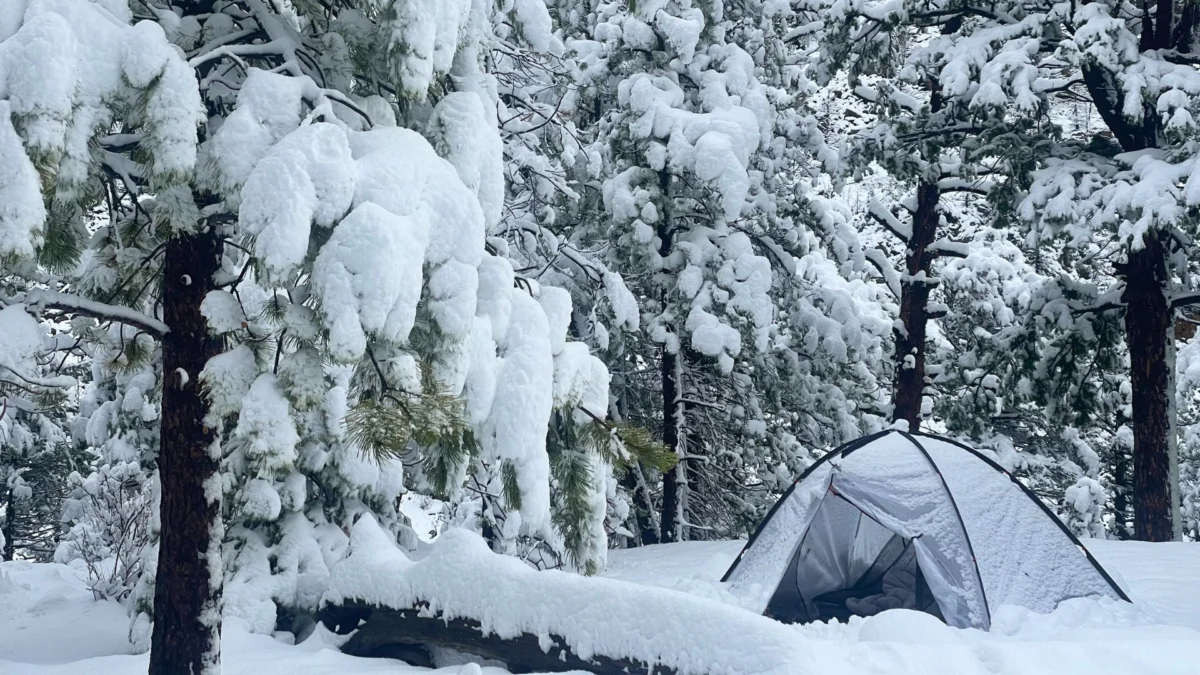
- Atmospheric Loading: It is not just wind that topples trees; it is the combination of wind, saturated soil, and the added weight of snow or ice that creates a perfect storm for structural collapse.
A Chronology of Tragedy
The danger is not theoretical. While the following list is not exhaustive, it serves as a sobering reminder of the reality faced by hikers and campers across the United States in recent years.
- 1988: The Yellowstone Catalyst. The historic wildfires that consumed 1.4 million acres in and around Yellowstone National Park fundamentally changed the landscape of forest safety. The legacy of these fires remains, as vast swaths of lodgepole pine continue to decay and fall, serving as a permanent lesson in forest succession and hazard management.
- August 2019: The Pacific Crest Trail. A thru-hiker was tragically killed by a falling tree while traversing the trail, highlighting that the danger is not limited to stationary campers; it is a risk to anyone moving through an unstable forest corridor.
- August 2019: The Colorado Trail. A backpacker lost her life when a tree fell onto her tent, a scenario that reinforces the need for rigorous site selection.
- May 2021: White Mountain National Forest. In a stark reminder that even hammock campers are not immune, a backpacker was killed when the tree supporting their hammock failed, causing both the tree and the gear to collapse upon them.
- August 2022: Olympic National Park. A visitor at the remote Elk Lake wilderness campsite was killed by a falling tree in the middle of the night. The necessity of a helicopter rescue the following morning underscored the extreme isolation of these incidents.
Supporting Data: The Statistics of Risk
While the National Park Service and the U.S. Forest Service do not maintain a single, centralized database exclusively for "hazard tree fatalities," incident reports across federal lands reveal a consistent pattern.
Analysis of wilderness accidents suggests that tree-related fatalities are more prevalent in "post-disturbance" forests—areas that have suffered from wildfire, insect infestation, or wind-throw events. Data from the Centers for Disease Control and Prevention (CDC) and various land management agencies indicate that while the rate of such deaths is low compared to, for example, motor vehicle accidents, the fatality rate per incident is exceptionally high.
Unlike a fall where a survivor might be rescued, a direct strike from a tree—often weighing hundreds or thousands of pounds—is rarely survivable. This makes the hazard a binary event: survival or total catastrophe.
Official Responses and Management Strategies
Land management agencies have shifted their approach to hazard trees significantly over the last two decades. In developed campgrounds, the strategy is one of active mitigation: professional arborists assess trees, and "hazard tree removal" programs are standard practice.
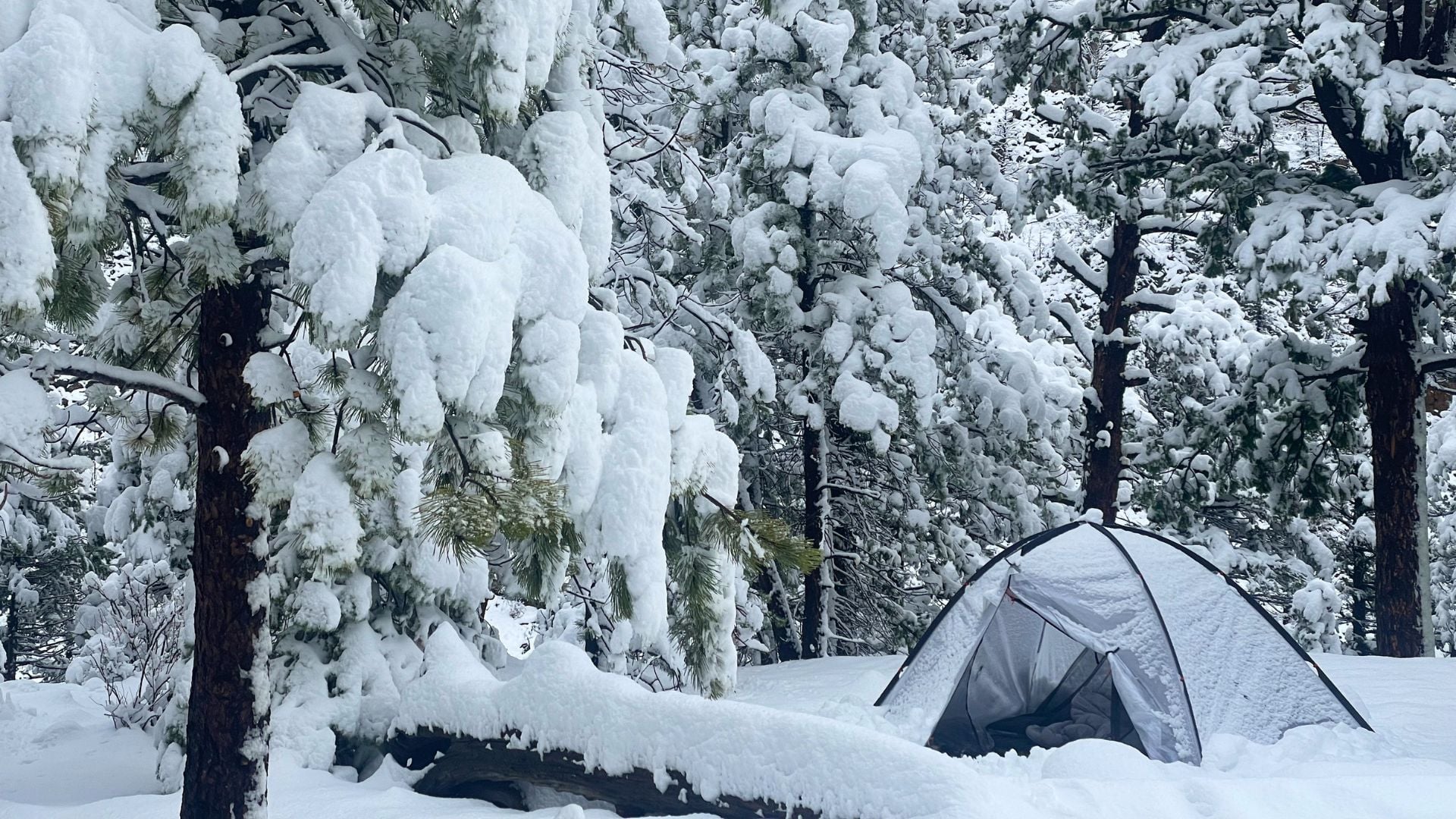
However, in the "backcountry," the management philosophy is fundamentally different. The National Park Service and Forest Service operate under a "manage for wildness" mandate. This means they cannot—and do not—attempt to clear hazard trees from thousands of miles of wilderness trails or remote campsites.
The Agency Perspective: "Know Before You Go"
The official response from federal land managers emphasizes personal responsibility. The burden of risk assessment is placed squarely on the shoulders of the recreationist. Agencies urge hikers to:
- Monitor Weather: Avoid high-wind days when moving through or camping in burned or old-growth forests.
- Visual Inspection: Before pitching a tent, look up. Identify "widowmakers"—hanging branches, dead tops, or trees leaning at precarious angles.
- Landscape Awareness: Understand the forest history. If you are in a burn scar, assume all standing dead trees are unstable.
Implications for the Future of Wilderness Recreation
The increasing frequency of these incidents forces us to reconsider our relationship with the forest. As climate change accelerates the frequency of extreme weather events—droughts, intense windstorms, and prolonged fire seasons—the "standing dead" population in our forests is likely to increase.
The Psychological Shift: From Complacency to Awareness
The greatest barrier to safety is the "familiarity trap." Because we have slept under trees for years without incident, we subconsciously dismiss the possibility of danger. We must cultivate a proactive, rather than reactive, mindset.
When you stop for a break or choose a campsite, stop asking "Is this a pretty spot?" and start asking, "Am I about to spend the next several hours under a tree that could kill me?"
Practical Risk Management
To mitigate the risk, backpackers should adopt a three-pillar approach:
- Site Selection (The "Look Up" Rule): Before laying your sleeping pad, perform a 360-degree survey. Look for "leaners," trees with excessive fungal growth, or branches that are visibly dead and detached from the main trunk but caught in the canopy. Avoid camping in dense stands of dead lodgepole or in areas where tree roots have been exposed by erosion.
- Environmental Context: A healthy, living tree in a calm, windless valley is rarely a threat. A dead, fire-scarred tree on a ridge-line during a thunderstorm is a lethal trap. Match your location to the current and forecasted conditions.
- Equipment Awareness: Hammock campers carry a unique risk. You are physically tethered to the integrity of the tree. Ensure your anchor trees are alive, sturdy, and showing no signs of disease. Avoid anchoring to dead standing timber at all costs.
Conclusion: Living With the Wild
Wilderness is, by definition, wild. It is a place where natural processes occur without human interference. When we choose to step into the backcountry, we are entering a dynamic, changing environment. Hazard trees are not an anomaly; they are a vital part of the forest life cycle. They provide habitat for birds, insects, and mammals, and they eventually return their nutrients to the soil.
The danger they pose to humans is a byproduct of our own presence in these spaces. By acknowledging that the forest is not a static backdrop, but a living, decaying, and shifting entity, we can take the necessary steps to minimize our exposure. We cannot eliminate the risk of a falling tree, but we can ensure that we are not standing—or sleeping—directly in its path. Awareness is not just a safety tool; it is a sign of respect for the power and unpredictability of the natural world.