For the modern outdoorsman, the annual pilgrimage to the woods is often preceded by a significant financial hurdle: the "gear tax." As specialized hunting apparel has evolved, so too have the price tags, with high-end technical trousers often commanding premiums that rival high-performance mountaineering equipment. For many, the choice has long been binary—invest hundreds of dollars in industry-leading technical wear or settle for heavy, non-breathable, and poorly fitted "budget" options.
However, a shift is occurring. With the release of the Kings Camo Hunter 2.0 pants, the market is being forced to reconsider the ceiling on what constitutes a "premium" experience. Retailing at approximately $80, these pants are challenging the status quo, promising the technical performance of elite gear at a fraction of the cost.

Main Facts: A Technical Overview
The Kings Camo Hunter 2.0 is constructed from a 97% polyester and 3% spandex blend, a composition that mirrors the "high-tech" fabrics utilized by brands charging three times the price. The design philosophy behind these trousers focuses on three core pillars: moisture management, durability in abrasive environments, and an athletic, ergonomic cut.
Unlike legacy budget hunting gear, which often prioritized heavy-duty canvas that inhibited movement, the 2.0 series is built for the active hunter. The inclusion of spandex provides a four-way-adjacent stretch, allowing for unencumbered movement when climbing treestands, navigating steep rocky terrain, or stalking through dense brush.

Chronology: From Field Testing to the Montana Backcountry
The journey of these pants from the factory floor to the field has been marked by rigorous, real-world stress testing. Following a grueling fishing guide season, the transition to hunting preparation began with intense, pre-season scouting.
- Phase 1 (The Baseline): Initial unboxing revealed a surprising texture and weight, signaling a departure from the "stiff" feel of traditional budget apparel.
- Phase 2 (Comparative Analysis): Over the course of four weeks in Middle Tennessee—an area defined by high humidity and dense, unforgiving briar patches—the Hunter 2.0s were put through a head-to-head evaluation against the $170-plus SITKA Traverse pant.
- Phase 3 (The Verdict): By the final week of testing, the Hunter 2.0s were selected as the primary gear for an upcoming 1,500-mile excursion to Montana, cementing their status as a reliable piece of kit.
Supporting Data: Performance Under Pressure
Water Repellency and Drying Kinetics
Perhaps the most shocking data point gathered during testing was the fabric’s performance in wet conditions. When navigating belly-button-high dew-soaked brush, the Hunter 2.0 exhibited superior DWR (Durable Water Repellent) performance. While the fabric is not waterproof—a distinction that should be noted for those hunting in torrential downpours—it outperformed its high-end counterparts in its ability to bead water and, more importantly, its drying speed. In field conditions, the moisture evaporation rate of the Hunter 2.0 was noticeably faster than the SITKA equivalent, a critical metric for long-distance backcountry hunters.

The Durability Factor
"Briar patches" are the graveyard of technical gear. Most lightweight, breathable fabrics succumb to snagging and "picking" within hours of exposure to thorns. The Hunter 2.0, however, displayed a resilient, slick outer finish that encouraged thorns to slide off rather than embed. After repeated exposure to the thick, snarly terrain of the Tennessee backcountry, the pants remained free of significant structural damage, bolstered by double-stitched seams that provide a sense of security against high-stress movements.
Breathability and Thermal Management
Tested in the sweltering heat of late July and August, the breathability of the Hunter 2.0 was put to the ultimate test. While they lack the laser-cut ventilation holes found in specialized, ultra-hot-weather gear, their performance as an "all-around" pant is exceptional. They are thin enough to prevent heat exhaustion during early-season archery scouting but substantial enough to offer protection against insects and vegetation.

The Trade-offs: Understanding the Price Gap
If the performance is so comparable, where is the money saved? The price difference between the Kings Camo Hunter 2.0 and the industry leaders is not found in the material, but in the "creature comfort" features that define luxury gear.
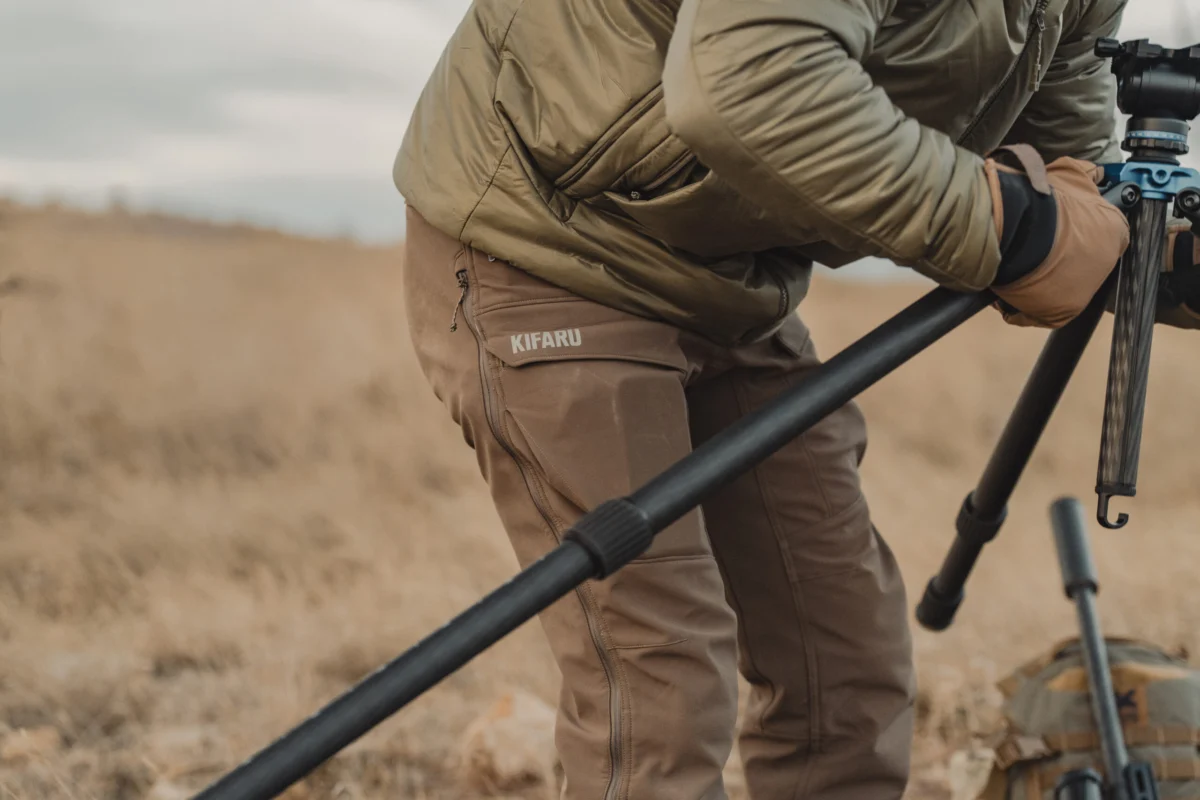
- Storage Limitations: The thigh pockets are minimalist. They are designed for a smartphone or a thin item, but they lack the generous volume or secure zipper closures found on more expensive models. They are secured by a simple flap, which may not be ideal for gear that requires constant, rapid access.
- Lack of Integrated Ventilation: While the material is breathable, the pants do not feature side-hip zippers or mesh-lined vents. For the hunter who pushes through high-exertion hikes in tropical humidity, this is the most noticeable missing link.
- Mobility Nuances: While the Hunter 2.0s are far more mobile than standard work-wear, they lack the extreme, "second-skin" stretch of top-tier mountain hunting apparel. The cut is athletic—so athletic, in fact, that it is highly recommended to size up if you intend to wear base layers during the late season.
Implications: The Democratization of Hunting Gear
The emergence of the Kings Camo Hunter 2.0 has significant implications for the hunting industry. It signals that the "barrier to entry" for technical, high-performance gear is lower than ever. For the novice hunter, it removes the pressure to spend a month’s salary on apparel just to be comfortable in the field. For the veteran, it offers a "workhorse" pant that can be subjected to the harshest, most damaging terrain without the emotional and financial sting of destroying a $200 pair of trousers.

Furthermore, this product serves as a benchmark for other manufacturers. It forces a conversation about whether the diminishing returns on high-end gear are worth the investment for the average consumer. When a $80 product provides 90% of the performance of a $200 product, the industry must innovate elsewhere—or lower its prices.
Final Recommendations: Best Use Cases
The Kings Camo Hunter 2.0 is an ideal solution for:

- Early to Mid-Season Archery: Its lightweight, quiet, and breathable nature makes it a perfect companion for the active, stalking hunter.
- The Budget-Conscious Hunter: Anyone tired of overpaying for marketing-heavy brands who still demands legitimate field performance.
- The "Backup" Pair: For those already invested in high-end systems, these pants make for an excellent secondary pair to keep in the truck or the pack for when the primary gear is being washed or repaired.
Ultimately, the Kings Camo Hunter 2.0 proves that performance is not exclusively a function of price. While they lack the bells and whistles of the elite market, they succeed where it counts: keeping the hunter protected, mobile, and comfortable. They are, quite simply, the most impressive value-to-performance ratio currently available in the hunting apparel market. As the industry looks toward the future, these pants stand as a testament to the fact that you don’t need to break the bank to be prepared for the backcountry.