“A good lie can walk from Baghdad to Constantinople while the truth is still looking for its sandals.”
This age-old Arab proverb perfectly encapsulates the endurance of misinformation in the backcountry. Like a stubborn grass stain on a crisp white shirt, certain myths regarding wilderness survival, gear, and ethics have become deeply embedded in our collective consciousness. Whether they are harmless misconceptions or potentially life-threatening fallacies, these ideas persist despite overwhelming evidence to the contrary.
In this deep dive—excerpted and adapted from the 2026 release Hiking & Backpacking For Dummies by renowned expert Cam Honan—we examine ten of the most prevalent myths that continue to influence hiker behavior. By distinguishing fact from fiction, we can cultivate a more respectful, safer, and more enjoyable relationship with the great outdoors.

1. The Myth of the "Naked Sleeper"
Perhaps the most persistent urban legend in the backpacking community is the claim that sleeping naked is the warmest way to spend a night in a tent. The logic, often peddled by well-meaning but misguided veterans, suggests that clothes prevent your body heat from reaching the sleeping bag’s insulation.
The Reality: Insulating layers are designed to trap heat. The more layers you have—within reason—the less heat escapes into the cold night air. If you are shivering in your bag, the solution is not to shed your base layers; it is to add more. A beanie, a pair of thick wool socks, and an extra thermal top will almost always result in a warmer night. While sleeping naked can be warmer if your clothes are damp, or in the highly specific (and non-wilderness-related) scenario of sharing body heat with a partner, for the solo hiker, the "clothes-on" rule remains the gold standard.
2. Footwear Fallacies: The "Boots for Protection" Debate
For decades, the outdoor industry has pushed the narrative that high-cut, heavy leather boots are mandatory to "protect your ankles" from injury. This advice is plastered across retail displays, club newsletters, and outdated guidebooks.

The Supporting Data: Scientific literature regarding ankle stability and heavy footwear is surprisingly thin. In contrast, thousands of miles logged by long-distance thru-hikers suggest that lighter is better. For the vast majority of three-season hiking, trail runners provide the "sweet spot": they offer comparable traction, significantly better breathability, and drastically lower weight. By reducing the weight on your feet, you reduce overall fatigue—and a tired hiker is far more prone to the clumsy missteps that lead to sprains. While heavy boots have a niche role in deep winter or mountaineering, they are frequently overkill for standard terrain.
3. The Myth of "Waterproof" Gear
When shoppers see a garment labeled "waterproof and breathable," they often mistakenly assume they have purchased a suit of armor against the elements.
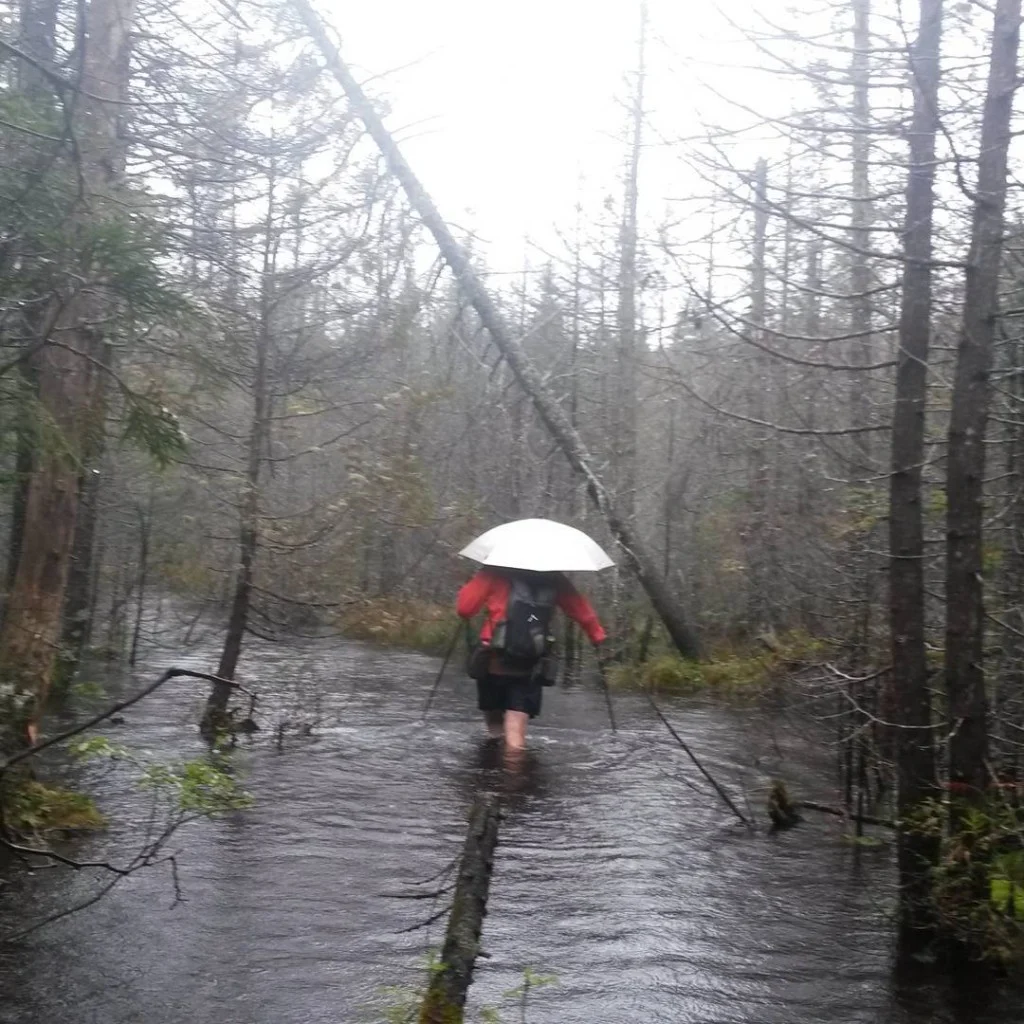
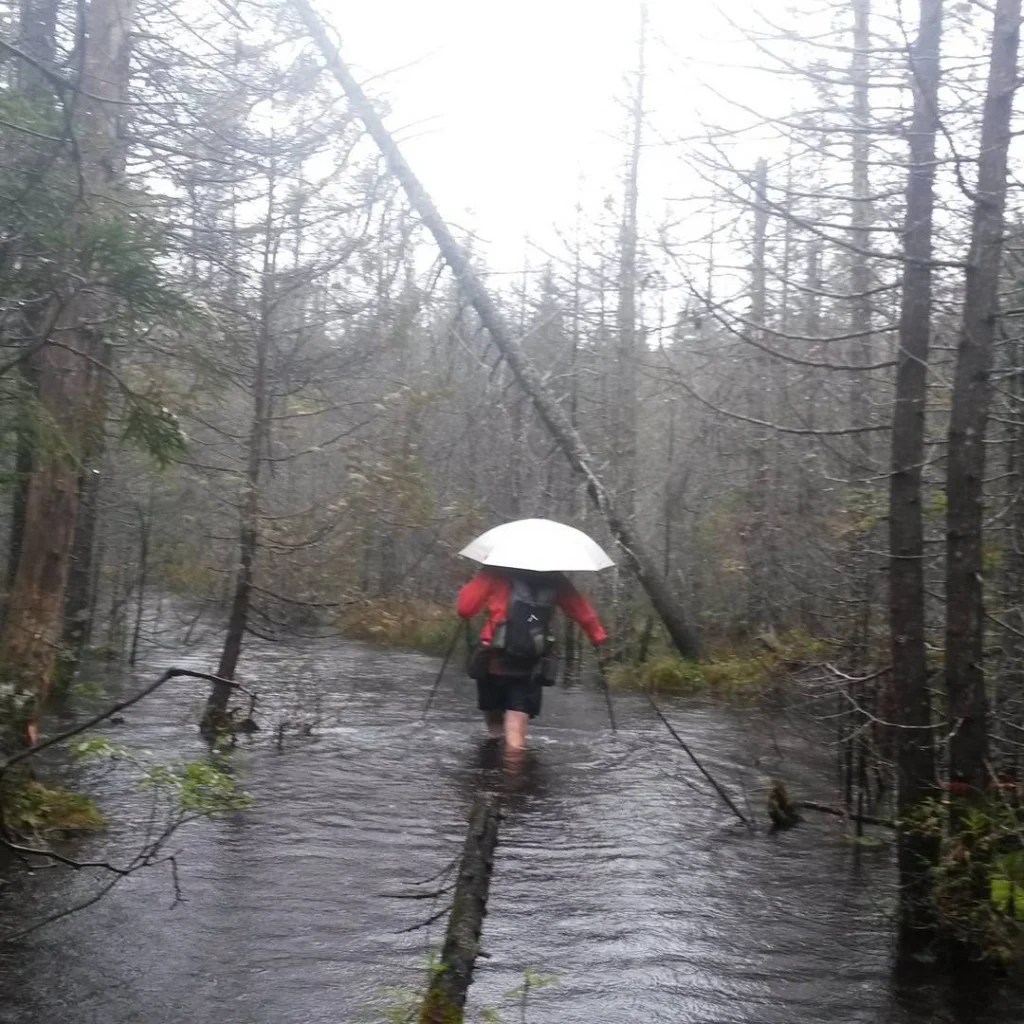
The Implications: The reality is that no garment can remain perfectly dry in an extended, high-intensity downpour. Moisture will eventually penetrate the outer shell, or accumulate internally through perspiration. The goal of high-end rain gear is not to keep you "bone dry"—a near impossibility in a monsoon—but to manage your body temperature. If you are hiking in a deluge, your priority should be thermal regulation and moisture management, not achieving a level of dryness that simply doesn’t exist in nature.
4. Environmental Ethics: The "Biodegradable" Trap
A dangerous misconception persists that using biodegradable soap directly in a stream or lake is an environmentally friendly practice.
The Facts: Biodegradable soaps require specific soil bacteria to break down. When introduced directly into a water source, these soaps can harm aquatic life and disrupt nitrogen levels. Furthermore, it is a matter of basic trail courtesy; no downstream hiker wants to drink water contaminated by your dishwashing or laundry runoff. The standard practice, adhering to "Leave No Trace" principles, is to dispose of all gray water at least 200 feet (61 meters) away from any water source, ensuring it filters through the soil before reaching the stream.
5. The "Never Hike Alone" Mandate
"Never hike alone" is the standard mantra for park rangers and concerned family members. While it is excellent advice for novices or those tackling high-risk, technical terrain, it is not a universal truth.

The Nuance: The safety of a trip depends on three variables: your skill level, the nature of the environment, and your personal comfort with solitude. The danger is not the act of hiking solo; it is the act of hiking solo without preparation. Experienced hikers who understand their limitations and prepare for contingencies often find that solo travel enhances their connection to the wilderness. The takeaway: permit your judgment to evolve alongside your experience.
6. Waste Management: The Decomposition Illusion
Many hikers believe that toilet paper and organic food waste (like apple cores or banana peels) disappear rapidly in the woods.
Supporting Data: Toilet paper can take up to three years to decompose, especially in arid climates. Fruit peels can take even longer. Beyond the aesthetic impact, there is an ecological one: wildlife frequently consumes this human-provided waste, which alters their natural foraging habits and leads to dangerous habituation. The solution is simple: anything you pack in, you must pack out.

7. The Lightning/Metal Connection
One of the most persistent myths is that metal items—trekking poles, aluminum-framed packs, or even umbrellas—attract lightning strikes.
The Scientific Reality: While metal is a conductor, it does not "attract" lightning in the way a magnet attracts iron. Lightning strikes are determined by atmospheric conditions and proximity to the highest point in the area. Whether you are holding a titanium trekking pole or a wooden branch, your primary danger is being the tallest object in the immediate vicinity. During an electrical storm, your focus should be on finding a lower elevation and moving away from ridge lines, not on stripping yourself of metal.
8. The "Snakebite" Medical Myth
Cinema has done more harm than good regarding snakebite first aid. From Westerns to survival reality shows, the image of a hero sucking venom out of a wound or using a razor to cut the bite area is a staple of popular culture.

Official Medical Consensus: Do not attempt to suck or cut the venom out. Venom travels through the lymphatic system at a rate that renders these manual interventions useless. Furthermore, cutting the site or applying a tourniquet often does more damage than the venom itself, inviting secondary bacterial infections. The modern medical protocol is clear: keep the patient calm, immobilize the limb, and seek professional medical attention immediately.
9. The "Just One Person" Fallacy
"I’m just one person; stepping off the trail here won’t cause much damage." This internal monologue is the precursor to environmental degradation.
The Implications: While the impact of a single footstep might be negligible, the cumulative effect of thousands of hikers adopting that same mindset is catastrophic. Off-trail shortcuts lead to severe erosion, the destruction of delicate alpine flora, and the widening of trails into muddy, impassable quagmires. The "middle way"—sticking to the designated path regardless of the mud—is the only way to preserve the wilderness for those who follow.

10. The Tree-Climbing Bear Myth
When faced with a bear, the cinematic advice is to climb a tree. This is a potentially fatal misconception.
The Facts: Black bears are exceptional climbers and will pursue a human up a tree with little effort. While grizzly bears are heavier, they are also more than capable of scaling a tree if they feel threatened or are in pursuit. Relying on your ability to out-climb a bear is a gamble against an animal that has evolved for that exact environment. Always follow established bear safety protocols—such as carrying bear spray and properly storing food—rather than relying on "escape" tactics that rely on Hollywood physics.
Conclusion: Moving Toward Evidence-Based Wilderness Travel
The wilderness is a place of wonder, but it is also a place that rewards those who operate based on facts rather than folklore. By moving past these ten myths, hikers can transition from being tourists in nature to being stewards of it.

For those interested in further study, "Hiking & Backpacking For Dummies" (ISBN: 978-1394350254) offers a comprehensive guide to modern, safe, and ethical wilderness travel. It is available at all major retailers and independent bookstores.
Editor’s Note: This article was excerpted and edited for length with permission from Wiley, the publisher of "Hiking & Backpacking For Dummies" by Cam Honan. Copyright ©2026 by John Wiley & Sons, Inc. All rights reserved.