In the high-stakes world of blockbuster filmmaking, the illusion of the hero is often sustained by the physical prowess of the stunt performer. When the cameras rolled on The Odyssey, a sprawling Greek fantasy epic, audiences were captivated by the imposing figure of Odysseus—a character brought to life with such grit and physicality that he felt forged in the fires of ancient myth. Yet, beneath the armor and the cinematic lighting, the person responsible for the character’s most iconic battle sequences was Devyn Dalton.
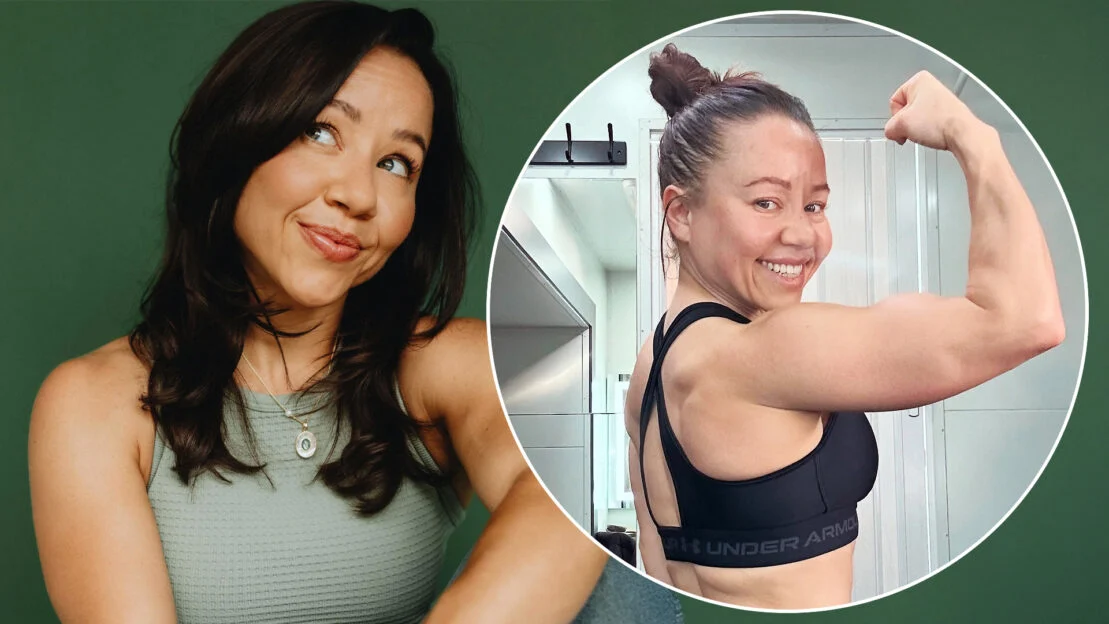
Dalton, a powerhouse in the stunt industry, brought a level of athletic intensity to the role that left the film’s lead, Oscar-winner Matt Damon, visibly stunned. In a moment of genuine professional admiration, Damon famously dubbed Dalton’s arms "the greatest" he had ever seen. Now, the Canadian actor, dancer, and stunt performer is pulling back the curtain on the training regimen that built that legendary physique, proving that true strength has no height requirement.
The Architecture of an Athlete: Redefining Performance
At 4-feet and 6-inches tall, Dalton has spent her career shattering the glass ceiling—and the physical stereotypes—associated with her stature. For Dalton, the gym is not a place for aesthetic vanity; it is a laboratory for performance.
"When I started getting into stunt work and performance capture, training became less about simply ‘working out’ and more about what my body was capable of doing," Dalton tells M&F Hers. "I needed to be strong, explosive, mobile, and resilient. I’ve always loved challenging the assumptions people can sometimes make about what a small body is capable of."
This philosophy defines her approach to fitness. While many actors train for the "look" of a character, Dalton trains for the reality of the stunt. Her weekly routine is a masterclass in variety, incorporating strength training, running, Muay Thai, jiujitsu, calisthenics, mobility work, yoga, and conditioning. For Dalton, the "Odyssey" physique wasn’t a goal; it was a byproduct of a commitment to functional mastery.
The Chronology of Excellence: A Journey Through Movement
Dalton’s rise to the top of the stunt world didn’t happen overnight. It was the result of years of dedicated movement-based discipline.
The Foundational Years
Before she was doubling for A-list stars, Dalton’s foundation was built in the world of dance. This gave her an early edge in body awareness and spatial control—two traits that are non-negotiable for high-level stunt work. Transitioning into martial arts, she began to understand the mechanics of impact and explosive movement, which would later become the bedrock of her stunt career.
The Stunt Transition
As she transitioned into film, the requirements shifted. She wasn’t just performing choreography; she was acting, reacting, and enduring the long, grueling days of a film set. She realized that to be a top-tier stunt performer, her conditioning needed to handle the repetitive, high-impact nature of action scenes. This led her to adopt a "hybrid athlete" model—a combination of traditional strength training and high-intensity movement disciplines.
The Odyssey Breakthrough
The casting for The Odyssey demanded a performer who could not only match the physical aesthetic of the lead character but also handle the intense physical toll of battle choreography. Dalton’s performance was so convincing that her physique became a promotional element of the film, appearing on posters and character stills. It was this visibility that turned the spotlight on her training methods, transforming her from a "behind-the-scenes" hero to a fitness inspiration.
Supporting Data: The Science of the "Odyssey" Workout
Dalton’s workout is grounded in the principles of functional hypertrophy and explosive power. By focusing on multi-joint movements and maintaining constant tension, she achieves the definition that caught the eye of her peers.
The Core Pillars of the Workout
- Pull-ups: The gold standard for back and bicep engagement. Dalton emphasizes a full range of motion, starting from a dead hang to ensure optimal muscle recruitment.
- Chin-ups: By utilizing an underhanded grip, Dalton shifts the focus toward the biceps, ensuring that the "arm" component of her training is addressed through both back and arm-dominant pulling movements.
- Dips: Essential for tricep development and shoulder stability. Dalton advises a gradual approach to depth to protect the shoulder joint.
- Explosive Clapping Push-Ups: A cornerstone of her explosive power. These movements train the fast-twitch muscle fibers, which are vital for the sudden, rapid movements required in fight scenes.
- Arnold Press: A multi-plane shoulder exercise that targets the anterior, lateral, and posterior deltoids, providing the "cap" look that rounds out her upper body.
- Battle Ropes: The ultimate conditioning tool. By integrating these into her routine, Dalton builds endurance in the arms and shoulders while forcing the core to stabilize the entire body under fatigue.
Official Responses and Industry Impact
The industry’s reaction to Dalton’s performance has been overwhelmingly positive. When a lead actor of Matt Damon’s caliber singles out a stunt performer for their physical conditioning, it signals a shift in how Hollywood perceives the role of the stunt professional. No longer just "bodies in the background," stunt performers are increasingly recognized as elite athletes who require specialized, rigorous training protocols.
"I genuinely enjoy seeing what my body can do," Dalton notes. This internal motivation is what sets her apart. Her impact on the stunt community is profound; she has become an advocate for "training for capability" rather than "training for size," a sentiment that resonates with a growing demographic of people looking to redefine their own physical boundaries.
Implications for the Future of Fitness
Dalton’s success carries significant implications for the fitness industry at large. Her methodology suggests that the traditional "body-part split" common in commercial gyms may be less effective for those seeking real-world, functional strength.
The Shift Toward Functional Aesthetics
The rise of hybrid training—combining heavy lifting with mobility, yoga, and martial arts—is becoming the new standard for longevity and performance. Dalton’s ability to maintain her physique while practicing high-impact sports like jiujitsu proves that strength and agility are not mutually exclusive.
Challenging Body Norms
Perhaps the most lasting implication of Dalton’s career is the dismantling of the "small body" narrative. By showing that a person of her size can possess the functional strength of an elite athlete, she is challenging the fitness industry to move away from size-based metrics of strength. In the world of The Odyssey, Dalton was a giant, not because of her height, but because of her output.
Conclusion: A Philosophy for the Everyday Athlete
For those looking to adopt Dalton’s training style, the advice is simple but profound: "My biggest advice is to stop comparing your body or your numbers to anyone else’s," she says. "Start where you are, learn good technique, get a little stronger over time, and find a way of training that you genuinely enjoy. Fitness should add to your life, not punish you."
Whether you are training to perform stunts in a blockbuster film or simply looking to improve your functional strength, Dalton’s approach offers a sustainable, rewarding path. Her journey from dancer to stunt icon is a testament to the power of consistent, intentional effort. As she continues to push the boundaries of what is possible, Devyn Dalton remains a beacon of strength, discipline, and, quite simply, the greatest arms in the business.
Summary of the "Odyssey" Routine
- Frequency: 2 times per week, with adequate recovery.
- Focus: Functional strength, explosive power, and hypertrophy.
- Equipment: Pull-up bar, dip station, dumbbells, battle ropes, and cables.
- Mindset: "Compete with yourself." Focus on form and gradual progression rather than ego-lifting.
By integrating these movements into a balanced routine, you aren’t just building muscle; you are building the capacity to move with the same strength and resilience that defines the career of Devyn Dalton.