Introduction: Beyond the Horizon
For most adventurers, the allure of the Himalayas is found in the altitude—the thin, crisp air of the peaks and the silent majesty of snow-capped giants. However, for river guides Mike and Cody, the true pulse of northern India is found at the base of these mountains, where the Ganges River—the lifeblood of a civilization—thunders through the foothills.
Their recent expedition to India was more than a mere whitewater excursion; it was a deep-dive into a landscape of contradictions. By partnering with the instructors of the Hannibal Outdoor Center, Mike and Cody sought to bridge the gap between Western rafting methodologies and the unique, high-stakes requirements of navigating one of the world’s most powerful and spiritually significant waterways. What they found was a country that defies simple description—a place where the sacred and the profane, the ancient and the industrial, collide with relentless intensity.
The Expedition: A Chronology of Discovery
Arrival and Immersion
The journey began with the logistics of navigating a nation defined by its scale. Arriving in India, the pair quickly realized that their previous experiences with river systems in North America were merely a baseline. Upon arrival, they embedded themselves with local guides, moving away from tourist corridors to understand the local standards for rafting and safety.
The Ganges Descent
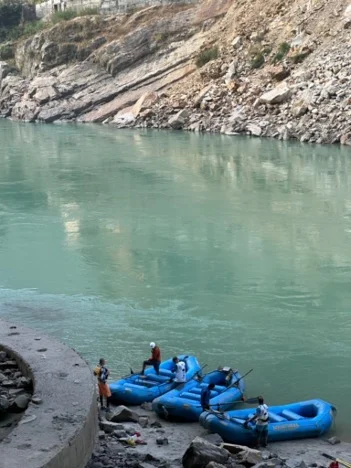
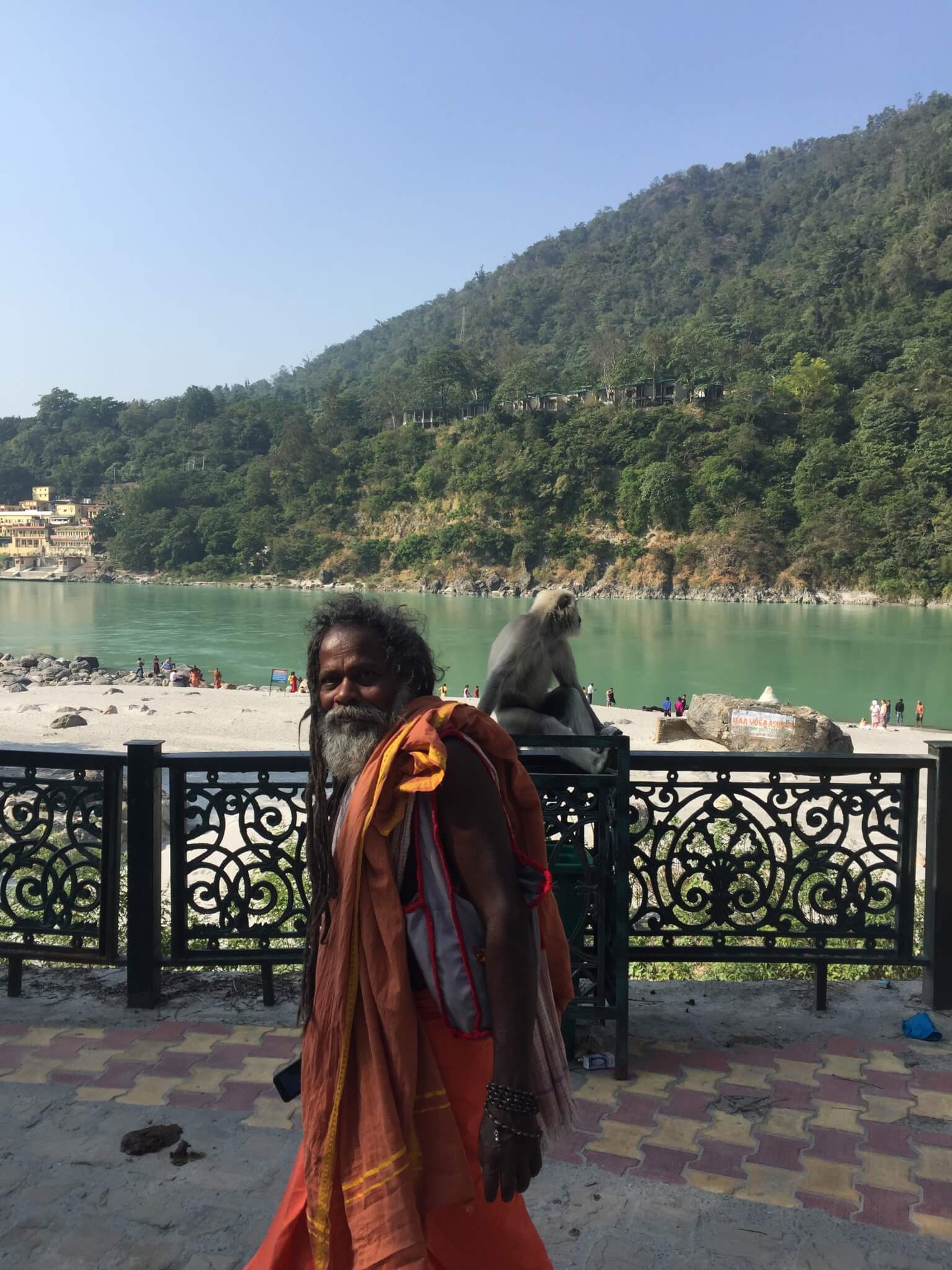
The crown jewel of the trip was the descent of the Ganges. Flowing from the glacial heights of the Himalayas, the river is not just a body of water; it is a pilgrimage site. As they navigated the river, the team estimated the flow at an astounding 40,000 cubic feet per second (cfs). For context, this is a massive volume of water that demands expert technical skill and a profound respect for the river’s currents.
Cultural Immersion in Haridwar
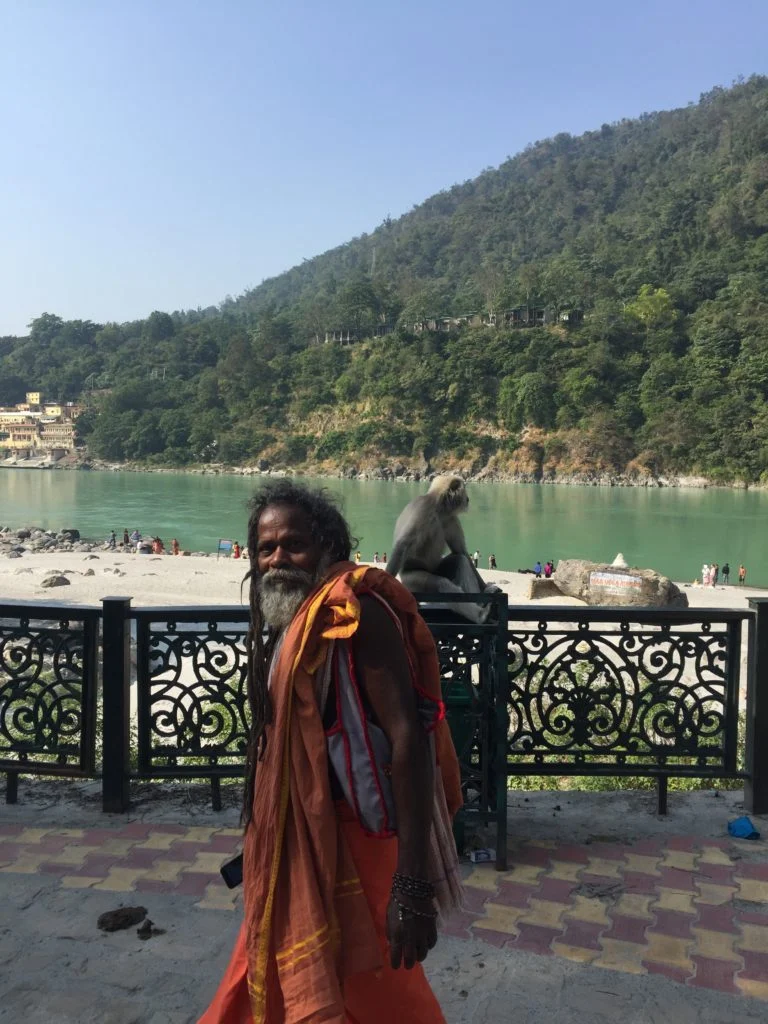
The journey included a significant stop in Haridwar, one of the seven holiest places in Hinduism. Here, the team witnessed the daily religious ceremonies where thousands of devotees gather to cleanse themselves in the river. The imagery is staggering: a sea of humanity seeking spiritual renewal in waters that are simultaneously being challenged by the byproducts of rapid industrialization.
The Transit: Trains and Rickshaws
While the river provided the primary path, the journey between regions was facilitated by India’s legendary railway network. Traveling by train offered a unique vantage point: a window into the juxtaposition of India’s spectacular natural beauty and its struggle with waste management. From the open-air gaps between train cars, the team observed a landscape of "beauty surrounded by landfills," providing a visceral look at the environmental challenges facing the country.
Supporting Data: A Landscape of Extremes
To understand the scope of what Mike and Cody experienced, one must look at the data surrounding the Ganges and the Indian subcontinent.
The Scale of the Himalayas
The team noted that even at elevations of 8,000 to 12,000 feet, they were still essentially in the "foothills." The Himalayan range spans over 1,500 miles, crossing five countries. The scale of the mountains serves as a humbling reminder of the sheer geographic power that drives the Ganges, which originates from the Gangotri Glacier.
Demographic and Linguistic Complexity
India is a subcontinent of staggering diversity. With over 1.4 billion people—roughly a fifth of the global population—the country functions as a mosaic of cultures. Beyond the national official language of Hindi, the country is home to approximately 3,000 distinct languages and dialects, a fact that the team found both fascinating and indicative of the country’s vast, fragmented, yet cohesive identity.
Environmental Challenges
The ecological state of the Ganges is a subject of intense global debate. Despite its status as the most sacred river in India, it is also listed among the most polluted in the world.

- Human Waste: Estimates suggest that several million liters of untreated sewage are discharged into the river daily.
- Industrial Runoff: Factories located along the banks often discharge heavy metals and chemicals, creating a toxic paradox: the water used for ritual bathing is often chemically hazardous.
Professional Perspectives and Industry Standards
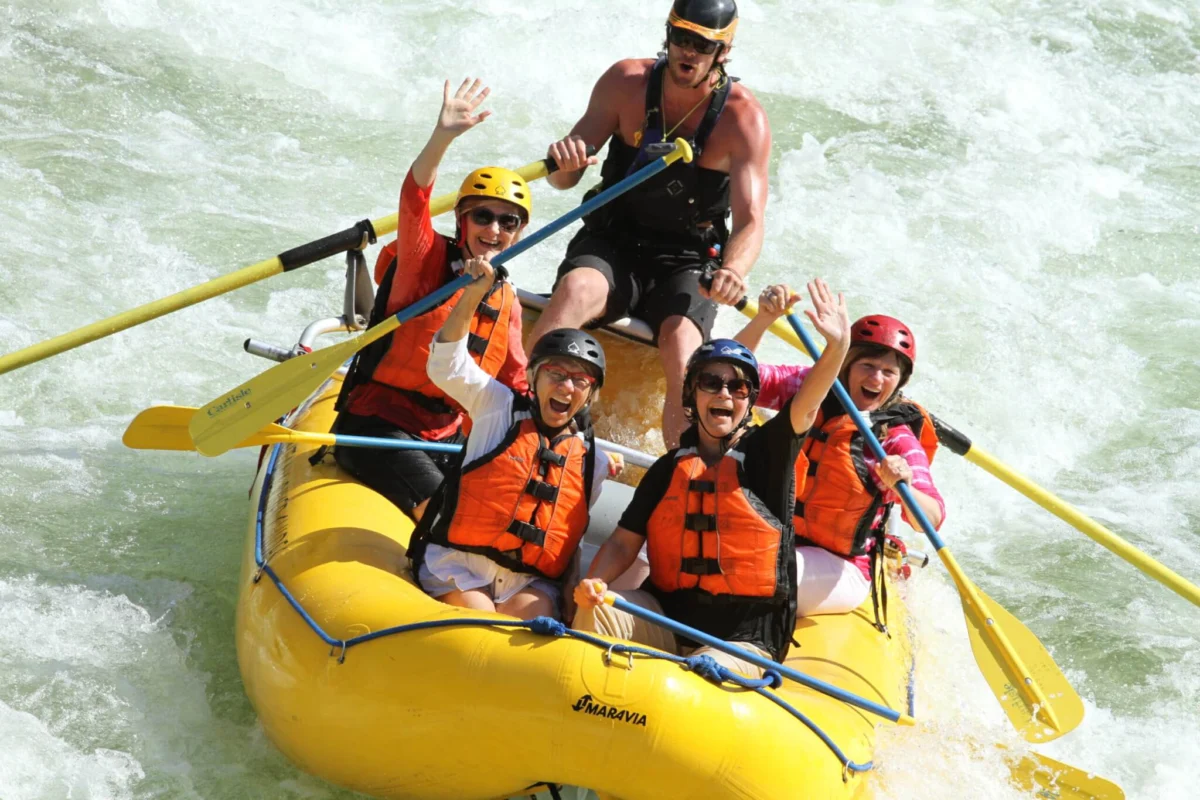
During their time with the Hannibal Outdoor Center, Mike and Cody engaged in a cross-cultural exchange of "rafting standards." In the West, rafting safety is governed by strict protocols often dictated by insurance and government regulation. In India, while these safety standards exist, they are often augmented by an intuitive knowledge of the river’s specific temperament.
Local guides provided the team with insights into how the Ganges behaves during different seasonal pulses. The interaction between these local professionals and the visiting team highlighted a shared universal language: the command of the oars, the reading of the current, and the mutual respect for the power of the water.
Implications: The Future of Adventure Tourism
The expedition raises broader questions about the future of adventure travel in developing nations.
The Sustainability Dilemma
Tourism, particularly in the adventure sector, can serve as a double-edged sword. While it provides local employment and incentivizes the protection of natural resources, it also places strain on infrastructure that is already struggling. The "landfills" observed by the team are a testament to the waste management crisis that follows rapid urbanization and tourism booms.
The Shift in Perspective
For the professional adventurer, the takeaway from the India trip was a shift in what it means to "explore." It is no longer just about the thrill of the rapid; it is about the integration of the visitor into the social and environmental fabric of the host country.

The team’s observation of "heroic subsistence agriculture"—where families cultivate small, difficult plots of land to survive—served as a stark contrast to the massive industrial runoff they witnessed elsewhere. This duality is the true essence of modern India. It is a nation of immense potential, struggling to balance its ancient spiritual heritage with the aggressive demands of a 21st-century economy.
Conclusion: A Call to Return
As Mike and Cody reflected on their journey, the overriding emotion was one of profound respect. India is not a destination that can be checked off a list; it is a sensory overload that requires multiple visits to even begin to comprehend.
The Ganges remains, despite its pollution, a powerful force of nature and a symbol of human resilience. The team’s return to the U.S. was marked by a newfound admiration for the people they met—guides, travelers, and locals alike—who navigate the complexities of life in the foothills of the Himalayas with a grace that is as large as the mountains themselves.
For those who follow in their wake, the lesson is clear: bring your whitewater gear, but leave your preconceptions at home. India is a place that challenges the traveler, exhausts the senses, and ultimately demands a deep, lingering, and respectful attention. Mike and Cody are already planning their return, knowing that they have only skimmed the surface of a land that, once experienced, never truly leaves you.
As they stated, the diversity, beauty, problems, and potential of India are simply "overwhelming." And it is precisely that intensity that draws the explorer back to the river’s edge, again and again.