Introduction: A Global Exchange of Skill and Spirit
In November 2024, the Whitewater Rescue Institute (WRI) embarked on a mission that bridged continents and cultures. Instructors Ben Schmidt and Sam Johnston traveled to the heart of Northwestern India, partnering with the esteemed outdoor outfitters, Aquaterra Adventures. The objective was twofold: to provide high-level swiftwater rescue training to some of India’s most seasoned river professionals and to immerse themselves in the legendary river culture of the Himalayas.
What began as a professional exchange of safety protocols and rescue curriculum evolved into a profound exploration of human endurance, hospitality, and the deep, spiritual connection between humans and wild water. From the sacred, turquoise eddies of the Ganga to the thundering, untamed power of the Brahmaputra, this journey represents a significant milestone in international river safety collaboration.
Chronology of the Expedition
The Arrival: Entering the Vibrancy of Dehradun
The expedition commenced with a flight from Missoula, Montana, to Dehradun, India. Upon arrival, the WRI team was immediately confronted with the sensory overload of India—a vibrant tapestry of life defined by bustling markets, intricate textiles, and the rhythmic cacophony of city life.
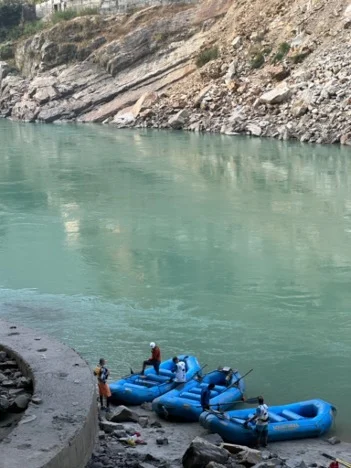
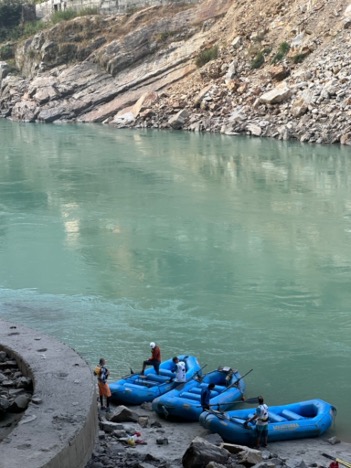
Guided by the expertise of Aquaterra Adventures, the team traveled north toward Rishikesh, eventually reaching the basecamp at Atali Ganga. Nestled within the valley of the Ganga, the site offered more than just logistical convenience; it provided a front-row seat to the ecological wonders of the region. Towering trees, orb weaver spiders, and curious monkeys punctuated the landscape, setting a tone of primal wonder that would persist throughout the journey.

The Ganga Residency: Refining Rescue Standards
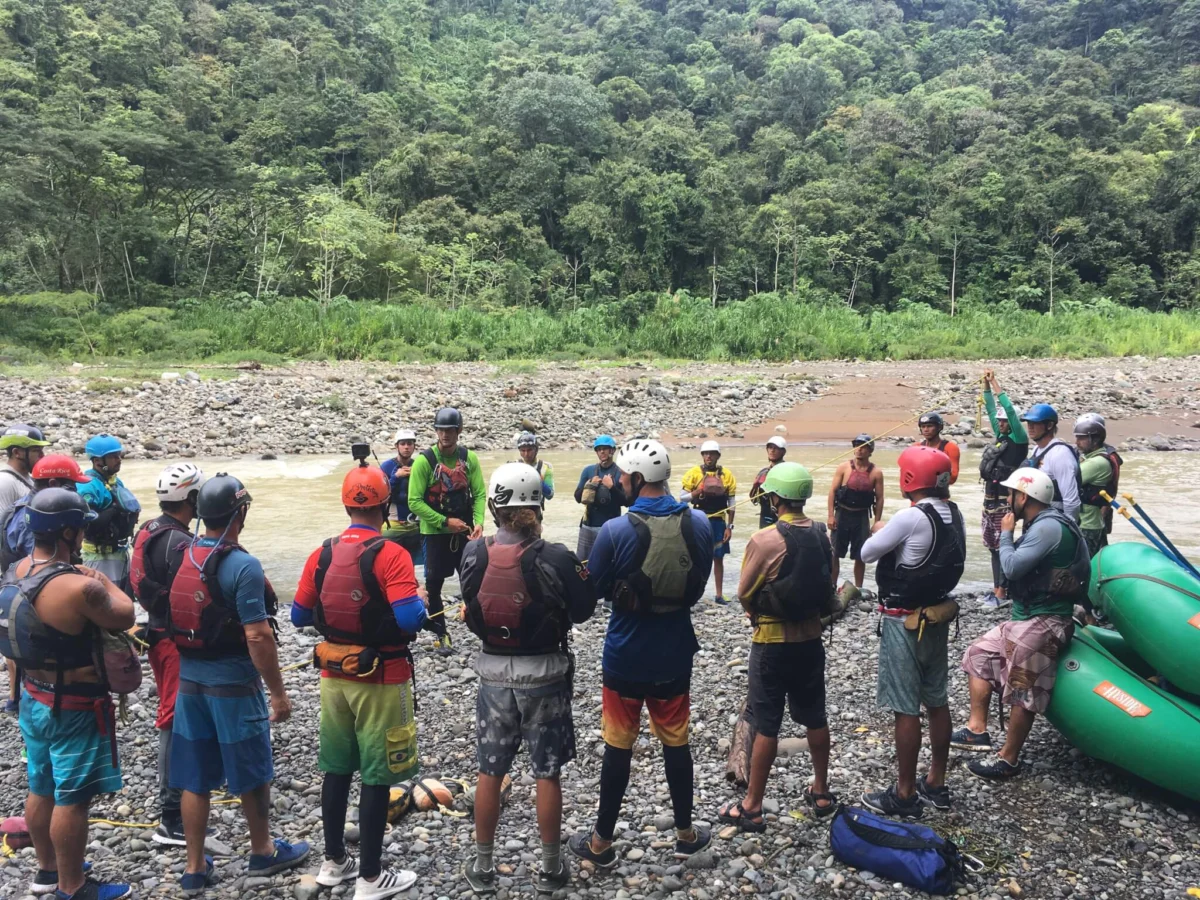
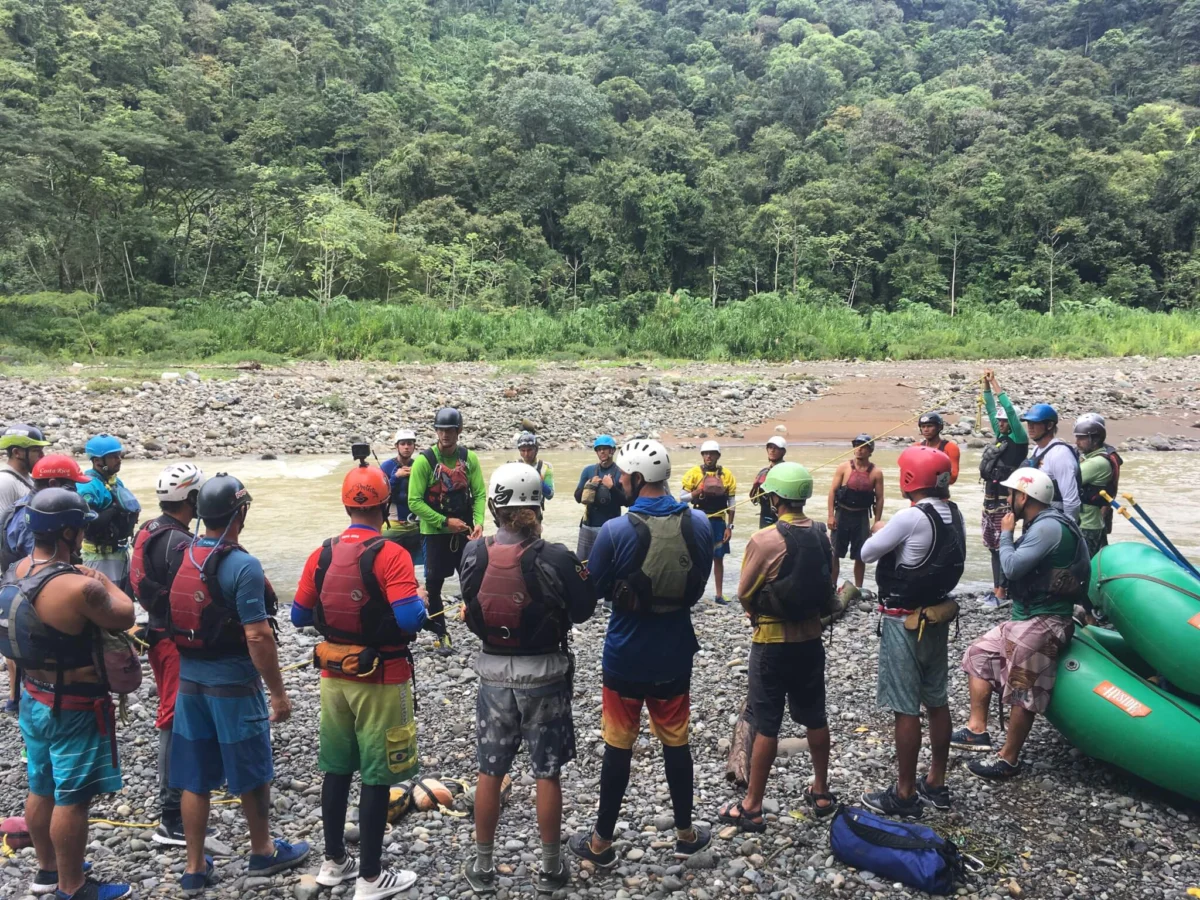
For ten days, the focus was centered on the banks of the Ganga. The WRI team worked closely with Aquaterra’s guides, fostering a collaborative environment where knowledge flowed as freely as the river.
The training curriculum was rigorous, focusing on universal river risk management. Key modules included:

- Safety Planning: Implementing upstream and downstream safety protocols.
- Technical Maneuvers: Practicing aggressive and defensive swimming techniques.
- Rescue Operations: Mastery of throwbags, inflow rescue scenarios, and complex extraction strategies.
The professional respect was mutual. While the WRI instructors brought the curriculum, they were humbled by the innate, generational river skills possessed by the local guides, many of whom grew up on the tributaries of the Ganga.
The Brahmaputra Odyssey
Following the training, the team transitioned to the Brahmaputra River, a destination often cited as the pinnacle of global whitewater expeditions. Facilitated by Vaibhav Kala, the owner of Aquaterra Adventures, the logistics—ranging from internal flights to local transport—were handled with precision.

The journey into Arunachal Pradesh was an expedition in itself. Upon arrival, the WRI team joined a crew of experts whose experience on the river was legendary. The subsequent days were defined by navigation through massive, world-class whitewater, camping on remote sandy beaches, and shared evenings around driftwood fires.
Supporting Data and Technical Context
The Scale of the Brahmaputra
The Brahmaputra is not a river for the faint of heart. Data from the expedition highlights the intensity of the environment:

- River Dynamics: The rapids featured wave faces reaching 30 feet in height and bus-sized lateral currents.
- Velocity: Flow speeds were recorded at approximately 20 miles per hour.
- Team Experience: The lead guide, Rana G., brought the experience of 23 previous successful expeditions, providing a crucial margin of safety in one of the world’s most challenging river corridors.
Risk Management Framework
The WRI curriculum, as implemented in India, rests on the pillar of "Universal Risk Management." By standardizing these practices, WRI and Aquaterra aim to create a global language of safety. The success of the training was evidenced by the guides’ immediate ability to synthesize new techniques with their existing local expertise, ensuring the sustainability of these safety practices long after the WRI instructors departed.
Official Perspectives: Reflections from the Field
The Human Element
Sam Johnston noted that the true value of the trip lay in the human connections made along the way. "The students’ passion to learn and master these techniques was truly inspiring," Johnston remarked. "It stands to reason that guides who grow up near the biggest mountains in the world and run some of the biggest whitewater on the planet develop world-class skills."

The Logistics of Excellence
Vaibhav Kala, the architect of the expedition’s logistical success, proved indispensable. From mitigating the risks of travel-related illness (famously known as "Delhi belly") to managing the complex permits required for remote areas like Arunachal Pradesh, Kala’s leadership allowed the WRI team to focus entirely on the mission of rescue education.
Implications: The Future of Global River Stewardship
Bridging the Safety Gap
The collaboration between WRI and Aquaterra Adventures serves as a model for future international training initiatives. By exporting technical curricula to regions with high-consequence river environments, WRI is effectively democratizing safety standards. This ensures that as adventure tourism grows in developing nations, the safety infrastructure evolves in parallel.

The Philosophy of "Conquering"
Perhaps the most significant takeaway from the expedition was a shift in perspective regarding river running. As Johnston reflected at the Brahmaputra takeout, the expedition was less about the physical conquest of the river and more about the internal journey of the paddler.
"At the Brahmaputra’s takeout, I realized that river-running isn’t about conquering the river itself," Johnston wrote. "Instead, it’s about conquering something within yourself—be it fear or something more mysterious."

Stewardship and Responsibility
The trip reinforced the concept of stewardship. The WRI team emphasized that the professional river community holds a collective responsibility to protect these wild spaces. By promoting safety and fostering a deep, respectful connection with the environment, the team hopes to inspire the next generation of guides to treat the river not as a playground, but as a dynamic entity that demands constant learning and humility.
Conclusion: A Lasting Legacy
The Whitewater Rescue Institute’s 2024 India expedition was a triumph of professional cooperation and personal growth. By combining the technical rigor of Western rescue standards with the profound, experiential wisdom of Indian river guides, the team successfully created a blueprint for future endeavors.

As Ben Schmidt and Sam Johnston returned home, they left behind more than just training manuals; they left a strengthened network of safety-conscious professionals ready to face the powerful currents of the Ganga and the Brahmaputra. The journey served as a poignant reminder that while the rapids may change, the core tenets of safety, camaraderie, and respect for nature remain the same across all borders. Within each rapid and every river bend, the story of this collaboration will continue to influence the future of whitewater rescue for years to come.