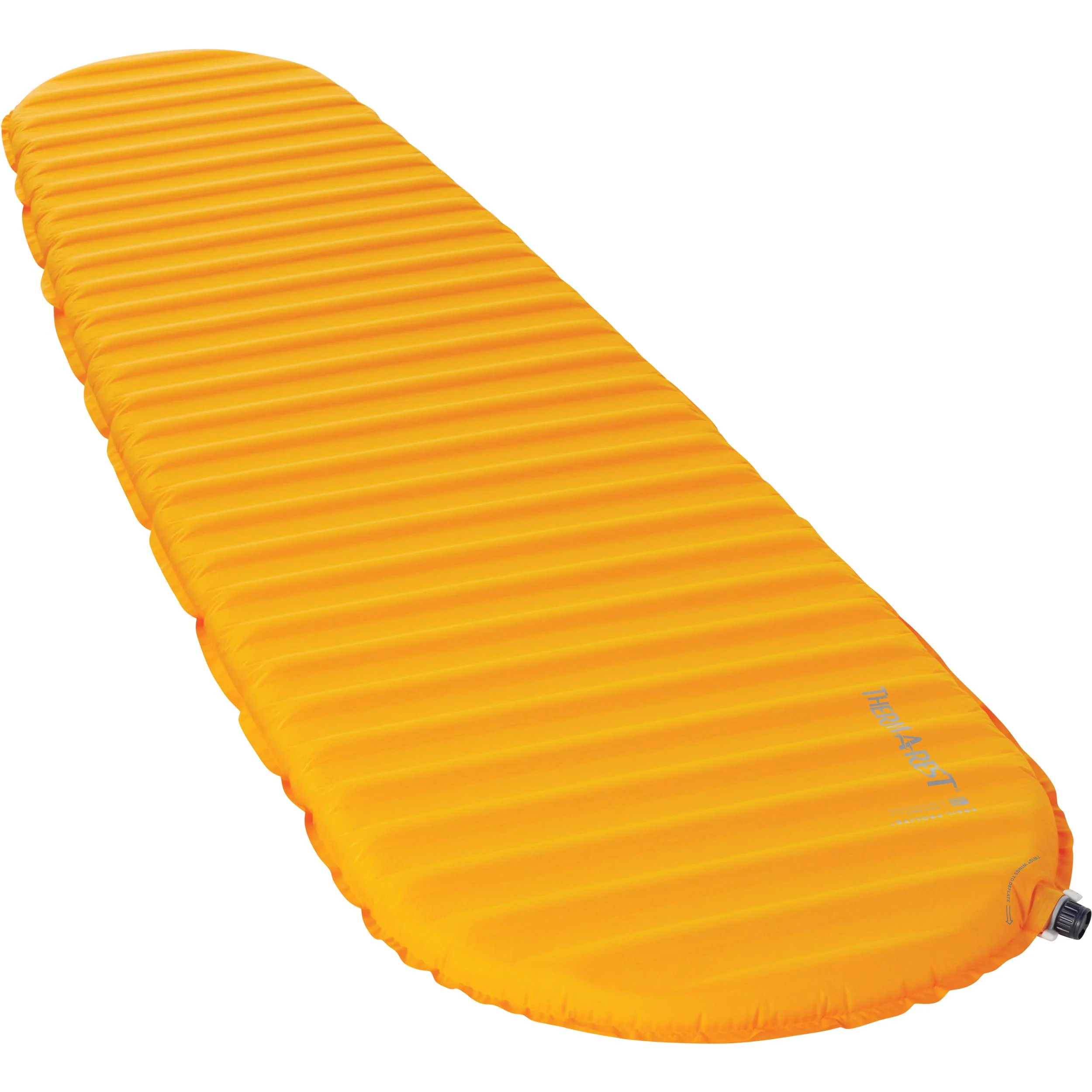
Comfort in the backcountry is rarely a matter of luck; it is a measurable, engineered outcome. While manufacturers often lean on "R-value" as the primary marketing metric, true sleep quality is the result of a complex interplay between inflation pressure, baffle geometry, system integration, and the physical interface between the sleeper and the pad. As we look at the state of the market in 2026, it is clear that the industry has moved beyond simple foam mats into an era of sophisticated, high-performance inflatable systems.
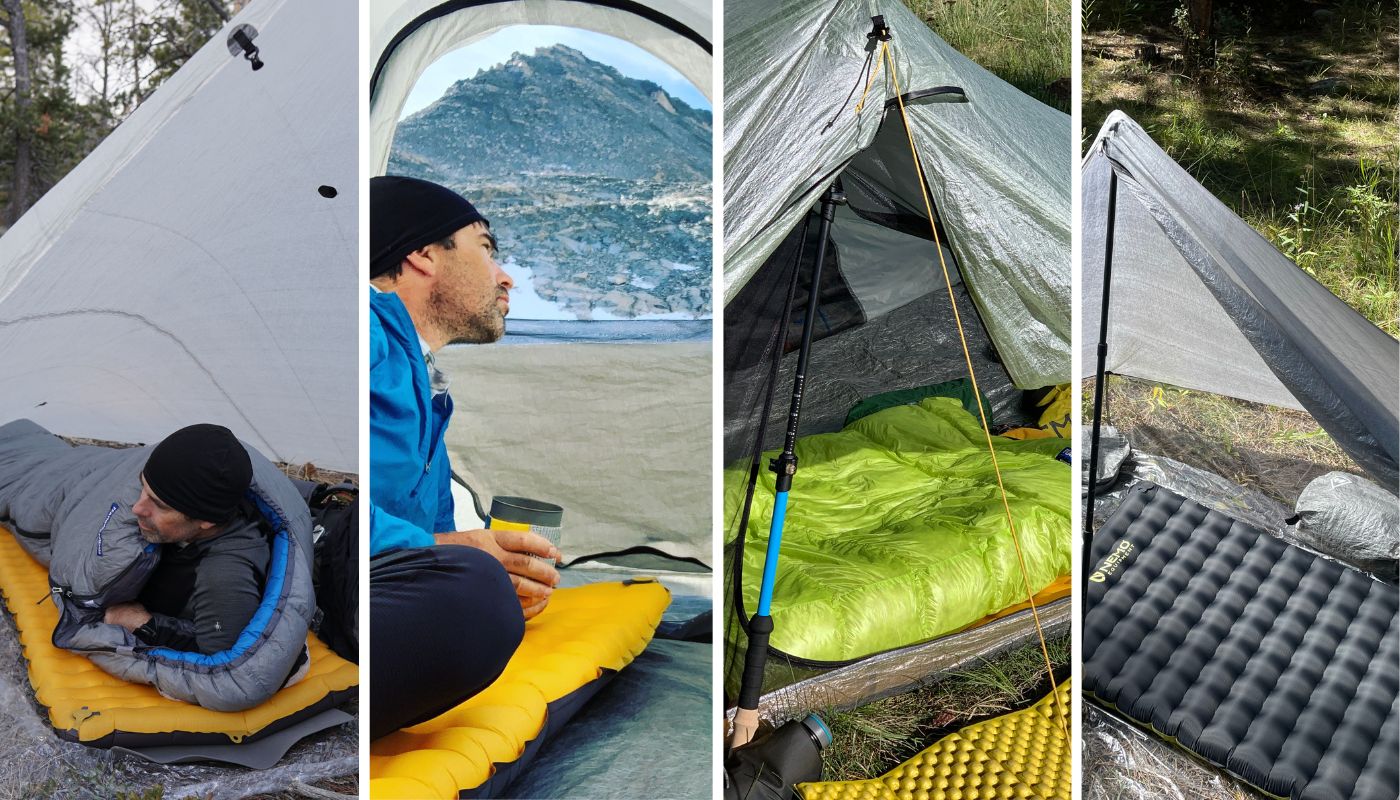
The Evolution of the Sleeping Pad: A Chronology
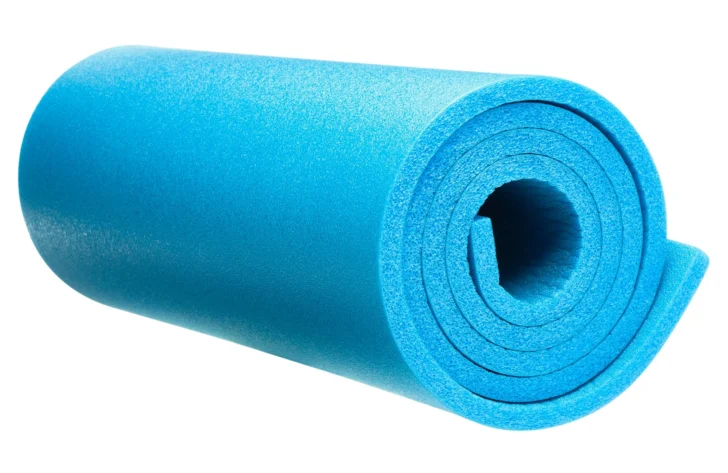
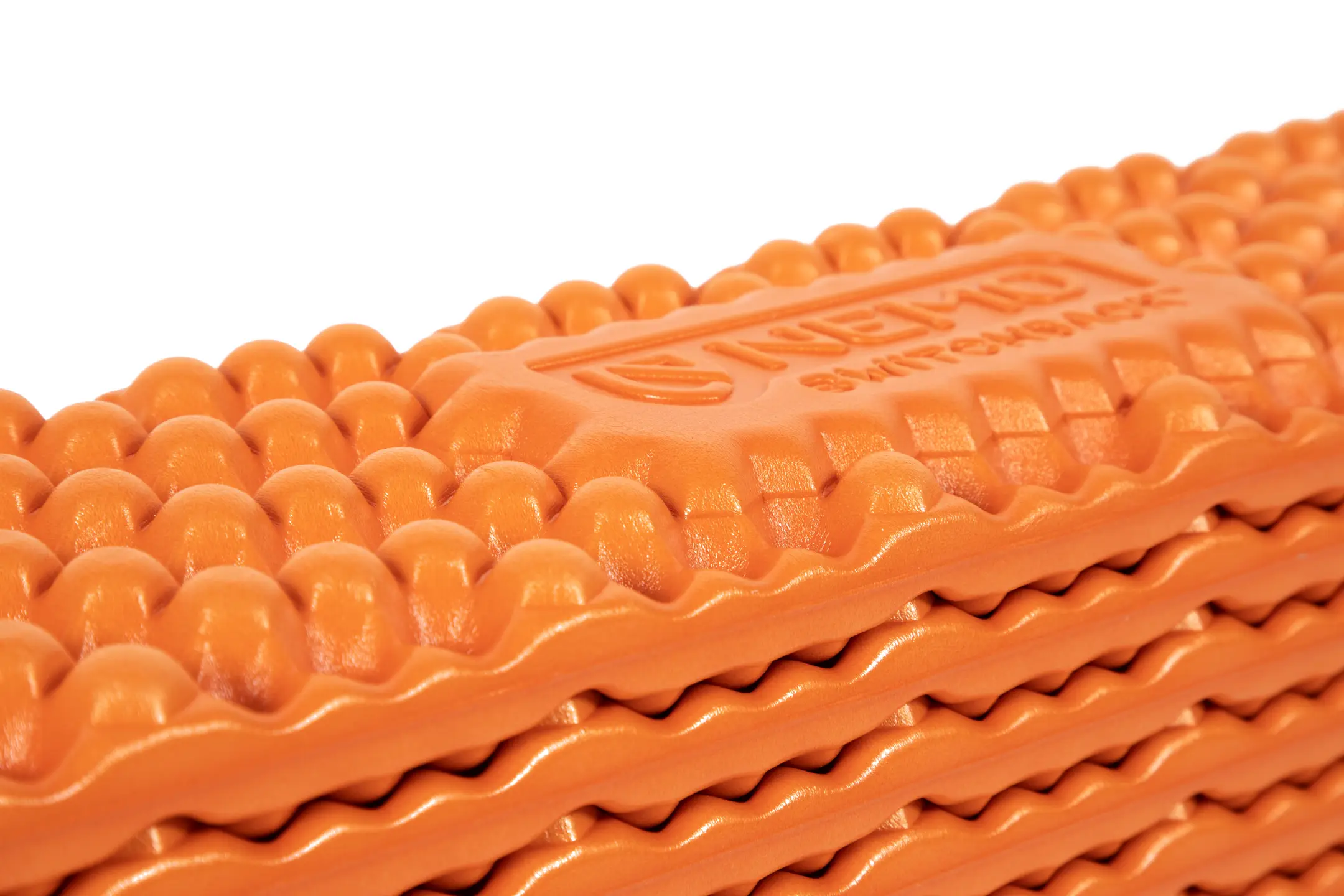
The journey of the modern sleeping pad began in the 1960s with the ubiquitous blue, cross-linked polyolefin closed-cell foam pad. For decades, this $6, half-pound slab was the gold standard. It was impervious to punctures and required zero maintenance. However, it offered minimal insulation and negligible cushioning.
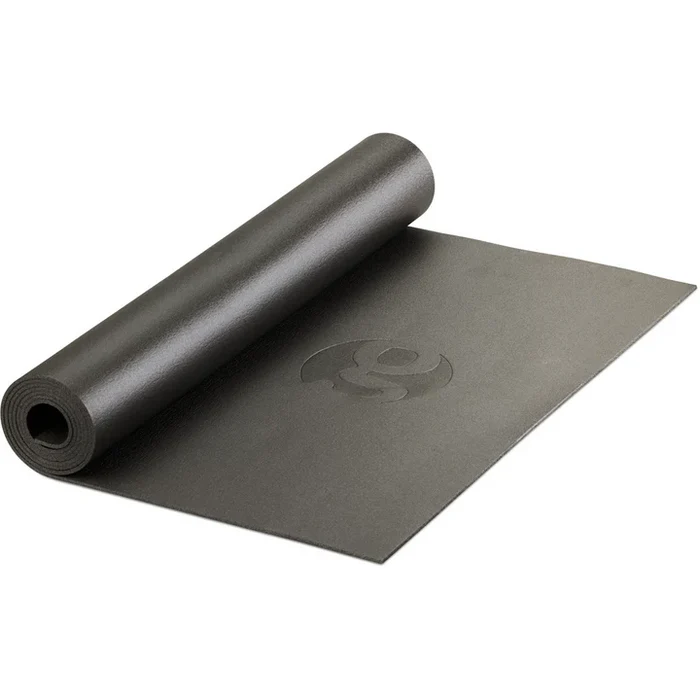
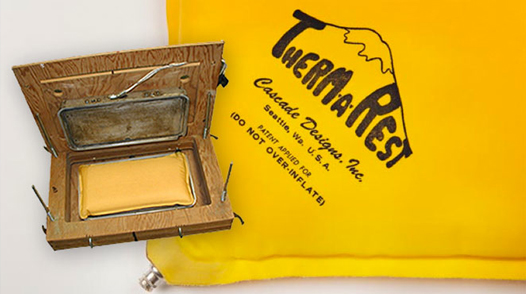
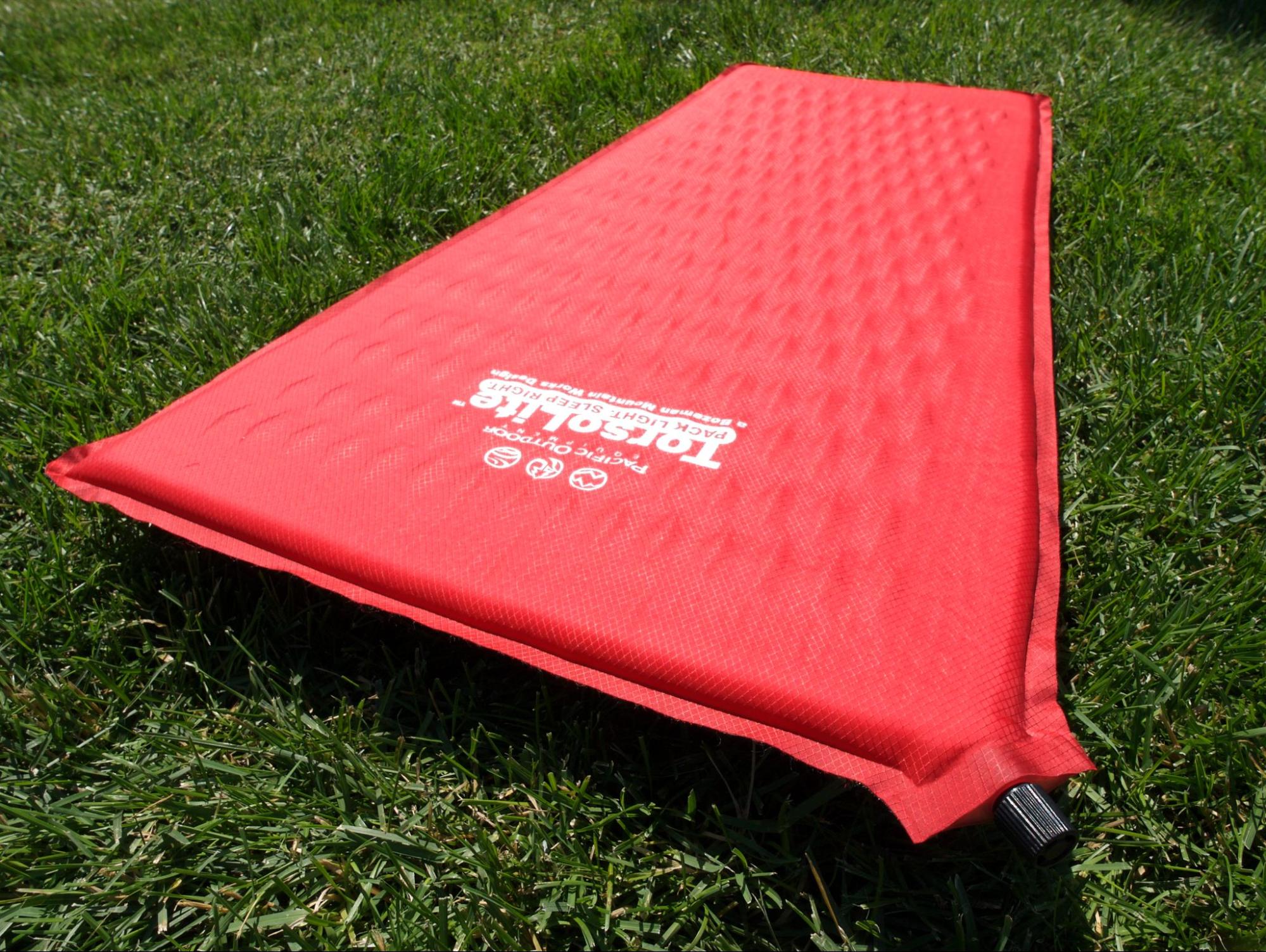
The paradigm shifted in 1973 with the introduction of the original Therm-a-Rest—a self-inflating, open-cell foam-filled mattress. While it offered a significant leap in comfort, it introduced the fragility of welded seams and the perpetual risk of fabric puncture.
The most transformative moment occurred in 2009 with the debut of the Therm-a-Rest NeoAir. By abandoning foam filling in favor of air-chamber technology and advanced reflective barriers, the industry unlocked a new threshold: a 3-inch thick pad that weighed as little as a foam mat but provided vastly superior warmth and comfort. Today, we have entered the "post-foam" era, where non-self-inflating, high-R-value air pads dominate the market, characterized by specialized baffle geometries and high-denier, lightweight fabrics.
Performance Analysis: The State of the Market
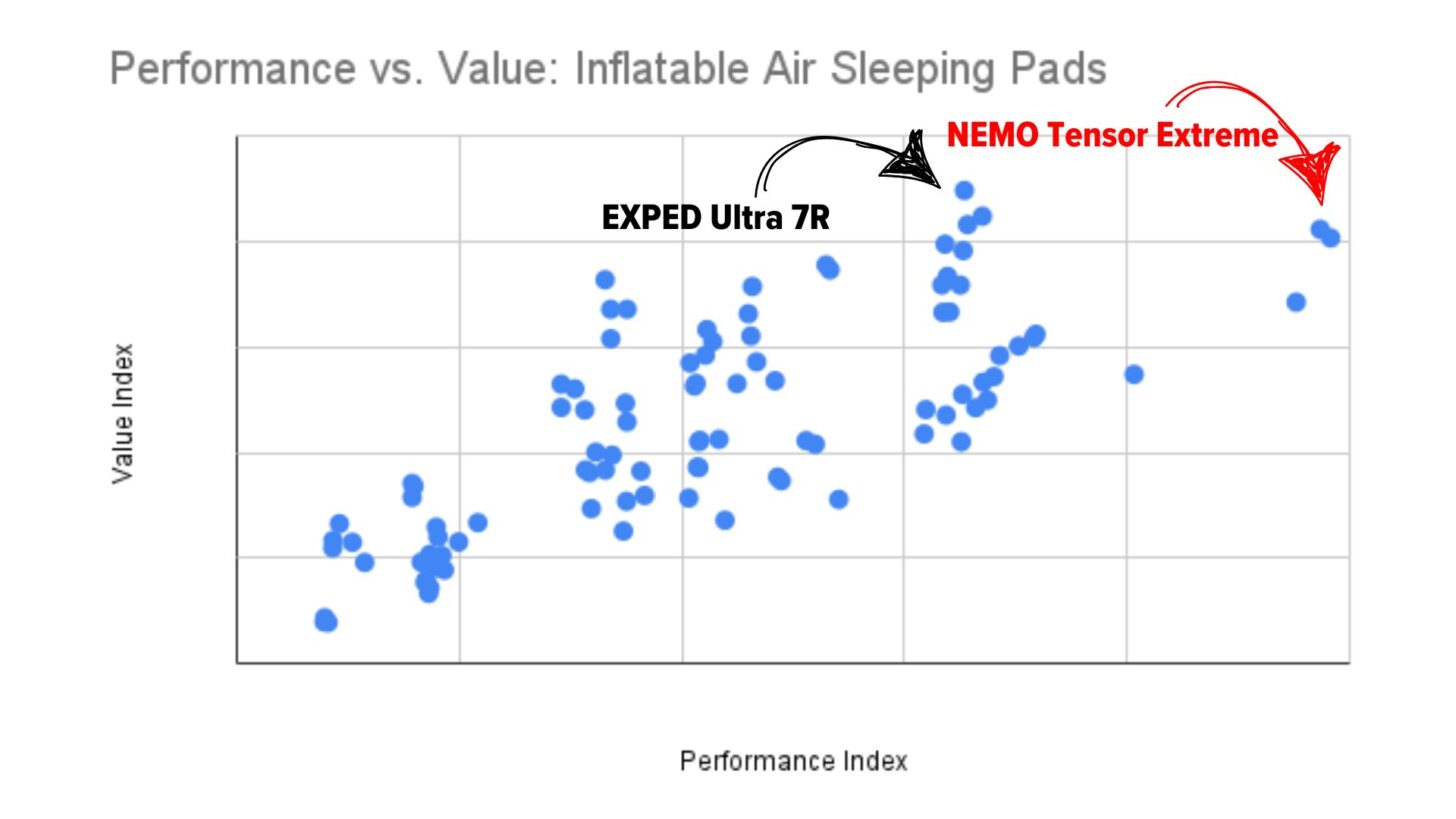
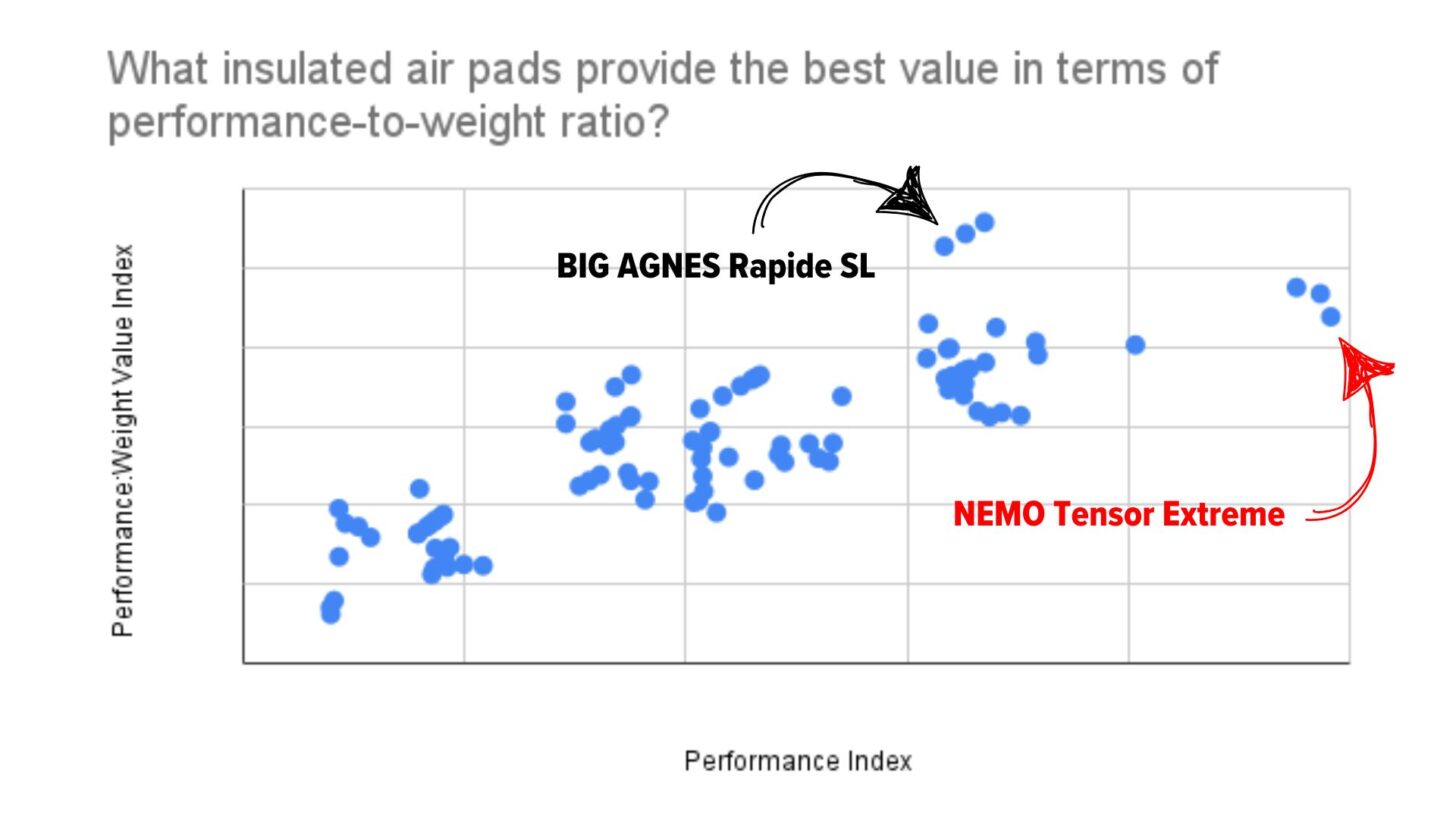
With over 300 models currently available from more than 20 major manufacturers, the sleeping pad market has become highly commodified. However, our 2026 data analysis reveals that two brands, NEMO and Therm-a-Rest, continue to dictate the state-of-the-art.

The Rise of the "Regular-Wide"
Perhaps the most significant change in user experience over the last five years is the adoption of the "Regular-Wide" (RW) geometry. While weight-conscious hikers traditionally gravitated toward 20-inch wide mummy pads, the move to 25-inch widths has proven to be the single most effective way to improve sleep continuity. A wider pad eliminates "roll-off," supports the arms during back sleeping, and allows for natural splaying in side-sleeping positions, justifying the marginal weight penalty.
Data-Driven Comparisons (Regular-Wide Specifications)
| Model | Shape | Thickness | Weight (oz) | R-Value | R/Weight Ratio |
|---|---|---|---|---|---|
| NEMO Tensor All-Season | Rectangular | 3.5 in | 19 | 5.4 | 0.28 |
| NEMO Tensor Extreme | Rectangular | 3.5 in | 22 | 8.5 | 0.39 |
| Therm-a-Rest XTherm NXT | Mummy | 3.0 in | 20 | 7.3 | 0.37 |
| Rab Ultrasphere 5 | Mummy | 3.5 in | 16 | 5.5 | 0.34 |
| Therm-a-Rest XLite NXT | Mummy | 3.0 in | 16 | 4.5 | 0.28 |
Baffle Architecture: The Mechanics of Stability
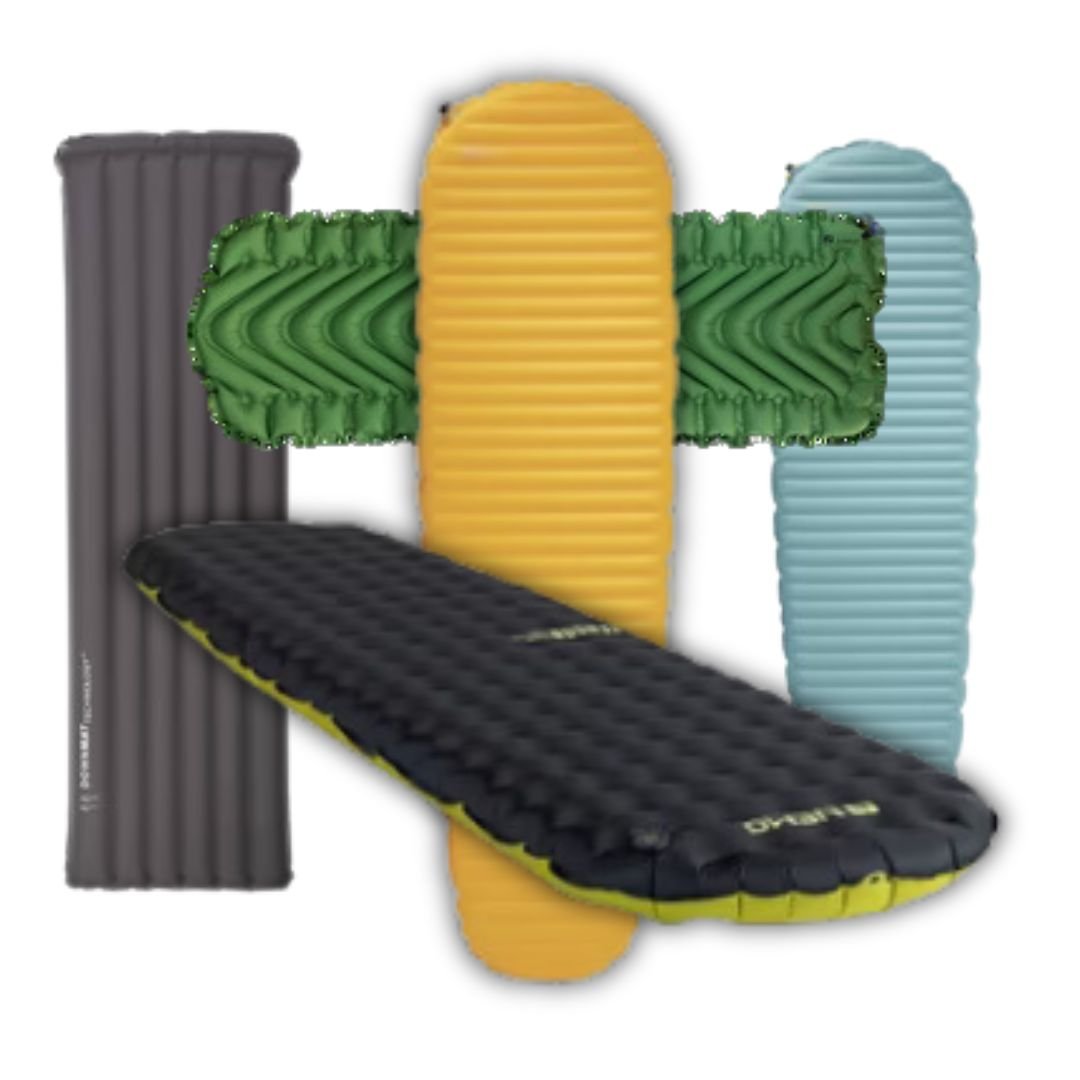
Stability—the pad’s ability to maintain its geometry under the weight of the user—is the primary predictor of comfort. We categorize this into four distinct architectures:

- Horizontal Baffles: These offer a smooth, continuous surface. They are excellent for weight distribution but can be prone to "bottoming out" if the pressure is not dialed in correctly.
- Vertical Baffles: These align with the body’s longitudinal axis. They provide consistent support from head to toe but can feel less stable during lateral movement.
- Air-Sprung Cells: Mimicking a pocket-sprung mattress, these dot-welded chambers compress independently. This offers a "floating" sensation that is highly conformable but can be noisier during movement.
- 3D Welds: The current frontier of design. By strategically placing internal welds, manufacturers can control chamber depth in specific zones (shoulders vs. hips). This provides the highest level of stability and is the hallmark of the modern premium pad.
Implications for the Backpacker
For those looking to optimize their kit, the data suggests three distinct paths:

1. The Warmth-to-Weight Leader
If you are a four-season hiker, the Therm-a-Rest NeoAir XTherm NXT remains the gold standard. Its proprietary reflective technology and baffle design provide unparalleled thermal efficiency. However, users should be prepared for the characteristic "crinkle" noise of the internal materials.
2. The Comfort and Stability Choice
For users prioritizing quiet operation and structural stability, the NEMO Tensor series is the preferred choice. The 3D welding technology provides a more stable, less "bouncy" platform than traditional horizontal baffles.
3. The Budget-Conscious Performer
The REI Helix Insulated pad has emerged as the definitive value-leader. By replicating many of the stability features of high-end pads at a significantly lower price point, it provides a high-performance floor for the cost-conscious adventurer.
Expert Protocol: The Field Comfort Checklist
To achieve optimal sleep, we recommend moving away from "feeling" if the pad is inflated enough and moving toward a standardized protocol.
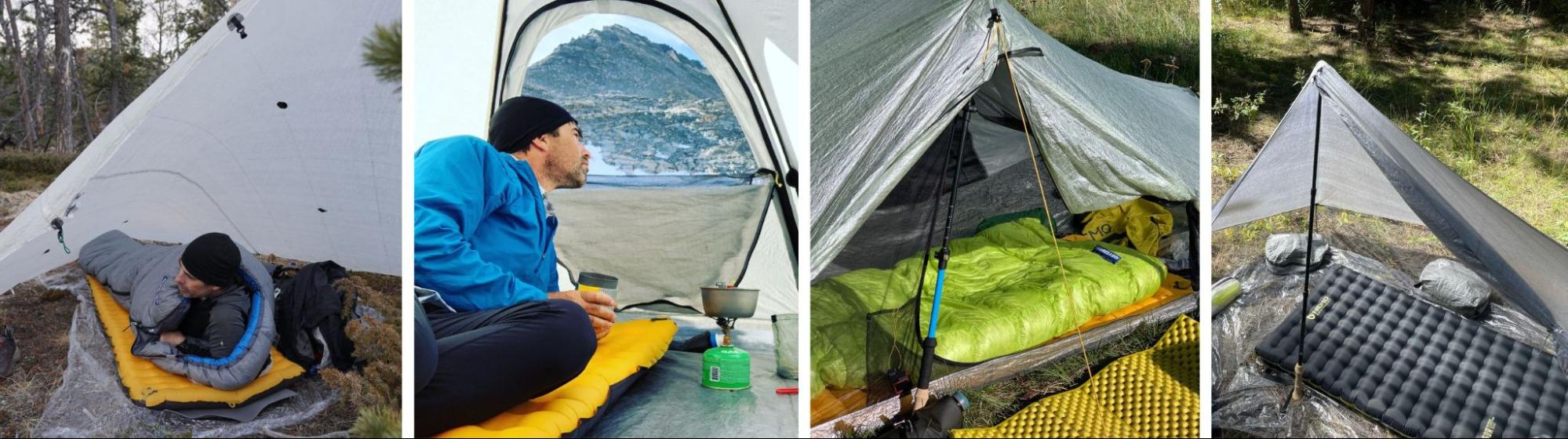
- Calibration: Inflate your pad until your hip, when sitting, is supported just above the ground. This "deflection target" varies by sleeping position; side sleepers require slightly higher pressure to prevent hip pressure points, while back sleepers can benefit from slightly lower pressures to allow the pad to cradle the spine.
- System Integration: If you are using a bivy sack, utilize a narrower pad to prevent material constriction. If you are sleeping on frozen ground, do not rely on a single inflatable pad. The "two-pad system"—an inflatable pad on top of a closed-cell foam pad—provides both the necessary R-value for sub-zero temperatures and a critical layer of puncture protection.
- The Skin Interface: Humidity and friction are the enemies of rest. A light, fitted pad sheet or even a thin base layer can prevent the clammy, "sticky" feeling common with modern synthetic fabrics.
- Inflation Efficiency: Stop using your lungs. The introduction of moisture into an insulated pad can degrade its thermal performance over time. Use an inflation sack, or for long-distance efforts, a high-quality, lightweight electric pump like the Flextail Zero Pump.
Summary and Final Considerations
The sleeping pad is no longer just a piece of foam; it is a sophisticated, tuned system. By selecting a pad with a baffle architecture that matches your sleep style, opting for a wider geometry, and maintaining proper inflation pressures, you can transform your sleep quality in the backcountry.
As we move through 2026, the trend toward specialized fabrics—such as the stretch-knit surfaces seen in the Zenbivy Flex Air—suggests that the next frontier of comfort will be focused on the "feel" of the pad surface. Regardless of the brand you choose, remember that the best pad is the one that you have tuned to your specific biomechanics. Don’t just carry a pad; carry a system that is calibrated for the conditions you face.

Disclosure: This report is based on a comprehensive analysis of over 300 sleeping pads conducted in May 2026. All featured products have undergone independent field testing by the Backpacking Light team. Recommendations are based on performance-to-weight and value-to-cost indices.