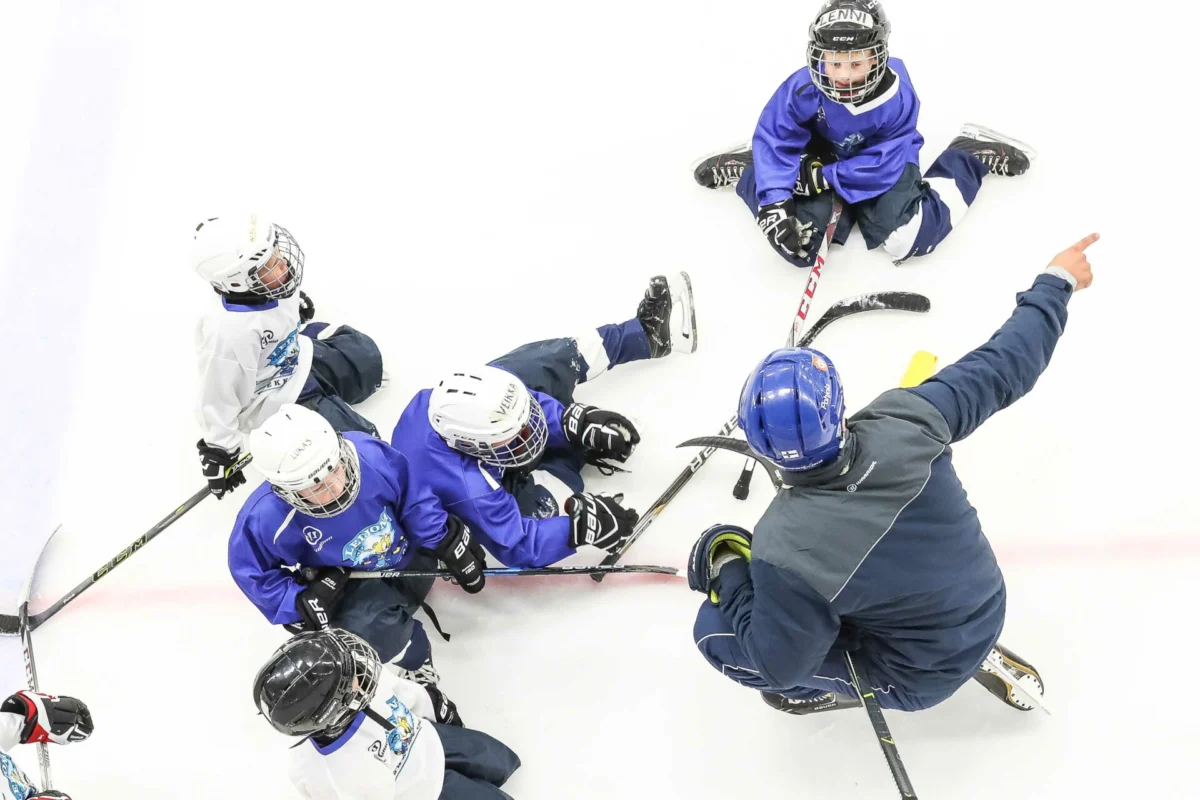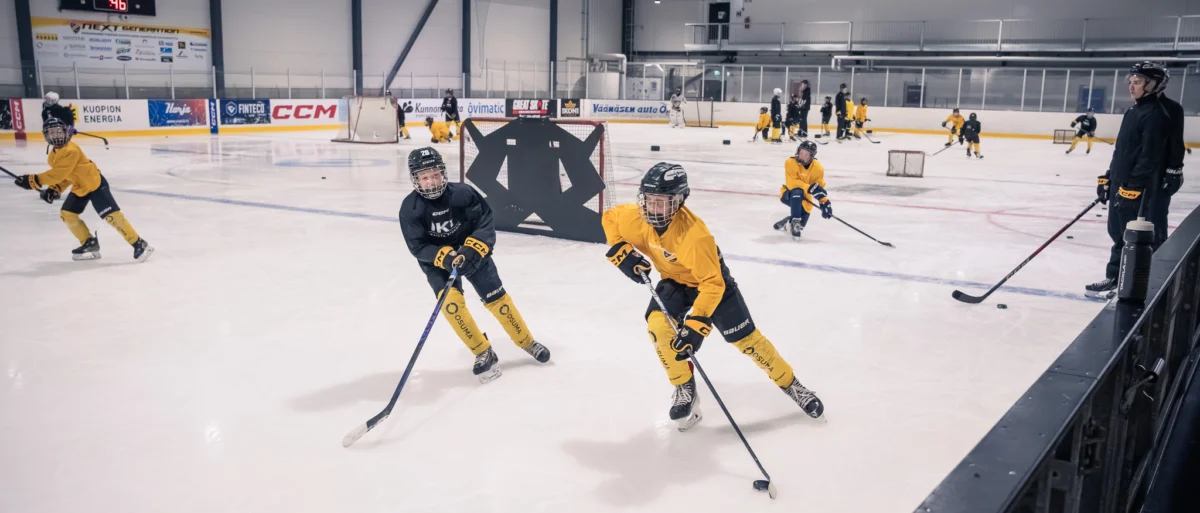
In an era where the landscape of children’s sports is undergoing a profound transformation, the Finnish ice hockey club Juniori-KalPa has emerged as a beacon of progressive development. By codifying their athletic philosophy into a comprehensive "Athletic Operations Handbook," the club is moving beyond traditional performance metrics—such as league standings and victory tallies—to focus on the holistic development, well-being, and long-term retention of their young athletes.
This shift, which aligns with the broader "Children’s Sports Framework" championed by the Finnish Olympic Committee and the updated "Player Path" of the Finnish Ice Hockey Association, represents a critical pivot in how sports organizations nurture the next generation of talent.
The Core Philosophy: A Shift from Results to Relationships
The Juniori-KalPa handbook is not merely a collection of rules; it is a strategic blueprint that prioritizes versatility, individual developmental paths, and the fundamental right of every child to progress according to their own personal goals.
According to Benjamin Laurinkari, the Junior Sports Director for the KalPa community, the handbook serves as the "connective tissue" that links the club’s daily operations with national standards. "The framework provided by the Finnish Ice Hockey Association and the national children’s sports guidelines helped us articulate and unify our existing practices," Laurinkari explains. "It turned implicit values into an explicit, actionable strategy."
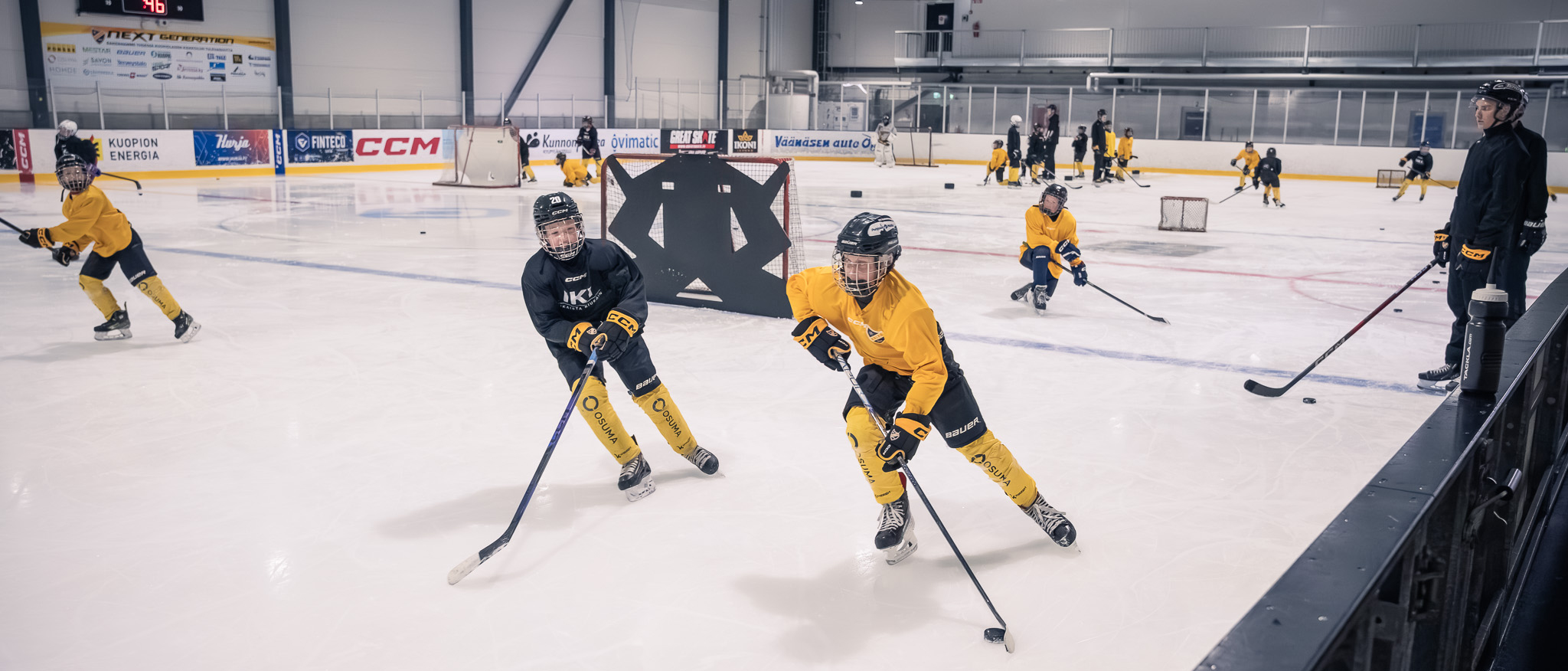
Key Pillars of the New Approach:
- Active Time & Intensity: Increasing the actual movement time during training sessions.
- Versatility: Ensuring training is not narrowly specialized, fostering better overall motor skills.
- Psychological Safety: Prioritizing an environment where children feel secure, heard, and valued.
- Individualization: Recognizing that every child matures at a different rate and has different athletic aspirations.
Chronology of Change: From Tradition to Modern Methodology
The evolution of Juniori-KalPa’s operations did not happen overnight. While the written handbook is a recent addition, its content reflects a cultural shift that has been brewing within the club for years.
Phase 1: Alignment (Pre-2025)
The club began by auditing its own internal practices against national standards. During this period, leadership identified a disconnect between how "success" was perceived by parents/coaches and how it was actually impacting the children’s long-term engagement.
Phase 2: Implementation (2025–2026)
The formalization of the handbook provided coaches with a "red thread"—a consistent guiding principle. The introduction of the "Hockey Centre" digital tracking tool allowed for real-time feedback loops, enabling coaches to evaluate whether their sessions met pedagogical goals rather than just tactical ones.
Phase 3: Feedback & Refinement (Present)
The current phase focuses on direct engagement with the athletes. By systematically collecting feedback from players as young as 11, the club is now using data to iterate its training programs, ensuring that the "coaching" is actually resonating with the "players."
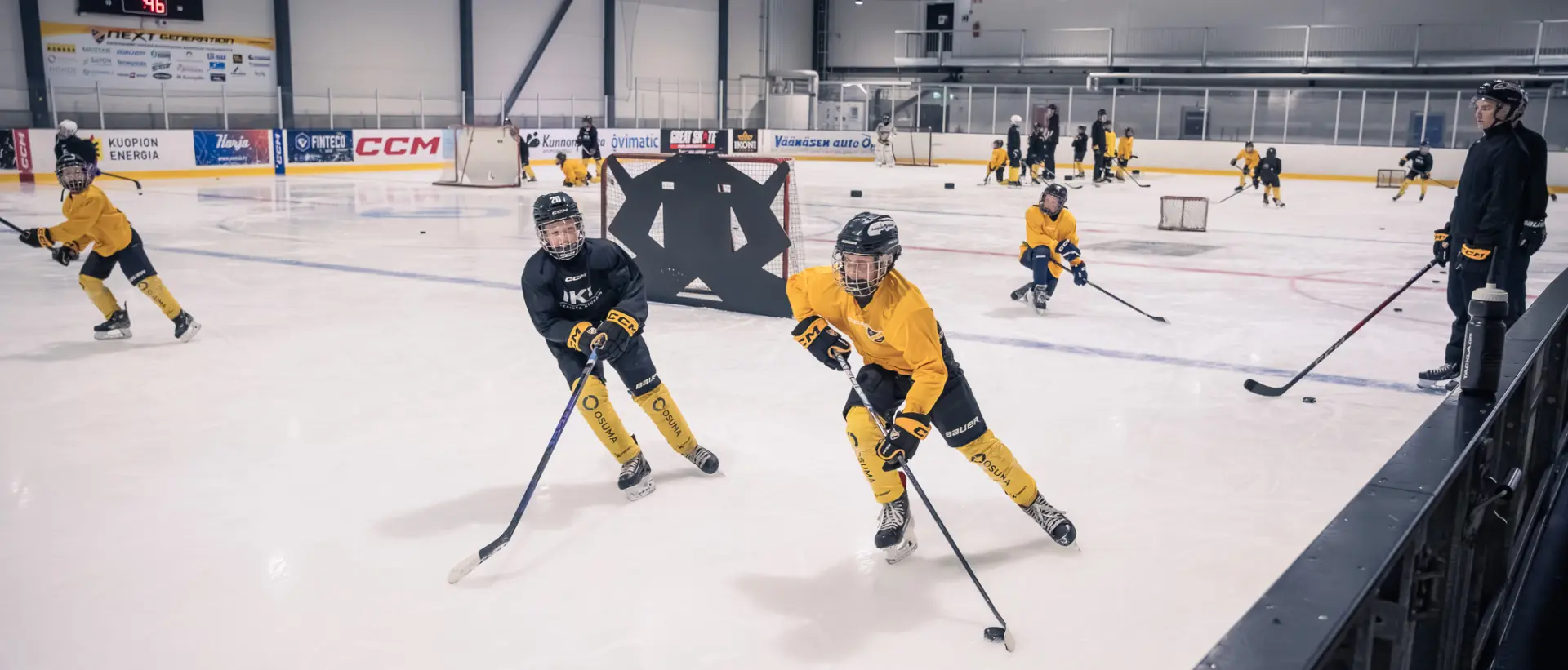
Supporting Data: The Power of the "Pulse"
One of the most innovative aspects of Juniori-KalPa’s strategy is the integration of the Hockey Centre system. This digital platform facilitates a "mood survey" that goes out to young players automatically once a month.
Teemu Koljonen, the U10–U13 coaching manager, highlights the efficiency of this data-driven approach. "It takes a child about a minute to answer the survey. It doesn’t burden the coaches with extra administrative work, but it provides us with immediate insights into the team’s atmosphere and the individual’s experience of ‘fun’ and ‘safety’."
Key Findings from Internal Audits:
- Communication Gaps: Data revealed that children felt they weren’t receiving enough constructive feedback in their daily routines.
- Corrective Action: The club immediately revamped its feedback protocols, shifting from one-way instruction to two-way, dialogue-based interactions.
- Retention Correlation: Early indicators suggest that as the "feeling of being heard" increases, the drop-out rate among the 11–13 age bracket decreases.
Official Perspectives: A National Model
Olli Savikko, the Junior Manager for the Finnish Ice Hockey Association, has lauded Juniori-KalPa’s efforts as a blueprint for other clubs. "The goal of the national framework is to improve the quality of sports in the rink and the quality of daily life outside it," Savikko says. "In Juniori-KalPa, we see a club that has successfully translated high-level policy into the granular reality of youth training."
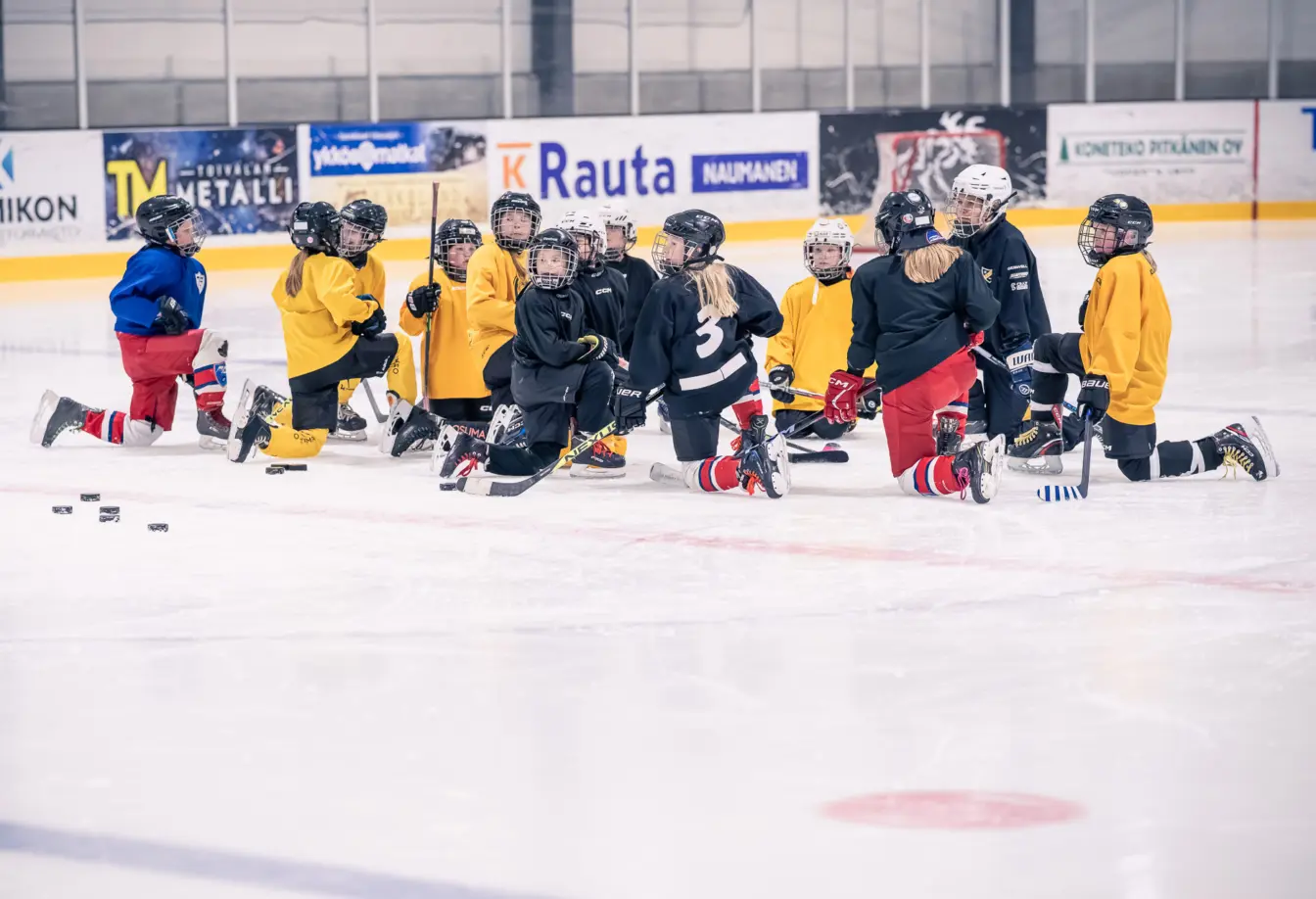
Savikko emphasizes that the "quality of daily life" is the true differentiator. "When an exercise has a clear goal, when children are handling the puck frequently, and when there is a culture of open, honest interaction, you stop seeing children as mere cogs in a team machine and start seeing them as individuals."
The Athletes’ Voice: What the Children Say
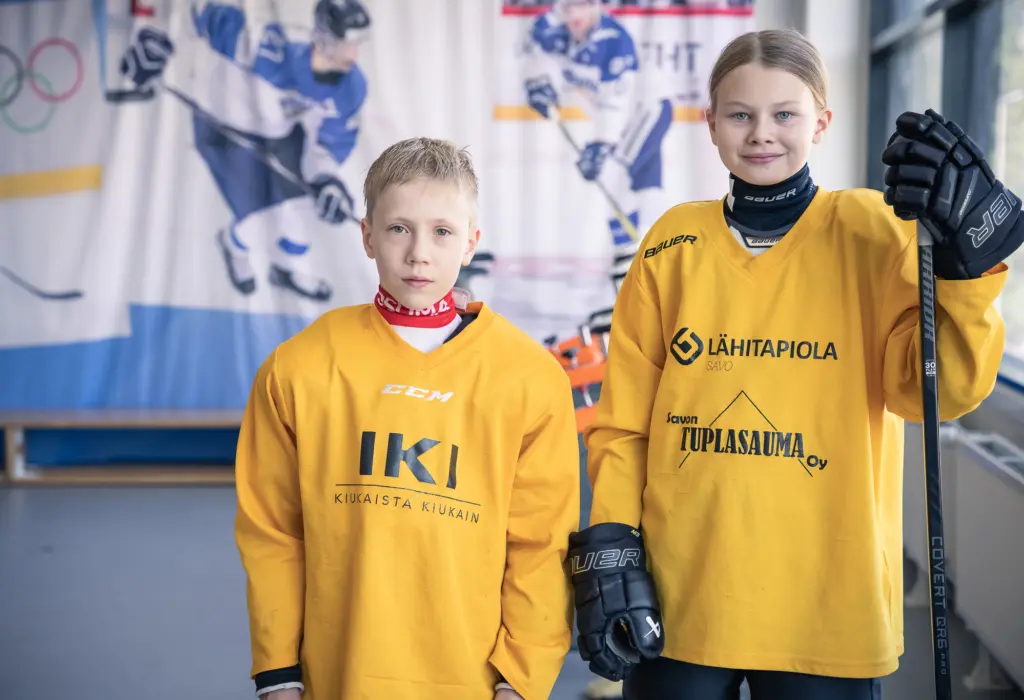
While the administrative and coaching sides are critical, the ultimate test of any athletic program is the experience of the players. Martta Kokkonen and Otto Uimonen, both 11-year-old participants in the 2026 summer hockey camp, offer a refreshing perspective on the changes.
"It feels nice that we are asked for our opinion," says Kokkonen. "I’ve given feedback on a few things. If I were to improve something, it would be the team spirit—I’d like us to do more tasks as a whole group rather than in small, separated clusters."
Uimonen, similarly, appreciates the agency the system provides. "I’ve given feedback about our skating drills. It’s cool to feel like you have a say in the session."
Both children emphasize that while they want to "sweat and work hard," the social element is the glue that keeps them coming back. For them, a "good practice" is one that is intense, varied, and allows for authentic connection with friends.
Implications: A Broader Crisis in Finnish Youth Sports
The initiatives at Juniori-KalPa are occurring against a backdrop of national concern. The Finnish Olympic Committee has noted that the overall physical activity levels of Finnish children are in decline. Furthermore, the "specialization trap"—where children are funneled into a single sport too early—is contributing to a wave of premature drop-outs.
The Macro-Trend:
- Reduced Daily Activity: Children are moving less in their free time, leading to weaker fundamental motor skills.
- Early Specialization: The pressure to "go pro" is driving families to choose a single sport at younger and younger ages.
- High Attrition: The combination of rigid, joyless training and early specialization is driving children out of sports before they reach their teenage years.
The collaboration between the Olympic Committee and 40 national sports federations to change this narrative is not merely a suggestion; it is a necessity for the future of Finnish health and sporting success. Juniori-KalPa proves that the solution is not to lower the bar of excellence, but to broaden the base of participation.
Conclusion: Setting the Standard
Juniori-KalPa has demonstrated that excellence is not the enemy of enjoyment; rather, they are symbiotic. By implementing a handbook that prioritizes the athlete’s voice, clear coaching objectives, and a culture of psychological safety, they have created a sustainable ecosystem.
As the rest of the Finnish sports world watches, the lessons from this project are clear: if you want to build a better player, you must first build a better environment. By focusing on the "human" in the "human athlete," Juniori-KalPa is ensuring that the future of hockey in Finland remains bright, active, and, most importantly, inclusive for the next generation.