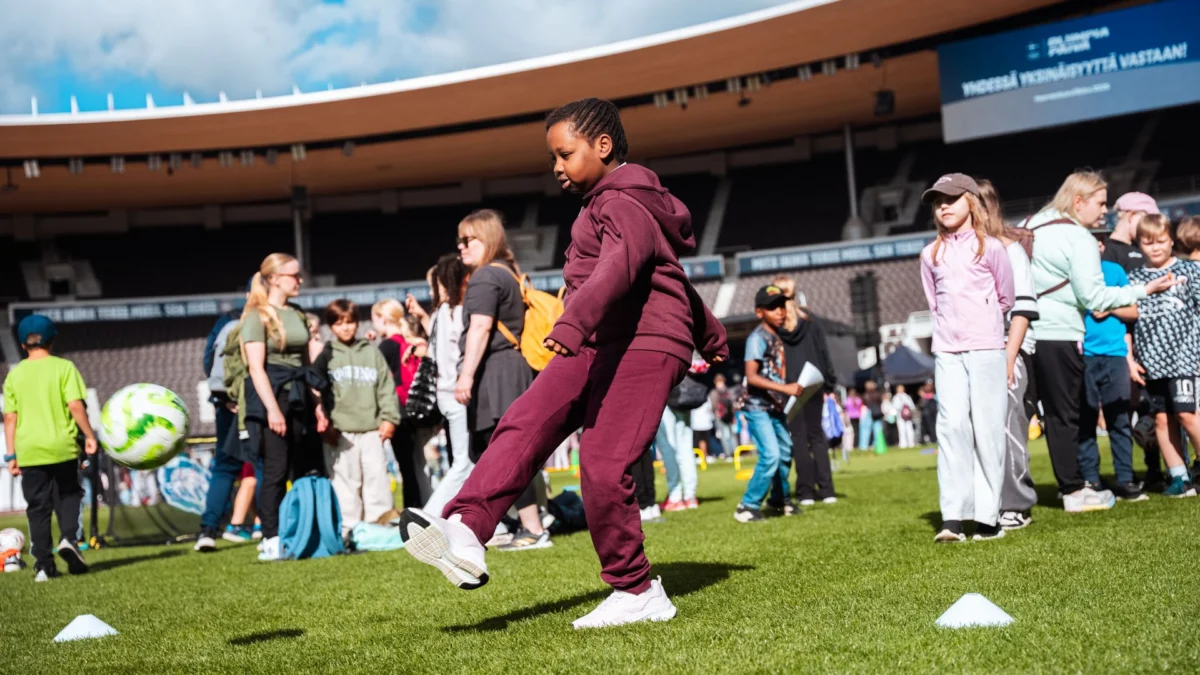
On September 4, 2026, the iconic Helsinki Olympic Stadium—a site steeped in the history of the 1952 Summer Games—was transformed into a vibrant hub of physical activity, community spirit, and discovery. The event, aptly titled "Olympiapäivä" (Olympic Day), drew an impressive crowd of 8,000 attendees, ranging from curious toddlers to active seniors, all united by a single purpose: to explore new sports and rediscover the joy of movement.
With nearly 40 different sporting disciplines available for trial, the event served as a massive, low-threshold gateway to active lifestyles. By creating an environment where intimidation is replaced by invitation, the organizers sought to combat sedentary habits and foster a culture of lifelong participation in sports.
The Chronology of the Day: From Morning Energy to Afternoon Achievement
The atmosphere at the stadium was electric from the moment the gates opened. The day was carefully curated to ensure that every attendee, regardless of skill level, could find a point of entry into the world of athletics.
Morning: The School Surge
The morning hours were dominated by the enthusiasm of youth. More than 6,000 schoolchildren from the Helsinki metropolitan area descended upon the stadium as part of their school day. For many of these students, the event was more than just a break from the classroom; it was a rare opportunity to step out of their comfort zones. Whether it was testing their agility in a pop-up obstacle course, trying their hand at archery, or learning the footwork of a new martial art, the students experienced a whirlwind of physical activity.
Midday: Diverse Exploration
As the afternoon progressed, the demographic shifted, with families and individual sports enthusiasts filling the arena. The sheer variety of the 40 sports on offer meant that no corner of the stadium was idle. Coaches and volunteers from various Finnish sports federations were on hand, providing expert guidance and ensuring that every trial was safe and encouraging.
Late Afternoon: Reflection and Community
As the sun began to dip, the event transitioned into a celebration of community. The focus shifted toward the "Together Against Loneliness" theme—a cornerstone of Finland’s national hobby week. The stadium, which has stood as a symbol of unity for over seven decades, once again proved its worth as a communal space where social barriers are lowered through the shared language of physical exertion.
Supporting Data: Why "Low-Threshold" Matters
The success of Olympiapäivä lies in its methodology. Public health data suggests that the greatest barrier to starting a new sport is the fear of being "out of place" or lacking the necessary skills. By providing a "no-pressure" environment, the event dismantled these psychological barriers.
- Participation Volume: Over 8,000 participants.
- School Engagement: Over 6,000 students involved, ensuring that the event reached children from diverse socio-economic backgrounds.
- Diversity of Choice: Nearly 40 distinct sports, ranging from mainstream team sports to niche athletic disciplines.
- Accessibility: The event was free to the public, ensuring that financial status was not a hurdle to participation.
This data underscores a growing trend in public health initiatives: the move away from competitive-only events toward "experience-based" physical activity. The goal is not necessarily to find the next Olympic medalist, but to ensure that every participant leaves with a positive memory of physical activity, which is the primary predictor of future participation.
Official Responses: Insights from the Leaders
The event was a collaborative triumph, orchestrated by the Finnish Olympic Committee in partnership with the City of Helsinki, the Olympic Stadium, and the Sports Museum of Finland (Tahto).
Liisa Ahlqvist-Lehkosuo, Sports Director at the Finnish Olympic Committee, emphasized the philosophy behind the event’s design. "We wanted to make Olympiapäivä a place where trying something new is easy and where you are encouraged to show up as your authentic self," she remarked. "When diverse sports, people, and communities collide in a single day, it sparks a unique potential. We believe this event reminded everyone that the joy of movement is often ignited by doing things together."
Tarja Loikkanen, Director of Sports for the City of Helsinki, highlighted the historical resonance of the venue. "Olympiapäivä showed concretely how important it is to provide children, youth, and families with opportunities to move," Loikkanen noted. "It was wonderful to see thousands of schoolchildren experiencing this joy in an iconic environment like the Olympic Stadium. The event gained special meaning as we look ahead to next year, when we celebrate the 75th anniversary of the 1952 Summer Olympics. It serves as a reminder that the legacy of those games is still alive in the everyday lives of Helsinki residents through exercise, community, and the discovery of new hobbies."
Implications: Beyond a Single Day
While Olympiapäivä was a singular event, its organizers are keenly aware that the long-term goal is sustained activity. A one-day event is only successful if it provides a roadmap for what comes next.
The Digital Bridge to Local Clubs
To ensure the momentum of the day is not lost, the Finnish Olympic Committee has directed participants toward digital resources that facilitate long-term engagement. The Suomisport search tool allows individuals to find local sports clubs based on location, interest, and skill level. Additionally, the network of "Tähtiseura" (Star Clubs)—certified, high-quality sports organizations across Finland—provides a safe and structured environment for those who discovered a new passion at the stadium.
The Social Value of Sports Clubs
The messaging during the event was clear: sports clubs are about more than just physical fitness. In an era where digital isolation is a growing societal concern, local sports clubs act as vital social anchors. They are places where lifelong friendships are forged, where participants experience the highs and lows of collective achievement, and where individuals find a sense of belonging. By promoting these clubs, the Olympic Committee is advocating for a stronger, more connected Finnish society.
Looking Toward the Future
The 2026 Olympiapäivä has set a high benchmark for future public health and sports promotion events. It has demonstrated that when institutions collaborate—combining the resources of the city, the reach of the Olympic Committee, and the passion of local volunteer coaches—the results are profound.
As Helsinki approaches the 75th anniversary of the 1952 Games, the focus is clearly shifting toward ensuring that the next generation of Finns views the Olympic Stadium not just as a monument to the past, but as a living, breathing part of their future. The success of this year’s event proves that the appetite for such engagement is immense.
For the 8,000 who walked through the stadium gates on September 4, the takeaway was simple: sport is not an exclusive domain for the elite; it is a universal right and a source of collective joy. As the echoes of the day fade, the hope remains that those thousands of "first attempts" will evolve into thousands of new, lifelong passions, strengthening the physical and social fabric of the nation one game at a time.
The 2026 Olympiapäivä was organized by the Finnish Olympic Committee in collaboration with the City of Helsinki, the Olympic Stadium, the Sports and Physical Culture Center Tahto, as well as the committee’s member organizations, local sports clubs, and corporate partners. Additional support was provided by HK and Jenkki, with promotional outreach powered by Ocean Outdoor, Bauer Media, and Aktiivimedia.