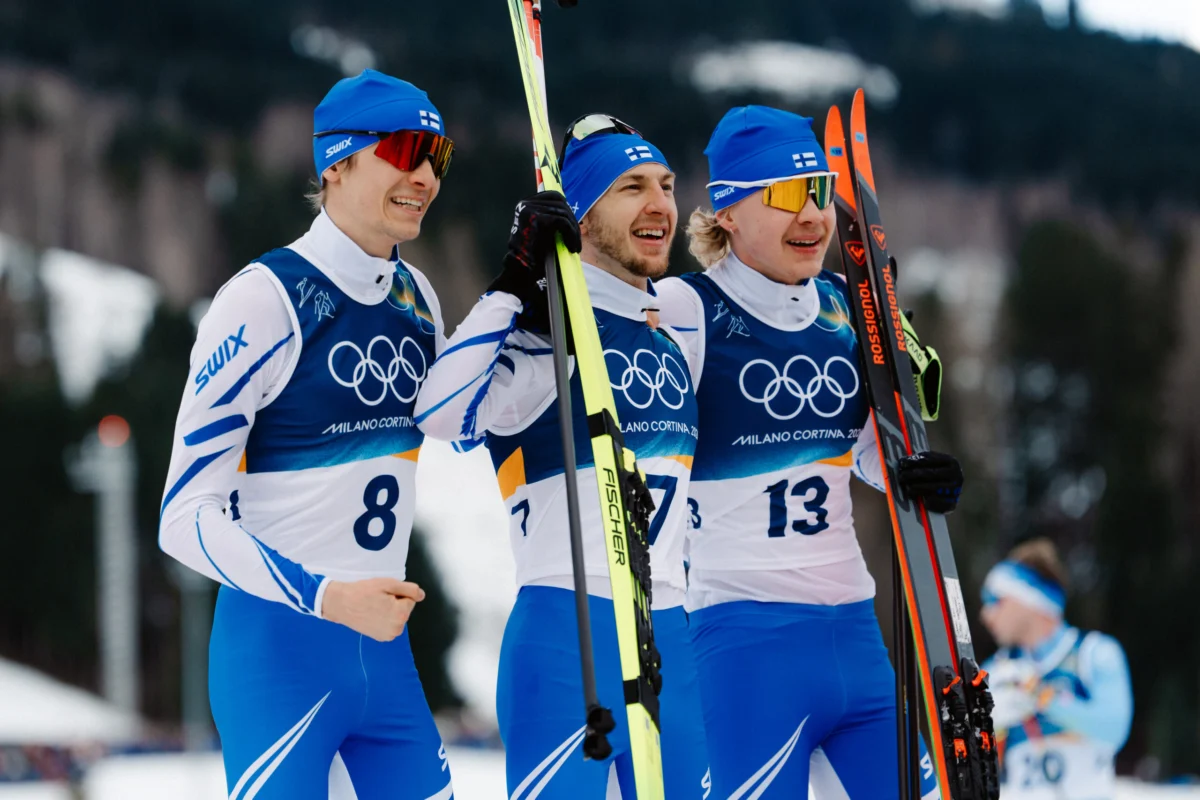
The Finnish Olympic Committee (FOC) has officially weighed in on the government’s proposed overhaul of the national student financial aid system, marking a potential turning point for the country’s elite athletic community. In a formal statement released this week, the Committee lauded the government’s legislative proposal, characterizing it as a significant and highly positive step toward formalizing the support structures required for student-athletes to excel both in their sport and their academic pursuits.
As the proposal heads to Parliament for debate this autumn, with a targeted implementation date of the autumn of 2027, the discourse surrounding the “dual career” model—the ability to pursue world-class athletics while simultaneously earning a degree—has reached a fever pitch.
The Core Proposal: Flexibility as a Structural Pillar
At the heart of the government’s proposal is a long-awaited policy shift: the formal recognition of "goal-oriented competitive sports" as a legitimate basis for the discretionary extension of student financial aid. Currently, many athletes find themselves caught in a bureaucratic vice, forced to choose between the rigorous training schedules required for international competition and the strict progress requirements mandated by the student aid system.
Under the new proposal, this barrier would be dismantled. Whether in higher education or secondary institutions, elite sports would be recognized as a valid justification for extending the duration of student financial support. For many, this removes the constant anxiety of “academic clock-watching,” allowing them to pace their education according to the cycles of their athletic careers—be it the four-year Olympic cycle or the intense training blocks required for professional sports.
Chronology of the Reform Effort
The journey toward this legislative proposal has been a multi-year effort involving intense lobbying and dialogue between sports federations, educational institutions, and the Ministry of Education and Culture.
- 2020–2022: The "Dual Career" Advocacy Phase: The Finnish Olympic Committee, alongside various student unions, began documenting the high dropout rates among elite athletes. Research indicated that the primary cause was not a lack of academic ability, but a lack of systemic flexibility.
- 2023: The HUMKK Initiative: The "Elite Sports Friendly Higher Education" (HUMKK) model gained traction, creating a pilot framework for universities to offer more flexible study paths.
- Spring 2024: Government Legislative Drafting: The government initiated a formal review of the student aid system, aiming to modernize the framework to meet the needs of a diverse student population, including elite athletes.
- May 2024: Official Submission: The draft proposal was released, specifically highlighting the needs of competitive athletes.
- Autumn 2024 (Upcoming): Parliamentary Review: The bill will undergo committee scrutiny and debate in the Eduskunta (Finnish Parliament).
- Autumn 2027: Target Implementation: The planned date for the new student aid system to take effect, ushering in the new era of flexible support.
Official Response: The View from the Finnish Olympic Committee
Riku Tapio, CEO of the Finnish Olympic Committee, has been a vocal proponent of the changes. In his official statement, Tapio emphasized that the reform is not merely about financial support, but about the long-term well-being of the athlete.
"This is an essential step toward a more flexible student aid system that supports the integration of sport and education," Tapio noted. "Trained, goal-oriented athletes face a unique set of challenges. Their training and competition schedules frequently conflict with traditional academic calendars, and their income levels are often highly volatile. By providing this flexibility, we are investing in the athlete’s future—both during their time on the podium and in the years that follow their retirement from the sport."
Tapio’s sentiments reflect a broader shift in the sports world: the realization that an athlete’s identity is more than their physical performance. Promoting a dual career is now seen as a duty of care, ensuring that athletes have a robust safety net and professional qualifications when their athletic career concludes.
The Financial Paradox: The Threat of Loan-Heavy Systems
While the Finnish Olympic Committee is optimistic, it has also issued a clear warning regarding the structure of the new aid. The proposed reforms include a shift toward a more loan-heavy model. For the average student, this may be manageable; for an elite athlete, it presents a unique financial risk.
"We must recognize that if the aid becomes increasingly loan-dependent, it may paradoxically make life harder for student-athletes," warned Tapio.
The financial landscape for a high-performance athlete is notoriously unstable. Income can fluctuate wildly based on tournament results, sponsorship cycles, and injury status. Many athletes operate on thin margins, and the physical exhaustion of elite training prevents them from working the part-time jobs that typical students use to supplement their income.
Therefore, the Committee argues that while the duration of the aid is being extended, the nature of that aid must be carefully monitored. The role of "student loan forgiveness" (opintolainahyvitys) is identified as a critical tool that could mitigate the risks of excessive debt for those whose athletic commitments leave them with zero time for paid employment.
Implications for the Future: Beyond Legislation
The debate over student aid is merely one component of a broader, systemic effort to reform how Finland treats its elite athletes. The implications of this legislative move are far-reaching.
1. Institutional Culture Shift
The success of this reform will rely on the cooperation of universities and vocational schools. It is not enough to pass a law; the institutions themselves must embrace the HUMKK model. This means professors must be willing to accept alternative deadlines, asynchronous learning modules, and the reality that a student may miss a seminar because they are at a training camp in the Alps.
2. Holistic Athlete Development
By normalizing the dual-career path, Finland is likely to see an increase in the number of athletes who feel confident enough to continue their education. This, in turn, can improve mental health outcomes among athletes. When an athlete’s entire self-worth is not tied to their performance in the arena, they are better equipped to handle the psychological pressures of elite competition.
3. The Need for Targeted Guidance
As Tapio pointed out in his closing remarks, "The aid is not enough on its own." There is a pressing need for specialized advisory services. Student-athletes need mentors who understand the specific pressures of their sports—individuals who can help them navigate the intersection of academic requirements and athletic peaks. The Olympic Committee advocates for a model where sports federations and educational institutions work in lockstep to provide this guidance.
Conclusion: A Blueprint for the Future
The Finnish government’s proposal is a rare example of policy that looks beyond immediate fiscal metrics to consider the long-term societal contribution of its citizens. By accommodating the needs of student-athletes, Finland is signaling that it values the "whole person."
However, as the legislative process moves forward, the focus must remain on the technical details. The potential for the new system to become a burden—rather than a boon—is real if the loan-heavy structure is not balanced with appropriate support mechanisms. The Finnish Olympic Committee has set the stage for a critical debate this autumn. If successfully implemented with the suggested safeguards, this reform will likely serve as a gold-standard model for other nations attempting to reconcile the competing demands of high-performance sport and higher education.
For the young athlete currently training in the early morning darkness of a Finnish winter while simultaneously preparing for a midterm exam, this proposal represents more than just policy; it represents the promise that they do not have to choose between their potential as an athlete and their future as a professional.