Date: September 15, 2026
Reporting: Samuli Haapasalo
As the crisp air of mid-September sweeps across Northern Europe, the natural world is undergoing one of its most profound transformations. For ornithologists and casual birdwatchers alike, this period marks the absolute peak of the autumn migration—a time when the skies and coastal wetlands of the Baltic region become a bustling crossroads for thousands of avian travelers. Among the most iconic of these voyagers is the common crane (Grus grus), whose haunting calls and synchronized flight patterns define the soundscape of the early autumn.
Main Facts: The Pulse of the Migration
The migration of cranes is a synchronized natural event of immense scale. By mid-September, thousands of these majestic birds converge on the coastal regions of Estonia, particularly around the Läänemaa province. These areas serve as vital "refueling stations," where the birds congregate to rest and replenish their energy reserves before undertaking the next leg of their journey toward warmer climates.
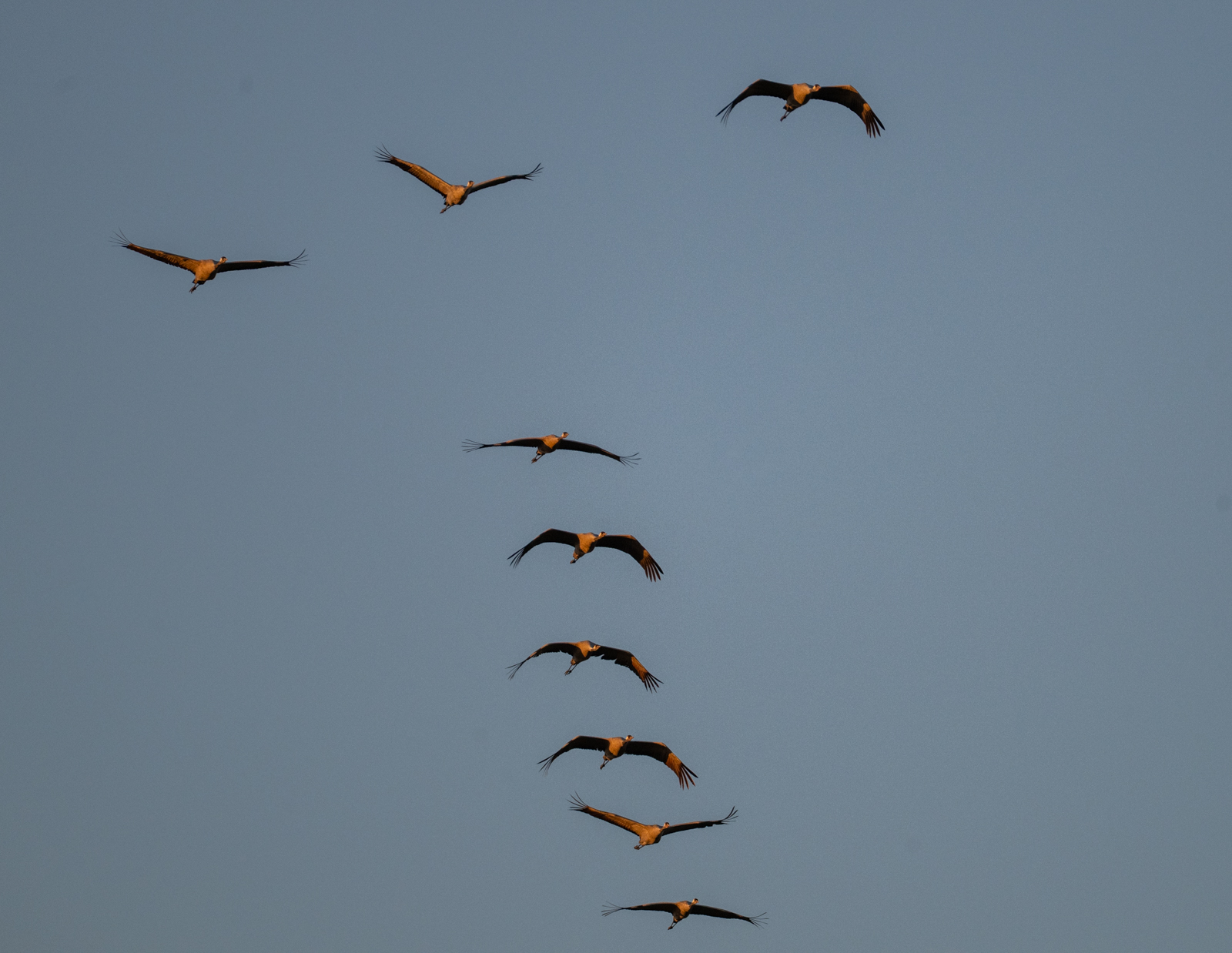
While historical data suggests that the sheer number of birds stopping in these specific corridors may fluctuate due to shifting agricultural practices—such as changes in crop varieties and harvest timing—the spectacle remains undiminished. At dawn and dusk, the landscape erupts in a cacophony of trumpeting calls as thousands of cranes ascend from their nocturnal roosts in the sheltered shallows to feed in the surrounding agricultural fields.
A Chronological Perspective: Mid-September Observations
Over the course of the second weekend of September 2026, field observations conducted around the Haapsalu region provided a clear window into the mechanics of this seasonal shift.
Early Morning Movements (Sept 12–13, 2026)
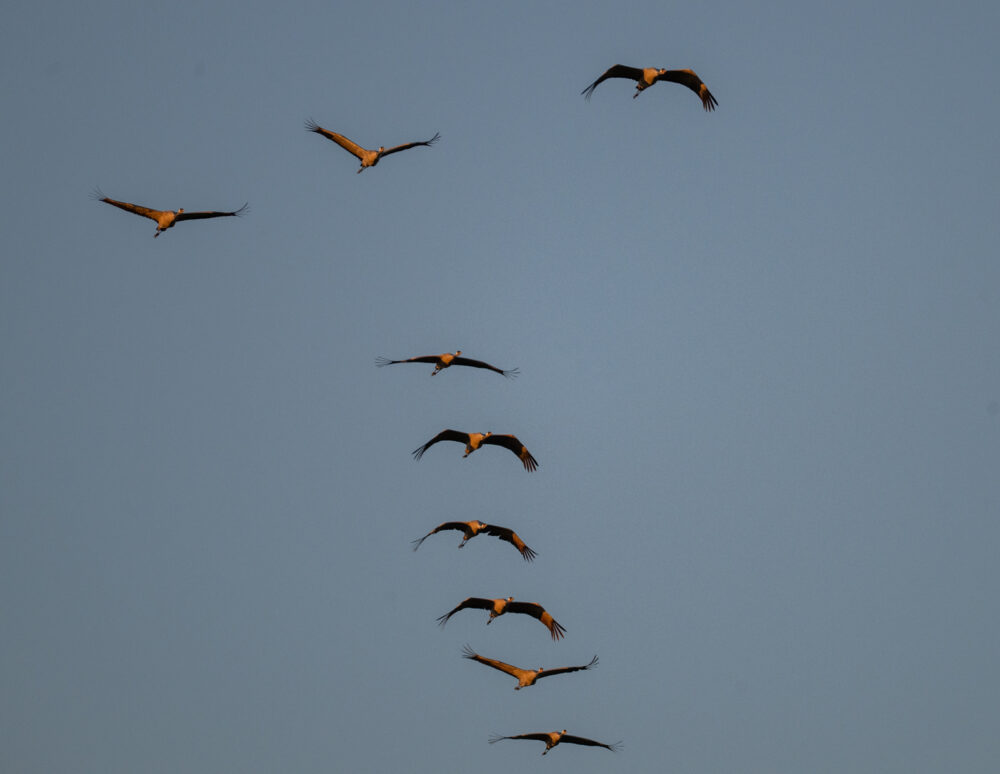
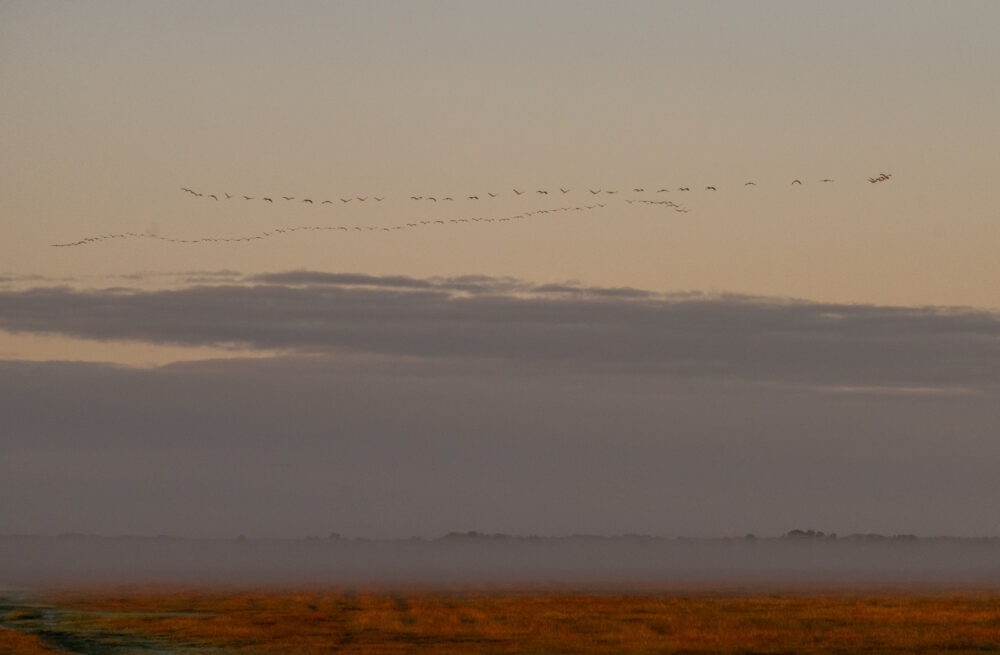
The observation period highlighted the rhythmic nature of the migration. Cranes were noted moving consistently eastward from their secure sleeping sites at Matsalu Bay and Pögarinlahti to the nutrient-rich foraging grounds of the mainland. The behavior observed was consistent with the known biological imperative of the species: utilizing the safety of water-covered, low-lying coastal areas to evade terrestrial predators during the night, while exploiting the energy-dense grain fields during the daylight hours.
The Avian Shift
While cranes dominated the horizon, they were not the only species in motion. Intermingled with the cranes were significant numbers of greylag geese (Anser anser), though many of these had already pushed further south by the time the observation peak was reached. Meanwhile, the swallow population remained notably active; barn swallows (Hirundo rustica) and a scattering of sand martins (Riparia riparia) were observed lining utility wires and patrolling the coastal meadows, preparing for their long-distance migration.
Supporting Data: Diversity in the Wetlands
The richness of the Baltic wetlands this year is underscored by the presence of both established species and those on the rise.
The Rise of the Great Egret
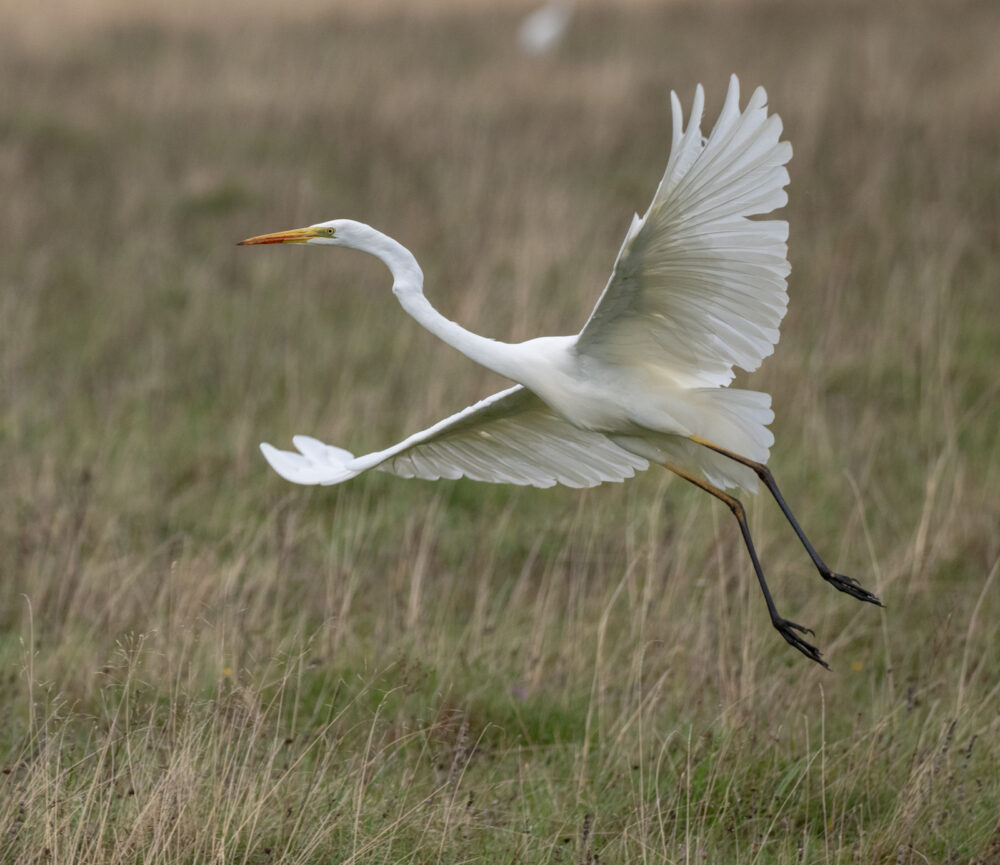
One of the most notable ecological success stories in the region is the expansion of the Great Egret (Ardea alba). Once a rarity in northern latitudes, their numbers have surged significantly in recent years. Observations at prime coastal meadows revealed dozens of these elegant birds hunting in the shallows. Their primary diet consists of small fish, though field reports suggest they are opportunistic feeders, occasionally consuming small mammals to supplement their energy needs.
Stagnation and Movement
Contrastingly, the white stork (Ciconia ciconia) population has already largely vacated the region, with the vast majority having completed their departure by the beginning of September. Grey herons (Ardea cinerea), however, show a more relaxed attitude toward migration; some individuals remain in the area well into the autumn, with small, hardy populations known to overwinter in the milder coastal pockets of the Baltic.
Diversity of Species
The checklist from the mid-September survey is extensive:
- Waders and Shorebirds: Northern lapwings (Vanellus vanellus) are abundant in the coastal fields. Smaller, more elusive waders were also noted on the exposed mudflats, benefiting from the nutrient-rich sediment.
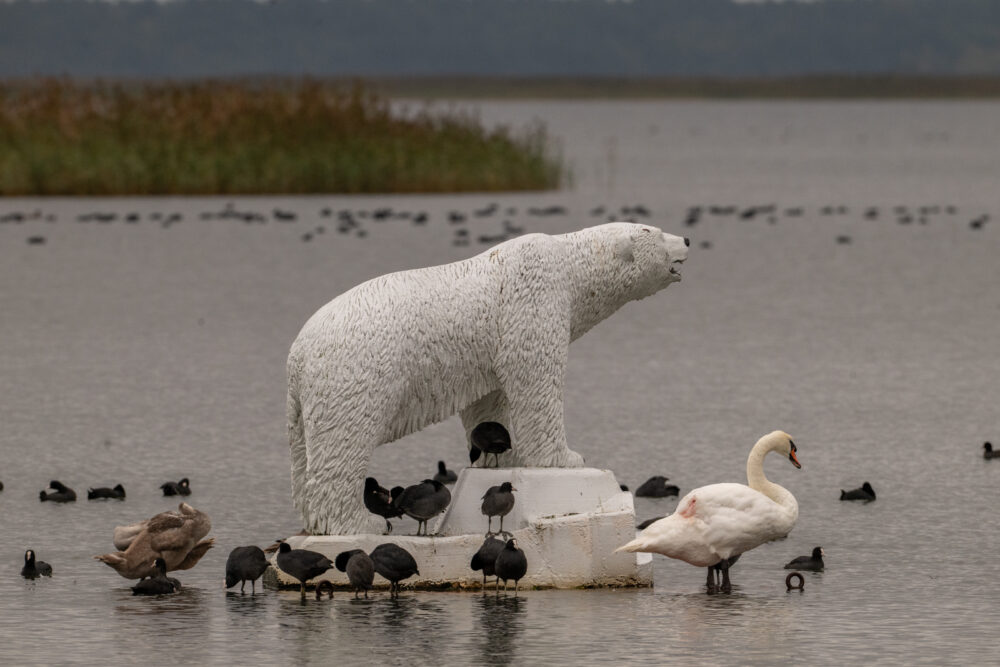
- Ducks and Diving Birds: Significant numbers of mallards and various diving ducks were present. In the vicinity of the Haapsalu promenade, approximately 700 Eurasian coots (Fulica atra) were observed congregating around the iconic ice-bear sculpture, highlighting the density of birdlife in human-adjacent habitats.
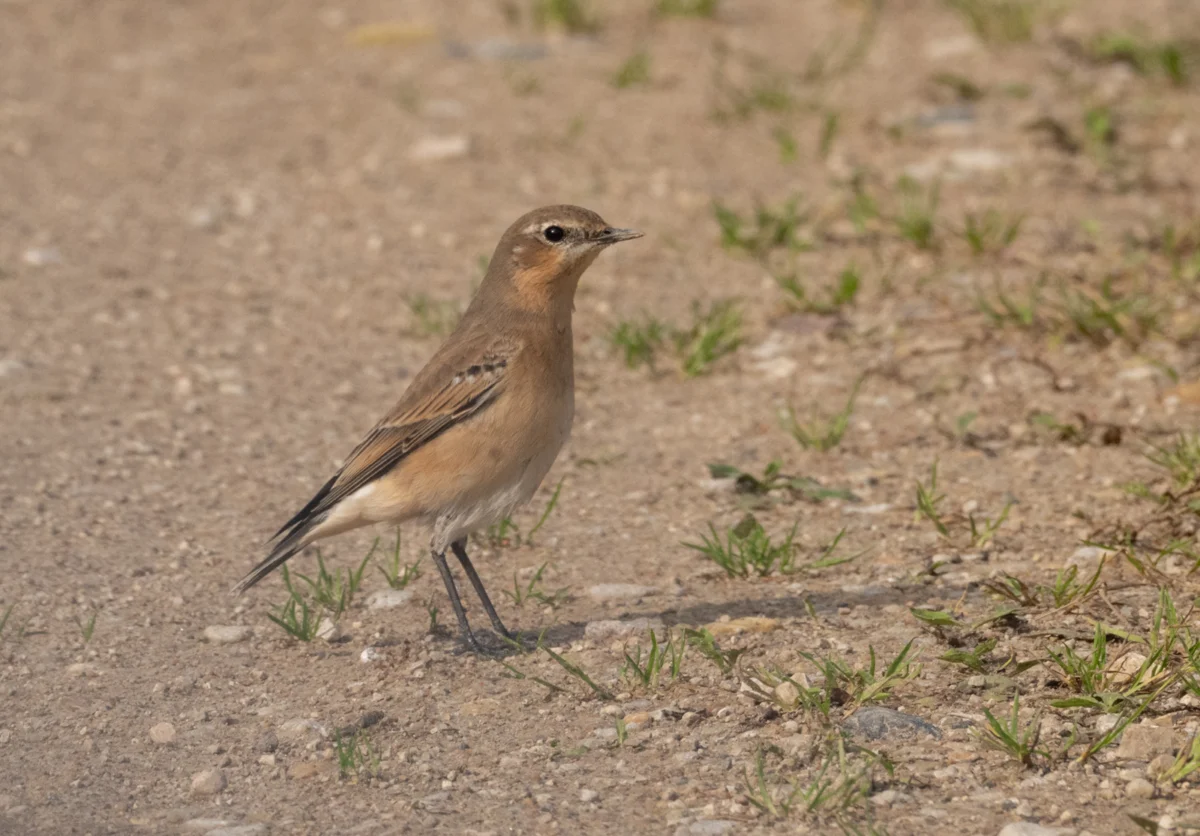
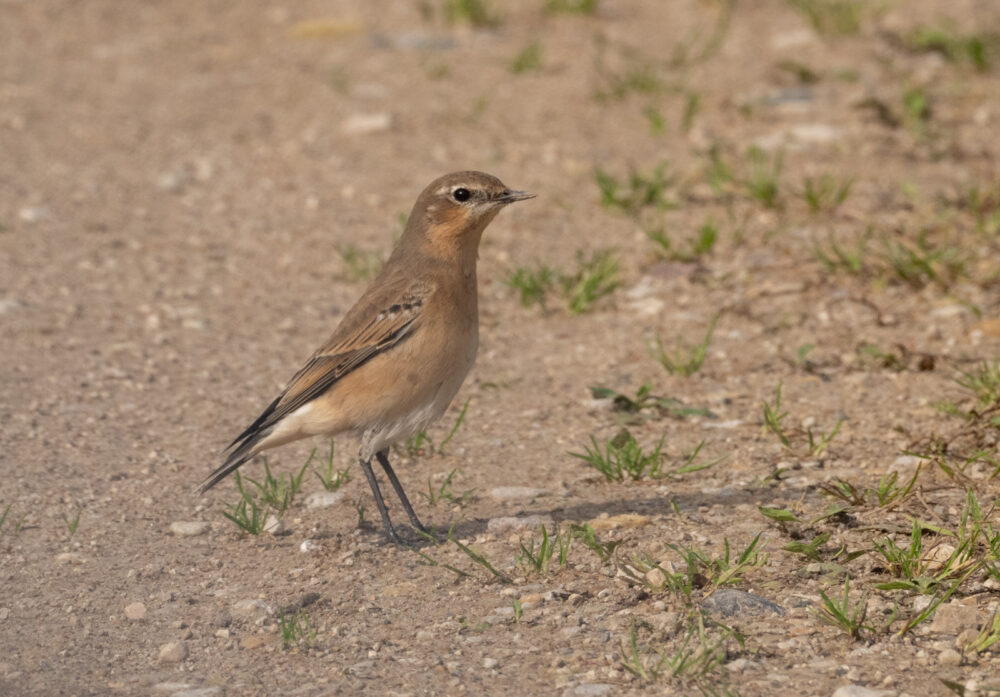
- Passerines: The Northern wheatear (Oenanthe oenanthe) remains common along field roads and drainage ditches. Furthermore, goldfinches (Carduelis carduelis) were seen in impressive flocks, moving through the open landscape.
Official Perspectives and Infrastructure
The observation of these avian movements is not merely a hobby; it is a critical component of environmental monitoring in the Baltic region. The infrastructure supporting this observation is evolving to meet the growing interest in ornithology.
The Haeska bird tower remains the gold standard for observation in Northern Europe, providing an unparalleled vantage point over the wetlands. However, commitment to the region’s biodiversity is evidenced by new infrastructure projects. At the eastern end of the Matsalu Bay meadows, the foundations for the new Rannajõe bird tower have been poured. This project represents a long-term investment in both public education and the scientific monitoring of bird populations. By providing better access to these critical habitats, authorities hope to foster a greater understanding of the delicate balance required to maintain these migratory stopovers.
Implications for Conservation
The observations of the 2026 migration season raise important questions regarding the intersection of human activity and wildlife.
Agricultural Synergy
The shift in agricultural patterns noted by observers—specifically changes in crop types—suggests that birds are highly sensitive to human land-use decisions. As farmers move toward different grain varieties, the availability of "leftover" food for migratory birds changes. Conservationists are increasingly advocating for policies that incentivize farming practices compatible with bird life, ensuring that these vital "service stations" remain viable for the millions of birds that rely on them annually.
Climate and Timing
The delayed departure of some species and the increased presence of others, like the Great Egret, reflect a shifting climate. While the migration remains a deeply ingrained biological event, the timing and distribution of these birds are subject to the pressures of warming autumns and changing weather patterns. The lack of predatory raptors observed during the recent rainy spells highlights how weather can influence the visible density of birds, but it also serves as a reminder that the migration is a vast, invisible network spanning thousands of kilometers.
Looking Ahead: The October Waves
As we move deeper into the autumn, the current avian traffic is only the beginning. The region prepares for the arrival of the next great wave of migrants. By October, the landscape will see the arrival of Tundra bean geese, white-fronted geese, and the elegant, haunting presence of whooper and Bewick’s swans.
The 2026 migration is a testament to the resilience of nature. It serves as a reminder that regardless of human technological progress, the ancient, cyclical journey of the birds continues, dictated by the turning of the earth and the fundamental instincts of survival. As the days shorten, the message from the wetlands is clear: the natural world is in motion, and it is a spectacle that demands our attention, protection, and respect.
For those wishing to witness this phenomenon, the coastal meadows of the Baltic offer more than just a view of birds; they offer a connection to the pulse of the planet. Whether through the lens of a camera or the simple observation of a crane’s silhouette against the rising sun, the migration is a shared experience that connects the Baltic coast to the wider world.