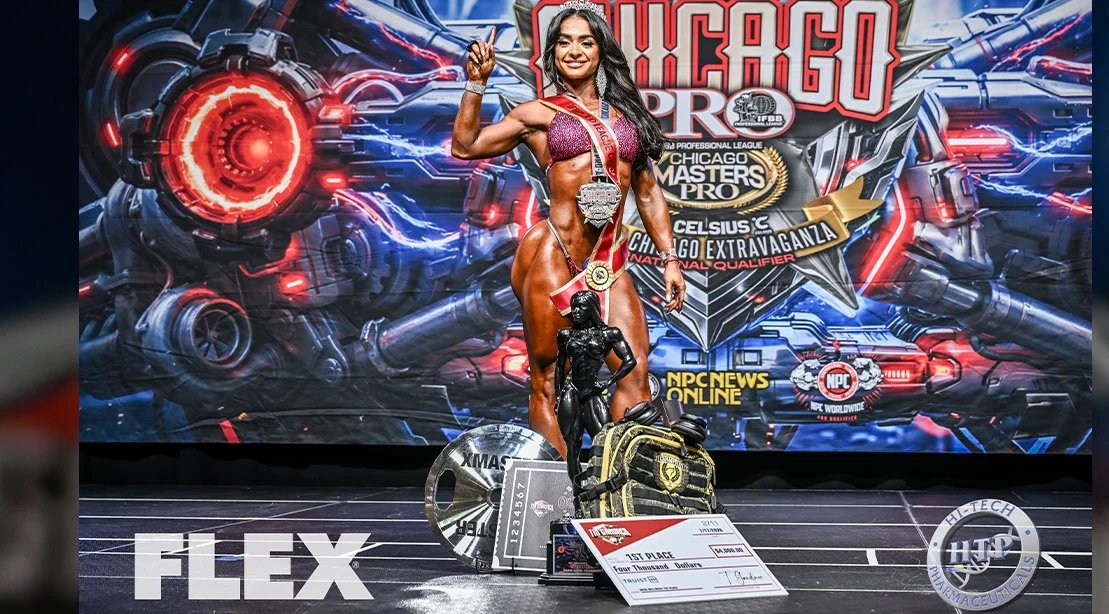
The Windy City played host to one of the most anticipated events on the IFBB Pro League calendar this July as the 2026 Chicago Pro descended upon the city, bringing together the world’s most elite bodybuilders and physique athletes. As a critical stop on the road to the Olympia, the Chicago Pro serves as a crucible where rising stars and established veterans collide to secure their qualification for the biggest stage in the sport.
With the support of Hi-Tech Pharmaceuticals, the event delivered an electrifying display of muscle density, stage presence, and aesthetic precision. From the hyper-defined lines of the 212 division to the graceful symmetry of the Wellness category, the 2026 Chicago Pro solidified its reputation as a premier destination for those seeking to make their mark on professional bodybuilding history.
The Main Event: A Summary of Champions
The 2026 Chicago Pro featured a stacked roster of competitors across multiple divisions. The level of conditioning displayed by the athletes was arguably the highest seen in the Chicago event’s history, suggesting that the standard for the 2026 Olympia will be exceptionally high.
The 2026 Chicago Pro winners include:
- Men’s 212 Bodybuilding: Esteban Fuquene Bravo
- Women’s Physique: Brooke Walker
- Women’s Wellness: Sara Gabriele
- Women’s Figure: Brittne Pence
- Men’s Classic Physique: Matt Greggo
- Women’s Fitness: Anya Fomina
- Women’s Bikini: Elisa Pecini
- Men’s Physique: Sidy Pouye
Each of these athletes demonstrated not only the requisite mass and symmetry for their respective classes but also the mental fortitude required to peak at exactly the right moment.
A Chronological Breakdown of the Competition
The competition began with the technical rigors of the Women’s Fitness category, where Anya Fomina captivated the judges and the crowd with a display of both athletic prowess and aesthetic conditioning. Her performance set the tone for the day, emphasizing the shift toward a more balanced, athletic look that the IFBB Pro League has been championing in recent years.
As the day progressed into the afternoon, the Men’s 212 division took center stage. The battle for the 212 title was a tactical affair, with Esteban Fuquene Bravo ultimately emerging victorious. His ability to maintain massive leg development while keeping his waist tight and V-taper prominent proved too much for the rest of the field.
The evening concluded with the glamour and precision of the Bikini and Men’s Physique divisions. Sidy Pouye, in particular, delivered a masterclass in stage presentation. His ability to highlight his shoulder-to-waist ratio while maintaining a calm, confident demeanor under the intense spotlights made him the clear favorite early in the prejudging rounds.
Supporting Data: The Standard of Excellence
What makes the Chicago Pro a bellwether for the Olympia is the sheer depth of the lineups. In the Women’s Figure division, winner Brittne Pence displayed a level of muscle maturity that suggests she is a serious contender for the top five at the upcoming Olympia.
Similarly, the Classic Physique category—often considered the most competitive division due to its strict weight-to-height limits—saw Matt Greggo take the crown. Greggo’s win was a triumph of structure. In an era where "more" is often confused with "better," Greggo’s performance highlighted the importance of flow, classic proportions, and the vacuum pose, which has become a staple for those looking to excel in the Classic Physique criteria.
Division Performance Metrics
| Division | Winner | Key Attribute |
|---|---|---|
| Men’s 212 | Esteban Fuquene Bravo | Muscle Density & Proportions |
| Women’s Physique | Brooke Walker | Symmetry & Conditioning |
| Women’s Wellness | Sara Gabriele | Lower Body Development |
| Classic Physique | Matt Greggo | Classic Flow & Aesthetics |
| Women’s Figure | Brittne Pence | Muscle Maturity |
Official Responses and Industry Impact
The event, sponsored by Hi-Tech Pharmaceuticals, underscored the ongoing partnership between supplement innovators and the professional bodybuilding circuit. Representatives from Hi-Tech Pharmaceuticals noted that the level of dedication required to reach the stage in Chicago is representative of the "no-compromise" attitude they look for in their sponsored athletes.
"Seeing these athletes push the boundaries of human physiology is what drives our commitment to the sport," said a brand representative. "The 2026 Chicago Pro wasn’t just a competition; it was a testament to the science of training and nutrition."
The judges’ feedback throughout the day consistently emphasized "conditioning over size." In almost every category, athletes who arrived with a "dry" look—meaning minimal subcutaneous water retention and razor-sharp separation—outranked those who relied solely on sheer volume. This shift indicates that the judging criteria are becoming more refined, favoring the "complete" package rather than just the biggest competitor on stage.
Implications for the 2026 Olympia
The victories in Chicago act as a direct ticket to the 2026 Olympia. For athletes like Elisa Pecini in the Bikini division, this win is a crucial momentum builder. Winning a high-profile show like Chicago serves as both a confidence booster and a warning shot to the rest of the professional field.
The "Olympia Effect"
- Qualification Pressure: With the qualification system becoming more competitive, winning a show like Chicago is the only way to guarantee a spot.
- Strategic Peaking: Athletes are now adjusting their training cycles to "peak" multiple times a year, a departure from the old-school mentality of one or two shows annually.
- Judging Trends: The consistent success of athletes who display "classic" lines in the Classic Physique and Figure divisions suggests that judges are actively rewarding aesthetics over the "mass monster" look of the early 2010s.
For the runners-up, the road does not end in Chicago. The points-based qualification system means that placing in the top three at a major pro show still carries significant weight. These athletes will likely be seen at the next major stop on the circuit, looking to refine the minor details—perhaps a tighter midsection or more glute-hamstring separation—before they make their final push for an Olympia invite.
Future Outlook: The Evolution of the Sport
The 2026 Chicago Pro highlighted a fascinating trend: the sport is becoming increasingly global. The diverse backgrounds of the winners—from South America to Europe and beyond—show that the IFBB Pro League’s influence is expanding. This global reach brings with it new training methodologies, unique nutritional approaches, and a heightened level of competition.
As we look toward the 2026 Olympia, the takeaway from Chicago is clear: the bar has been raised. The era of the "unbalanced" physique is coming to a close. Today’s professional bodybuilder must be a master of all trades—a hybrid athlete who possesses the size of a bodybuilder, the conditioning of a fitness competitor, and the grace of a classic physique athlete.
For fans and enthusiasts, the Chicago Pro provided more than just a list of winners. It provided a roadmap for what the ideal human physique should look like in 2026. Whether it was the razor-sharp core of Brooke Walker or the impeccable back development of Sidy Pouye, the event served as a masterclass in what is possible when discipline, genetics, and modern sports science intersect.
As the dust settles on the Chicago stage and the athletes transition into their final prep for the Olympia, one thing remains certain: the 2026 season is shaping up to be one of the most competitive in the history of the sport. We invite you to stay tuned to our continued coverage of the road to the Olympia, where we will provide deeper dives into the training protocols and nutritional strategies of these elite champions.
For more information on the latest in sports nutrition and to explore the supplement lineups that support these athletes, visit www.HiTechPharma.com.