In the modern economic landscape, the weekly pilgrimage to the grocery store has transformed from a routine chore into a source of genuine financial anxiety for many Americans. As food inflation continues to exert upward pressure on household budgets, the dream of maintaining a high-performance, muscle-building diet often feels like a luxury reserved for the affluent. For the fitness-focused individual—those who require a caloric surplus and high protein intake to fuel intense training—the math can seem particularly grim.
However, the assumption that eating for health and muscle growth necessitates a premium price tag is a misconception. By shifting from a consumption-based mindset to a strategic, "champion-level" approach, it is entirely possible to slash grocery expenditures by up to 30% without sacrificing nutritional integrity. This guide explores how to navigate the current food market with precision, proving that you don’t need to sacrifice your physique to protect your savings account.
The Economic Climate of Nutrition
The current volatility in food prices is not merely a transient phenomenon; it is a structural challenge. While various sectors have seen stabilization, the "protein gap"—the cost difference between high-quality muscle-building foods and ultra-processed alternatives—remains wide.
For the average consumer, this often leads to a reliance on "filler" foods, such as low-quality ramen or heavily processed snacks, which provide calories but fail to deliver the essential micronutrients and proteins required for recovery. When you require 2,500 to 3,500 calories daily to support an active lifestyle, the premium on fresh produce and lean meats can add hundreds of dollars to a monthly grocery bill. Recognizing this, the strategy for the modern athlete must be one of efficiency: prioritizing nutrient density over aesthetic appeal or brand prestige.
Chronology of the Inflation Crisis
To understand how we arrived at this juncture, one must look at the recent timeline of food price volatility:
- 2022–2023 (The Peak Inflation Period): Global supply chain disruptions and geopolitical conflicts led to historic surges in the cost of grains, fertilizers, and logistics, causing grocery prices to rise at rates unseen in decades.
- 2024 (The Plateau): While the rate of inflation slowed, prices remained at their new, elevated "baseline," forcing consumers to adjust their purchasing habits permanently.
- 2025 (The Avian Flu Crisis): A significant avian influenza outbreak caused a massive spike in egg prices, temporarily removing one of the most cost-effective protein sources from the reach of many budget-conscious shoppers.
- 2026 (Current Status): Prices for core staples like eggs have stabilized, but the market for fresh produce and premium meats remains volatile, driven by seasonal demand and ongoing climate-related harvest challenges.
Supporting Data: Where the Savings Hide
Data suggests that the average household can reduce their spending significantly by adopting a "strategic sourcing" approach. Industry analysts note that store-brand products, which are often produced in the same facilities as name-brand counterparts, offer an average savings of 30%. Furthermore, the "Convenience Tax"—the markup paid for pre-chopped vegetables, deboned meats, and pre-portioned meals—accounts for nearly 15% of the average grocery bill.
By reclaiming the "prep work," the individual effectively pays themselves an hourly wage in the form of grocery savings. The goal is not to "do without," but to "buy smarter."
Strategic Grocery Hacks: The "Champion" Playbook
1. The Can-Do Philosophy
Canned foods are the unsung heroes of the budget athlete. Contrary to the myth that they are less nutritious, canned tomatoes often offer higher levels of lycopene, and canned fish—such as sardines or mackerel—provides high-quality, omega-3-rich protein at a fraction of the cost of fresh salmon. These items are shelf-stable, reducing the waste that occurs when fresh produce inevitably spoils in the crisper drawer.
2. The Mighty Egg: A Protein Powerhouse
After the volatility of 2025, eggs have returned to being the gold standard of budget protein. At 25 to 40 cents per serving, they offer a complete amino acid profile that is difficult to match at such a low price point. They are versatile, portable, and quick to prepare, making them an ideal staple for any meal of the day, not just breakfast.
3. Embracing the "Neglected" Cuts
The supermarket economy relies on consumer preference for "premium" cuts like chicken breast and beef tenderloin. However, chicken thighs, pork loin, and round steak are often more flavorful, just as nutritious, and significantly cheaper per pound. These cuts hold up better to slow cooking and braising, which are excellent methods for meal prepping in bulk.
4. Subzero Heroes: Frozen Produce
Frozen fruits and vegetables are flash-frozen at the peak of ripeness, often preserving more nutrients than their fresh counterparts, which may spend days in transit. For the single person or the athlete who doesn’t want to cook large batches of produce at once, frozen options eliminate waste. A bag of frozen berries is a perfect, low-cost addition to morning oats or post-workout smoothies.
5. The Power of Root Vegetables
When out-of-season berries and asparagus skyrocket in price, pivot to the root cellar approach. Sweet potatoes, beets, carrots, and turnips are incredibly inexpensive, have a long shelf life, and provide the complex carbohydrates necessary for sustained energy during training. They are the backbone of hearty, budget-friendly meals like breakfast hashes or slow-cooked stews.
Official Industry Perspectives
Economists and nutritionists alike argue that the key to managing food costs lies in "versatility-based purchasing." Rather than buying ingredients for a single, one-off meal, shoppers are encouraged to build a pantry of "modular ingredients."
"When an ingredient has to earn its spot by appearing in three different meals throughout the week, the return on investment for that purchase increases exponentially," notes food policy researcher Dr. Marcus Thorne. "Consumers who buy large quantities of a single fresh item—like a large bag of cilantro or a crate of spinach—often end up throwing away half of it. By choosing ingredients that bridge the gap between breakfast, lunch, and dinner, you eliminate the ‘waste-tax’ that plagues most grocery trips."
Implications: Building a Sustainable Future
The long-term implication of these strategies is a more resilient, self-sufficient approach to health. By mastering the kitchen—learning to debone chicken, shred cheese, and craft sauces from scratch—the individual is no longer a passive victim of food inflation.
Furthermore, the shift toward bulk bins and store brands forces a re-evaluation of what "healthy" means. It moves the focus away from marketing-heavy, "superfood" labeled products toward fundamental, whole-food staples. This isn’t just about surviving a tough economic cycle; it’s about building a foundation of nutritional literacy that will serve the athlete for decades.
Three High-Nutrition, Low-Cost Meals
To put these theories into practice, consider these three staples that can be prepared for under $10:
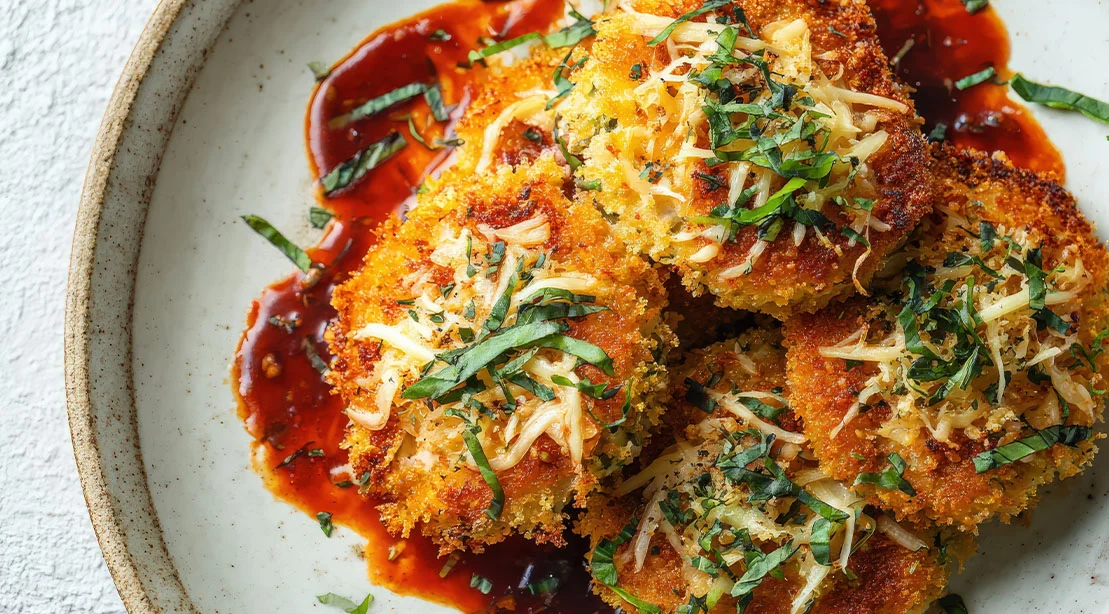
I. Lemony Sweet Potato Fish Cakes
- The Concept: Using canned sardines and mashed sweet potatoes, these cakes are packed with protein and omega-3s.
- Budget Tip: Serve with a side of steamed frozen broccoli to hit your fiber goals for pennies on the dollar.
II. Egg and Bean Casserole
- The Concept: A hearty, make-ahead meal that combines eggs, black beans, and seasonal vegetables.
- Budget Tip: Use store-brand bread cubes and canned beans to keep the cost minimal. This dish provides excellent protein density for post-workout recovery.
III. Pumpkin Butter Chicken
- The Concept: A clever, low-cost riff on the traditional Indian dish. By using pumpkin puree, chickpeas, and spices, you create a rich, filling sauce that costs a fraction of a restaurant meal.
- Budget Tip: Invest in a robust spice rack. Spices are the ultimate tool for turning cheap, humble ingredients like chickpeas or lentils into world-class meals.
Conclusion
The path to a high-performance physique does not have to be paved with expensive supplements or high-end grocery bills. By embracing the versatility of root vegetables, the nutritional density of canned goods, and the cost-efficiency of buying in bulk, you can maintain your training regimen regardless of the economic climate. In the world of performance nutrition, the smartest athlete is often the one who knows how to make the dollar go the furthest.