The evolution of angling is, in many ways, the history of the fishing reel. Before the advent of mechanical assistance, anglers were relegated to the rudimentary precision of nets, poles, and hand-lining—methods that, while steeped in tradition, were notoriously prone to failure and lacked the technical finesse required for modern sport fishing. Today, the choice of reel is perhaps the most significant decision an angler makes, acting as the critical interface between human skill and the unpredictable nature of the aquatic world.
The Mechanical Evolution: A Chronology of Innovation
The history of the modern fishing reel is a story of rapid 20th-century industrial progress. While the basic concept of storing line on a spool is ancient, the refined mechanics we rely on today were born from a desire for greater distance, speed, and reliability.
- 1938 – The Spinning Revolution: The first true spinning reel was pioneered by the Japanese engineering firm Daiwa Seiko Co., Ltd. This development introduced the concept of a stationary spool, which allowed the line to peel off without the inertia-related tangles that plagued earlier designs.
- 1956 – The Rise of the Spincaster: Seeking to make fishing more accessible, the Shakespeare Fishing Tackle Company introduced the first spincasting reel. By enclosing the spool behind a nose cone and using a simple push-button release, Shakespeare transformed the learning curve for novices.
- 1958 – The Baitcasting Standard: The year 1958 marked the formal adoption of baitcasting reels for widespread sporting use, thanks in large part to the advocacy of George “Butch” Snyder Jr. This mechanism, characterized by a revolving spool, became the gold standard for accuracy and power.
The Big Three: Anatomy and Functionality
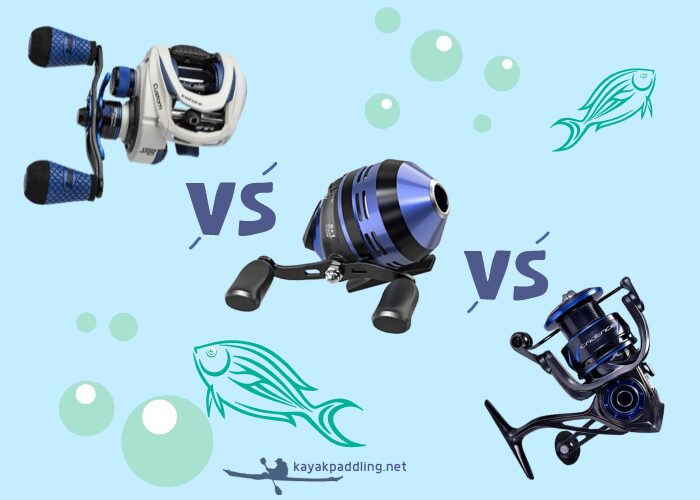
While modern technology has introduced advanced carbon-fiber materials and computer-aided design, the fundamental "big three" of the reel world remain the spinning, baitcasting, and spincasting reels.
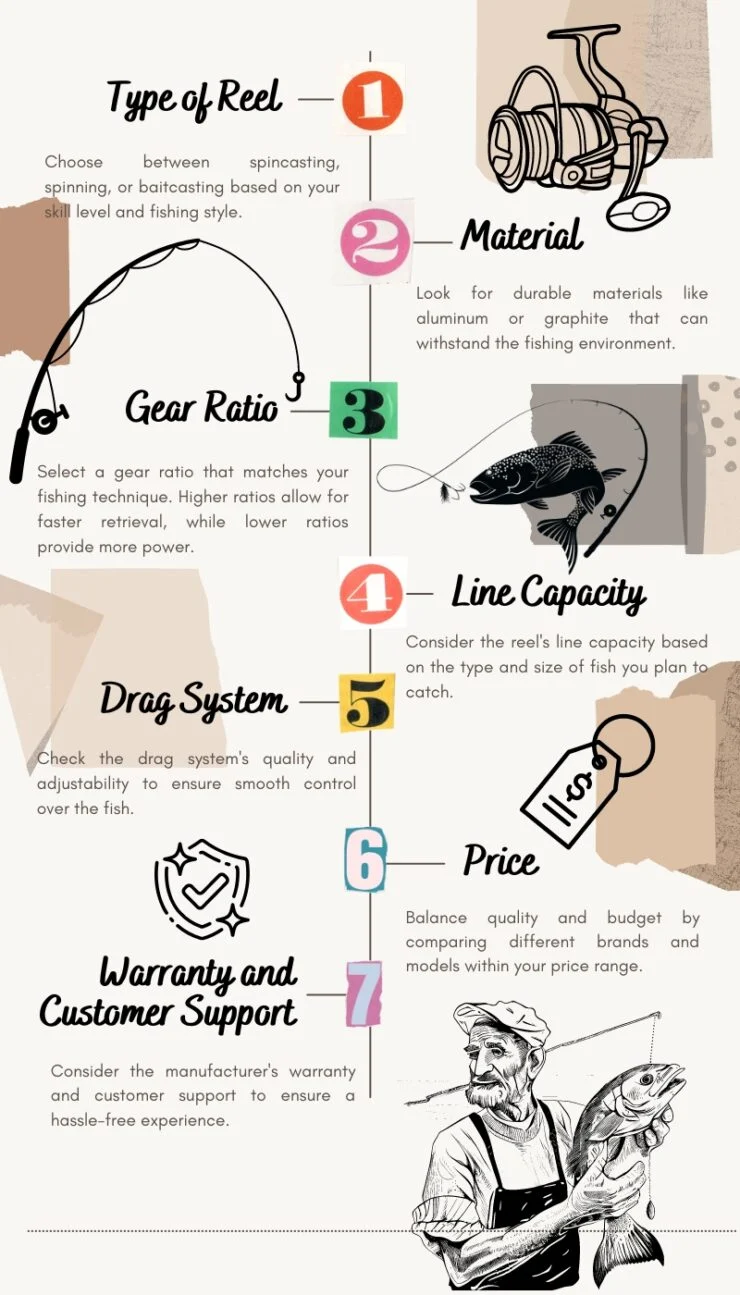
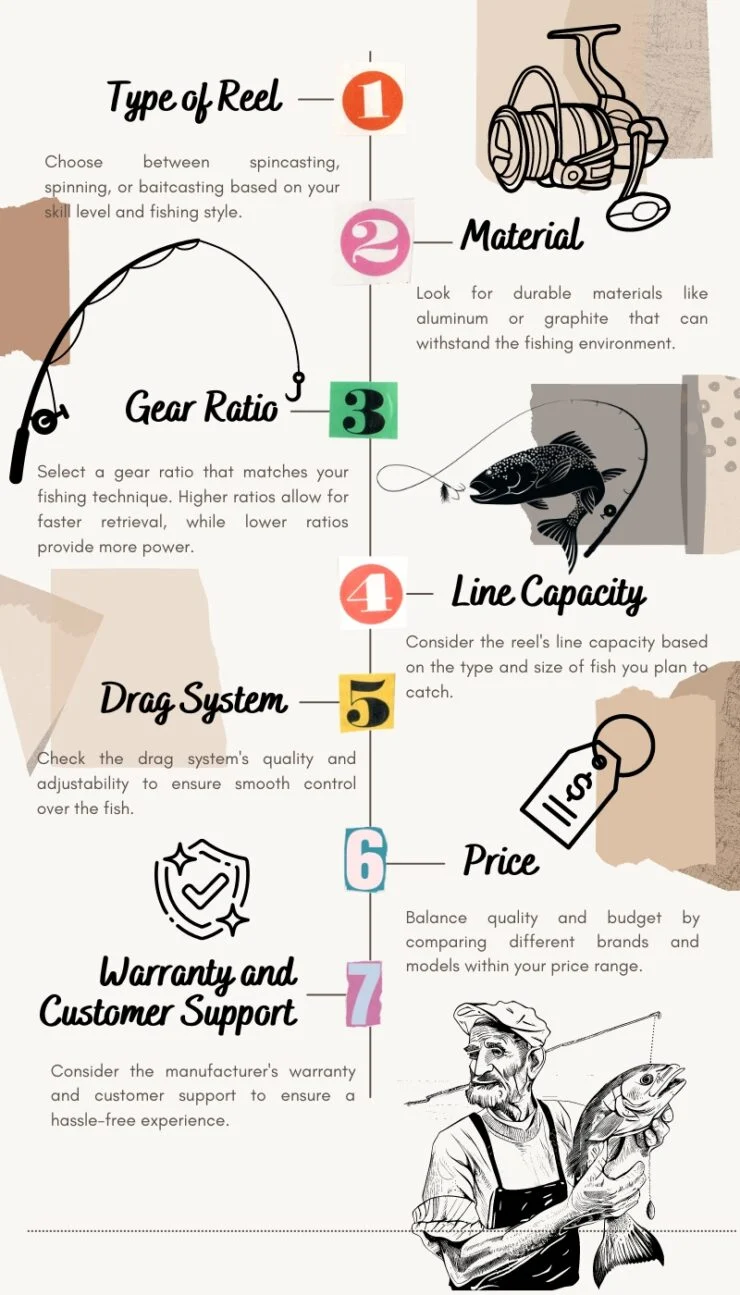
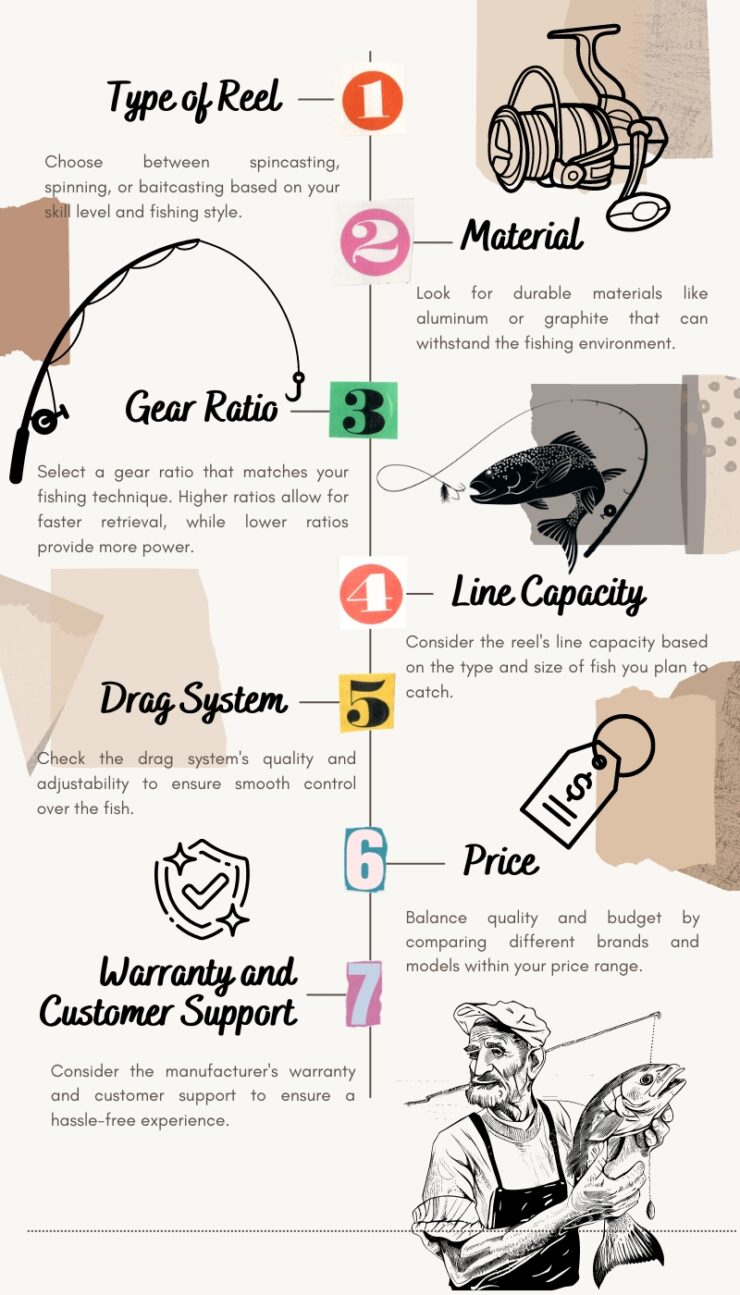
1. Spincasting: The Gateway for Beginners
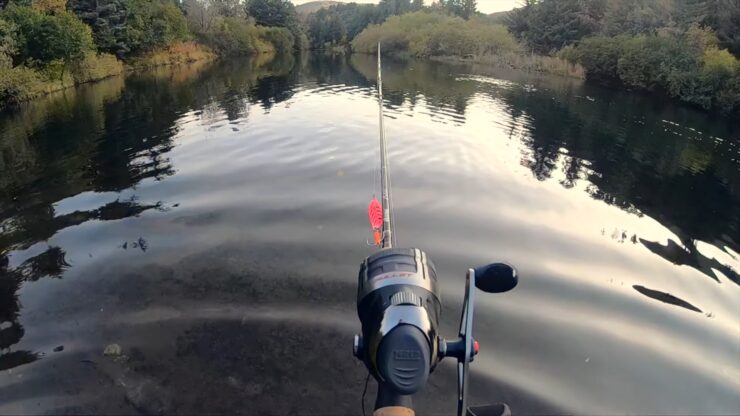
The spincast reel is the quintessential "entry-level" piece of gear. Because the spool is encased, the line is shielded from the wind and common handling errors. It operates on a simple principle: pressing a button releases the line, and turning the handle engages the pickup pin. While they are often dismissed by professionals due to their lack of drag sensitivity and lower gear ratios, they are unparalleled in their ability to introduce children and newcomers to the sport without the frustration of constant line tangles.
2. Spinning: The Versatile Workhorse
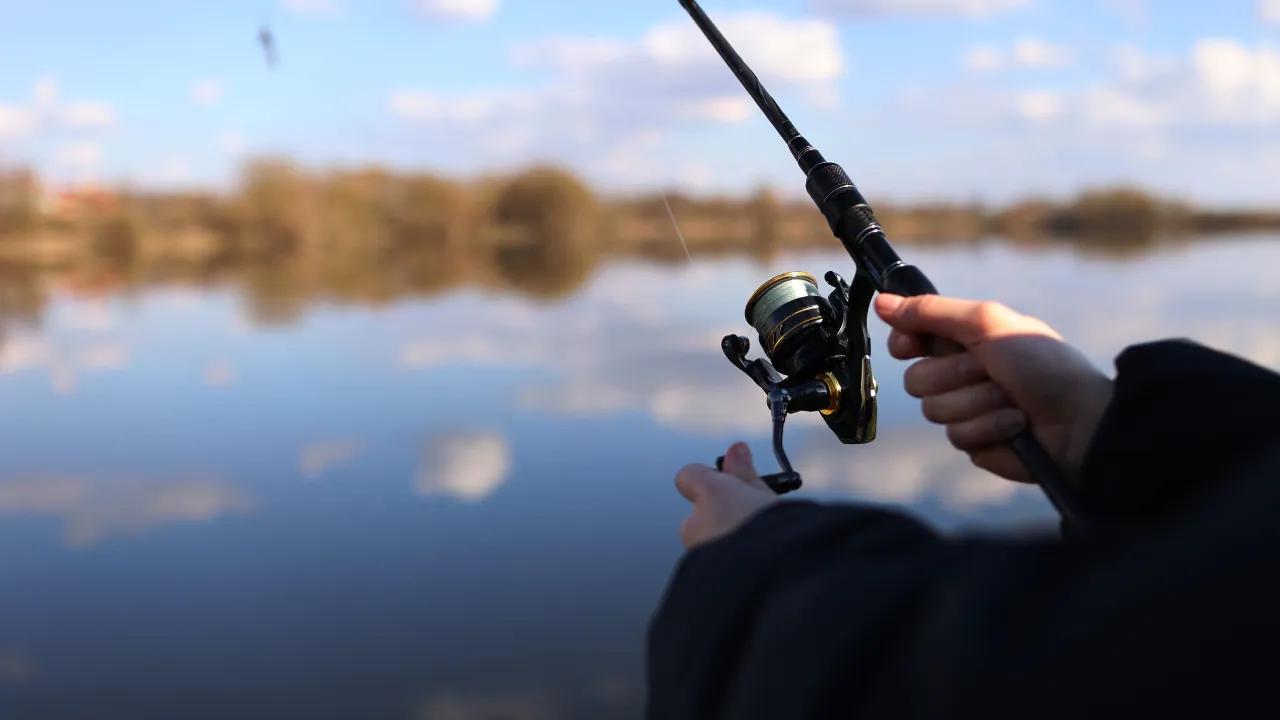
The spinning reel is widely considered the most versatile tool in an angler’s arsenal. Mounted beneath the rod, it utilizes a bail arm to manage line retrieval. The primary advantage of the spinning reel is its ability to handle light, thin lines and delicate lures. Because the line comes off the spool in coils with minimal friction, it is the superior choice for casting small jigs or live bait over long distances. Whether you are targeting trout in a mountain stream or bass in a local pond, the spinning reel’s balance and ease of use make it the industry standard for intermediate anglers.
3. Baitcasting: The Pro’s Precision Instrument
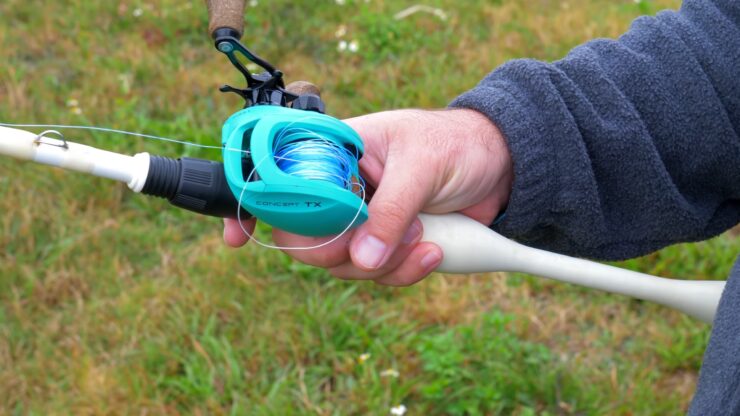
The baitcasting reel is an angler’s dream, provided they possess the skill to master it. Unlike spinning reels, the spool rotates as the line leaves the reel. This requires a "finesse" approach—the angler must use their thumb to apply pressure to the spool during the cast, preventing the spool from spinning faster than the line is leaving (a phenomenon known as "backlash" or a "bird’s nest"). Once mastered, however, the baitcaster offers unmatched accuracy. Its ability to handle heavy lines and large, aggressive lures makes it the preferred tool for targeting trophy-sized fish in heavy cover.
Supporting Data: Choosing Based on Performance
Choosing the right gear requires an understanding of how mechanical specs impact performance. When evaluating a potential purchase, consider the following technical pillars:
- Gear Ratio: This indicates how many times the spool rotates per full turn of the handle. A 7:1 ratio means the spool spins seven times per handle rotation, making it ideal for high-speed retrieval of spinnerbaits. Conversely, a 5:1 ratio provides the torque necessary to crank deep-diving lures or battle large, stubborn fish.
- Drag System: The drag is the mechanism that allows the line to pull off the spool when a fish puts too much tension on the line. High-quality drags are smooth and consistent; a "jerky" drag will often lead to snapped lines or lost fish.
- Line Capacity: Always match your reel’s capacity to the weight and type of line you intend to use. While monofilament is the classic choice for its stretch and shock absorption, many modern anglers are moving toward braided lines, which offer significantly higher strength-to-diameter ratios and zero stretch, providing extreme sensitivity.
Professional Insights: Maintenance and Longevity
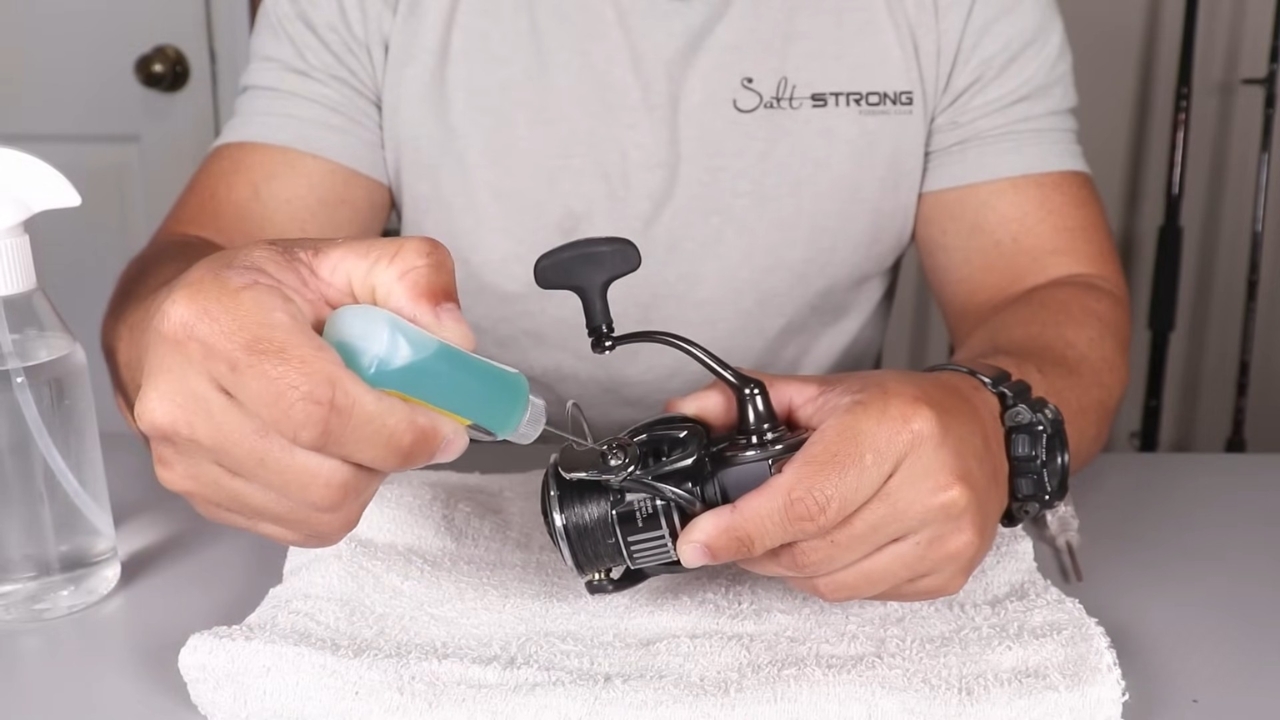
Even the most expensive, top-tier reel will fail if neglected. The corrosive nature of water—particularly saltwater—is the greatest enemy of the fishing reel.
Professional maintenance protocols generally follow a "Clean, Dry, Lubricate" cycle:
- Freshwater Rinse: After every outing, especially in saltwater, a gentle rinse with fresh water is mandatory. Never use a high-pressure hose, as this can force salt and debris deeper into the internal gear housing.
- Regular Lubrication: Use manufacturer-recommended reel oil and grease. Apply oil to the handle, bail, and line roller. Save the heavier grease for the internal gears.
- Annual Overhaul: At least once a year, take the reel apart to inspect the bearings and drag washers. Replacing worn-out components before they fail is significantly cheaper than replacing the entire reel.
Implications for the Modern Angler
The shift toward specialized gear has significant implications for how we fish today. We are moving away from the "one-rod-fits-all" mentality. Today’s professional and serious hobbyist often carries three or four different setups on the water: a spinning rig for finesse, a baitcaster for power, and perhaps a specialized surf-casting reel for long-distance saltwater needs.
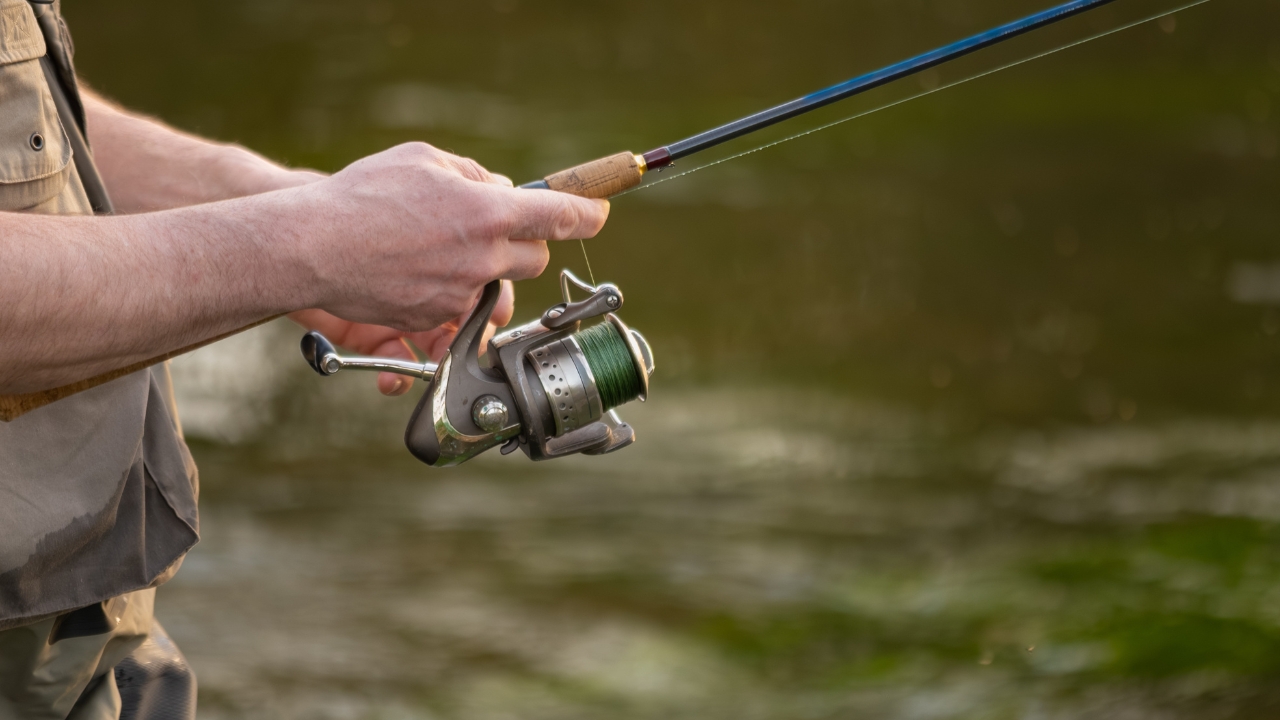
Furthermore, the rise of "micro-fishing" and the demand for ultra-light equipment has driven manufacturers to build reels with high-tech materials like magnesium and aerospace-grade aluminum. These materials reduce fatigue, allowing anglers to cast for hours without the physical strain associated with older, heavier hardware.
FAQ: Common Concerns
What is a "backlash" and why does it happen?
Backlash occurs in baitcasting reels when the spool’s momentum outpaces the speed at which the lure is pulling the line. It is a common rite of passage for beginners. It is prevented by adjusting the magnetic or centrifugal braking system on the reel and, more importantly, developing a "educated thumb" to feather the spool during the flight of the lure.
Is it worth using braided lines?
Braided line has revolutionized fishing. Because it has no "memory" (it doesn’t coil like monofilament), it casts more smoothly and lasts much longer. It is thinner, allowing you to fit more line on the spool, and it is highly sensitive, meaning you can feel the slightest nibble at the end of a long cast.
How do I decide on a reel for my specific environment?
Consider the target species and the structure. If you are casting into dense vegetation for bass, you need the power and accuracy of a baitcaster. If you are fishing open water for panfish or trout, the weight-savings and casting distance of a spinning reel will serve you best.
Conclusion
The modern angler lives in a golden age of equipment. Whether you are drawn to the simplicity of the spincaster, the versatility of the spinning reel, or the technical mastery of the baitcaster, the right tool is available to elevate your experience. Success on the water is a combination of knowledge, patience, and the right equipment. By understanding the mechanics behind your reel, you don’t just improve your catch rate—you deepen your connection to the sport itself. Remember, no matter the gear, the ultimate goal remains the same: to enjoy the challenge, respect the water, and master the art of the perfect cast.