Introduction: A New Paradigm for Renewable Integration
Denmark is currently architecting what many energy economists describe as the most ambitious infrastructure project in the history of the Nordic region: the Energy Island. As the world pivots toward decarbonization, the challenge is no longer just generating green electricity, but managing the intermittency and distribution of power at a continental scale.
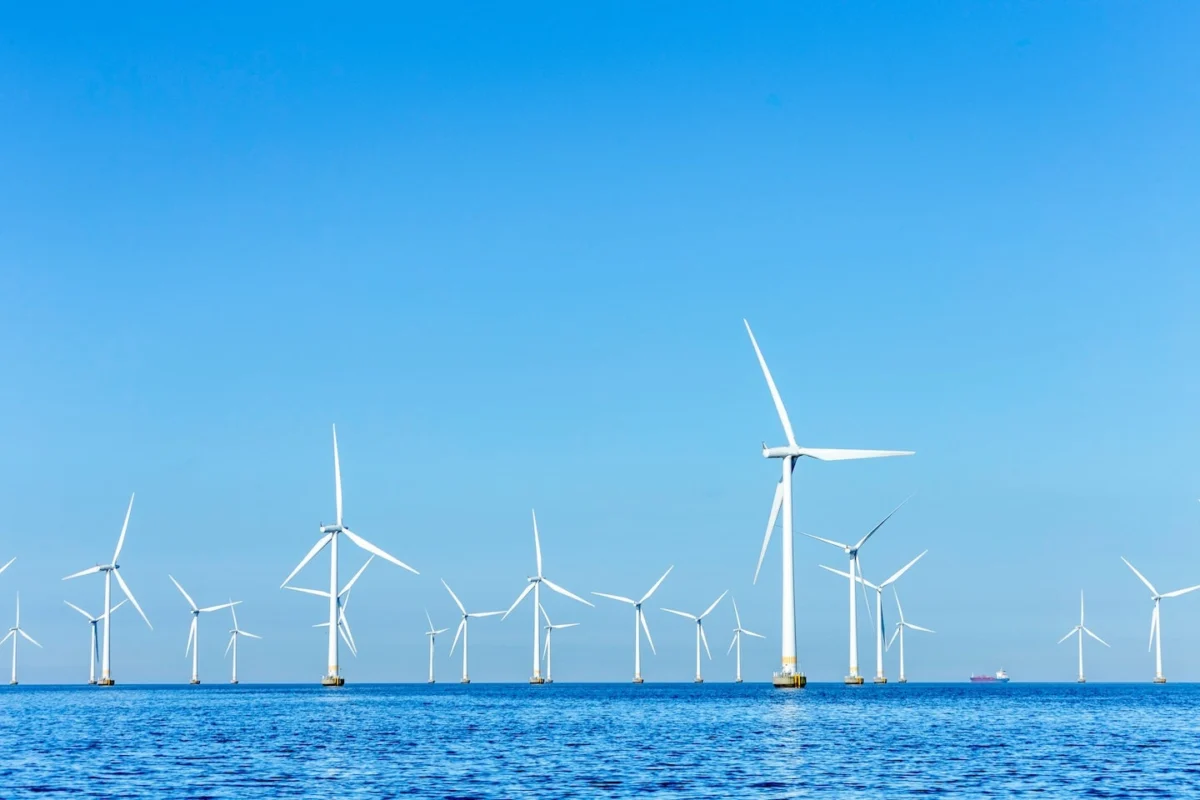
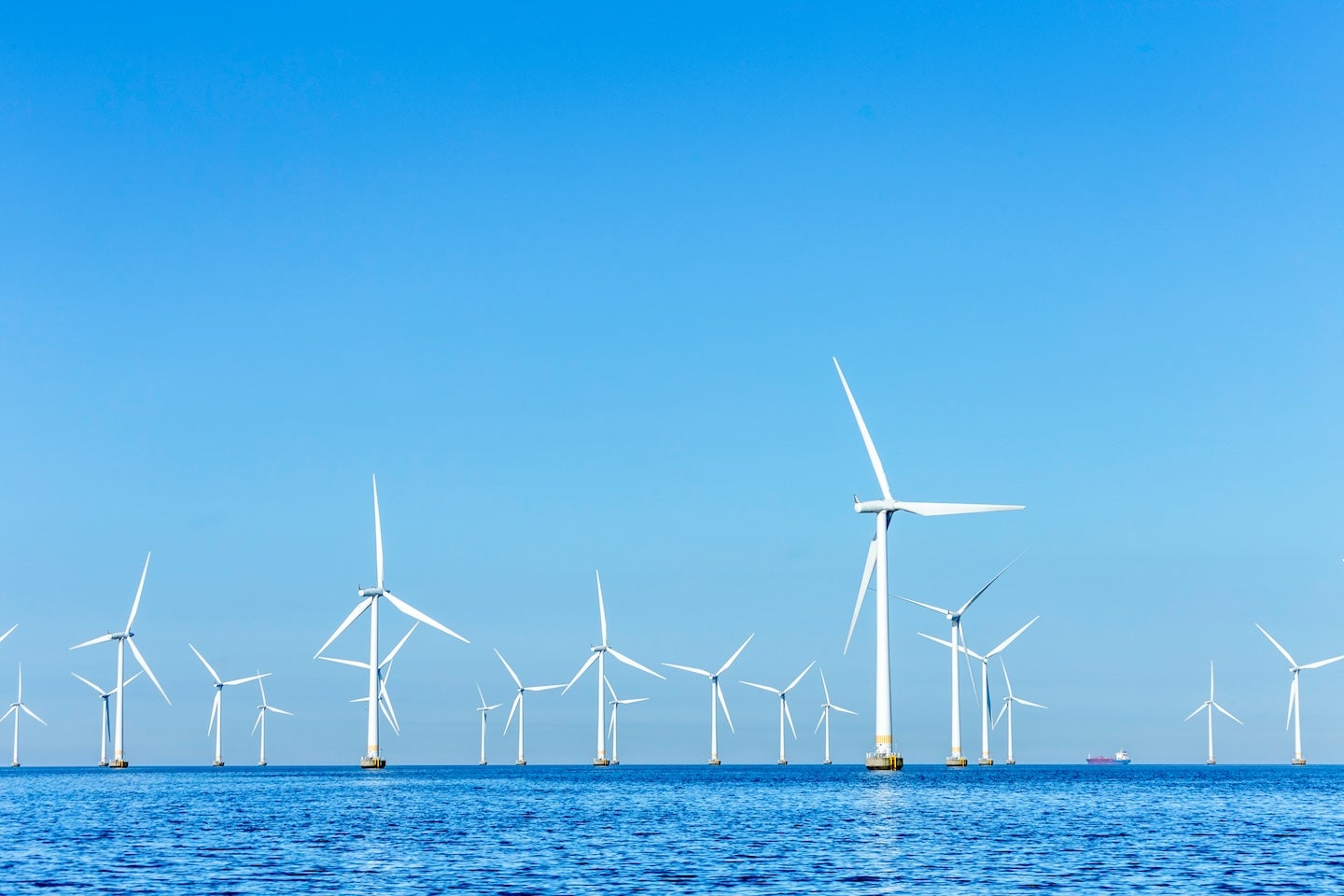
The Danish Energy Island project is not merely a construction site; it is a fundamental shift in how power systems operate. By creating artificial hubs in the North and Baltic Seas, Denmark aims to aggregate the output of hundreds of offshore wind turbines, converting the raw kinetic energy of maritime winds into a reliable, scalable flow of electricity and green hydrogen for the European grid.
Main Facts: The Architecture of the Energy Islands
The Energy Island concept rests on two primary geographical pillars: a massive artificial island in the North Sea and an expanded hub located on the existing island of Bornholm in the Baltic Sea.
- The North Sea Hub: This project aims to serve as a massive power plant at sea. It will be an artificial island, connected to hundreds of offshore wind turbines, with the capacity to supply electricity to millions of households across Denmark and neighboring countries.
- The Baltic Sea Hub (Bornholm): By leveraging the existing geography of Bornholm, this hub will act as a central collector for offshore wind farms in the Baltic Sea, facilitating energy exports to Germany and beyond.
- Power-to-X Integration: These islands are designed to host large-scale electrolysis plants. This allows excess wind energy to be converted into green hydrogen or other synthetic fuels, solving the issue of storage and creating a sustainable fuel source for heavy shipping and aviation.
Chronology: From Concept to Construction
The trajectory of the Energy Island project has been defined by rapid policy shifts and international cooperation.
- 2020: The Political Agreement: The Danish government, supported by a broad coalition in the Folketing (Parliament), formally announced the decision to construct the world’s first energy islands.
- 2021: Strategic Tendering: Denmark began the rigorous process of defining the technical specifications and legal framework, ensuring the projects aligned with EU climate targets.
- 2022: Geopolitical Realignment: Following the shift in European energy security policy, the scope of the projects was expanded to ensure higher output and faster integration with the German and Dutch power grids.
- 2023–2024: Environmental Impact Assessments (EIAs): Extensive maritime surveying and ecological impact studies have been conducted to ensure the protection of marine biodiversity during the construction phases.
- 2025 and Beyond: The current timeline points toward the commencement of major offshore construction, with the first phases of the islands expected to be operational by the early 2030s.
Supporting Data: Scaling the Capacity
The statistics underlying these projects are staggering. The North Sea hub is initially planned to provide a capacity of 3 gigawatts (GW), with the potential to scale up to 10 GW. To put this in perspective, 10 GW is enough to provide electricity to approximately 10 million households.
- Investment Scale: The total investment for the North Sea island alone is estimated to exceed $30 billion USD, representing one of the largest public-private infrastructure investments in European history.
- Wind Integration: The projects aim to integrate with thousands of new offshore wind turbines, each significantly more powerful than the models used in the early 2010s, with individual turbine capacities reaching 15–18 megawatts.
- Export Potential: These islands are not just for Danish consumption. By creating a "North Sea Power Grid," Denmark intends to become a net exporter of green energy, effectively acting as a "green battery" for the European Union.
Official Responses: Government and Industry Perspectives
The Danish government, led by the Ministry of Climate, Energy, and Utilities, has framed these islands as the cornerstone of their "Green Transition."
"We are moving from an era of individual wind farms to an era of integrated energy systems," says the Danish Minister for Climate. "The Energy Islands are the manifestation of our commitment to not just meet the Paris Agreement targets, but to provide a blueprint for how industrialized nations can thrive on 100% renewable energy."
Industry leaders, including major developers like Ørsted and CIP (Copenhagen Infrastructure Partners), have echoed this optimism, noting that the project provides the long-term regulatory certainty required for such massive capital expenditures. However, they also emphasize the need for streamlined permitting processes and cross-border regulatory harmonization.
Implications: The Geopolitical and Economic Impact
The Energy Islands hold profound implications for both the European energy market and the global climate agenda.
1. Energy Security and Sovereignty
By reducing reliance on imported natural gas and volatile global fossil fuel markets, the Energy Islands provide a significant boost to European energy security. In the context of recent geopolitical tensions, the ability to generate "homegrown" energy at scale is considered a strategic imperative.
2. Technological Leadership
Denmark is cementing its position as a global exporter of renewable energy technology. The expertise gained in building artificial islands, subsea transmission cables, and large-scale Power-to-X facilities is expected to create thousands of high-tech jobs and foster a lucrative export market for Danish engineering firms.
3. The Challenge of Intermittency
The integration of Power-to-X (green hydrogen) is perhaps the most critical implication. The "duck curve"—where solar and wind produce excess energy at times of low demand—is mitigated here. By turning excess electricity into hydrogen, the Energy Islands ensure that the grid remains balanced, providing a stable supply of energy even when the wind is not blowing.
4. Environmental Stewardship
While the projects promise a cleaner future, they also pose challenges to marine ecosystems. The construction of massive artificial structures requires stringent adherence to environmental standards. The Danish government has pledged that the development will be managed to minimize the impact on local fishing industries and migratory bird patterns, though critics argue that the long-term effects on the seabed are still being modeled.
Conclusion: A Blueprint for the Future
The Danish Energy Islands represent a bold leap into an uncertain but promising future. By combining offshore wind, artificial hub construction, and hydrogen production, Denmark is demonstrating that the path to a carbon-neutral economy is through massive, integrated, and forward-thinking infrastructure.
As the project moves from the planning stage to the reality of maritime construction, the world will be watching. If successful, the Energy Islands will serve as the template for every coastal nation looking to harness the power of the oceans to fuel the next century of human development.
For industry stakeholders, investors, and policymakers, the Energy Islands are more than a development project; they are the new standard for the global power industry. Access to deeper analysis, real-time forecast data, and technical updates remains vital for those looking to participate in this transformative era of energy history. Through platforms like Power Technology, professionals can stay abreast of the evolving regulatory, technological, and economic landscapes that will define the success of this monumental undertaking.
Disclaimer: This article is for informational purposes and provides an overview of current trends in the power industry. For detailed technical specifications, tender documents, and live market data, stakeholders are encouraged to access professional analyst databases and official government portals.