The city of Tokat, a cradle of civilization nestled in the heart of Turkey, is preparing to step onto the global stage. From July 27 to July 31, 2021, this historic municipality will serve as the official host for the 16th Ecotourism and Sustainable Tourism Conference (ESTC), organized by The International Ecotourism Society (TIES). As global interest in regenerative travel and ecological preservation reaches a fever pitch, Tokat stands as a testament to how ancient heritage can harmonize with modern, sustainable development.
The Convergence of History and Sustainability
Tokat is far more than a scenic stopover; it is a profound archaeological and cultural landscape. With a documented history stretching back to the 5th century, the city has acted as a crossroad for 14 distinct civilizations. Its unique geographical position—bridging the lush, temperate landscapes of the Black Sea region with the rugged, expansive plateaus of Central Anatolia—has fostered an environment of exceptional biodiversity.
For the International Ecotourism Society, selecting Tokat was a strategic choice. The city embodies the core tenets of the ESTC: the protection of natural resources, the preservation of cultural integrity, and the creation of economic value through sustainable tourism practices.
A Visionary Leadership: In Conversation with Mayor Eyüp Eroğlu
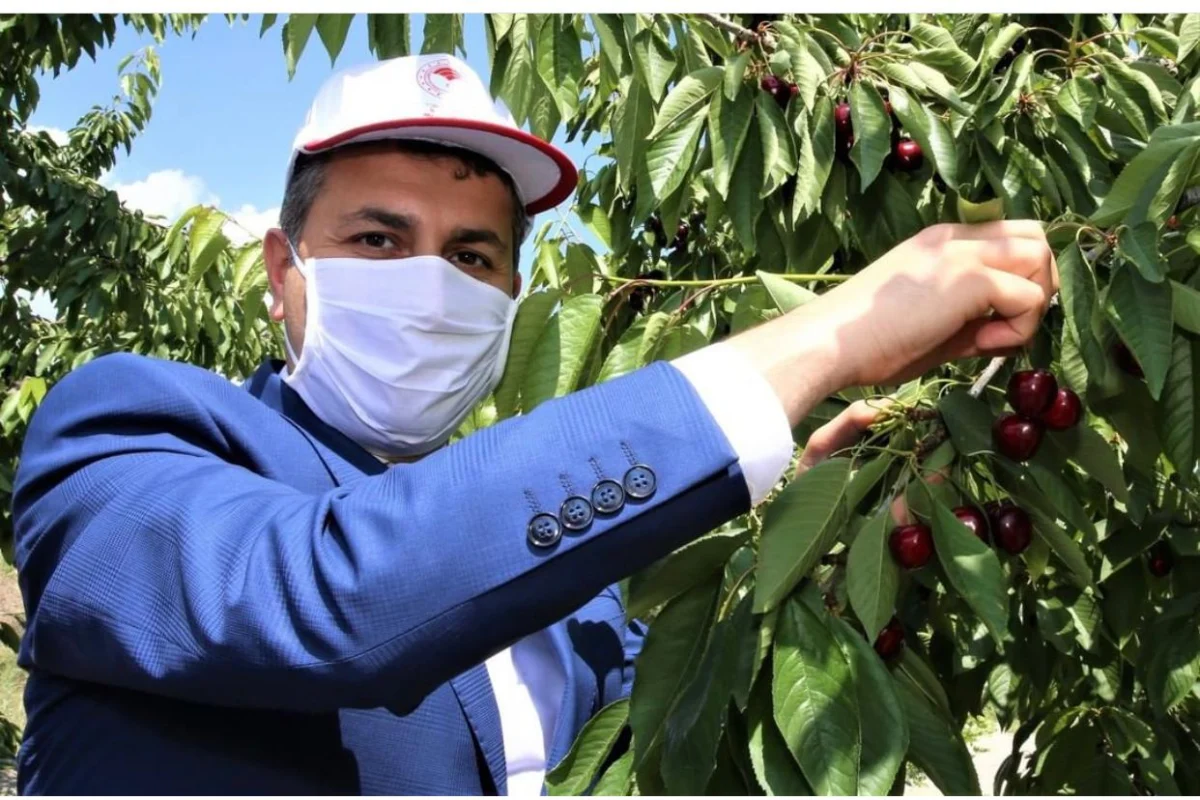
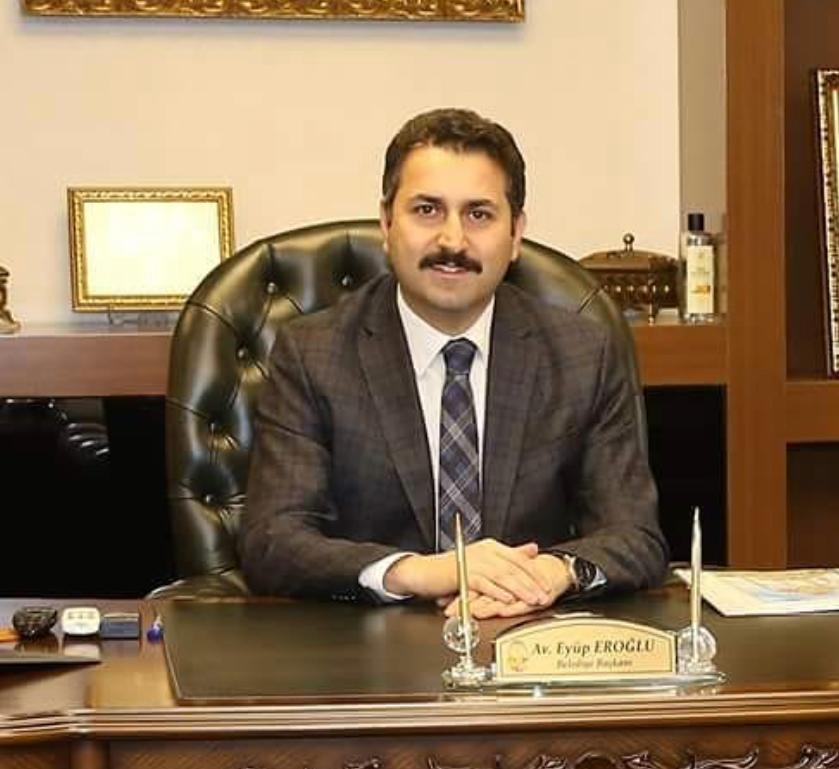
To understand the vision behind Tokat’s transformation, one must look to its leadership. Mayor Eyüp Eroğlu, one of Turkey’s youngest and most forward-thinking municipal leaders, has made sustainability the cornerstone of his administration.
In an exclusive interview, Mayor Eroğlu emphasized that Tokat’s readiness for the ESTC is not an accident but the result of long-term strategic planning. "Along with Tokat’s friendly local people and their welcoming outlook, the Tokat Municipality will make every effort to develop our city’s tourism to be represented in the international arena," Mayor Eroğlu stated. "We will accomplish this in a sustainable way, ensuring that our growth benefits the environment as much as it benefits our citizens."
Chronology of Development: From Ancient Crossroads to Modern Hub
To appreciate the significance of this conference, one must understand the timeline of Tokat’s evolution:
- 5th Century AD: The foundational era for the settlement, establishing the roots of what would become a major administrative and cultural center.
- The Medieval Era: Tokat emerges as a critical trade hub along the Silk Road, leading to the construction of the formidable Tokat Castle, which still overlooks the city today.
- The 21st Century Transition: Under Mayor Eroğlu’s tenure, the municipality begins prioritizing "Green Urbanism." Efforts are made to restore historical sites while simultaneously implementing waste reduction and water conservation programs.
- 2021: Tokat is officially selected as the host for the 16th ESTC, marking its debut as a premier international destination for ecological, educational, and sustainable tourism.
Supporting Data: A Landscape of Abundance
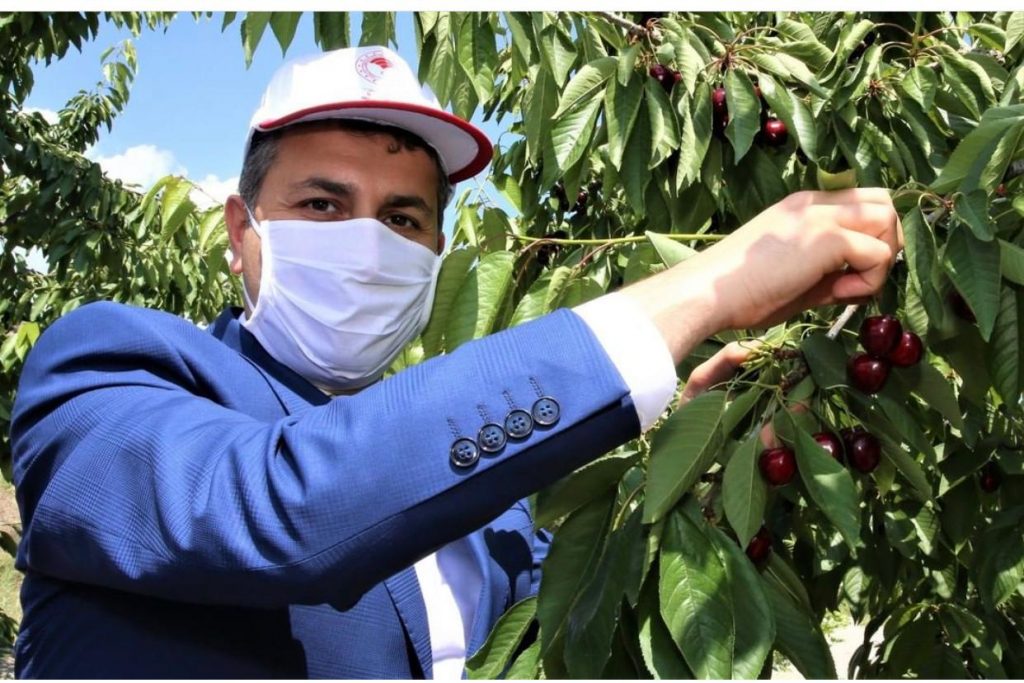
Tokat’s appeal is rooted in its natural and agricultural wealth. The city’s transitional climate allows for a staggering variety of agricultural output. The region boasts 82 distinct varieties of cereals, fruits, and vegetables, a testament to the soil’s vitality and the traditional farming methods that have persisted for generations.
The Gastronomic Ecosystem
Sustainability in Tokat is also deeply tied to its food security and local supply chains. The city is famous for:
- Tokat Kebab: A culinary masterpiece that utilizes local produce and traditional cooking methods.
- Organic Staples: The city produces high-quality grape leaves, molasses, walnuts, and fenugreek—all integral to the local diet and the regional economy.
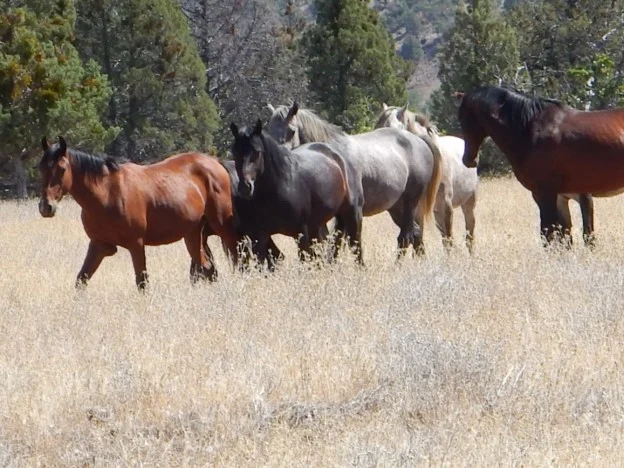
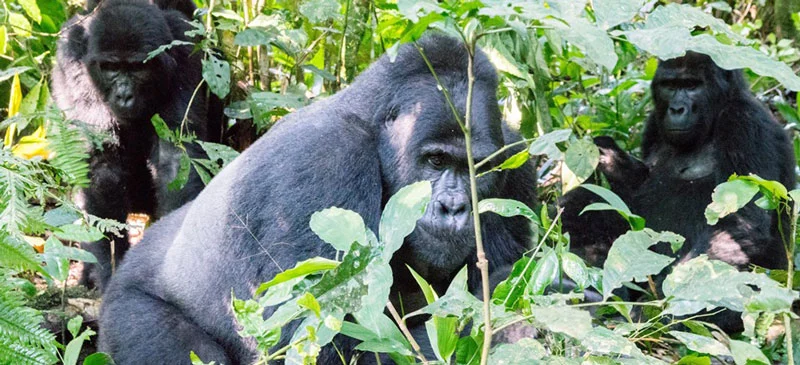
- Biodiversity: The surrounding valleys support a delicate balance of flora and fauna, which the current administration is working to protect through restricted development zones and eco-friendly agricultural incentives.
Official Perspectives on Global Engagement
The collaboration between TIES and the Tokat Municipality represents a bridge between local heritage and global standards. Mayor Eroğlu remains optimistic about the impact of the conference.
"Tokat Municipality welcomes The International Ecotourism Society and its valuable guests to our city," the Mayor remarked. "We look forward to focusing international attention on our thriving, unique destination. We hope to have the opportunity to show the world our cultural legacy and our legendary Anatolian hospitality. We are certain that ecotourists and travelers will collect many unforgettable memories here."
Safety and Protocols in the New Era
Recognizing the complexities of hosting an international event in the post-pandemic landscape, the Mayor addressed concerns regarding visitor safety. "I am deeply impressed with the meticulous care TIES has taken to ensure the safety of ecotravelers and the community of Tokat," he noted. The municipality has implemented strict, science-backed protocols to ensure that the conference is not only intellectually rewarding but physically secure for all delegates, staff, and local residents.
Implications for the Future of Ecotourism
The 16th ESTC is set to be a catalyst for change, not just for the city of Tokat, but for the wider region. The implications of this event are threefold:
1. Economic Diversification
By positioning itself as an ecotourism hub, Tokat is diversifying its economic base. The focus is shifting from traditional, high-impact tourism to low-impact, high-value experiential travel. This shift protects the environment while providing sustainable income for local artisans, farmers, and hospitality providers.
2. Cultural Preservation
The conference reinforces the importance of the "Anatolian Heritage." By inviting the world to witness its history, Tokat is incentivizing the preservation of historical structures like the Tokat Castle and the various Ottoman-era mosques and bridges that dot the city. When local communities see their culture valued by international visitors, they are more likely to participate in its preservation.
3. Setting a Global Standard
Tokat serves as a case study for mid-sized, historic cities worldwide. It proves that one does not need to sacrifice modernization to remain sustainable. By leveraging local agricultural diversity and historical landmarks, Tokat is demonstrating a replicable model for how other cities can navigate the demands of the 21st century.
Conclusion: An Invitation to Discovery
As the dates for the 16th ESTC approach, the anticipation in Tokat is palpable. The city is ready to showcase its unique blend of natural beauty, historical depth, and forward-thinking sustainability policies.
For delegates, researchers, and ecotourism enthusiasts, this conference offers a rare opportunity to experience a destination that has not yet been overwhelmed by mass tourism, but which possesses all the infrastructure and cultural richness of a world-class site.
The International Ecotourism Society invites all interested professionals to register for the upcoming conference. By attending, you are not merely participating in an event; you are contributing to a global dialogue on the future of our planet. Tokat is waiting to show the world that when we respect our past and protect our natural wonders, the future of tourism becomes a powerful force for good.
Register for the 16th ESTC today and be part of the movement toward a more sustainable, equitable, and vibrant future.
Interested delegates should register via the official TIES portal here.