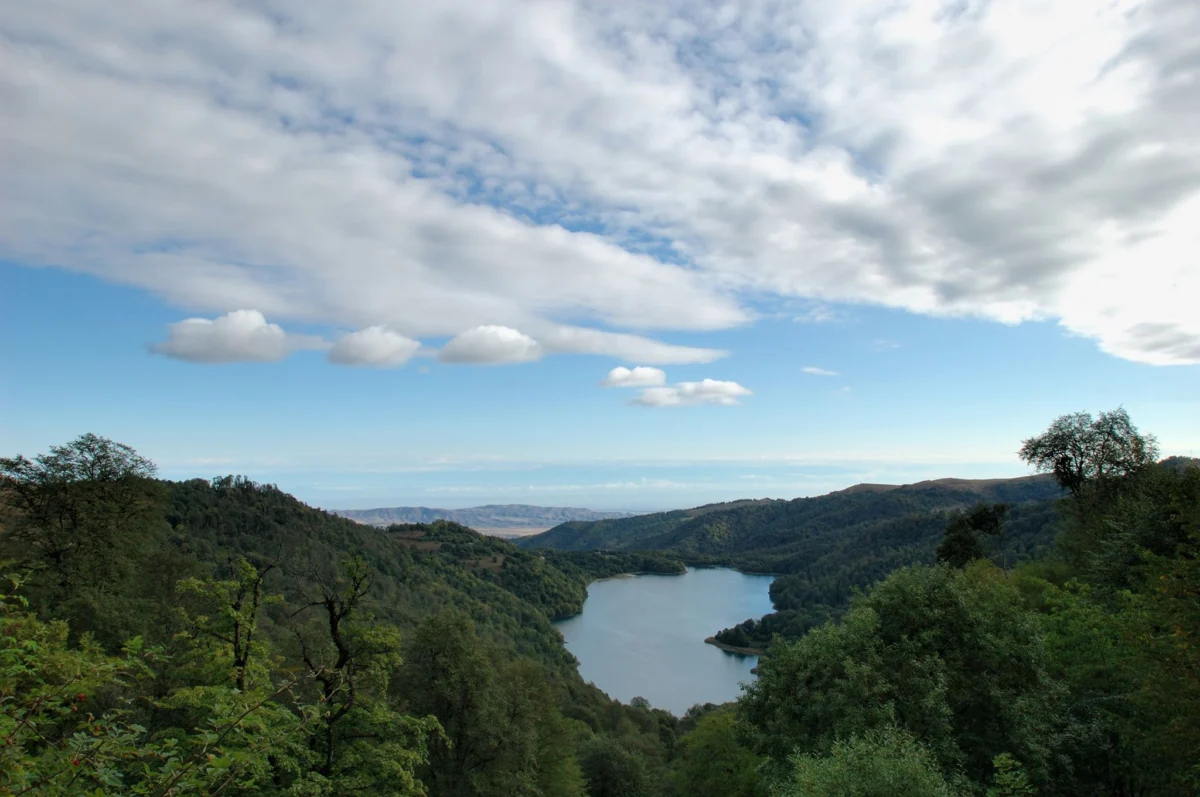
East Africa is no longer just a destination for traditional "Big Five" safaris. In recent years, a paradigm shift in travel has seen a surge in interest toward the region’s dramatic volcanic landscapes. From the snow-capped peak of Mount Kilimanjaro to the dense, mist-covered jungles of Rwanda’s Volcanoes National Park, travelers are increasingly seeking experiences that blend high-adrenaline adventure with deep environmental and cultural responsibility.
As the global ecotourism market continues to mature, East Africa stands at the forefront, offering a unique intersection of geological wonder and sustainable travel. This report examines the burgeoning landscape of volcanic tourism, the importance of community-based conservation, and the logistics behind planning a responsible, transformative African expedition.
Main Facts: The Geological Foundations of East African Tourism
The East African Rift system has gifted the continent with some of its most iconic geographical features. These volcanic landmarks act as the pillars of the region’s ecotourism economy. Key destinations currently defining this sector include:
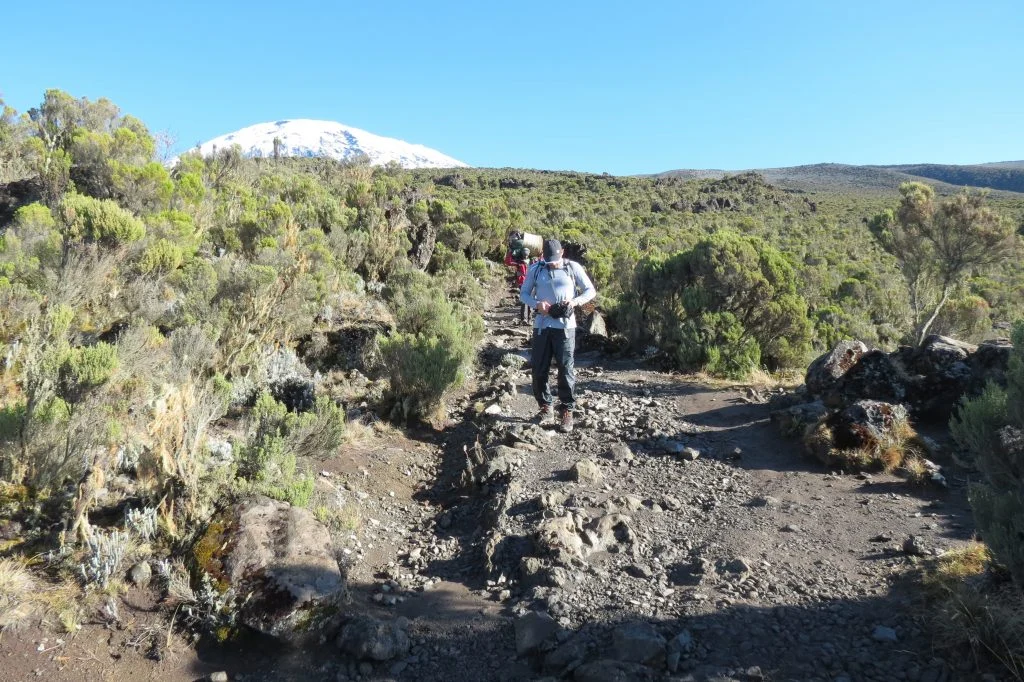
- Mount Kilimanjaro & Mount Meru (Tanzania): As the highest point in Africa, Kilimanjaro is a bucket-list destination for trekkers globally. Its neighbor, Mount Meru, offers a more intimate, rugged alternative that is essential for acclimatization.
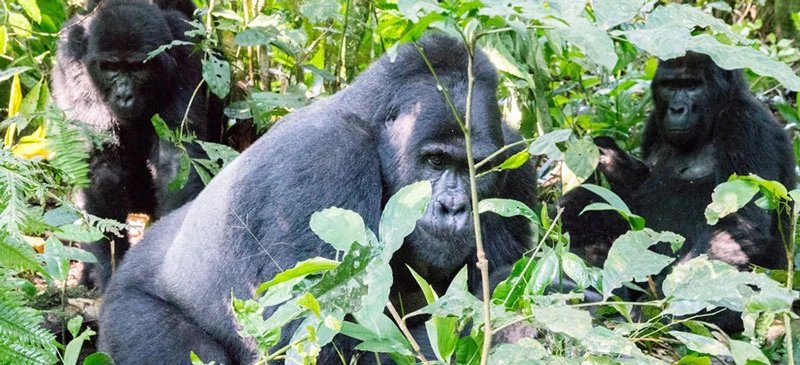
- Volcanoes National Park (Rwanda): Renowned globally for its gorilla trekking programs, this park is the gold standard for primate-focused ecotourism.
- Ngorongoro Conservation Area (Tanzania): A UNESCO World Heritage site, the Ngorongoro Highlands feature unique craters like Olmoti and Empakai, providing a landscape that is both scientifically significant and visually breathtaking.
- Mount Kenya & The Eastern Arc Mountains: These biodiversity hotspots are crucial for endemic species and provide critical water catchment areas for the region.
- Oldonyo Lengai: Known as the "Mountain of God," this active volcano remains a focal point for adventurous travelers seeking to witness the raw power of the earth.
Chronology: The Evolution of Ecotourism in the Region
The transformation of East African tourism from simple sightseeing to a nuanced, eco-conscious industry did not happen overnight.
1990s – The Early Awareness: As global travel increased, the environmental impact of mass tourism became apparent. Conservationists began advocating for smaller-scale, higher-value tourism models that could support local economies without degrading the environment.
2000s – The Rise of Sustainable Infrastructure: During this decade, organizations like Kilimanjaro Tanzanite Safaris DMC began formalizing partnerships with local communities. The emphasis shifted toward "eco-lodges" and tented camps that minimized carbon footprints while maximizing local employment.
2010s – The Primate Boom: The success of Rwanda’s conservation model—specifically in the Volcanoes National Park—turned the country into a global leader in high-end, low-impact tourism. Gorilla tracking became the primary vehicle for funding habitat preservation.
2020s – The Holistic Safari: Today, the trend has shifted toward the "Combo Tour." Travelers are no longer content with just one experience; they are increasingly booking 8-to-14-day itineraries that combine volcanic trekking, Serengeti wildlife migration viewing, and deep cultural immersion in Maasai villages.
Supporting Data: Why Volcanic Tourism Matters
Ecotourism, by definition, requires travelers to engage responsibly with the environment. According to recent industry metrics, the economic impact of this sector is profound:
- Conservation Funding: Entrance fees to national parks like those in the Ngorongoro Conservation Area directly fund anti-poaching units and environmental monitoring.
- Community Development: When travelers visit Maasai Bomas or engage in community-led walking safaris, the capital stays within the local economy, incentivizing residents to protect, rather than exploit, the natural resources around them.
- Preparation and Safety: Professional trekking operations, such as those arranging the Lemosho route on Kilimanjaro, have seen a 20% increase in demand for multi-day acclimatization packages. Spending time in the Ngorongoro highlands before a Kilimanjaro climb is now considered the "gold standard" for safety and success.
Official Responses and Industry Guidance
Expert organizations and travel authorities are increasingly providing guidance on how to navigate these sensitive environments. Travel and Leisure magazine, for instance, has published extensive guides on the logistics of primate trekking, emphasizing that the primary objective of any trip to Volcanoes National Park must be the well-being of the mountain gorillas and the integrity of their habitat.
Industry experts, including the team at Kilimanjaro Tanzanite Safaris DMC, highlight that a successful trip requires a delicate balance:
- For the Climber: Success on the summit of Kilimanjaro or the ice fields of the southern/northern slopes is highly dependent on a planned, staggered ascent.
- For the Eco-Traveler: Choosing accommodations that prioritize water conservation, waste management, and renewable energy is not just a preference; it is a prerequisite for a truly ethical tour.
- For the Culture Seeker: Authentic engagement, such as participating in cultural tours that offer a respectful look into local traditions, ensures that the visitor is a guest rather than an intruder.
Implications: The Future of Responsible Exploration
The rise of volcanic ecotourism in East Africa has significant implications for both the traveler and the environment.
The Economic Ripple Effect
When an international traveler books a package that includes a 4-day Rwanda gorilla trek combined with a Tanzania safari, they are supporting a complex ecosystem of guides, porters, lodge staff, and local artisans. This "multi-destination" approach is the most effective way to maximize the economic impact of tourism. By spending more time in the country, the traveler distributes wealth across multiple sectors rather than concentrating it in a single high-traffic hub.
The Conservation Imperative
The presence of eco-conscious tourists serves as a deterrent to illegal activities such as poaching and deforestation. In places like the Udzungwa Mountains or the Southern Circuit, the presence of hikers and nature enthusiasts helps keep the "eyes on the ground," making it harder for encroachers to operate.
Environmental Stewardship
The shift toward "leave no trace" hiking, particularly on sensitive volcanic slopes, is a necessity. As these destinations gain popularity, the role of local tour operators becomes vital. Companies like Kilimanjaro Tanzanite Safaris are essential intermediaries, ensuring that visitors understand the regulations of the parks—such as waste disposal on Kilimanjaro and respectful proximity during gorilla tracking—to ensure these wonders remain for future generations.
Planning Your Journey: Practical Considerations
For those looking to embark on an East African volcanic expedition, the following considerations are paramount:
1. Tailoring Your Itinerary
A 4-day trip to Rwanda for gorilla tracking can be an intense, life-changing experience on its own. However, for those with more time, a 12-to-14-day safari allows for a more profound connection. Combining the "Big Five" wildlife drives in the Serengeti with a challenging climb up the Lemosho route provides a balanced experience of luxury, adventure, and raw wilderness.
2. Selecting the Right Partners
The complexity of arranging cross-border trips (e.g., Tanzania and Rwanda) requires local expertise. A reputable Destination Management Company (DMC) can manage the intricacies of park permits, professional guides, and eco-lodge bookings. This saves both time and money while ensuring the money you spend is going toward certified, ethical providers.
3. The Importance of Acclimatization
Do not underestimate the altitude. The Ngorongoro Highlands provide the perfect, lower-altitude environment for "walking safaris" that serve as essential training for the higher, more grueling climbs like Mount Kilimanjaro.
4. Cultural Engagement
Ecotourism is as much about people as it is about geology. When visiting Maasai Bomas or engaging in community tours, approach these experiences with an open mind. The revenue from these visits is often the primary source of income for local schools and clinics.
Conclusion
East Africa’s volcanic landscapes represent more than just beautiful scenery; they are the heart of a thriving, responsible tourism industry. By choosing to travel with a focus on conservation and community support, visitors are not merely observers of these natural wonders—they become participants in their preservation.
Whether you are standing on the crater rim of the Ngorongoro, listening to the call of a chimpanzee in Gombe, or pushing toward the summit of Kilimanjaro, the message is clear: the future of travel in Africa is green, ethical, and profoundly transformative. As you plan your next adventure, consider the impact of your footprint and the legacy you leave behind in these majestic, ancient volcanic landscapes.
For more information on curated, responsible itineraries and to explore the diverse range of wildlife and trekking packages, visit Kilimanjaro Tanzanite Safaris and start planning a journey that truly makes a difference.