Introduction: A New Chapter in Sustainable Development
In a landmark move that signals a paradigm shift for the Caucasus region’s tourism sector, a cadre of visionary professionals has officially announced the formation of the Azerbaijan Ecotourism Association (AETA). This initiative, deeply rooted in the recent sustainable development reforms championed by the government of President Ilham Aliyev, seeks to redefine Azerbaijan’s position on the global tourism map. By weaving ecological stewardship into the fabric of the national travel industry, the AETA aims to establish the country as a premier destination for responsible, nature-conscious travelers.
The establishment of this association is not merely an administrative milestone; it represents a strategic alignment between private sector expertise and national environmental priorities. As global tourism trends shift toward "slow travel" and sustainable experiences, Azerbaijan is positioning itself to capitalize on its diverse, pristine, and historically rich landscapes.
Main Facts: The Blueprint of AETA
The Azerbaijan Ecotourism Association is built upon a foundation of multi-disciplinary expertise. The organization aims to act as a catalyst for a national transition toward "green" tourism, focusing on the preservation of Azerbaijan’s rich biodiversity while fostering economic growth in rural areas.
The Core Mandate
The AETA has outlined a multi-faceted mission designed to integrate sustainability into the core of the Azerbaijani experience:
- Advocacy for Eco-Culture: Promoting environmental consciousness among both the local population and tourists.
- Biodiversity Conservation: Working in tandem with environmental agencies to protect the nation’s flora and fauna.
- Sustainable Product Development: Encouraging the growth of agritourism, rural tourism, eco-hotels, and sustainable culinary experiences.
- International Positioning: Branding Azerbaijan as a hub for ecotourism through global marketing campaigns and partnerships.
By targeting these pillars, the AETA intends to create a robust framework that supports small-scale local entrepreneurs—such as farm-stay owners and local artisans—while ensuring that the environmental footprint of the tourism sector remains minimal.
Chronology of Formation: From Concept to Commitment
The journey toward the creation of the AETA was marked by extensive consultation and rigorous planning. Recognizing that sustainable development cannot be achieved in a vacuum, the founders spent months engaging with a wide array of stakeholders.
A Period of Strategic Consultation
The founding phase was characterized by a series of high-level meetings with both domestic and international entities. Key organizations involved in the preliminary consultations included:
- The International Ecotourism Society (TIES): Providing global best practices and standards for sustainability.
- World Wide Fund for Nature (WWF): Offering expertise in conservation science and protected area management.
- REM Caucasus Regional Eco Center: Aligning regional ecological efforts.
- State Tourism Agency and the Ministry of Ecology and Natural Resources: Ensuring the association’s initiatives are in lockstep with national government policy.
This collaborative approach was essential to ensuring that the AETA would not only be a non-governmental organization but a vital link in the national policy ecosystem. By finalizing these partnerships before the public launch, the founders ensured that the AETA would have the technical support and institutional legitimacy required to hit the ground running.
The Visionaries: Profiles in Leadership
The association is led by a team of seasoned professionals whose backgrounds span the tourism, hospitality, and educational sectors.
Samir Dubendi: The Driving Force
As the Chairman of the Executive Board of the DAIR Hotels and Restaurants Association and a head lecturer at the Azerbaijan Tourism and Management University (ATMU), Samir Dubendi brings a unique blend of practical industry experience and academic rigor to the AETA. His leadership is defined by an urgency to implement change. "We are working hard to do everything as rapidly as we can," Dubendi stated during the launch, emphasizing the team’s commitment to achieving operational maturity within the first month.
The Founding Team
Alongside Dubendi, the association is supported by experts such as Zurab Israfilov, Rufat Gojayev, and Vugar Dargahov. Each member of this founding board brings a distinct set of skills, ranging from operational hotel management to strategic environmental planning. Their combined experience forms a comprehensive knowledge base that is capable of addressing the complex challenges of modern, sustainable tourism.
Supporting Data: Why Now?
The necessity for an organization like the AETA is underscored by the current global shift in traveler preferences. According to recent market analysis, modern tourists are increasingly moving away from mass-market, high-impact tourism in favor of authentic, environmentally conscious experiences.
The Economic Case for Ecotourism
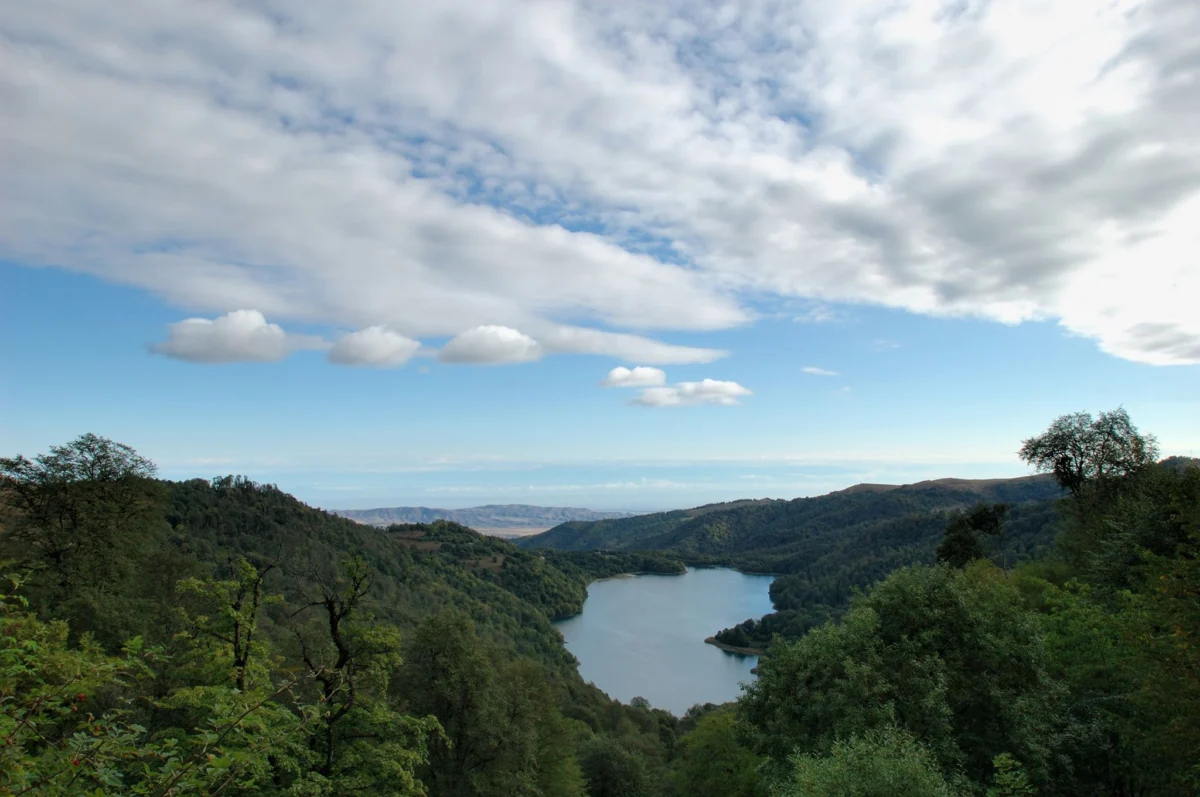
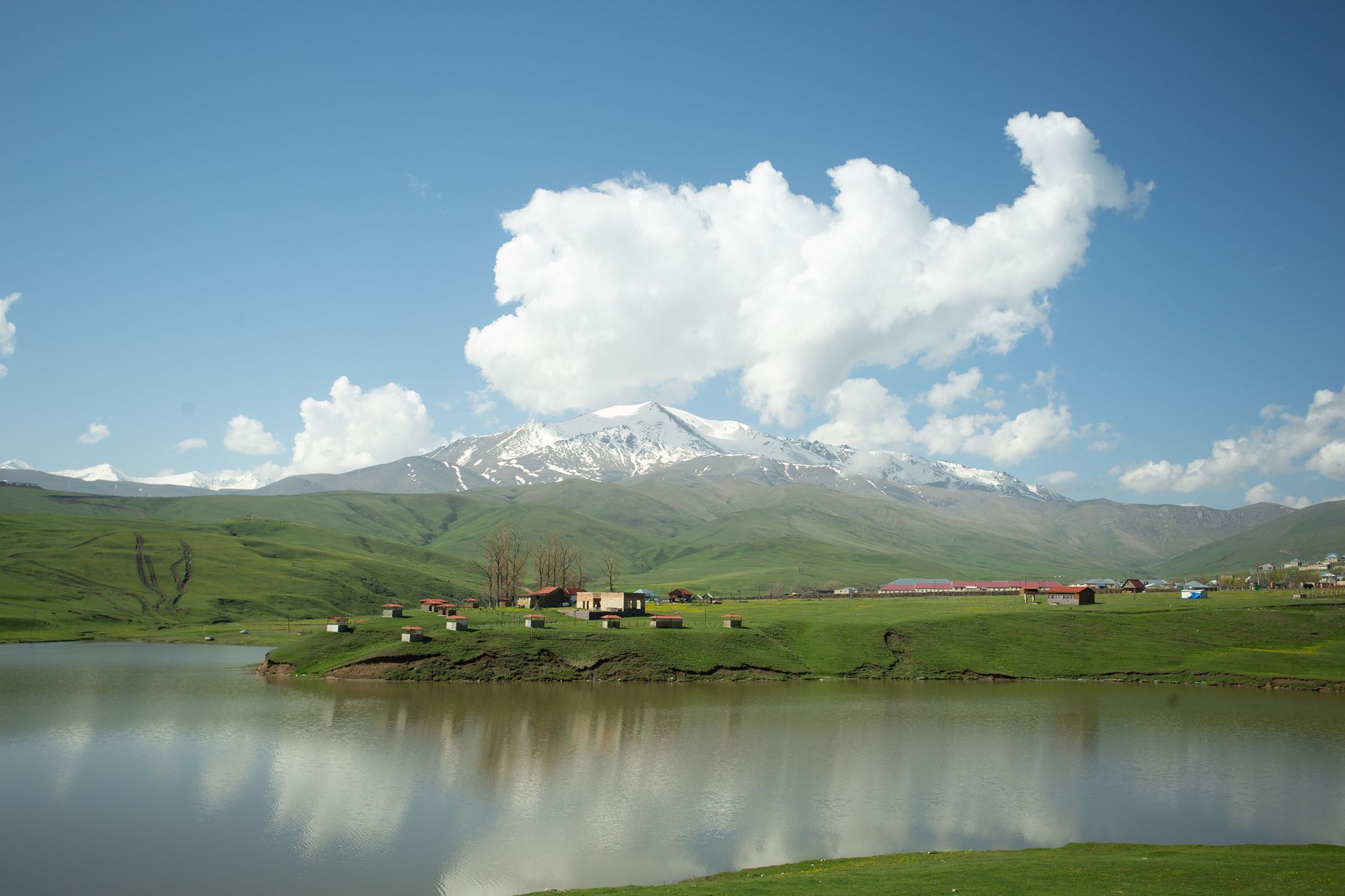
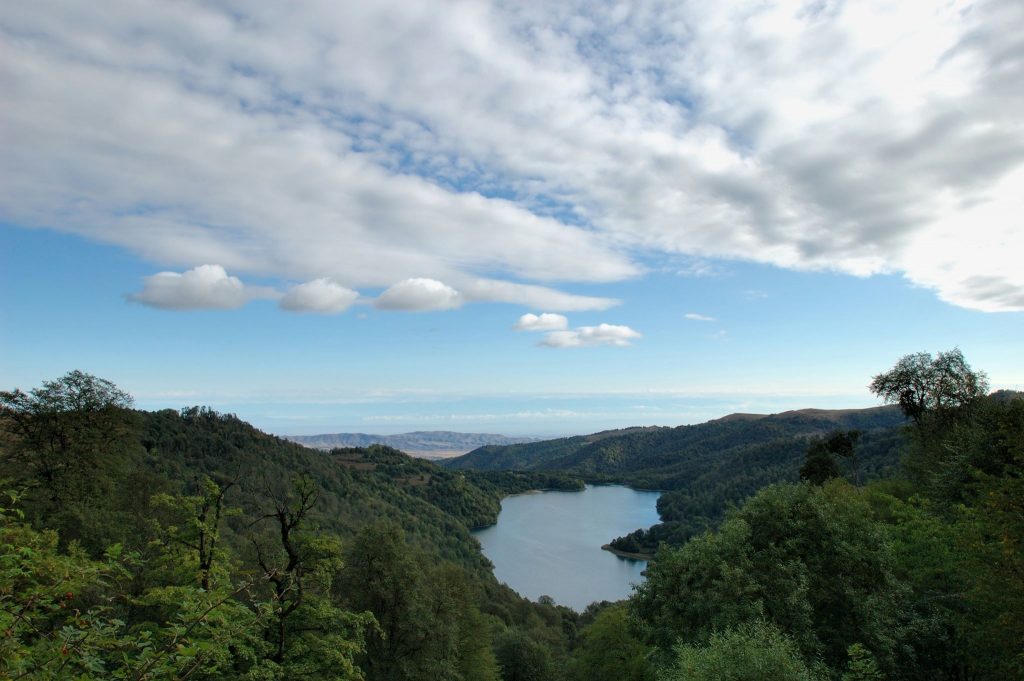
Azerbaijan possesses an extraordinary geographical variety, ranging from the semi-desert landscapes of the Absheron Peninsula to the lush, alpine forests of the Greater Caucasus. This natural diversity is the nation’s greatest asset. However, without sustainable regulation, these assets risk degradation.
The AETA aims to facilitate:
- Agritourism and Farm-to-Table Experiences: Connecting rural communities with international visitors to boost local income.
- Eco-Hospitality Standards: Implementing certifications for hotels that utilize renewable energy, minimize waste, and practice water conservation.
- Community-Led Conservation: Providing local populations with economic incentives to protect their natural environments rather than exploiting them.
Official Responses and International Synergy
The international community, particularly through The International Ecotourism Society (TIES), has lauded the establishment of the AETA. The move is viewed as a vital step in bringing the Caucasus region into the global fold of sustainable tourism leaders.
TIES’s Stance
In a formal statement, TIES congratulated the founders, emphasizing that the cross-pollination of knowledge is key to the association’s success. Mr. Dubendi echoed this sentiment, stating, "My colleagues and I hope to be in permanent touch with TIES, to adopt and share your indispensable experience."
This commitment to international collaboration ensures that Azerbaijan will not be reinventing the wheel. By leveraging the existing frameworks provided by global bodies, the AETA can bypass the common pitfalls of nascent sustainable tourism programs and jump straight to implementation and growth.
Implications: The Future of Azerbaijan’s Tourism Landscape
The emergence of the AETA carries profound implications for the future of Azerbaijan. As the country seeks to diversify its economy away from traditional energy exports, tourism has become a centerpiece of the national development agenda.
Empowering the Youth
A critical element of the AETA’s mission is the mobilization of the younger generation. By encouraging youth participation in environmental sustainability, the association is fostering a new culture of stewardship. Education and active involvement are the cornerstones of this effort; the AETA plans to engage university students and young entrepreneurs in programs that prioritize the long-term health of the environment over short-term gain.
A Strategic Pivot
The partnership with the State Tourism Agency and the Ministry of Ecology and Natural Resources suggests that the AETA will play an advisory role in shaping future policy. This implies that environmental impact assessments, sustainable infrastructure development, and biodiversity protection will become standard requirements for future tourism projects in Azerbaijan.
Challenges Ahead
Despite the optimism, the road ahead is not without its hurdles. Transitioning an entire industry to sustainable practices requires significant infrastructure investment, training for local operators, and the development of stringent, enforceable standards. Furthermore, the AETA must ensure that the "eco" label is protected from greenwashing, ensuring that the services and products they promote are genuinely beneficial to the environment and the local communities.
Conclusion: A Green Legacy in the Making
The formation of the Azerbaijan Ecotourism Association is a testament to what can be achieved when professional expertise meets government initiative. By prioritizing ecological integrity, the AETA is not only protecting the natural heritage of Azerbaijan for future generations but is also positioning the country as a leader in the global ecotourism market.
As the association moves from its inaugural phase into full operation, the eyes of the international community will be on Azerbaijan. The success of the AETA will likely serve as a blueprint for other nations in the region looking to balance the pressures of tourism growth with the imperative of environmental conservation. With a clear vision, strong leadership, and a commitment to international collaboration, the Azerbaijan Ecotourism Association is poised to transform the nation into a sanctuary for nature-loving travelers and a champion of the green economy.
For more information on the evolving landscape of sustainable travel, visit www.ecotourism.org.