East Africa is defined by the raw, tectonic power of the Great Rift Valley. Beyond the sprawling savannahs and the iconic Big Five, the region holds a geological majesty that has recently cemented its status as the world’s premier destination for volcanic ecotourism. From the snow-capped peak of Mount Kilimanjaro to the dense, mist-shrouded jungles of Rwanda’s Volcanoes National Park, travelers are increasingly seeking experiences that marry high-altitude adventure with deep environmental stewardship.
Main Facts: The Volcanic Spine of East Africa
The East African Rift system is a massive geological wonder, stretching through Ethiopia, Kenya, Tanzania, and Rwanda. This tectonic activity has birthed some of the most ecologically significant highlands on the planet.
Key destinations currently leading the ecotourism charge include:
- Mount Kilimanjaro (Tanzania): The highest peak in Africa and a dormant stratovolcano.
- Mount Meru (Tanzania): An active volcano offering a rugged, less-trafficked alternative to Kilimanjaro.
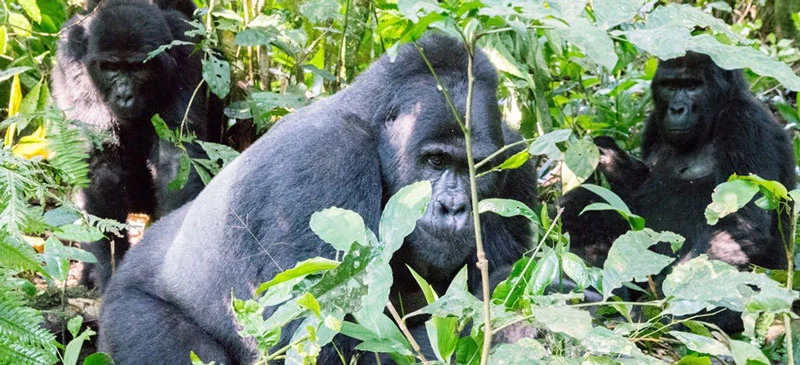
- Volcanoes National Park (Rwanda): The epicenter of gorilla conservation and primate trekking.
- The Ngorongoro Highlands (Tanzania): A caldera-rich region including the Empakai and Olmoti craters, essential for biodiversity.
- Mount Kenya: A jagged, ancient volcanic plug that provides a challenging ascent for technical climbers.
- Oldonyo Lengai: Known as the "Mountain of God," this active volcano is unique for its natrocarbonatite lava, which flows like water at relatively low temperatures.
These sites are not merely tourist attractions; they are fragile ecosystems that demand a "leave no trace" approach. Ecotourism in this region is defined by responsible travel: minimizing carbon footprints, supporting the economic well-being of local communities, and actively contributing to the preservation of natural habitats.
Chronology of a Sustainable Safari: Planning the Journey
A well-structured East African expedition typically spans 8 to 14 days, allowing for a balanced blend of wildlife viewing, cultural immersion, and physical challenge.
Phase 1: Acclimatization and Culture (Days 1–3)
Most travelers begin in the Ngorongoro Highlands. This is not just a precursor to the main event; it is a critical acclimatization period. Hiking the rim of the Empakai Crater or trekking through the Olmoti Crater allows the body to adjust to higher altitudes while observing the coexistence of local Maasai tribes and wildlife. Visits to Maasai Bomas provide a unique window into nomadic culture, ensuring that tourism revenue flows directly into local villages.
Phase 2: The Ascent (Days 4–11)
For those tackling Mount Kilimanjaro, this is the core of the itinerary. Choosing routes like the Lemosho—known for its superior acclimatization profile and breathtaking scenery—is highly recommended. As hikers move through the rainforest, heath, and alpine desert zones, they are witnessing the vertical distribution of life.
Phase 3: The Primate Connection (Days 12–14)
The ultimate conclusion to a Tanzanian safari is often a short flight to Rwanda. A 4-day excursion to Volcanoes National Park allows for gorilla trekking and golden monkey observation. Combining the "Big Five" of the savannah with the "Great Apes" of the jungle creates a holistic African travel experience that few other regions can offer.
Supporting Data: Why Ecotourism Matters
The shift toward ecotourism is supported by both economic and ecological data. According to industry reports, travelers who opt for eco-lodges and sustainable safari operators—such as those vetted by Kilimanjaro Tanzanite Safaris—significantly reduce the environmental degradation of fragile volcanic slopes.
- Economic Impact: When tourists engage with local guides, stay in community-run tented camps, and purchase local crafts, the economic multiplier effect is profound. This financial incentive is the primary driver for local communities to protect, rather than poach, the surrounding wildlife.
- Biological Diversity: The Eastern Arc Mountains and the volcanic craters of Ngorongoro act as "sky islands," hosting endemic species found nowhere else on earth. Responsible trekking ensures these habitats remain undisturbed.
- The "Gorilla Dividend": Rwanda’s conservation model, which uses high-end gorilla trekking permits to fund massive reforestation and anti-poaching efforts, has seen the population of mountain gorillas increase steadily over the last two decades.
Official Responses and Expert Insights
Industry experts, including those from Travel and Leisure, emphasize that the success of these trips relies heavily on preparation. Regarding the logistics of primate trekking, experts note: "Gorilla trekking is not a spectator sport; it is an immersive conservation experience. The interaction between human and habitat must be strictly managed to prevent disease transmission and behavioral disruption."
Safari operators have responded to the demand for sustainability by pivoting toward "Green Logistics." Kilimanjaro Tanzanite Safaris DMC, for example, has focused on streamlining travel through carbon-efficient route planning and partnering with lodges that utilize solar power and water-recycling systems.
"The goal," says a lead representative from the firm, "is to ensure that when a climber stands on the Uhuru Peak or a guest watches a silverback gorilla in the mist, they are part of a cycle of preservation. We are moving away from extractive tourism toward a model of restorative travel."
Implications for the Future of East African Travel
The implications of this shift are wide-ranging. As climate change continues to threaten the ice fields of Kilimanjaro, the industry is under pressure to adapt.
The Preservation Mandate
The melting glaciers of Kilimanjaro serve as a stark reminder of environmental fragility. Ecotourism, when done correctly, funds the scientific monitoring of these changes. By participating in these tours, visitors are essentially "citizen scientists" who bring global attention to the status of these volcanic peaks.
Cultural Preservation
The integration of Maasai and other local indigenous cultures into the tourism product is a delicate balance. It is imperative that these interactions remain authentic. When visitors book through reputable DMC (Destination Management Company) services, they ensure that the Maasai tribe members are partners in the venture, not mere window dressing. This empowerment is the bedrock of sustainable tourism.
The "Combo-Safari" Trend
The rise of the "Combo-Safari"—linking Tanzania’s southern circuit (such as Udzungwa Mountains National Park) with Rwanda’s northern jungles—signals a new maturity in the travel market. Travelers are no longer satisfied with a single-destination experience; they want to see the breadth of the Great Rift Valley’s diversity. This trend encourages a longer duration of stay, which in turn leads to a more significant economic contribution to the region.
Conclusion: A Call to Responsible Exploration
The volcanic wonders of East Africa are more than just geographical marvels; they are the lungs and the legacy of the continent. Whether you are scaling the jagged heights of Mount Kenya, trekking through the lush, dense foliage of Volcanoes National Park, or watching the sunrise over the Ngorongoro crater, the experience is transformative.
To embark on such a journey is to accept a responsibility. It requires selecting the right partners—those who prioritize eco-lodges, sustainable transport, and local empowerment—to ensure that the footprints left behind are merely temporary, while the positive impact on the environment and its people lasts for generations. As you plan your next escape, consider the volcanic spine of East Africa: a destination where the earth is still being forged, and where your presence can help protect its future.
For those ready to begin their journey, comprehensive resources for private Kilimanjaro expeditions and wildlife safari itineraries are available to help craft an experience that is as ethically sound as it is breathtaking. The mountains are calling—tread lightly, respect the culture, and witness the majesty of the rift.