In the high-stakes world of ultralight backpacking, where every ounce dictates the success or failure of a trek, the sleeping system is the single most critical component. For over a decade, one manufacturer has stood as the gold standard for performance and longevity: Katabatic Gear. Central to their reputation is the Alsek 22°F quilt, a piece of equipment that has become synonymous with reliability for long-distance hikers and alpine explorers alike.
As Katabatic Gear rolls out its annual holiday sale—offering 15% off quilts and 20% off jackets and bivys through December 2—it is worth revisiting why this specific piece of gear remains a cornerstone of the professional backpacking community.
Main Facts: The Anatomy of the Alsek
The Katabatic Alsek 22°F is not merely a down blanket; it is a precision-engineered sleep system. Weighing in at a total of 23.6 oz (0.67 kg) with a fill weight of 15.2 oz (0.43 kg), it strikes an aggressive balance between warmth-to-weight efficiency and absolute comfort.

The quilt’s design philosophy centers on a "closed-system" approach. Unlike standard quilts that rely on simple straps, Katabatic utilizes a sophisticated attachment system involving dual cords and three webbing straps. These are designed to be tucked beneath the user rather than wrapping around the sleeping pad, ensuring a draft-free seal even for restless sleepers.
Technical Specifications
- Temperature Rating: 22°F (-6°C)
- Total Weight: 23.6 oz
- Fill Weight: 15.2 oz
- Sustainability Standards: All materials are bluesign approved and Responsible Down Standard (RDS) certified.
Chronology: A Decade of Field Testing
The author’s relationship with Katabatic Gear dates back to 2011, beginning with the Palisade 30°F and the Sawatch 15°F. These initial pieces, now boasting over 900 nights of cumulative use, remain functional—a testament to the brand’s manufacturing durability.
In 2018, the Alsek 22°F was introduced to the kit. Over the subsequent six and a half years, this quilt has been subjected to some of the most demanding environments on the planet. The chronology of its use provides a clear picture of its versatility:

- 2018: The Scottish Highlands and the rugged landscapes of Norway’s Lofoten Islands.
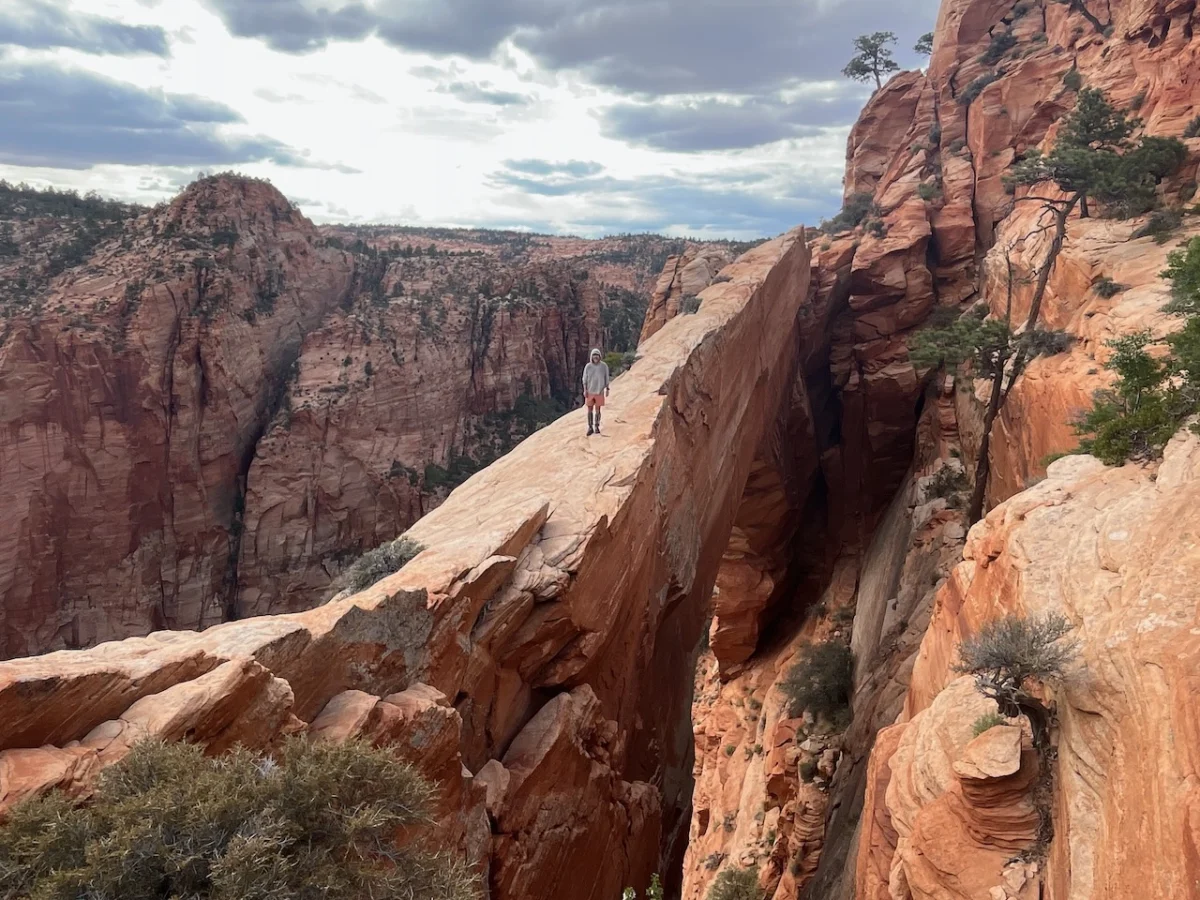
- 2019: Technical terrain in the Dolomites, followed by fall traverses in the Austrian and Slovenian Alps.
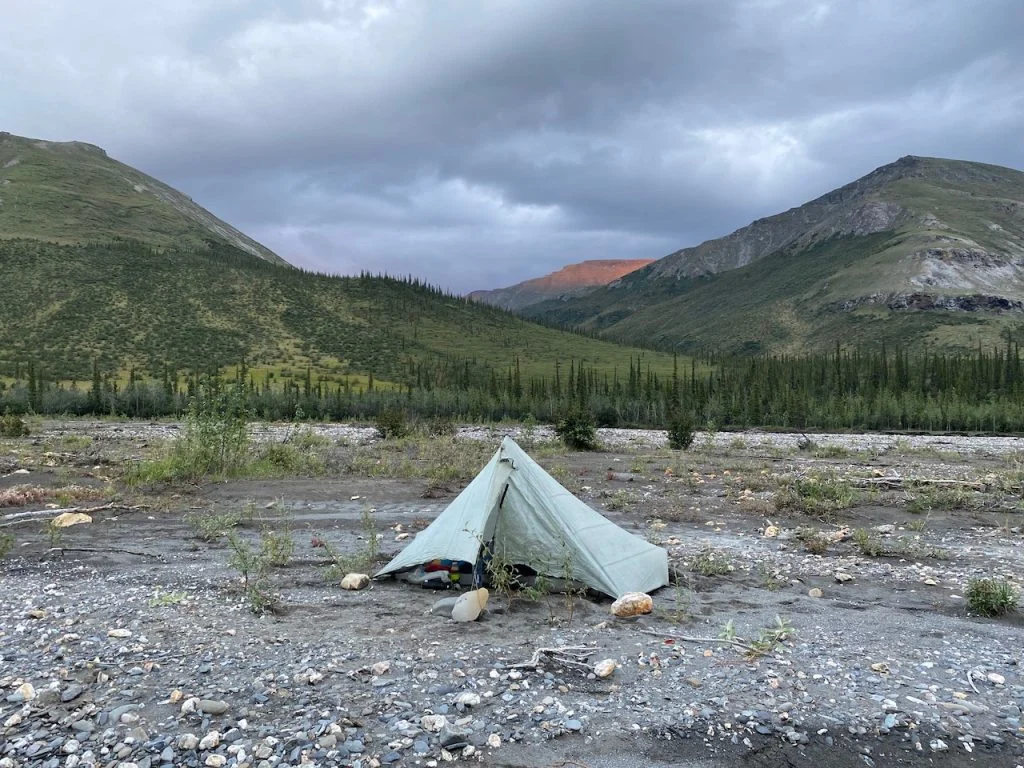
- 2021: High-latitude expeditions in Alaska, including Denali National Park and the Brooks Range.
- 2023: An intensive loop through Iceland’s Hornstrandir Nature Reserve.
- 2024: A 300-mile traverse of Washington’s Olympic Peninsula, specifically the challenging Bailey Range.
With over 250 nights in the field, the Alsek has transitioned from a "new piece of gear" to an indispensable survival tool, consistently exceeding its comfort ratings in diverse humidity and temperature zones.
Supporting Data: Why the Alsek Excels
The efficacy of a sleeping quilt is determined by three factors: loft retention, draft management, and ease of use.
The Attachment System
The most common critique of quilt-style sleeping systems is the tendency for cold air to "leak" in when the sleeper turns. Katabatic addresses this with two distinct modes for their cord system: a "loose" setting for thermal regulation and a "tight" setting that locks the quilt against the pad for frigid conditions. By keeping the webbing straps thin and unobtrusive, the design eliminates the "dead space" typically found in standard mummy bags, allowing the down to loft fully around the user’s body.

Durability and Loft
The longevity of the Alsek is not accidental. By sourcing premium RDS-certified down and utilizing high-denier fabrics, Katabatic ensures that the loft—the "fluffiness" that traps heat—does not collapse after repeated compression cycles. While many lightweight bags lose their thermal efficiency after three or four seasons, the Alsek continues to maintain its thermal properties after six years of heavy use.
Implications: The "Goldilocks" Effect
For the prospective buyer, the Alsek 22°F represents the "Goldilocks" solution. In the world of ultralight gear, there is a tendency for hikers to specialize too heavily—buying a quilt that is too light for winter or too heavy for summer.
The Alsek occupies the "sweet spot." It is warm enough for three-season alpine environments, yet breathable and adjustable enough to handle milder conditions. It serves as a single, versatile investment that eliminates the need for a quiver of different bags.

The Financial Perspective
While the initial investment in Katabatic gear is higher than mass-market alternatives, the cost-per-night analysis tells a different story. When a piece of equipment lasts for 14 years and nearly a thousand nights, the "expensive" purchase becomes the most economical choice in the long run. As the industry adage goes: "You get what you pay for." In the backcountry, where gear failure is not an option, this philosophy is the difference between a successful summit and a dangerous retreat.
Professional Recommendations and Final Thoughts
If you are currently navigating the "gear rabbit hole," seeking a singular solution to your backcountry sleeping needs, the Alsek 22°F or the Flex 22°F are the primary recommendations.
For those planning long-distance thru-hikes or expeditions into fluctuating climates, the Alsek provides a psychological and physical security that few other pieces of equipment can match. Its performance in the Brooks Range—where temperatures bottomed out at 19°F—proves that it can handle the margins of its rating without requiring excessive layering.

How to Maximize Your Setup
To get the most out of an Alsek, pair it with a high-R-value sleeping mat, such as the Thermarest NeoAir XLite NXT. Because the quilt relies on the pad to provide the underside insulation, the synergy between these two components is paramount. When combined with a lightweight merino wool base layer and a beanie, the Alsek creates a micro-climate that is effectively impervious to the elements.
Final Note on Ethics:
Beyond performance, the commitment of Katabatic Gear to bluesign and RDS standards is a significant consideration for the modern, environmentally conscious hiker. Knowing that the materials are sourced ethically without compromising the high-performance nature of the gear adds an layer of integrity to the purchase.
Disclaimer: The author received the Alsek 22 for testing purposes but maintains full editorial independence. This article contains affiliate links; purchasing through these links supports independent journalism at The Hiking Life at no additional cost to the reader.