Introduction
The German power sector is currently undergoing its most significant structural transformation since the inception of the Energiewende (energy transition). As the nation hurtles toward its ambitious climate targets, the Renewable Energy Sources Act—known in Germany as the Erneuerbare-Energien-Gesetz (EEG)—stands as the legislative backbone of this transition. With the rollout of the EEG 2027 framework, Germany is not merely adjusting its energy mix; it is fundamentally rewriting the operational and financial rules of its power market to ensure energy security, grid stability, and industrial competitiveness.
As stakeholders across the energy spectrum prepare for the implications of these new mandates, the industry faces a complex landscape defined by accelerated expansion of wind and solar capacity, the integration of hydrogen-ready gas plants, and the phase-out of traditional baseload thermal generation.
Main Facts: The Core Pillars of EEG 2027
The EEG 2027 initiative represents a shift from a subsidy-driven market to one defined by system integration and market-based flexibility. The primary objective is to reach an 80% share of renewable energy in gross electricity consumption by 2030, a goal that requires unprecedented deployment rates.
1. Accelerated Expansion Targets
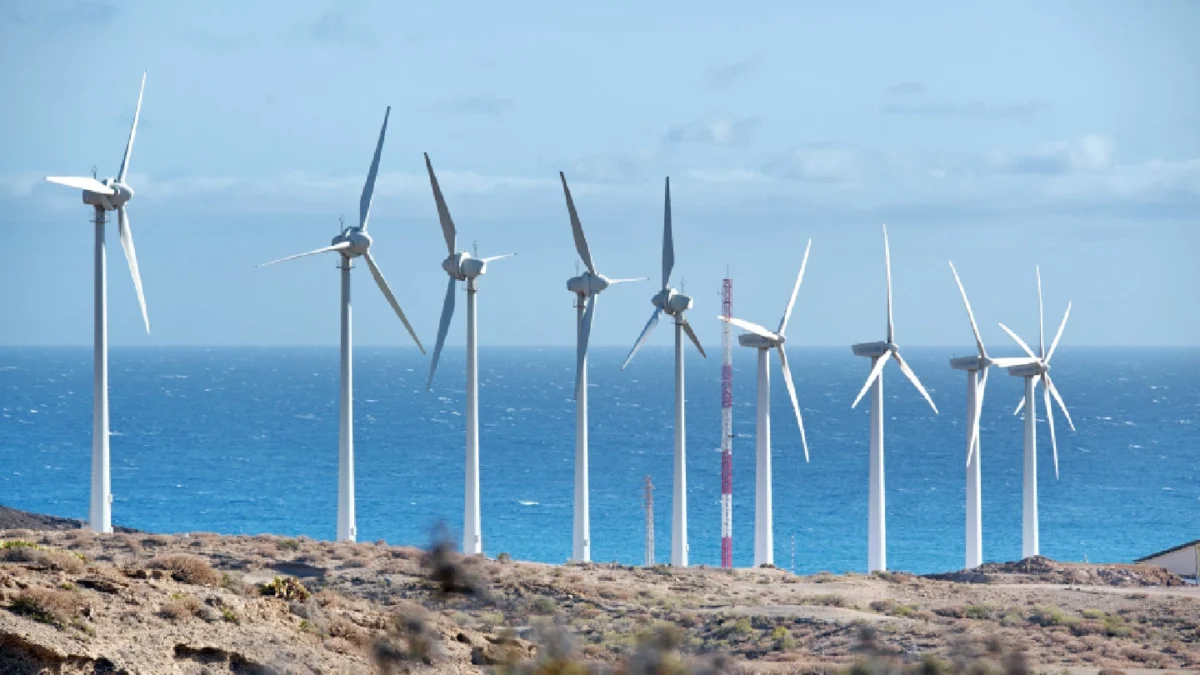
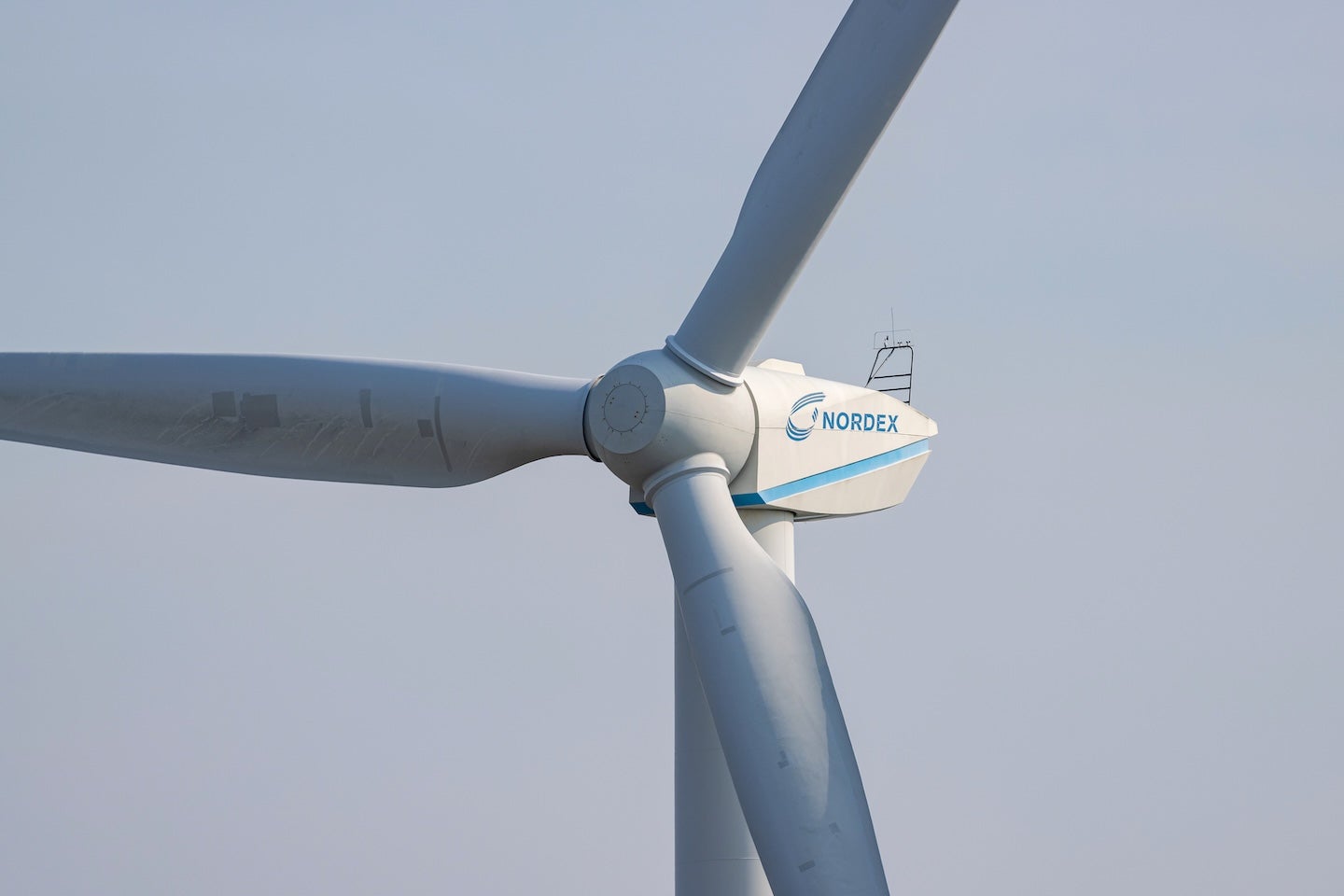
The framework establishes binding capacity targets for offshore and onshore wind, as well as solar photovoltaics (PV). By 2027, the focus shifts toward "repowering"—replacing older, less efficient turbines with high-output models—and streamlining the permitting processes that have historically bottlenecked renewable projects.
2. Market-Based Integration
Unlike earlier versions of the EEG that relied heavily on fixed feed-in tariffs, the 2027 roadmap emphasizes "market-premium" models. This shift forces renewable energy producers to respond more directly to wholesale price signals, incentivizing the installation of battery storage systems to mitigate the risks of negative pricing during periods of oversupply.
3. Grid Modernization
The legislation acknowledges that generation is useless without transmission. EEG 2027 integrates the "Grid Expansion Acceleration Act," providing the legal framework for the SuedLink and other major transmission corridors to move power from the wind-rich north to the industrial centers of the south.
Chronology: The Path to 2027
The trajectory toward the 2027 targets is the result of years of policy iteration, influenced by both climate imperatives and geopolitical volatility.
- 2021-2022: The Strategic Pivot. Following the global energy crisis, the German government accelerated its legislative agenda, declaring renewable energy expansion to be in the "overriding public interest."
- 2023: The Regulatory Deep Dive. Consultation phases began for the EEG 2027 framework, focusing on grid connectivity and the "hydrogen readiness" of new power plants.
- 2024-2025: Implementation Phase. Focus shifted to the simplification of bureaucracy and the auctioning of grid-scale battery storage capacity.
- 2026: Stress Testing. A critical year for evaluating the resilience of the grid as the last remaining nuclear plants are decommissioned and coal phase-out timelines are pressured.
- 2027: Milestone Year. The effective date for the full application of the new market-premium standards and the integration of decentralized energy management systems (EMS).
Supporting Data: The Quantitative Challenge
The transition requires a massive scaling of capital expenditure. Analysts at Power Technology suggest that meeting these targets will necessitate an investment of over €150 billion in infrastructure by 2030.
| Metric | Current Status (2024) | 2027 Target |
|---|---|---|
| Renewable Share (%) | ~55% | ~70-75% |
| Offshore Wind (GW) | 8.5 GW | 20 GW |
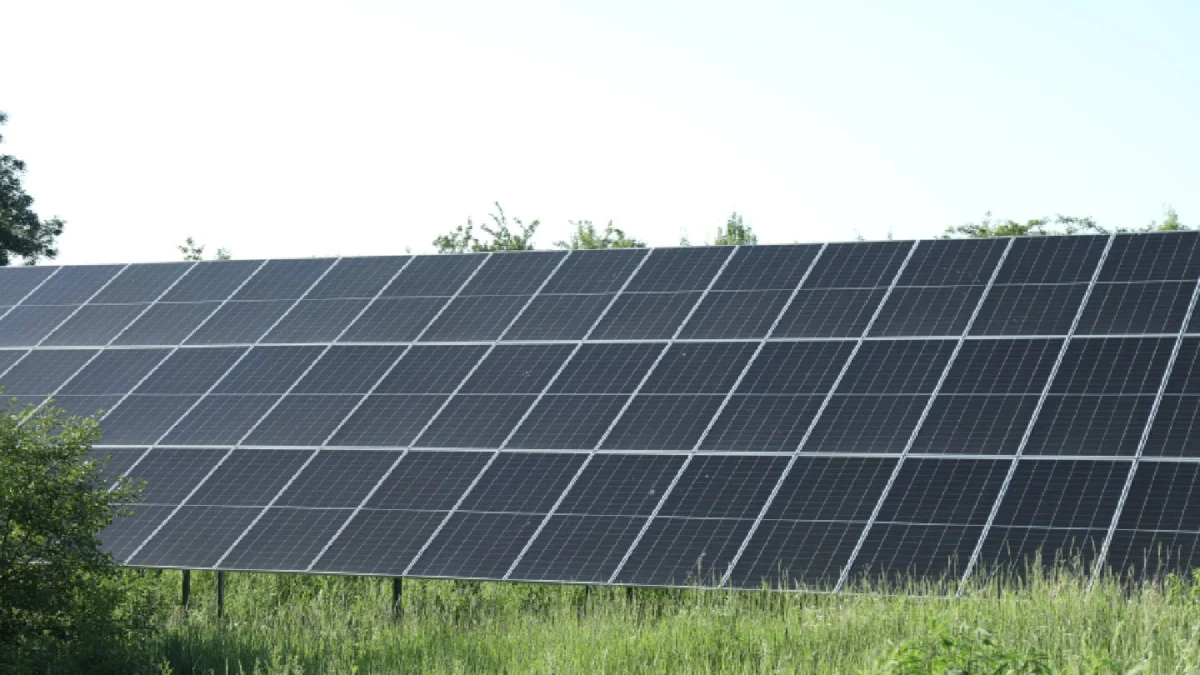
| Solar PV (GW) | 80 GW | 150 GW |
| Battery Storage (GWh) | 12 GWh | 35 GWh |
These figures demonstrate the sheer scale of the engineering challenge. The reliance on solar PV has grown exponentially, but the variability of this source necessitates the storage capacity mentioned above. Furthermore, the capacity factor of offshore wind is expected to rise as larger, deeper-water turbines come online.
Official Responses and Stakeholder Perspectives
The Government Position
The Federal Ministry for Economic Affairs and Climate Action (BMWK) maintains that EEG 2027 is essential for German industrial sovereignty. A spokesperson noted: "We are moving beyond the era of subsidizing individual technologies. EEG 2027 is about system integration. By aligning our market rules with the physical reality of a renewable-heavy grid, we are ensuring that German industry has access to affordable, clean power in the long term."
The Industry Viewpoint
Industry associations, particularly those representing energy-intensive sectors (chemicals, steel, and aluminum), have expressed cautious optimism. While they support the decarbonization goals, they have raised concerns regarding grid fees. If the cost of the Energiewende is passed entirely onto consumers via grid surcharges, the global competitiveness of German manufacturing could be jeopardized.
Environmental Advocacy
Green energy advocates argue that the 2027 targets, while ambitious, must be matched by a faster phase-out of lignite coal. They point to the "flexibility gap"—the period when wind and solar output is low—as the primary justification for accelerating the deployment of geothermal and long-duration energy storage.
Implications: The Road Ahead
Implications for Grid Stability
The primary technical challenge is the transition from a synchronous, inertia-heavy grid—dominated by large thermal power plants—to a converter-dominated grid. EEG 2027 mandates the deployment of grid-forming inverters and synchronous condensers. This represents a paradigm shift for grid operators, who must now manage a highly decentralized and fluctuating supply of power.
Economic and Market Impacts
The move toward market-based premiums will likely trigger a wave of mergers and acquisitions in the energy sector. Smaller, independent power producers (IPPs) may struggle with the administrative complexity and the capital requirements of storage integration, potentially leading to increased market consolidation. Conversely, this will create a vibrant ecosystem for energy aggregators and software-defined power management firms.
Industrial Competitiveness
The "Hydrogen-Ready" mandate is perhaps the most critical component for industry. By ensuring that new gas-fired plants are capable of burning green hydrogen, the government is creating a bridge to a carbon-neutral industrial base. However, the economic viability of this plan hinges on the global price of green hydrogen, which remains a volatile variable.
Geopolitical Considerations
Germany’s energy transition is a blueprint for the European Union. The success of EEG 2027 will determine whether Germany remains a net exporter of electricity or becomes increasingly dependent on inter-European power flows. By de-risking the energy supply from volatile fossil fuel markets, Germany is aiming to bolster its long-term strategic autonomy.
Conclusion
The EEG 2027 framework is more than just a piece of legislation; it is the blueprint for Germany’s industrial future. The transition from a centralized, fossil-fuel-dependent system to a decentralized, renewable, and digitized grid is fraught with technical and economic hurdles. Yet, the consensus among analysts is that the cost of inaction—defined by climate risks and energy insecurity—is far greater than the cost of implementation.
As we approach 2027, the focus must remain on agility. The ability of the German power sector to adapt its regulatory environment to the rapidly changing technological landscape—specifically regarding artificial intelligence in grid management and breakthroughs in long-duration storage—will determine the success of this monumental undertaking. The eyes of the global energy market remain fixed on Germany, as it attempts to prove that a major industrial power can indeed decouple economic growth from carbon emissions.
For more in-depth analysis on the European energy transition, market trends, and regulatory updates, ensure you maintain your professional profile with Power Technology. Our premium content includes exclusive forecasts and deep-dive reports designed for industry leaders navigating the complexities of the modern power sector.