In a significant milestone for Australia’s energy transition, the 1.4GW Wongalee wind farm has secured federal approval under the Commonwealth Environment Protection and Biodiversity Conservation Act 1999 (EPBC Act). This critical green light marks the completion of the project’s major government approvals process, clearing the path for the joint venture between developer Windlab and mining giant Fortescue to move toward a final investment decision.
Situated within the Flinders Shire on Yirendali Country, approximately 300km south-west of Townsville, the Wongalee project is a cornerstone of the North Queensland Super Hub—a massive regional effort to decentralize energy production and bolster the National Electricity Market (NEM).
Main Facts: A Powerhouse in the Outback
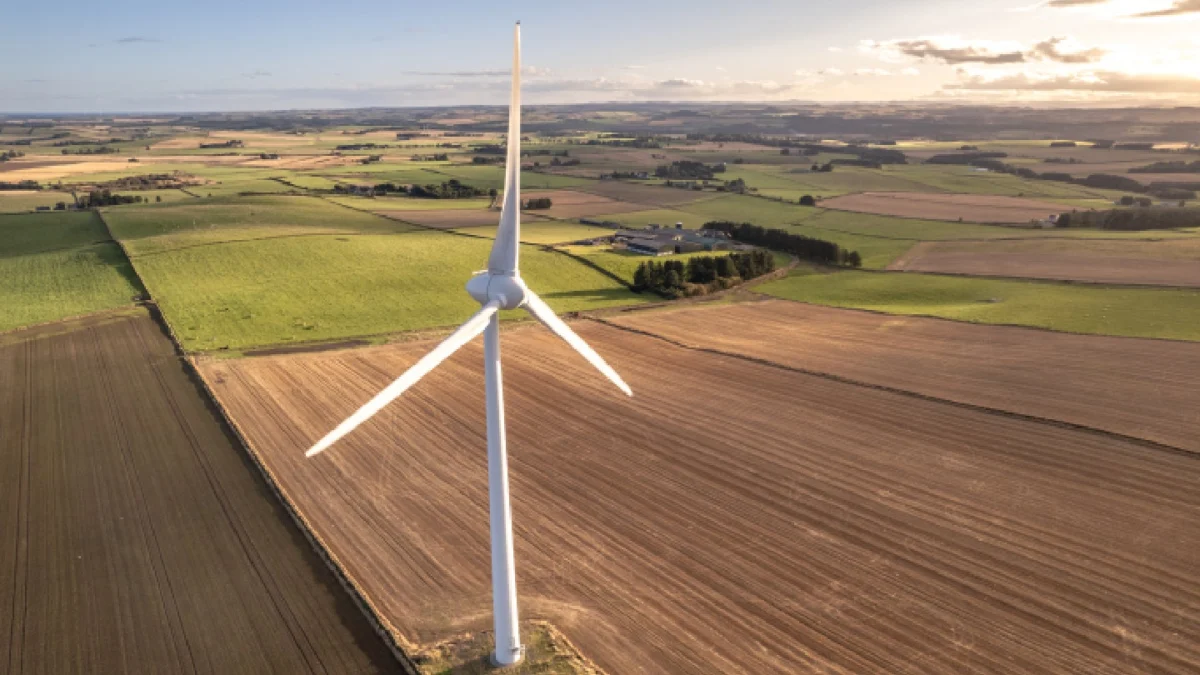
The Wongalee wind farm is more than just a cluster of turbines; it is a critical piece of infrastructure designed to integrate seamlessly into the pastoral landscape of North Queensland. With a total generation capacity of 1.4GW, the project is slated to supply enough clean, renewable energy to power roughly 750,000 homes.
The project’s strategic importance is magnified by its location. By tapping into the high-quality wind resources of the Hughenden region, Wongalee is positioned to become one of the largest onshore wind facilities in Australia. Its design philosophy emphasizes "coexistence," ensuring that large-scale energy production does not come at the expense of the region’s long-standing agricultural heritage. By utilizing pastoral land, the project aims to provide landholders with diversified income streams while maintaining the viability of cattle grazing and other agricultural activities.
Chronology: From Concept to Federal Approval
The path to federal approval was neither short nor simple. The project has undergone an exhaustive multi-year development cycle characterized by rigorous environmental scrutiny and extensive stakeholder engagement.
- 2021: The project enters its initial assessment phase. Windlab begins a comprehensive environmental survey program, establishing the baseline for ecological impact assessments.
- 2021–2024: A period of intensive data collection ensues. Windlab conducts nine seasonal ecological field studies and invests over 1,050 hours into environmental monitoring to ensure the protection of local flora and fauna.
- 2025: The "North Queensland Super Hub" gains momentum as the Prairie wind energy project receives its own EPBC approval, setting a regulatory precedent for the region.
- 2026 (September): The Wongalee wind farm receives final approval under the EPBC Act, successfully following its earlier State Development approval.
- Post-Approval: With all major government consents now in hand, the project moves into the pre-construction phase, focusing on financial close and the finalization of supply chain logistics.
Supporting Data: The Rigor of Environmental Stewardship
The success of the Wongalee project is largely attributed to the transparency and scientific rigor of its assessment process. To address the complexities of the North Queensland ecosystem, Windlab implemented a multi-faceted environmental strategy.
The 1,050 hours of on-site environmental surveys were not merely a regulatory box-ticking exercise; they were designed to inform the turbine layout to minimize impacts on local birdlife and biodiversity. By utilizing historical data from their previous successful projects in the region—such as the Kennedy Energy Park—Windlab was able to refine its predictive models for wind patterns and grid connectivity.
Furthermore, the integration of the project into the regional infrastructure is supported by its proximity to the CopperString transmission corridor. This planned strategic infrastructure is the "artery" that will allow the massive energy output from Wongalee to travel from the remote Flinders Shire to the populated coastal centers and the broader NEM. Without this proximity to high-voltage transmission, a project of this scale would face prohibitive grid-connection costs.
Official Responses: Cultivating Local Partnerships
The philosophy behind the project’s development has been one of collaboration. Windlab’s leadership has been vocal about the necessity of securing a "social license to operate" through deep integration with the local community.
"We have worked closely with local communities, landholders and traditional owners to understand local priorities and develop a project that can coexist with agriculture while delivering long-term benefits for North West Queensland," said Nathan Blundell, Chief Development Officer at Windlab.
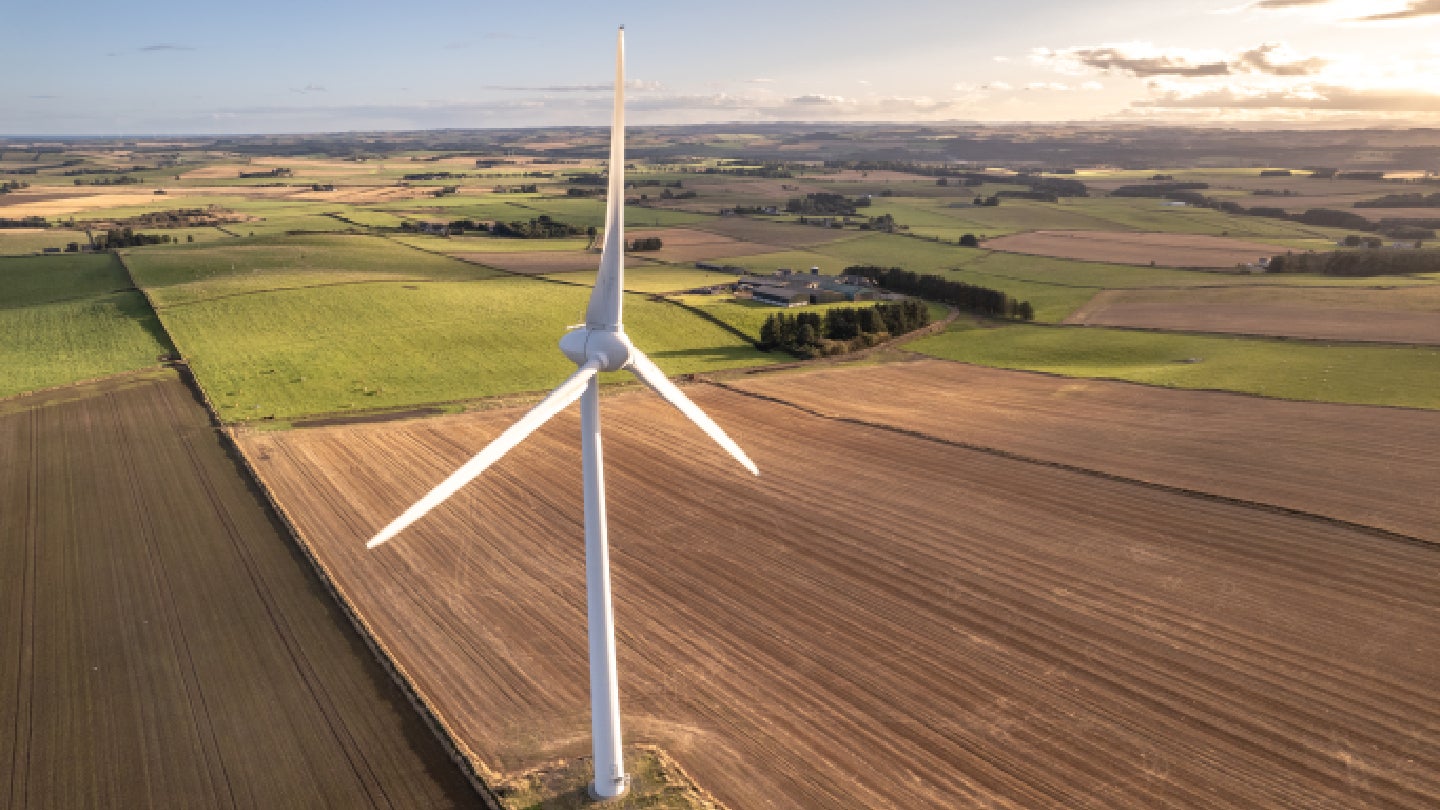
The partnership with Fortescue further elevates the project’s profile. By combining Windlab’s deep expertise in renewable project development with the industrial scale and financial backing of Fortescue, the project team has created a robust framework for execution. For the local community, this partnership promises not just power, but a long-term economic stimulus for the Hughenden and Prairie regions, including job creation in construction, maintenance, and facility operations.
Implications: Reshaping the National Energy Landscape
The approval of the Wongalee project is a bellwether for the future of the Australian energy sector. Its implications are felt across several key areas:
1. Energy Security and the NEM
As Australia transitions away from coal-fired generation, the stability of the National Electricity Market is paramount. The addition of 1.4GW of capacity adds a significant buffer to the grid. Because the wind profile in the Hughenden region is distinct from coastal wind patterns, Wongalee provides a valuable diversification of generation, reducing the reliance on single-region wind clusters.
2. The Rise of the Super Hub
The North Queensland Super Hub is becoming a blueprint for large-scale renewable development in Australia. By clustering multiple projects like Prairie and Wongalee, developers can achieve economies of scale in logistics, grid connection, and maintenance. This "hub" model reduces the per-megawatt cost of energy, making renewable power more competitive against traditional fossil fuels.
3. The Coexistence Model
Perhaps the most significant implication of the Wongalee project is its potential to resolve the "food vs. energy" debate. By proving that high-capacity wind generation can operate on working pastoral land, the project offers a pathway for other regions to adopt renewable energy without forcing a choice between environmental goals and agricultural output. The project’s ability to "coexist" is a vital lesson for planners across the country, showing that renewable infrastructure can be an economic boon for regional farmers.
4. Regulatory Maturity
The completion of the approval process—moving from state-level consents to federal EPBC approval—highlights the maturing nature of Australia’s renewable energy regulatory framework. While the process remains arduous, the consistency shown between the Prairie approval in 2025 and the Wongalee approval in 2026 suggests a more predictable pathway for future major infrastructure projects.
Conclusion: A New Horizon for North Queensland
As the Wongalee wind farm transitions from the drawing board to the reality of the construction site, it stands as a testament to the power of deliberate, community-focused development. The project represents a bridge between the traditional agricultural industries that have defined North Queensland for decades and the high-tech, sustainable future that the state is striving to achieve.
With the federal government’s stamp of approval now firmly in place, the stakeholders involved are looking toward the future with a sense of urgency and optimism. For the residents of Flinders Shire, the project offers the promise of long-term economic resilience. For the broader Australian public, it represents a tangible step toward a cleaner, more reliable, and more secure energy future.
The Wongalee wind farm is not merely a collection of turbines on a map; it is a cornerstone of a new energy era, signaling that North Queensland is ready to power the nation. As financial close approaches, all eyes will remain on this project as a litmus test for the scalability and sustainability of Australia’s renewable ambitions.