The global energy transition is currently tethered to a single, increasingly fragile bottleneck: the lithium-ion battery. As the world accelerates toward aggressive decarbonization targets, the surge in demand for lithium, cobalt, and nickel has triggered supply chain volatility, environmental concerns, and geopolitical tensions. Enter sodium-ion battery (SIB) technology—a promising alternative that has shifted from a laboratory curiosity to a cornerstone of the next generation of energy storage.
By leveraging one of the most abundant elements on Earth, sodium-ion technology promises to decouple the energy transition from the scarcity of critical minerals. This article explores the mechanics, economic viability, and strategic implications of the SIB revolution as it prepares to disrupt the electric vehicle (EV) market and utility-scale grid storage.
I. Main Facts: The Chemistry of Abundance
At its core, the sodium-ion battery operates on principles remarkably similar to the ubiquitous lithium-ion cell. Both are "rocking-chair" batteries where ions shuttle between a cathode and an anode during charge and discharge cycles. However, the fundamental difference lies in the periodic table.
Sodium is significantly more abundant than lithium. While lithium extraction is geographically concentrated and ecologically taxing—often requiring massive evaporation ponds or deep-rock mining—sodium can be derived from soda ash or common salt.
Key Advantages of SIBs:
- Cost Efficiency: Sodium-ion batteries are projected to be 30% to 40% cheaper than lithium iron phosphate (LFP) batteries at scale, primarily due to the low cost of raw materials.
- Thermal Stability: SIBs exhibit superior performance in extreme temperatures. They retain a higher percentage of capacity in sub-zero conditions, a major hurdle for current EV adoption in colder climates.
- Safety Profile: SIBs can be discharged to zero volts for transport and storage, significantly reducing the risk of fire or explosion compared to lithium-ion batteries, which must be kept at a specific state of charge (SoC) for safety.
- Fast Charging: Sodium ions exhibit higher mobility in certain electrolytes, allowing for faster charging rates, which is a critical metric for the mass-market adoption of EVs.
II. Chronology: From Concept to Commercialization
The development of sodium-ion technology has been a decades-long pursuit, marked by periods of neglect followed by sudden bursts of industrial fervor.
- 1970s–1980s: Initial research into intercalation materials for sodium-ion systems mirrored early lithium-ion research. However, the commercial success of lithium-ion in the 1990s pushed sodium-ion to the fringes of academic research.
- 2010–2015: As lithium prices began to fluctuate, interest in SIBs was reignited. Research shifted from cathode materials to developing stable hard-carbon anodes, which are necessary to accommodate the larger sodium ion.
- 2017–2020: Startups like Faradion (UK) and HiNa Battery (China) began unveiling the first commercial-grade prototypes, demonstrating that SIBs could power light electric vehicles and stationary storage systems.
- 2021–2023: The "Year of the SIB." Industry giants like CATL unveiled their first-generation sodium-ion battery, followed by successful pilot programs in small-form electric vehicles.
- 2024–Present: The transition to mass manufacturing. Global supply chains are now being reconfigured to integrate SIBs into the broader energy ecosystem, with several major automakers announcing plans for SIB-powered compact EVs.
III. Supporting Data: The Economic Imperative
To understand why the industry is pivoting toward sodium, one must look at the data governing supply and demand.
Raw Material Price Volatility
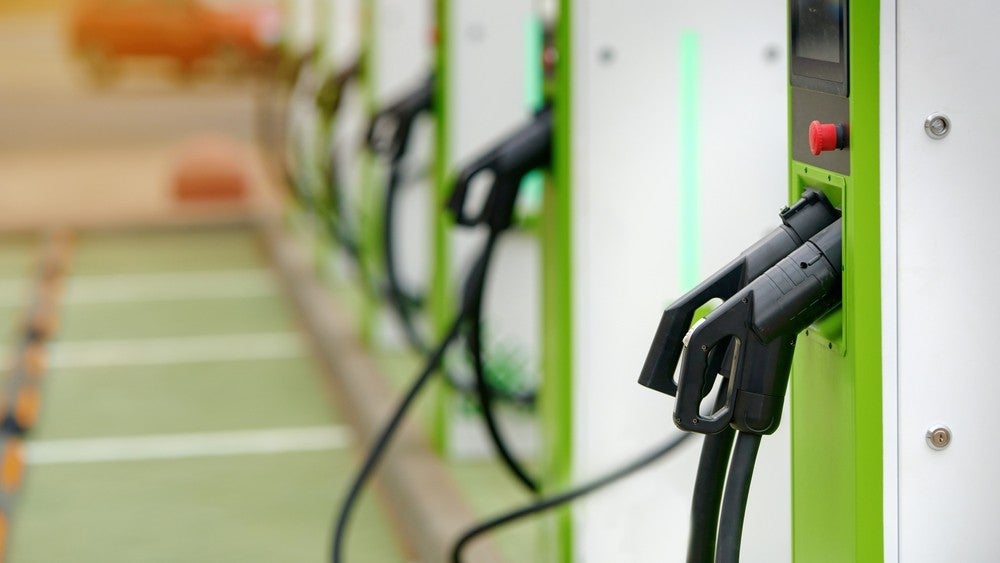
The price of lithium carbonate saw unprecedented spikes between 2021 and 2023, reaching over $80,000 per tonne at its peak. In contrast, sodium carbonate is a commodity chemical with a stable, low price point. For battery manufacturers, the transition to SIBs represents a hedge against the inevitable "lithium crunch" that analysts predict for the late 2020s.
Performance Metrics
- Energy Density: Current SIBs achieve between 140–160 Wh/kg. While this lags behind high-end NMC (Nickel Manganese Cobalt) lithium batteries (250+ Wh/kg), it is competitive with LFP batteries (160–190 Wh/kg), which currently dominate the entry-level EV and grid storage markets.
- Cycle Life: Early SIBs struggled with cycle life. However, recent breakthroughs in cathode chemistry—specifically Prussian Blue analogues—have pushed cycle life beyond 3,000 cycles, making them viable for stationary storage and urban transit.
IV. Official Responses: What Industry Leaders are Saying
The reception from the power industry has been cautiously optimistic, focusing on the "horses for courses" approach to energy storage.
The Automotive Perspective:
Major automakers view SIBs as the perfect solution for the "entry-level" EV segment. A senior executive from a leading Chinese EV firm noted, "We are not looking for SIBs to replace lithium in long-range luxury vehicles immediately. Instead, we are utilizing them to democratize EV ownership, providing a cost-effective, durable solution for urban mobility where range requirements are modest but affordability is paramount."
The Grid Storage Perspective:
Utilities are particularly vocal about the safety benefits. A spokesperson for a major European grid operator stated, "Grid-scale storage requires massive amounts of cells. The safety profile of sodium-ion—combined with its ability to handle frequent charging cycles without degradation—makes it an ideal candidate for renewable energy balancing, where stability is more important than energy density."
V. Implications: A New Era for the Energy Transition
The integration of sodium-ion technology into the global market will have profound implications for geopolitical stability, the manufacturing sector, and the pace of the energy transition.
Geopolitical Decentralization
Lithium and cobalt production are currently concentrated in a handful of nations, leading to supply chain fragility. Because sodium is essentially ubiquitous, SIB manufacturing can be localized. This allows countries without lithium deposits to build their own domestic battery supply chains, fostering energy independence and reducing reliance on foreign mineral imports.
The Grid of the Future
As renewable energy sources like wind and solar become the backbone of the grid, the need for long-duration energy storage (LDES) grows. Sodium-ion batteries are uniquely positioned here. Because they are not hampered by the scarcity of critical minerals, we can deploy them at a scale that was previously unthinkable with lithium. This could facilitate a more resilient grid, capable of storing days—rather than hours—of renewable energy.
A Two-Tier Battery Market
We are moving toward a bifurcated battery market. High-performance, high-density lithium-ion batteries will continue to serve the long-range EV and high-performance sectors. Meanwhile, sodium-ion batteries will likely capture the massive market for low-cost transportation, home energy storage, and utility-scale grid stabilization.
Environmental Considerations
While sodium is abundant, the manufacturing process for SIBs still requires significant energy and advanced materials for electrolytes and current collectors (notably the ability to use aluminum foil instead of copper for both electrodes, further reducing costs and weight). The industry must ensure that the life-cycle analysis (LCA) of SIBs remains positive, avoiding the pitfalls of previous battery chemistries.
Conclusion: The Path Forward
The sodium-ion revolution is no longer a "what if" scenario; it is a "when." As manufacturing processes mature and supply chains reach economies of scale, the cost-benefit profile of sodium-ion batteries will make them an essential component of a sustainable energy infrastructure.
For stakeholders—from policymakers and grid operators to automotive manufacturers and investors—the message is clear: the future of energy storage is not just about maximizing density; it is about maximizing accessibility and sustainability. By unlocking the potential of sodium, the industry is not just finding a substitute for lithium—it is building a more resilient, equitable, and efficient foundation for the global energy transition.
As we look toward the 2030 targets for net-zero emissions, the humble sodium ion may well prove to be the most powerful tool in our arsenal. The transition is underway, and the landscape of the power industry is being rewritten, one salt-based cell at a time.