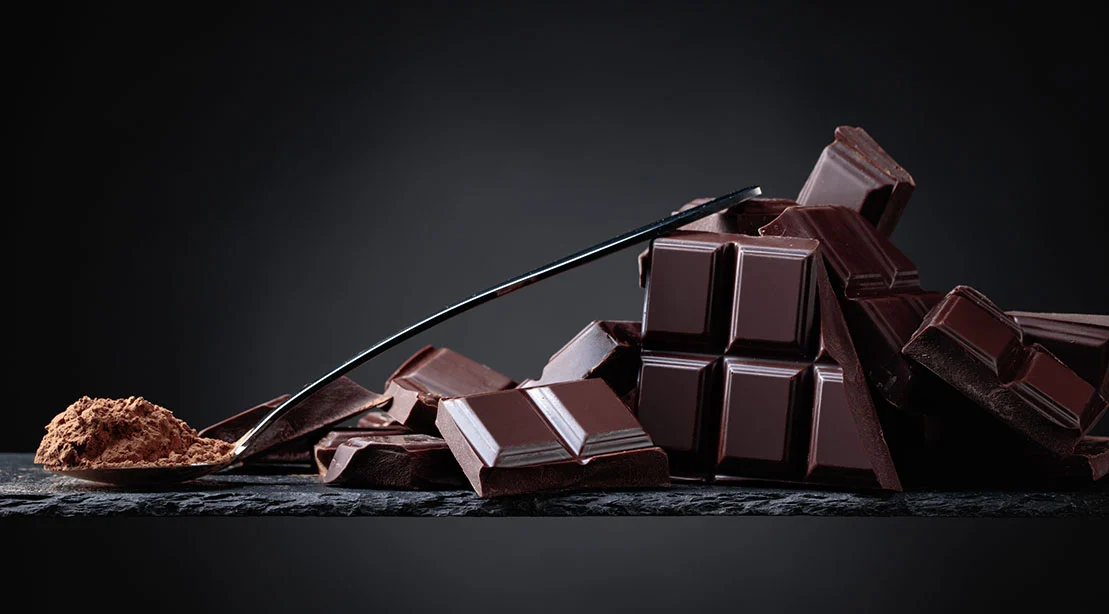
In what sounds like a page torn from a Willy Wonka fantasy, a recent breakthrough in sports science suggests that the secret to hitting a new personal record in the gym might not be found in a shaker bottle, but in the air we breathe. A groundbreaking study recently published in the journal Frontiers in Physiology indicates that simply exposing oneself to the aroma of chocolate before and during resistance training can significantly boost athletic performance without increasing the perception of physical effort.
This "olfactory hack" suggests that our relationship with food aromas goes far beyond mere appetite stimulation. Instead, researchers believe these scents may act as sophisticated neurological triggers, capable of enhancing motivation, endurance, and even satiety during periods of physical stress.
The Main Facts: An Unlikely Performance Enhancer
The study, led by Dr. Mohamed Nashrudin bin Naharudin, sought to explore the psychobiological intersection of sensory input and physical output. The core finding is as startling as it is simple: moderately trained men exposed to dark chocolate odors during resistance training sessions demonstrated a marked increase in total training volume.
Most impressively, this surge in performance—measured in the number of repetitions completed—occurred without the subjects feeling as though they were pushing their bodies any harder than usual. This disconnect between physical output and "perceived exertion" is the "holy grail" of sports science, potentially offering athletes a way to optimize training loads while mitigating the psychological burnout often associated with high-intensity interval training or heavy lifting.
Chronology: The Making of a Sensory Study
To understand how smell influences physical capacity, the researchers designed a controlled, rigorous trial involving 23 healthy, moderately trained men in their 20s. The methodology was intentionally designed to isolate the impact of aroma from the chemical benefits of calorie ingestion.
The 10-Hour Fast
Before the trial commenced, all participants underwent a strict 10-hour fasting period. This ensured that the body’s metabolic state was uniform and that the participants were in a genuine state of caloric deficit. By eliminating the influence of recent meals, the researchers could attribute any change in hunger or performance directly to the sensory input of the aromas.
The Exposure Protocol
The participants were divided into three distinct groups. Fifteen minutes prior to the commencement of their resistance training—specifically, leg extension exercises—each group was exposed to a different sensory stimulus:
- The Control Group: Exposed to the scent of plain water.
- The Milk Chocolate Group: Exposed to a 60% milk chocolate aroma.
- The Dark Chocolate Group: Exposed to a 90% dark chocolate aroma.
This exposure was not limited to the pre-workout phase; the subjects continued to receive the designated olfactory stimulus between sets, creating a sustained sensory environment throughout the duration of the workout.
Supporting Data: The Power of Dark vs. Milk
The data yielded by the study presents a compelling hierarchy of efficacy. When comparing the groups, the dark chocolate aroma emerged as the clear frontrunner for both performance enhancement and appetite regulation.
Performance Gains
The quantitative results were striking. According to Dr. Naharudin, the 90% dark chocolate scent acted as a significant catalyst for endurance. "Sniffing a 90% dark chocolate odor added about 18 more repetitions to participants’ leg extensions," Dr. Naharudin reported. In contrast, the 60% milk chocolate odor, while still effective, provided a more modest boost, adding approximately nine repetitions compared to the water-scented control group.
Appetite and Satiety
The findings regarding hunger were equally fascinating. Despite the 10-hour fast, participants exposed to the dark chocolate aroma reported lower levels of hunger and a reduced desire to consume food immediately following their workout. Conversely, while the milk chocolate scent was rated as the most "pleasant" aroma by the participants, it failed to provide the same satiety benefits as its darker, more bitter counterpart.
Official Responses: Insights from the Lead Researcher
Dr. Mohamed Nashrudin bin Naharudin, the senior author of the study, views these results as a major step forward in understanding the "psychobiology" of exercise.
"Seeing a substantial increase in repetitions without the athletes feeling like they were exerting themselves any harder is a fascinating psychobiological outcome," Dr. Naharudin stated. He emphasizes that the study serves as a proof-of-concept, demonstrating that external sensory cues can be harnessed to bypass the brain’s internal "governor," which usually tells us to stop when we reach a certain level of fatigue.
Regarding the discrepancy between the dark and milk chocolate effects, Dr. Naharudin provides a nuanced explanation. "The dark chocolate scent serves as a learned cue for a rich, bitter, and highly satiating food, which essentially tricks the system into an anticipatory state of fullness," he explains. "Conversely, the sweeter milk chocolate scent acts more like a hedonic reward cue, enhancing training volume by creating a highly pleasant sensory environment rather than by shifting basic metabolic hunger signals."
Essentially, the brain perceives the dark chocolate scent as a signal that "fuel is on the way," allowing the body to mobilize resources more efficiently. The milk chocolate scent, however, acts as a psychological "treat," improving the mood and focus of the athlete, which facilitates a better workout experience, though it lacks the physiological satiety signaling provided by the darker, more complex scent profile.
Implications: A New Frontier for Sports Science
While the current study utilized a sample size of 23 participants, its implications for the future of sports performance, nutritional psychology, and even obesity management are profound.
Redefining the "Mind-Body" Connection
Traditionally, sports science has focused heavily on the biochemical—protein synthesis, glycogen replenishment, and hormonal balance. This study shifts the focus toward the neurological—specifically, how the olfactory bulb communicates with the hypothalamus and the limbic system to regulate energy expenditure and perceived exertion. If we can "trick" the brain into believing we are more capable or more satisfied than we actually are, the potential for performance enhancement is vast.
Potential Applications for Athletes
For high-performance athletes, this suggests a future where "aroma therapy" could be integrated into the gym environment. Imagine a locker room or training facility where specific scent profiles are introduced to maximize focus during heavy lifting or endurance sessions. If 18 extra repetitions can be achieved simply through olfactory priming, the margin for error in competitive sports could be redefined by scent-based interventions.
Addressing the Weight Loss Paradox
Beyond the gym, the findings offer a glimmer of hope for those struggling with diet adherence. One of the most difficult aspects of a weight-loss journey is the psychological discomfort of hunger. If a non-caloric sensory cue can mitigate hunger signals, it could serve as a valuable tool for those trying to maintain a caloric deficit without the intense psychological distress that often leads to "binge" eating or diet abandonment.
Future Research Directions
The research team is already looking toward the next phase of the project. Acknowledging that a small sample size is only the beginning, they hope to secure funding for a larger, multi-modal study. Future iterations aim to monitor blood chemistry, hormonal fluctuations (such as ghrelin and leptin levels), and real-time brain activity using fMRI technology.
By tracking these metrics, scientists hope to pinpoint exactly which neurological pathways are being activated by specific aromatic compounds. They also aim to test whether these effects hold true across different demographics—such as professional athletes, sedentary individuals, and those with specific metabolic conditions—and whether the efficacy of these scents fades over time due to habituation.
Conclusion: Is the Future of Fitness in the Air?
While it is premature to suggest that a chocolate-scented candle will replace a disciplined training program or a balanced diet, the study provides a compelling argument for the influence of the senses on our physical limits. It reminds us that the human body is not merely a machine that runs on fuel; it is a complex biological system governed by cues, memories, and sensory perceptions.
As we continue to explore the limits of human performance, it appears that the next breakthrough might not be found in the latest high-tech gear or expensive supplements, but in the subtle, often overlooked influence of our sense of smell. Whether we are chasing a new personal best or simply trying to stay on track with our health goals, the scent of success may, quite literally, be in the air. For now, the scientific community waits with bated breath to see if these chocolate-scented findings hold up to further scrutiny, potentially unlocking a sweet new way to train.