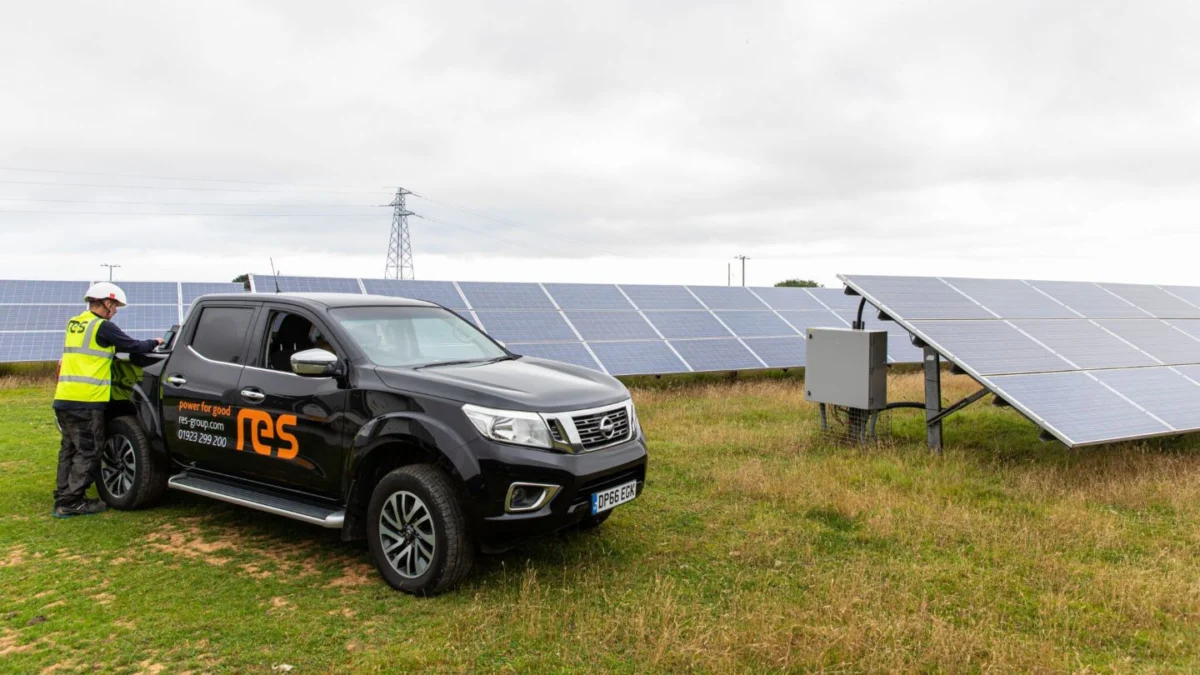
The UK’s transition toward a decarbonized economy reached a significant milestone this week as the Secretary of State for Energy and Net Zero granted formal development consent for the Steeple Renewables Project. Spearheaded by the Hertfordshire-based renewable energy giant RES, this ambitious 600MW solar and battery storage scheme is set to transform the industrial landscape near Sturton-le-Steeple, Nottinghamshire.
With a total investment estimated at £224m ($296.3m), the project represents more than just a power station; it is a symbolic pivot for a region historically tethered to fossil fuel extraction. By integrating large-scale solar harvesting with advanced grid-scale battery storage, the project aims to stabilize the national grid while providing a sustainable economic engine for the East Midlands.
Main Facts: A Landmark in Renewable Infrastructure
The Steeple Renewables Project is a utility-scale development designed to address two of the most pressing challenges in the UK’s energy strategy: generation capacity and intermittency.
- Capacity: The facility will boast a 600MW combined capacity. The solar component alone is projected to generate sufficient electricity to power approximately 180,000 homes annually—a figure that represents roughly half of all households in the county of Nottinghamshire.
- Storage Integration: Recognizing that solar generation is weather-dependent, the project incorporates a sophisticated battery energy storage system (BESS). This component will capture surplus energy during periods of high generation and release it into the grid during peak demand, ensuring a steady, reliable supply.
- Economic Scale: The investment package is valued at £224m, encompassing construction, supply chain development, and a long-term community benefit fund.
- Operational Footprint: Situated near the village of Sturton-le-Steeple, the site has been chosen for its logistical suitability and its proximity to existing grid connection points, minimizing the need for extensive new transmission infrastructure.
Chronology: The Path to Consent
The approval of the Steeple Renewables Project is the culmination of a rigorous, multi-year developmental journey that underscored the complexities of modern national infrastructure planning.
2023: Initiation and Scoping
RES officially began the developmental phase in 2023, conducting preliminary environmental impact assessments and site surveys. The early stages were marked by extensive "pre-application" engagement, where the project team sought to align the site design with local ecological constraints and land-use requirements.
2024–2025: The Planning Inspectorate Review
The project entered the formal Development Consent Order (DCO) process, a stringent regulatory pathway for "Nationally Significant Infrastructure Projects." Over the course of nearly two years, the Planning Inspectorate scrutinized a repository of nearly 700 individual documents. These filings covered everything from archaeological sensitivity to biodiversity net gain—a mandate requiring the project to leave the local environment in a better state than it found it.
2026: Official Approval
Following the thorough review by the Planning Inspectorate, the Secretary of State for Energy and Net Zero issued the final approval. This decision signaled the end of the planning uncertainty and marked the transition from administrative oversight to the engineering and procurement phase.
Supporting Data: Powering the Grid of Tomorrow
To understand the scale of the Steeple Renewables Project, one must look at the technical data driving the transition. The UK government’s "Net Zero 2050" target necessitates a massive scale-up of renewable assets.
The Shift from Coal to Clean
Nottinghamshire has long served as the heartland of Britain’s energy production, albeit through the lens of coal and gas. The closure of traditional thermal power stations in the region left a gap in regional employment and energy generation. The Steeple project acts as a successor to this legacy, repurposing the region’s historical expertise in energy management for the 21st century.
Storage as the "Hidden" Asset
Energy storage is the linchpin of the UK’s transition. Without battery systems, the volatility of solar and wind generation would place excessive stress on the National Grid. The Steeple project’s storage component acts as a "buffer," allowing the grid to manage frequency and voltage levels more effectively. By decoupling the timing of generation from the timing of consumption, the project ensures that the energy captured on a sunny afternoon can be utilized during a cold, dark winter evening.
Official Responses: Stakeholders and Strategy
The project has garnered support from a diverse array of stakeholders, though not without the expected rigorous debate regarding land use and visual impact.
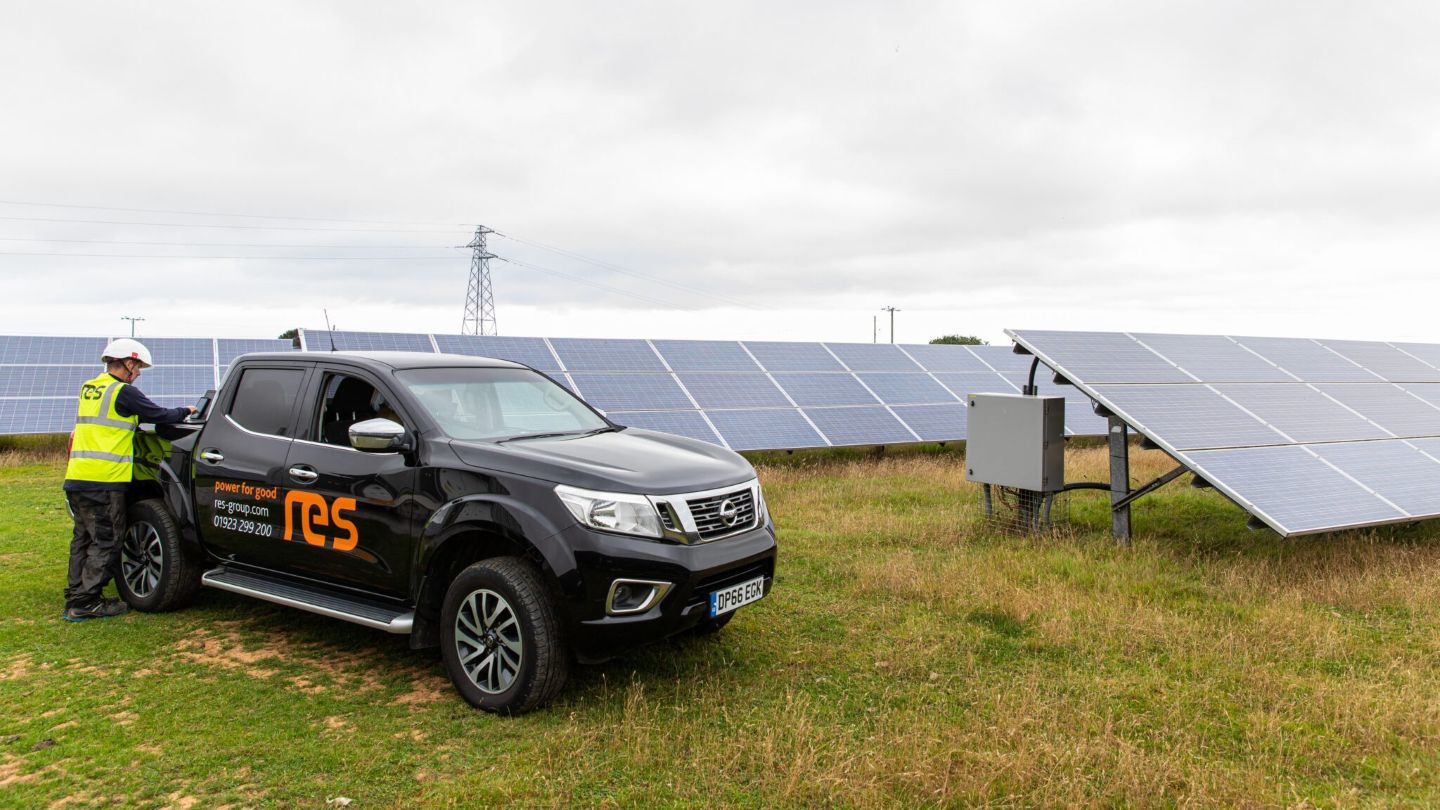
Karl O’Mullan, Solar Development Director at RES, expressed optimism about the project’s role in the national identity:
"This area in Nottinghamshire has a proud energy history, and Steeple Renewables Project will build on that legacy by connecting the new technologies supporting the country’s clean energy future. Today’s decision puts the county back at the centre of power generation in Britain."
O’Mullan emphasized that the project was not developed in a vacuum. The input of parish councils, landowners, and residents was critical in refining the site layout to mitigate negative impacts. The company has committed to an open-door policy as construction commences, aiming to maintain transparency throughout the build.
Community Engagement:
Beyond the power generation, RES has pledged a £13m community benefits package over the project’s lifetime. This includes the "Local Electricity Discounts Scheme," which offers direct financial incentives to households in close proximity to the site. Such schemes are becoming a standard requirement for large-scale developments, ensuring that the local community feels the tangible benefits of hosting national infrastructure.
Implications: Economic, Environmental, and Social
Economic Impact: Jobs and Supply Chains
The project is forecast to support roughly 400 jobs during the construction phase. These roles will range from civil engineering and electrical installation to project management and site security. Beyond the immediate construction, the project creates a long-term demand for maintenance and operational staff. Local businesses are expected to benefit from a "trickle-down" effect, as contractors require local accommodation, catering, and materials sourcing.
Environmental Stewardship
The environmental impact assessment (EIA) for the project was among the most scrutinized aspects of the DCO application. By integrating wildflowers and hedgerow management, the project aims to enhance local biodiversity. The transition from intensive agricultural use to a solar-grazing model (where land under panels is used for sheep grazing) represents a sustainable dual-use approach to land management that is gaining traction across the UK.
The National Security Perspective
In an era of volatile global energy markets, the ability to generate electricity locally and store it on-site is a matter of national security. By reducing reliance on imported natural gas, the Steeple project contributes to the UK’s "energy sovereignty." Every megawatt generated at Sturton-le-Steeple is a megawatt that does not need to be purchased from global markets, insulating the national grid against external price shocks.
Looking Ahead: The Path to Construction
With the development consent now in hand, the project moves into the "Detailed Design" phase. This involves:
- Technical Finalization: Specifying the exact models of solar inverters and battery cells to be used, ensuring compliance with the latest British Standards.
- Regulatory Compliance: Meeting the discharge of requirements (conditions imposed by the Secretary of State), which includes final drainage plans, construction traffic management, and environmental monitoring protocols.
- Supply Chain Mobilization: Finalizing contracts with local and national suppliers.
The local community in Nottinghamshire can expect a series of public briefings as the project shifts from planning to physical reality. While the construction phase will inevitably bring disruption, the project’s backers remain confident that the long-term benefits—clean, reliable, and localized energy—will cement the Steeple Renewables Project as a vital pillar of the UK’s net-zero infrastructure.
As Britain continues to navigate the complexities of moving away from fossil fuels, projects like Steeple provide a blueprint for how large-scale renewable developments can balance national necessity with local economic benefit. The eyes of the energy sector will be firmly fixed on Nottinghamshire as the first panels are laid, marking the start of a new chapter for one of Britain’s most storied energy counties.