Introduction
The Durston Wapta 30 has emerged as a compelling anomaly in the ultralight backpacking market. Weighing in at approximately 14 ounces and constructed from cutting-edge Aluula Graflyte fabric, the pack occupies a unique intersection of high-end material science and traditional frameless geometry. While marketing copy and initial industry reception often group the Wapta 30 under the banners of "comfort" and "refinement," these descriptors often obscure the underlying mechanical reality of the pack.
The central question facing prospective buyers is not merely whether the pack feels good, but whether its specific design—characterized by a padded hip belt and back panel—actually facilitates structural load transfer, or if its benefits are limited to stability and ergonomic strap fit. This analysis seeks to move beyond the superficial praise often afforded to new gear, examining the Wapta 30’s mechanics against a broad spectrum of industry benchmarks.
Main Facts and Design Philosophy
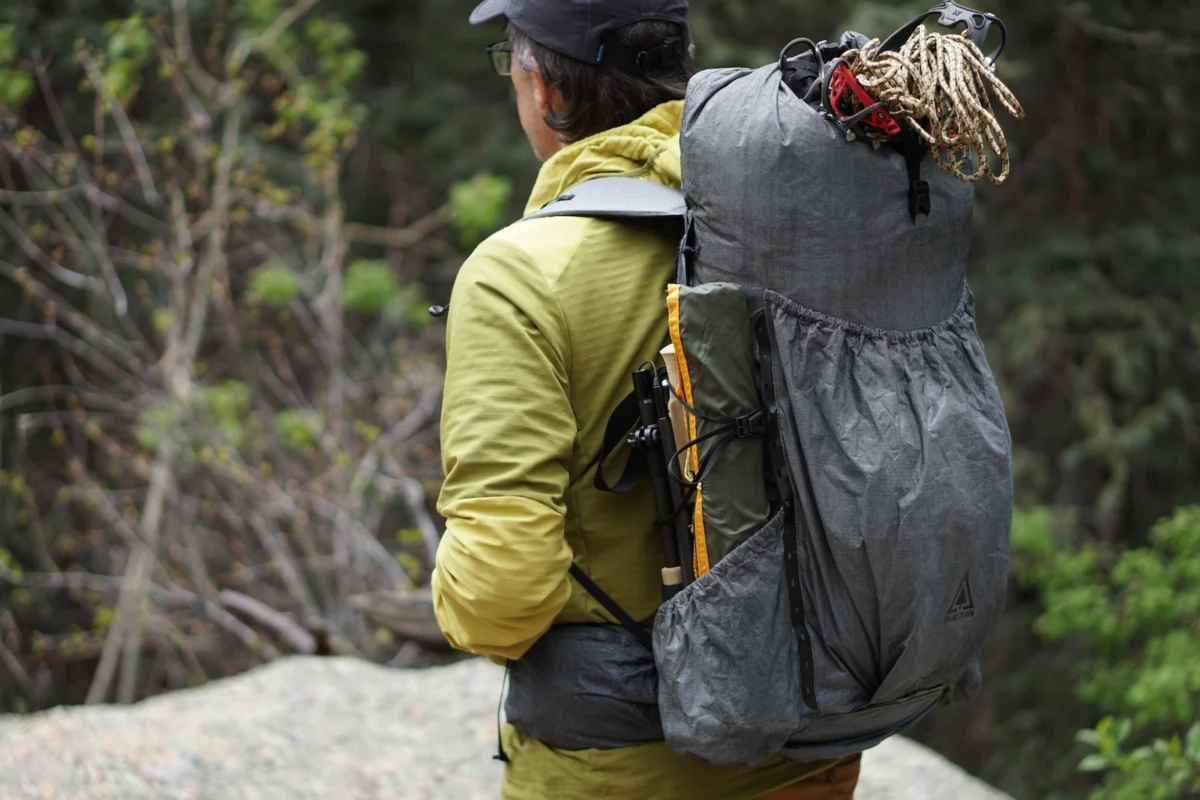
The Wapta 30 is marketed as a 30-liter capacity pack with a recommended load limit of 25 pounds (11 kg). Unlike many of its ultralight peers that utilize simple webbing or minimalist foam, the Wapta features S-shaped padded shoulder straps with integrated storage, a padded removable hip belt with pockets, and a dual-channel foam/airmesh back panel.
The primary contention surrounding the pack is its claim of “refinement.” In the ultralight world, refinement often implies the successful integration of features that do not sacrifice weight for performance. However, because the Wapta 30 is entirely frameless—lacking internal stays or a rigid framesheet—the load path remains fundamentally tied to the contents of the pack and the user’s torso. By incorporating a padded hip belt and lumbar shaping, Durston is attempting to bridge the gap between a standard soft-pack and a true suspension system, creating a "crossover" experience that demands closer scrutiny.
Chronology of Development and Testing
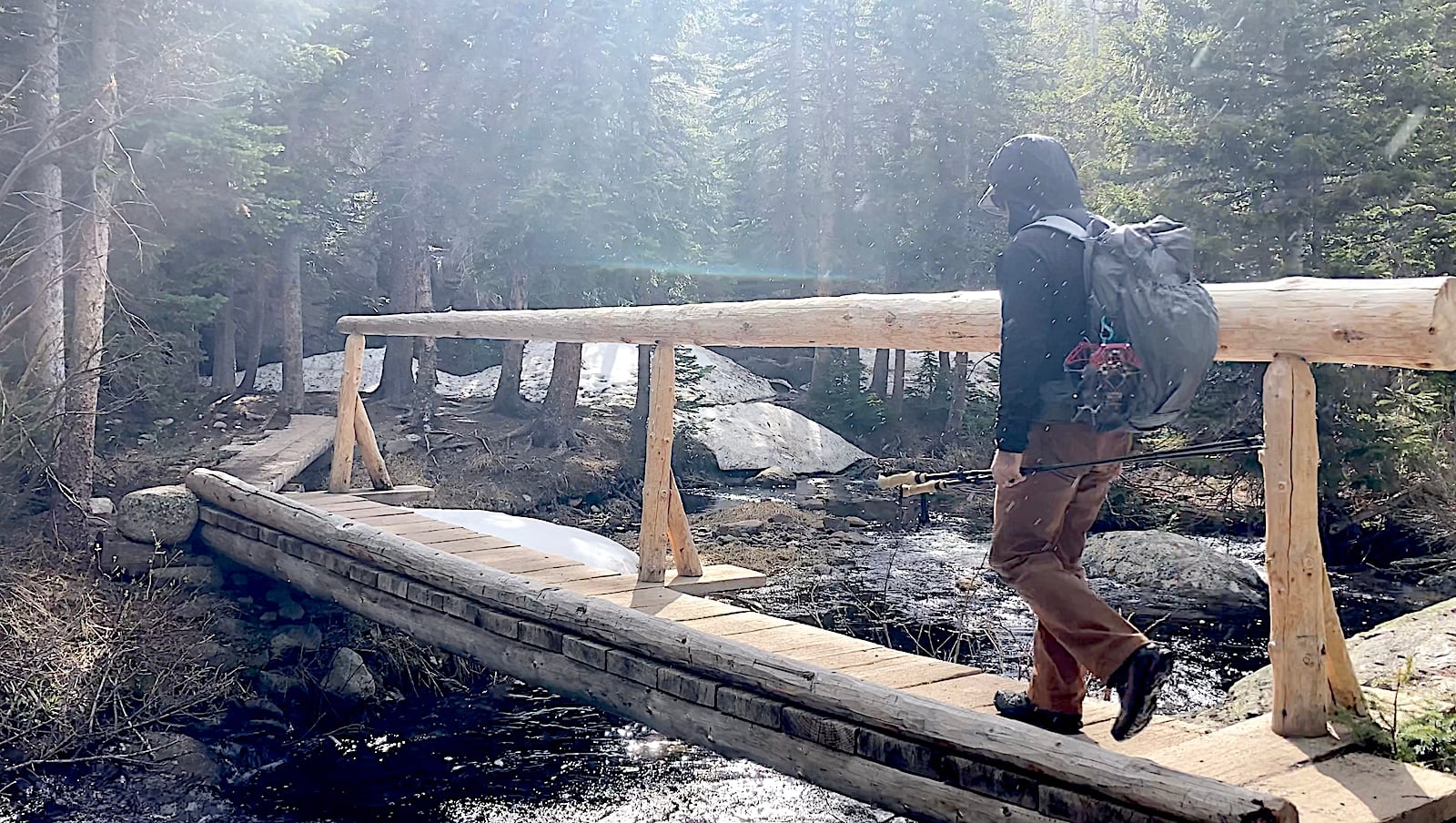
To evaluate the performance of the Wapta 30, a series of rigorous field tests were conducted across varied terrain, including mountain scrambling, technical trails, and multi-day treks.
- Phase 1 (Preparation): Evaluation of the pack’s empty state and structural integrity. Initial impressions focused on the Aluula Graflyte material, which provides an exceptionally high strength-to-weight ratio.
- Phase 2 (Load Simulation): Carrying a consistent mountain kit, including 3-season insulation, a solo tent, rock-scrambling hardware (including a haul rope), and three days of food.
- Phase 3 (Active Field Testing): Testing was performed at pack weights ranging from 22 to 29 pounds. The objective was to determine the "break point" where the lack of a frame began to manifest as discomfort or mechanical inefficiency.
- Phase 4 (Comparative Analysis): Benchmarking the Wapta 30 against 13 other packs, including the Gossamer Gear Mirage 40 (representing frame-mediated transfer) and the Nashville Cutaway (representing torso-coupled stability).
Supporting Data: Comparative Mechanics
The following table highlights why the Wapta 30 sits in a difficult-to-categorize middle ground:
| Pack | Structure | Load Path | Primary Design Goal |
|---|---|---|---|
| Durston Wapta 30 | Frameless | Packbag/Foam | Refinement/Stability |
| Gossamer Gear Mirage | X-Frame | Frame-to-Hip | Structural Transfer |
| Nashville Cutaway | Soft-pack | Torso-coupled | Movement Stability |
| BD Beta Light 30 | Hybrid (Stays) | Stay-to-Hip | Fastpacking Support |
The comparative data reveals a critical distinction: while the Wapta 30 uses padded components that look like those found on framed packs, the absence of a structural link (stays or a rigid framesheet) means that at 25+ pounds, the shoulder straps inevitably bear the brunt of the weight. The hip belt, while comfortable, lacks the rigid connection to a frame required to "offload" weight from the shoulders to the iliac crest.
Official Responses and Marketing Claims
Durston’s marketing emphasizes the "refined" nature of the pack, implying a higher level of user comfort than typical 14-ounce frameless options. Manufacturer communications often highlight the Aluula material’s ability to maintain shape under pressure.
In technical discussions, the manufacturer suggests that the Wapta’s back panel geometry and lumbar padding are designed to reduce "sag" and increase the efficiency of the carry. However, user feedback remains polarized. While many report high levels of comfort, there is a recurring misunderstanding among consumers who equate "cushioned straps" with "load-bearing suspension." The distinction is vital: the Wapta 30 provides an excellent carry experience for its weight class, but it does not fundamentally alter the physics of a frameless load.
Analysis of Load-Transfer Mechanics
A primary misunderstanding in existing coverage of the Wapta 30 is the conflation of "stability" with "load transfer."
1. Stability vs. Transfer
Stability refers to the pack’s ability to remain flush against the body during high-intensity movement, such as scrambling or rapid descent. The Wapta 30 excels here, thanks to its ergonomic strap shape and the high-modulus properties of the Aluula fabric. Conversely, load transfer refers to the mechanical act of moving weight from the shoulders to the hips. Because the Wapta 30 lacks a rigid spine, any weight added to the pack is ultimately compressed into the wearer’s back and shoulders.
2. The Role of the Hip Belt
On a framed pack, the hip belt is the anchor. On the Wapta 30, the hip belt serves as a stabilizer. While it is undeniably more comfortable than a simple webbing strap, it does not possess the structural rigidity to redirect the force of the load. Consequently, as the pack weight approaches the 25-pound mark, the wearer will feel the strain on their trapezius muscles, regardless of the padding in the hip belt.
Implications for the Ultralight Market
The Wapta 30 represents an evolution in how we think about "luxury" in ultralight gear. For years, the community has oscillated between the "pure" frameless design (like the MLD Burn) and the "hybrid" fastpack (like the Black Diamond Beta Light).
The implication of the Wapta’s design is that we are moving toward a hybrid era where premium materials allow for "pseudo-suspension." By using materials as stiff as Aluula Graflyte, the pack holds its shape better than traditional silnylon or Dyneema packs, which reduces the need for a frame for structural integrity. This effectively makes the pack "feel" like it has a frame, even when it does not.
Who is this pack for?
The Wapta 30 is best suited for the user who:
- Prioritizes a low base weight and wants to maintain it.
- Moves quickly through terrain and requires a pack that resists "swinging" or bouncing.
- Understands the mechanical limits of frameless packs and does not expect the pack to carry 30+ pounds with the ease of an internal-frame backpacking pack.
Conclusion
The Durston Wapta 30 is a masterclass in modern ultralight construction, but it is not a revolutionary change in physics. Its "refinement" comes from its superior materials and ergonomic fit, not from a breakthrough in load-transfer mechanics.
When evaluating the Wapta 30, consumers must differentiate between a pack that is comfortable to carry and a pack that transfers load. The Wapta 30 is undeniably the former. It succeeds in providing a high-performance, stable, and ergonomic experience for those carrying mid-range ultralight loads. However, those seeking a pack that can truly offload weight from the shoulders should look toward the framed options within the same weight class. By managing expectations, users will find the Wapta 30 to be one of the most capable and well-constructed frameless packs currently on the market.