Main Facts: A Mid-Summer Update from Montana River Guides
As the frantic pace of the spring runoff begins to subside, Montana River Guides has officially transitioned from its intensive swiftwater rescue training season to the heart of its summer commercial operations. With the iconic Alberton Gorge—located just a short drive from Missoula—now exhibiting optimal flow rates, the river corridor has become the primary destination for both seasoned whitewater enthusiasts and families seeking a quintessential Montana summer experience.
The Clark Fork River is currently holding steady at approximately 4,000 cubic feet per second (CFS). This flow rate is widely considered the "sweet spot" for commercial rafting, providing enough hydraulic energy to navigate the Gorge’s renowned technical features while maintaining a safety profile suitable for a broader demographic of rafters. Montana River Guides reports that as the water levels have leveled off, the river’s character has shifted from the volatile, high-volume surges of early June to the predictable, spirited Class II and III rapids that define the peak summer season.
Chronology: From Swiftwater Rescue to Recreational Flow
The transition of the Clark Fork mirrors the seasonal evolution of Montana’s hydrology. The year began with a rigorous schedule of swiftwater rescue certifications, a cornerstone of the Montana River Guides’ mission to improve river safety standards throughout the Pacific Northwest.
The Training Phase (Spring)
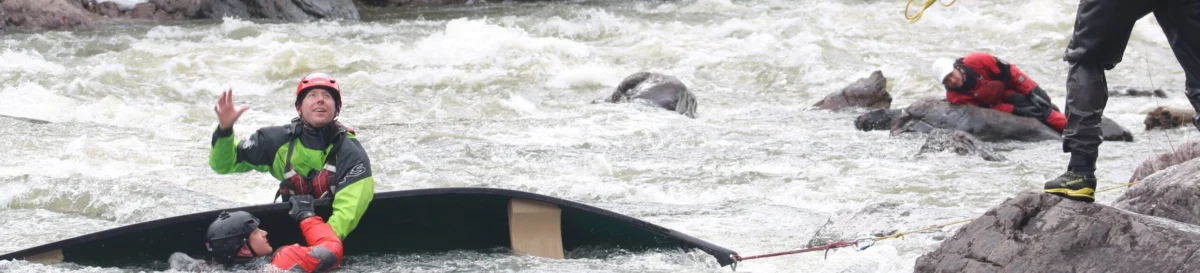
During the spring months, the focus was squarely on education. Instructors worked with emergency responders, private boaters, and professional guides to master the complexities of cold-water rescue, mechanical advantage systems, and victim management. These courses served as a vital precursor to the commercial season, ensuring that the local guiding community is equipped with the latest techniques in risk mitigation.
The Recreational Shift (Early Summer)
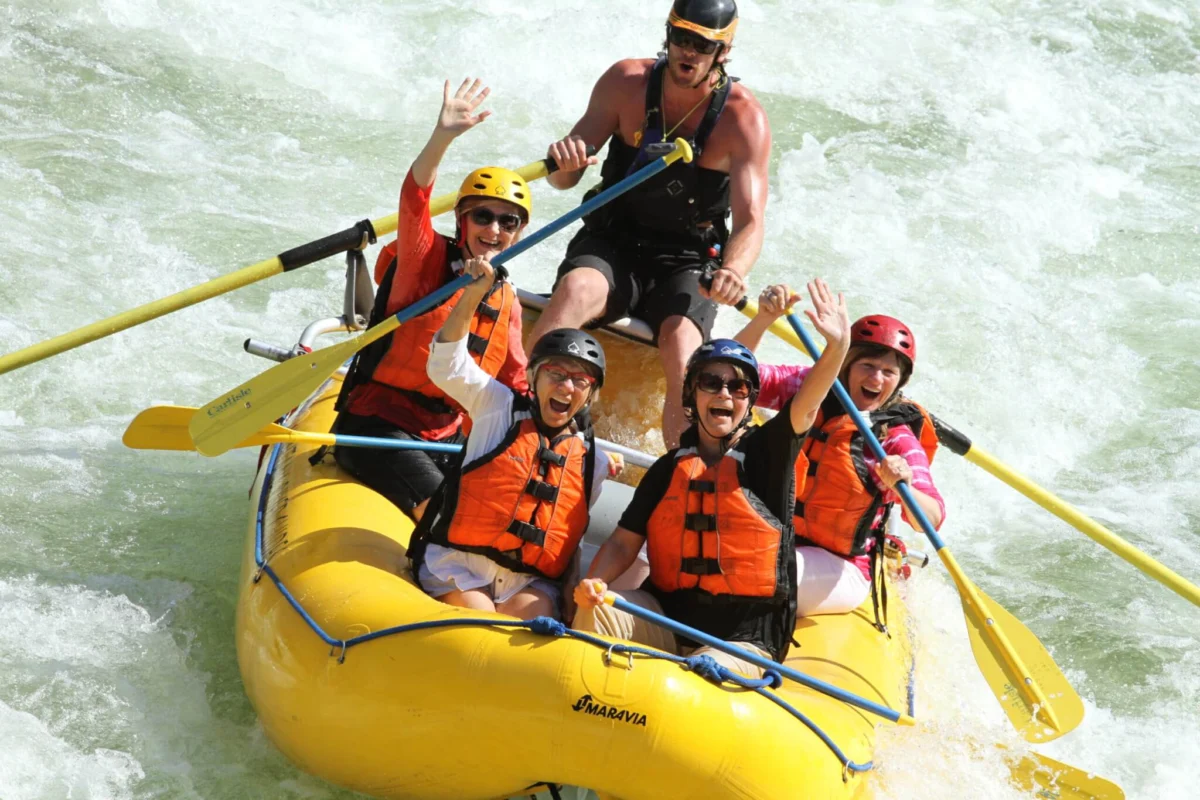
As of mid-July, the training curriculum has wound down, and the focus has shifted entirely to public recreation. The transition was dictated by the natural hydrograph of the Clark Fork. As snowpack melt-off slowed, the river levels reached the current 4,000 CFS mark, a level that allows for the safe passage of commercial rafts through the Upper and Lower Gorge. This period marks the start of the "family season," where the intensity of the river becomes manageable for novice paddlers without sacrificing the excitement that brings veterans back year after year.
Supporting Data: Understanding the Gorge’s Hydrology
The Alberton Gorge is a geologically diverse stretch of river, characterized by sheer rock walls and boulder-strewn rapids. Understanding the data behind these flows is essential for anyone planning a trip.
Current Flow Metrics
At 4,000 CFS, the river exhibits specific characteristics that influence navigation:
- Rapid Dynamics: Iconic features like Tumbleweed and Fang remain the focal points of the trip. At current levels, these rapids possess enough power to displace inexperienced paddlers, creating the "swimmer" scenarios that add a thrill to the day, yet they remain deep enough to prevent the dangerous entrapment scenarios associated with extremely low water levels.
- Emergent Features: The upper sections of the Gorge are beginning to reveal rock formations that were previously submerged. These "new" obstacles require precise navigation, forcing guides to utilize the full extent of their technical skill to maneuver rafts through tight channels.
- Water Quality and Temperature: With the arrival of sustained summer air temperatures, the Clark Fork has warmed significantly, making it comfortable for swimming and "river play" activities, which are often integrated into full-day guided tours.
Official Responses: Safety and Stewardship
Montana River Guides maintains a strict philosophy regarding river safety, emphasizing that the "fun" of the river is predicated on preparation and professional oversight.
"We are seeing the best water of the season right now," says a spokesperson for Montana River Guides. "Our teams have spent the spring teaching others how to stay safe, and now we are putting that expertise to work on the water every day. We urge all private boaters to keep a vigilant eye on their groups. Even at these ‘friendly’ levels, the Clark Fork is a powerful natural system that requires respect and proper gear, including well-fitted personal flotation devices (PFDs) and appropriate footwear."
The company emphasizes that while the Alberton Gorge is accessible, it is not a "lazy river." The complexity of the currents, combined with the emergence of upper-gorge rocks, means that situational awareness is as important for a professional guide as it is for a weekend warrior. The guiding community continues to advocate for the "buddy system," ensuring that in any group setting, every member of the party is accounted for at all times.
Implications: The Intersection of Industry and Environment
The current state of the Clark Fork has broader implications for the regional tourism economy and the future of industrial safety training in Montana.
Economic Impact
The stability of the river levels has allowed for a consistent schedule of daily rafting and scenic kayaking tours. This predictability is vital for the Missoula tourism sector, which relies on the river as a primary draw. By offering both high-octane whitewater trips and more relaxed, scenic kayak tours, Montana River Guides is able to cater to a diverse clientele, ranging from adrenaline-seeking tourists to families looking for a tranquil afternoon on the water.
Future Initiatives: Swiftwater Spill Response
While the commercial rafting season is in full swing, Montana River Guides is looking ahead to the late summer and early autumn, when they will return to their roots in technical training. The upcoming "Swiftwater Spill Response" classes represent a specialized niche in river management.
These sessions will focus on:
- Foundational Rescue: Reinforcing the basics of water entry and rescue equipment deployment.
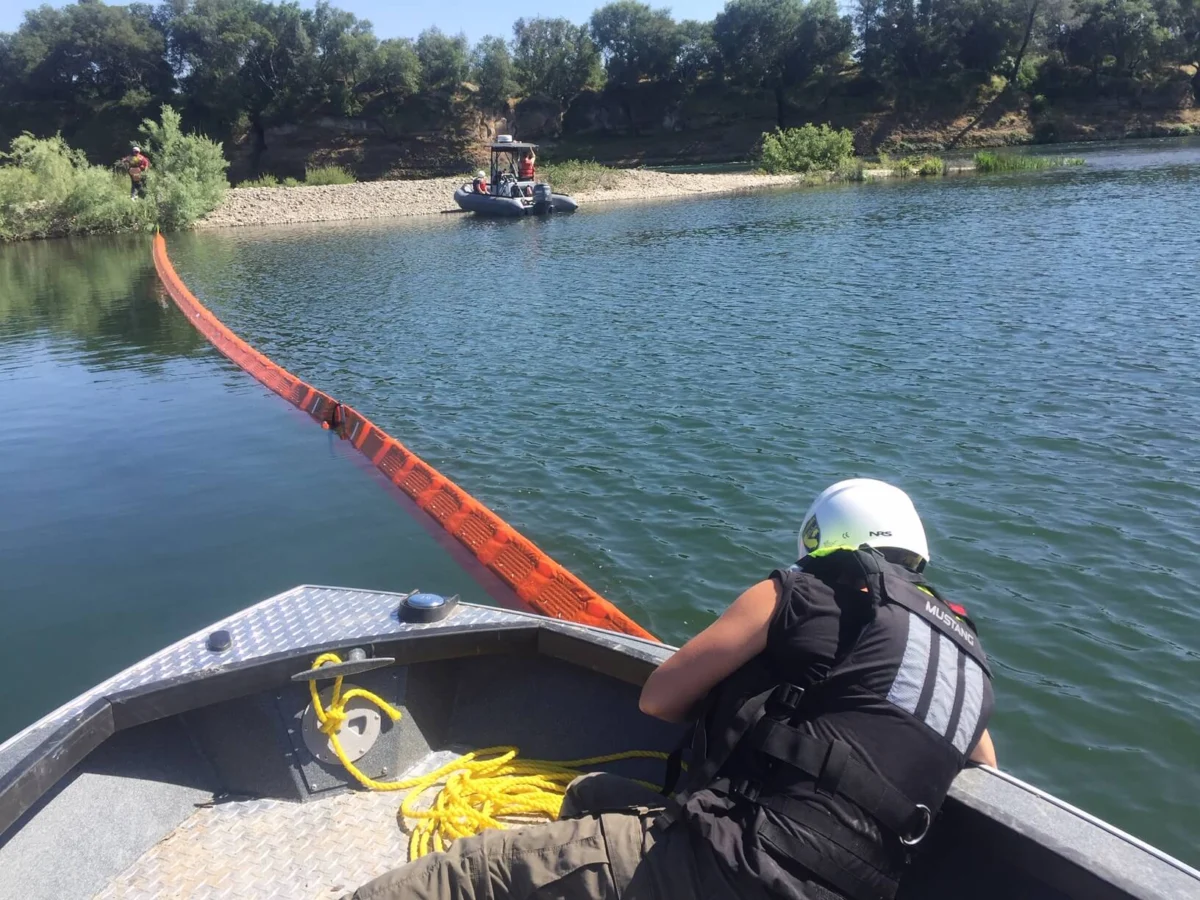
- Environmental Stewardship: Learning how to effectively contain chemical or wastewater spills in a moving-water environment. This is a critical skill for industrial safety teams and municipal water departments, as the techniques for containing a spill in a river are vastly different from those used in still water.
- Deployment Logistics: Practicing the deployment of boom systems and sorbent materials in current, which requires an intimate knowledge of eddy lines, current speed, and river morphology.
By bridging the gap between recreational guiding and technical spill response, Montana River Guides is positioning itself as a leader in both the tourism and environmental safety sectors.
Conclusion: A Season of Balance
The current season on the Clark Fork River is a testament to the balance between nature’s volatility and human preparation. With the Alberton Gorge offering optimal conditions for recreation, the community is encouraged to enjoy the river safely. Whether one is signing up for a guided raft trip, embarking on a private kayaking adventure, or enrolling in professional spill response training, the Clark Fork remains the lifeblood of Missoula’s outdoor identity.
As the season progresses, those interested in joining a guided trip are encouraged to book in advance, as summer weekends are filling up rapidly. For those looking to deepen their technical knowledge, the upcoming spill response curriculum offers a unique opportunity to gain expertise in a field where environmental protection meets high-stakes rescue.
The river is waiting—but as always, it rewards those who arrive prepared, equipped, and respectful of the powerful current.