Introduction: A Gathering of Enthusiasts
On a crisp, sun-drenched Saturday morning, a group of over twenty dedicated entomologists and nature enthusiasts converged in the Nõmme district of Tallinn, Estonia. This gathering, organized by the Finnish Entomological Society under the seasoned leadership of Juho Paukkunen, marked the commencement of a highly anticipated field expedition. The goal was simple yet ambitious: to explore the rich, often overlooked insect biodiversity of the region, tracing paths that echo historical scientific forays while documenting the current state of local habitats.
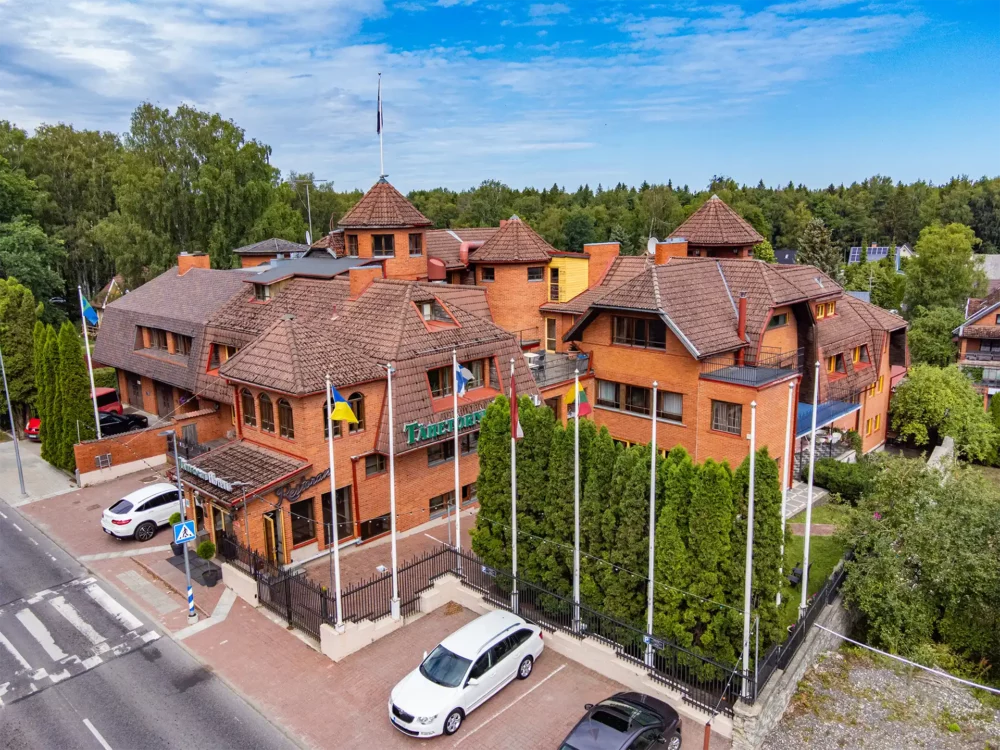
The expedition team, arriving from various points across the Gulf of Finland, found the atmosphere invigorated by an unseasonably warm spell—a welcome departure from the erratic conditions of the preceding days. As the group assembled at the Tahetorni Hotel, a distinctive red-brick landmark known for its intricate architectural towers and angular, labyrinthine design, the air was thick with the hum of shared anticipation.

Chronology of the Expedition
The Arrival and Preliminary Observations
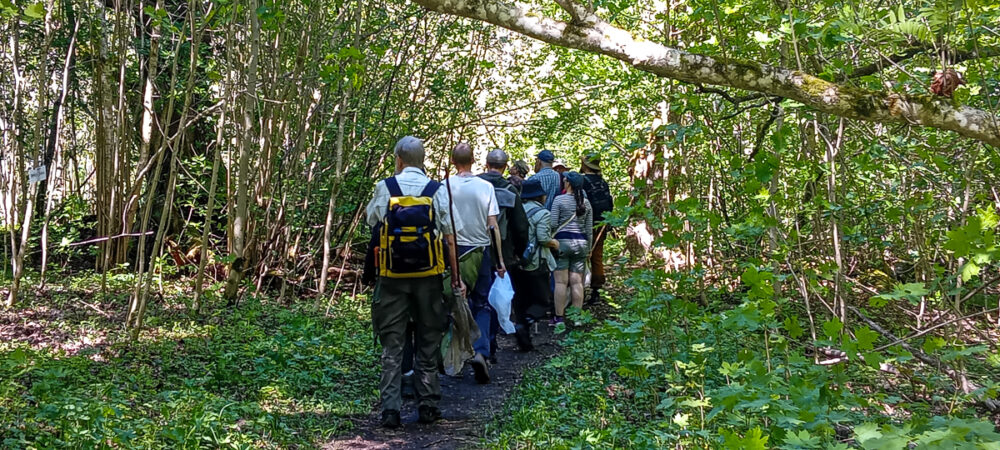
The logistical planning for the trip had been meticulous, with the expedition team aiming for an early start to survey potential habitats along the transit route. However, reality often deviates from the map; the transit from Muraste proved less fruitful than anticipated in terms of accessible, high-quality insect habitats. Upon arrival at the Tahetorni Hotel, the team found themselves with unexpected downtime before the official check-in.
This "lost time" proved to be a productive reconnaissance mission. In a nearby woodland area, the warming sun brought the forest floor to life. Early observations included pyjama bugs (Graphosoma lineatum) navigating floral stems and the vibrant, metallic shimmer of rose chafers (Cetonia aurata) taking flight. These initial sightings served as a promising harbinger for the days ahead, confirming that the heat was successfully drawing out the local insect population.
A Masterclass in Habitat Stewardship: The Urmas Jürivete Garden
Following the formal introduction of the group, the expedition’s first true highlight was a private visit to the garden of Urmas Jürivete. A respected Estonian entomologist specializing in Lepidoptera (butterflies and moths) and Hymenoptera (bees, wasps, and ants), Jürivete has garnered significant media attention in Estonia for his "insect-friendly" private sanctuary.
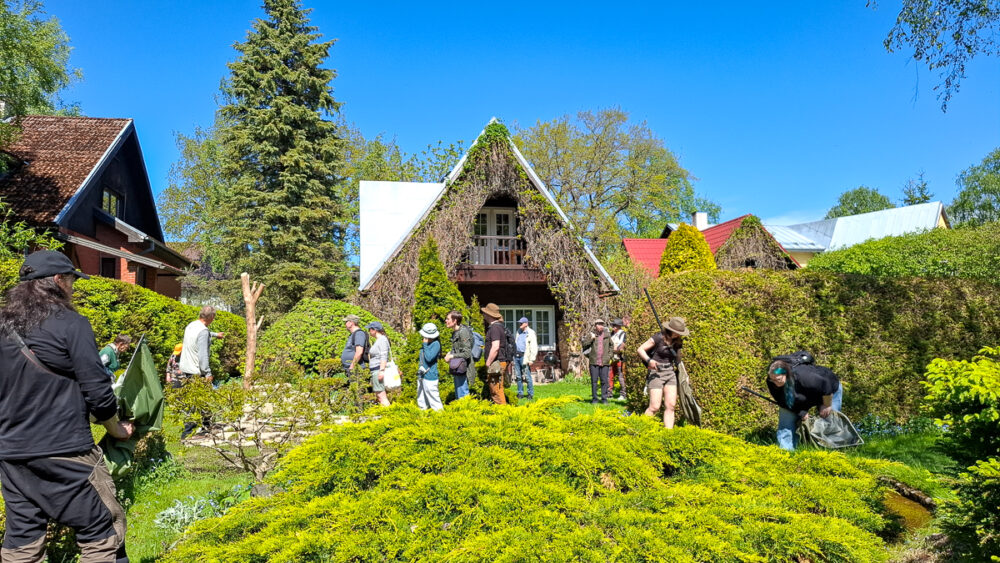
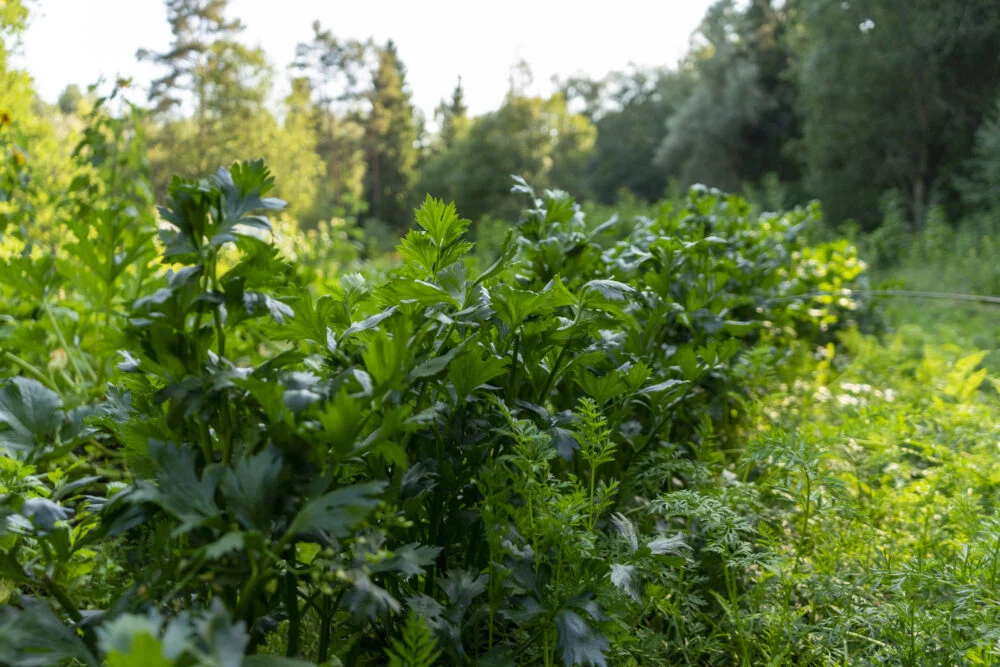
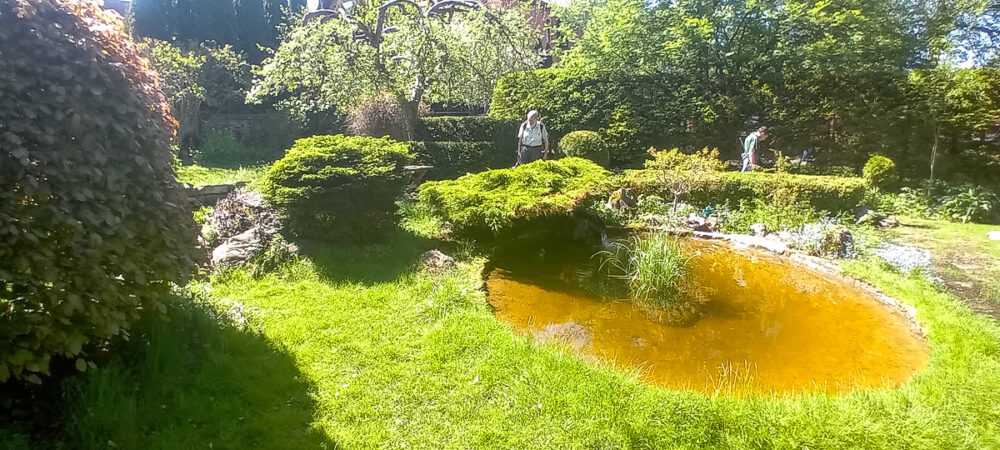
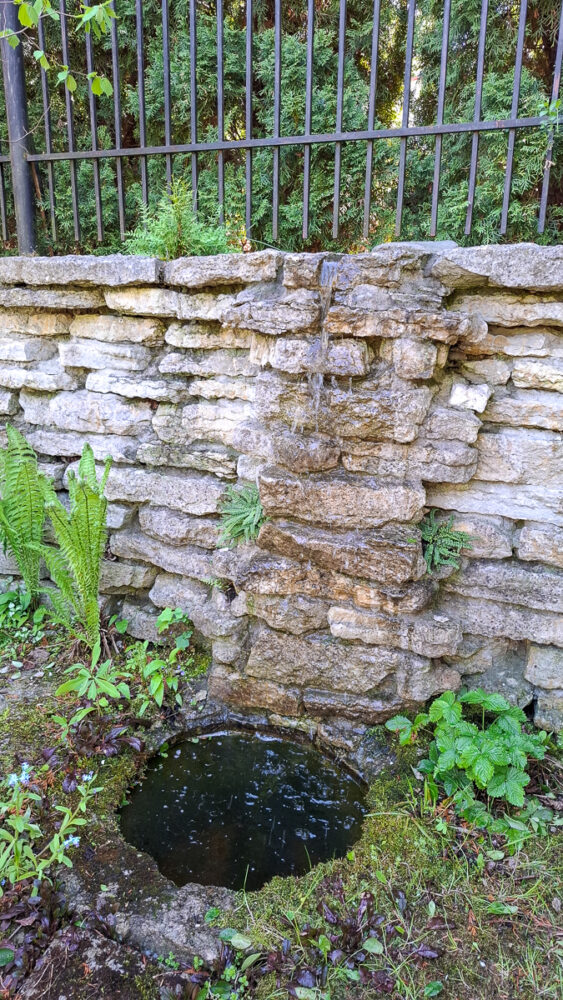
Jürivete’s property serves as a blueprint for modern ecological gardening. The design philosophy is strictly utilitarian from an entomological perspective: every plant species serves as a specific larval host or nectar source. The garden is a complex, multi-layered biotope. Notably, Jürivete has integrated significant amounts of deadwood—a critical but often missing element in suburban landscapes—providing essential nesting tunnels for various solitary bees and wasps. A hidden, trickling water feature at the rear of the property provides a micro-climate that supports diverse hygrophilous species. The site, featured on the Estonian public broadcasting program Osoon, stands as a testament to how private land management can actively combat the loss of urban biodiversity.
The Geological and Historical Marvels of Astangu
Transitioning from the micro-habitat of a private garden to the macro-landscape, the team moved to the Astangu park and green area. Astangu is a site of profound complexity, layering a stark industrial and military history over a naturally diverse limestone landscape.
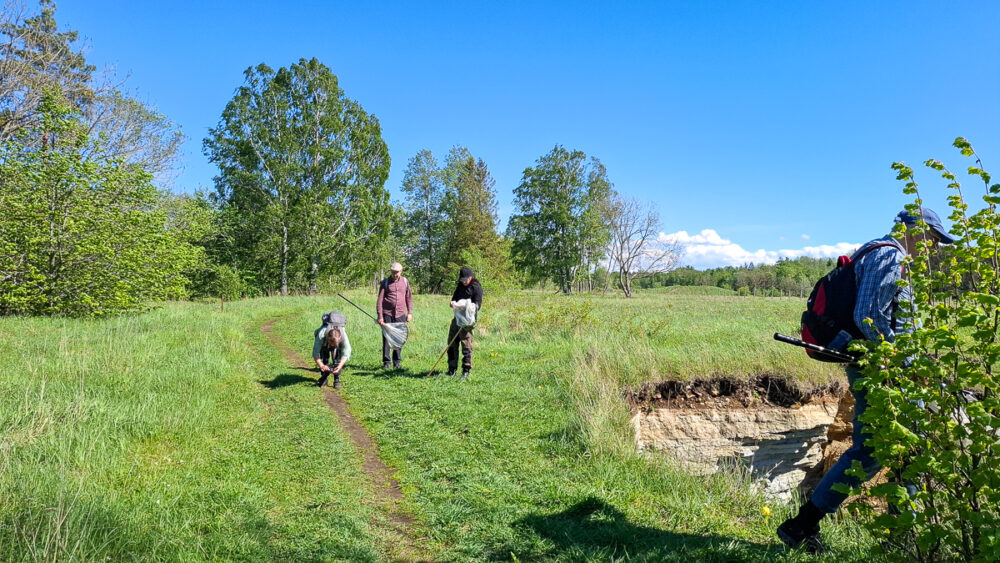
The area is dominated by the Määeküla limestone cliff, which rises 15 meters and dictates the local ecology. Historical remnants of Peter the Great’s Naval Fortress—a network of dark, damp, and cool tunnels originally intended for munitions storage—now serve as vital overwintering sites for bat populations. For the entomologists, however, the primary attraction was the "hot-spot" nature of the cliff-top meadows and the old railway embankments. These south- and west-facing limestone slopes capture the sun’s heat, creating ideal conditions for thermophilic insects and specialized calciphile flora.
Supporting Data and Field Observations
The expedition yielded several notable findings that underscore the ecological importance of the Tallinn region. Among the diverse species documented were:
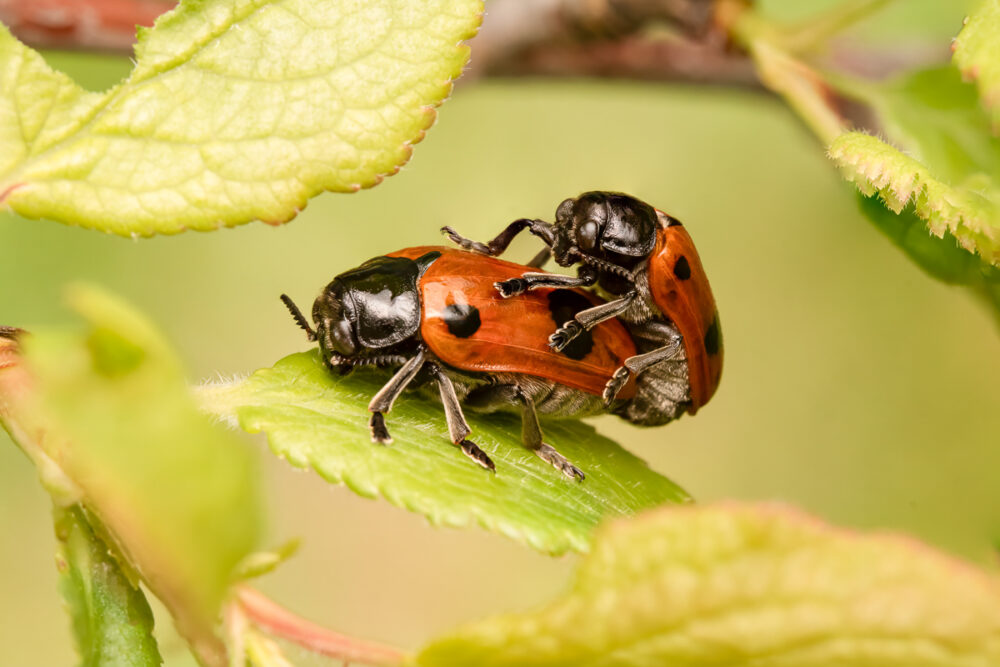
- The Four-spotted Ant-hill Beetle (Clytra quadripunctata): A striking coleopteran observed mating in the Astangu meadows.
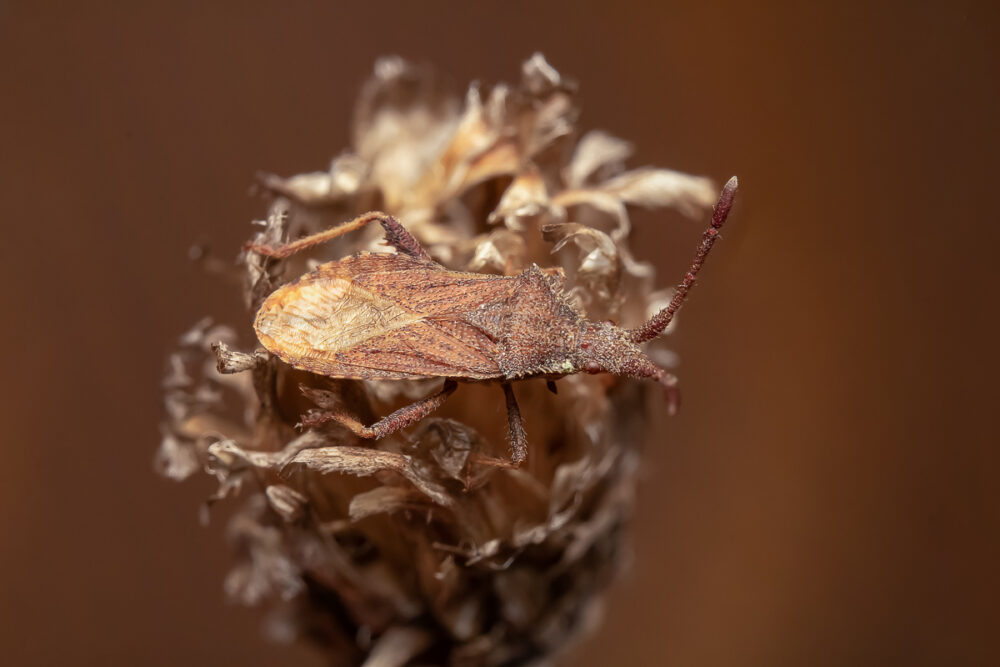
- The Shield Bug (Coriomeris scabricornis): A significant discovery. While the species is present in Finland, the Estonian population represents the nominate subspecies scabricornis, offering a point of contrast to the lapponicus subspecies found in the north.
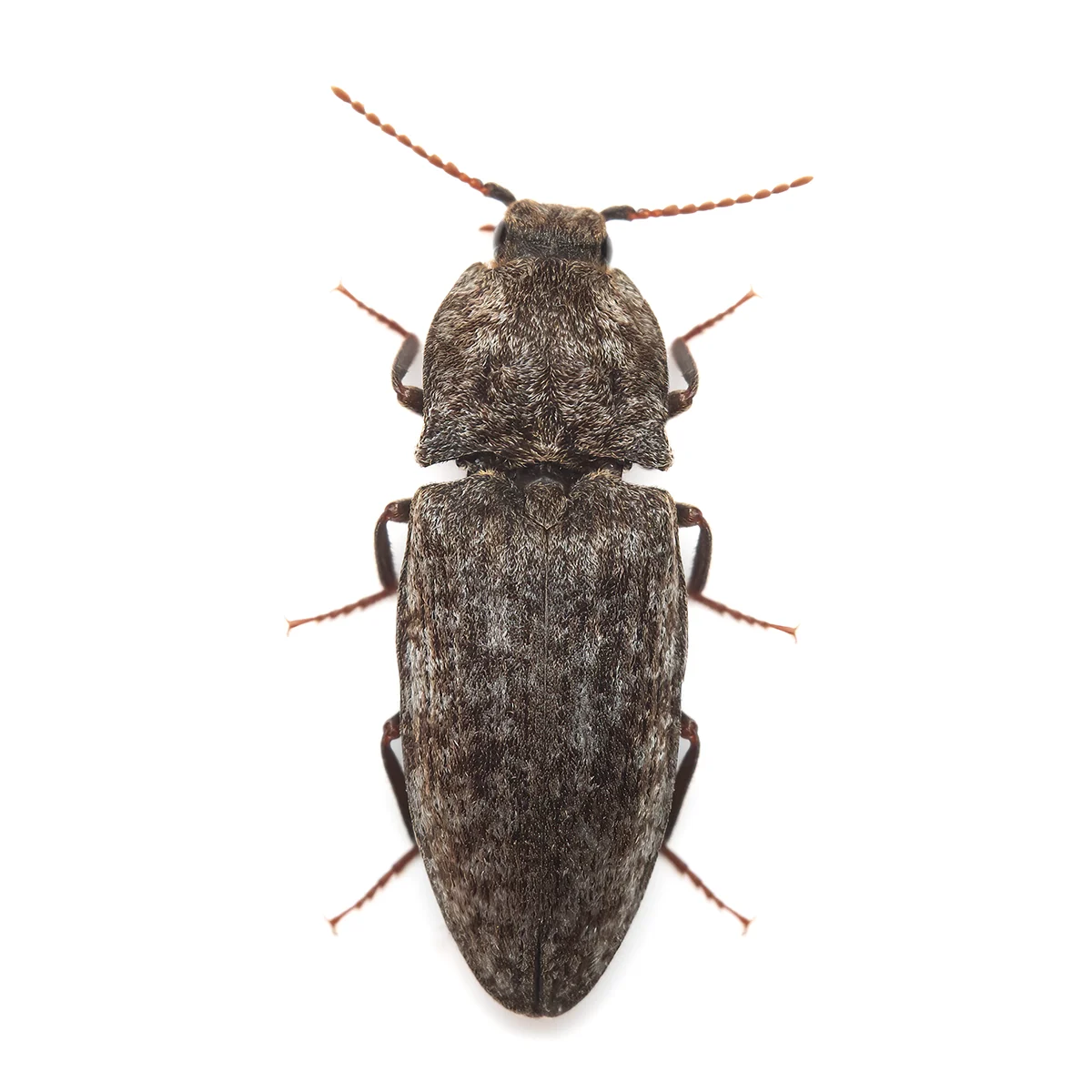
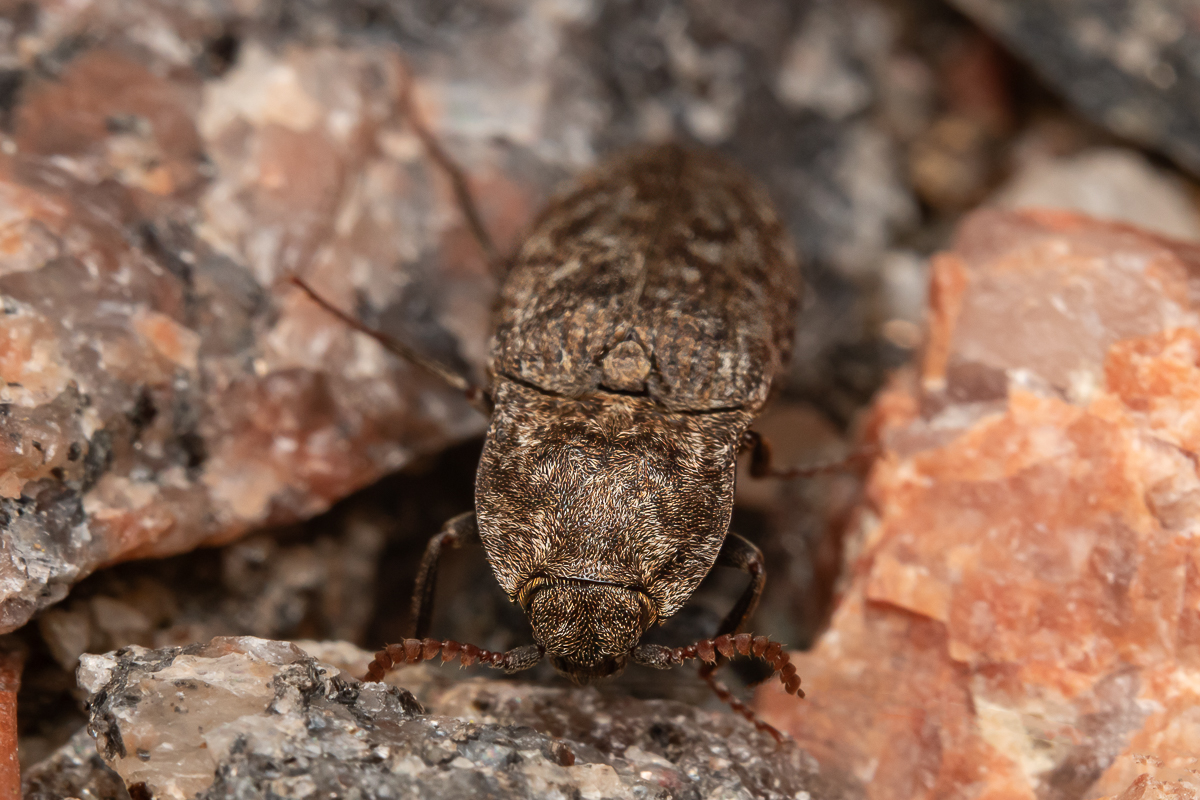
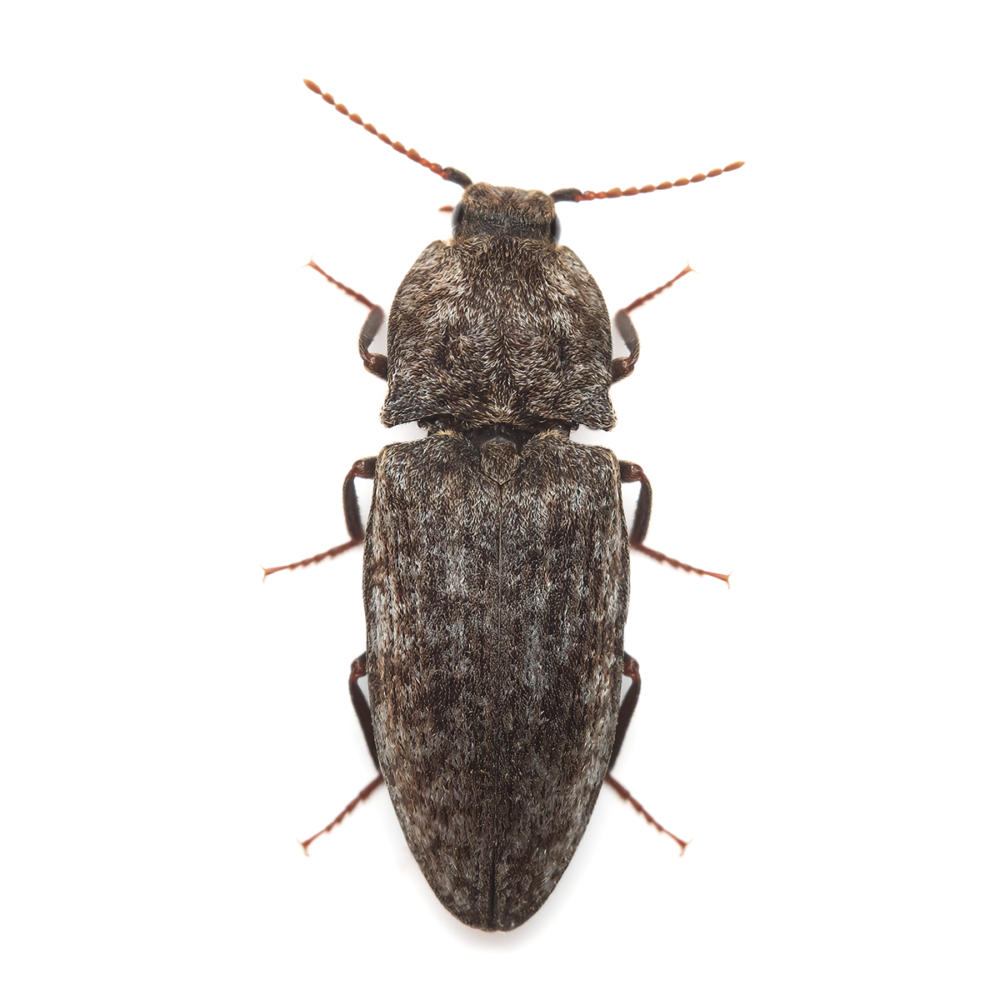
- The Grey Sand Beetle (Agrypnus murinus): While considered a rarity in parts of Finland, this beetle was found in relative abundance at the Astangu site, suggesting that the site serves as a stronghold for the species.
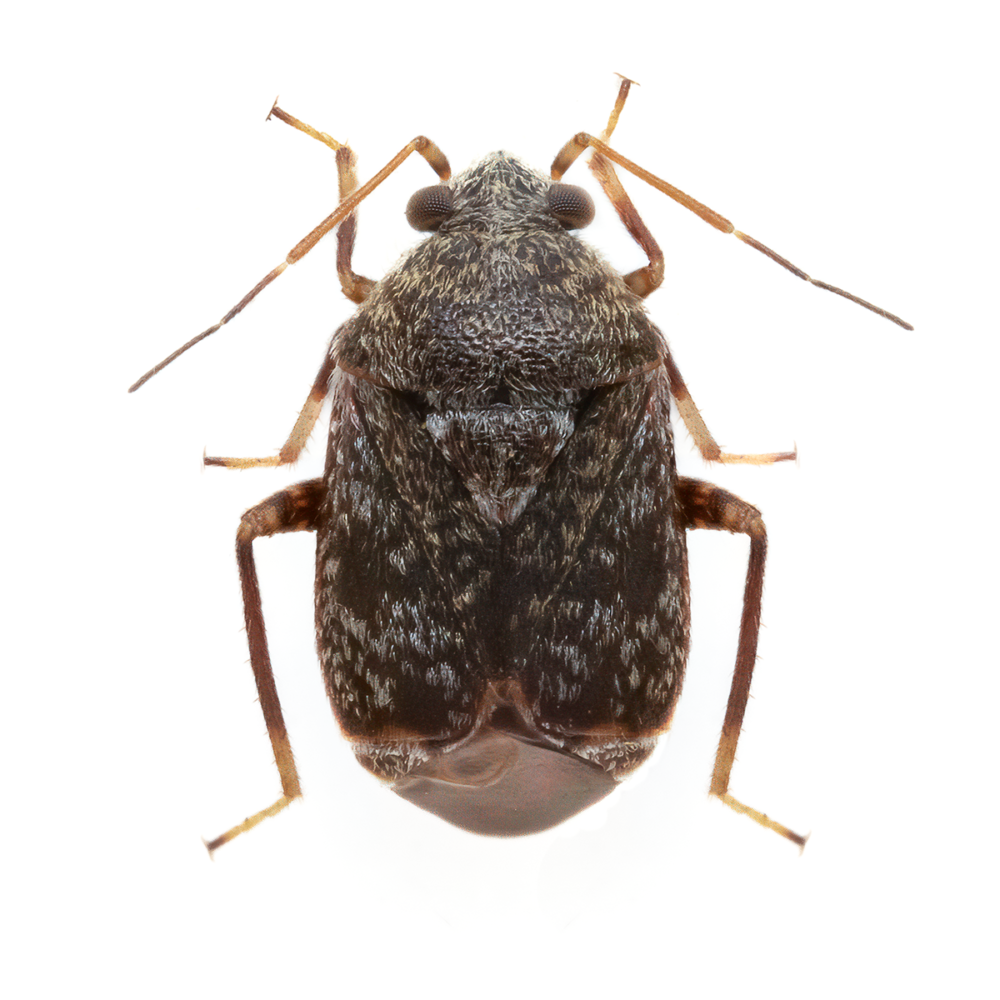
- The Mirid Bug (Charagochilus spiralifer): A taxonomic success story. This species was only recently differentiated from the more common Charagochilus gyllenhalii in 2025. The identification of a specimen during this trip provided a satisfying confirmation of the species’ presence in the region.
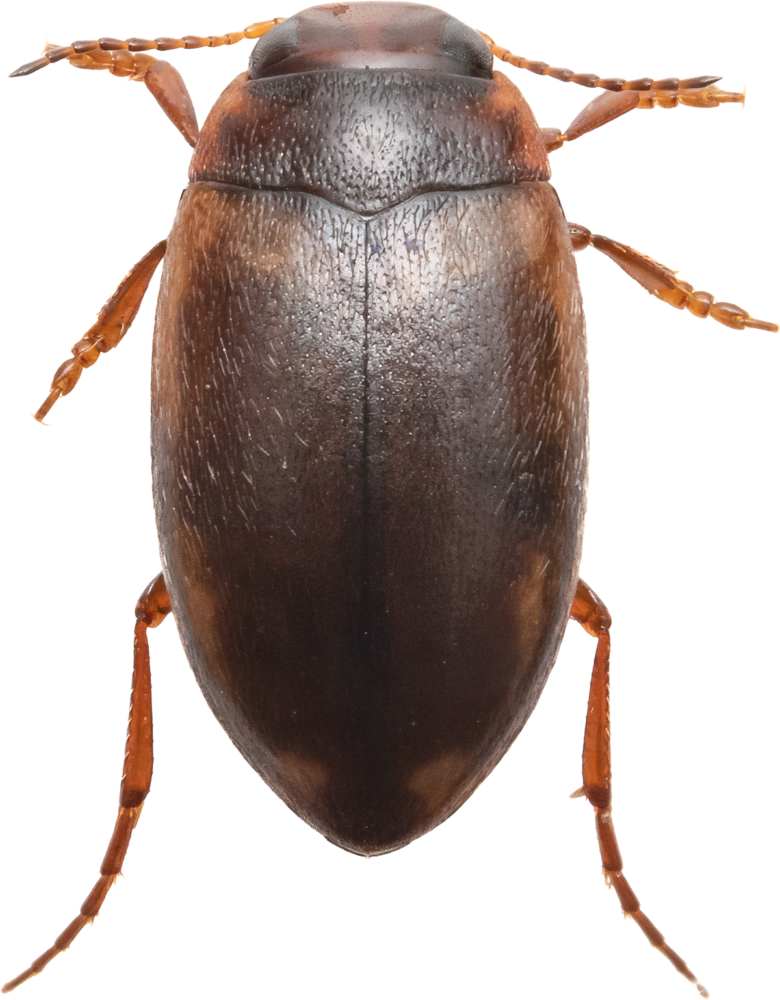
- The Diving Beetle (Hydroporus incognitus): Even during the informal evening social session at the hotel, the keen eyes of the group identified this small aquatic beetle, proving that biodiversity is often found in the most mundane of places—even on a hotel table.
Official and Expert Perspectives
Juho Paukkunen, who led the expedition, emphasized the value of these cross-border collaborations. "When we move beyond the strictly professional setting and into the informal evening gatherings, the real exchange of knowledge occurs," Paukkunen noted. He pointed out that while field work focuses on the hunt for specimens, the collaborative nature of the trip allows for a deeper synthesis of historical data—such as the 1926 expedition of the Societas pro Fauna et Flora Fennica—with modern, real-time observations.
Urmas Jürivete’s work, which served as the cornerstone for the expedition’s educational component, represents a growing movement among European scientists to promote "active" conservation within human-dominated landscapes. By providing structural diversity (deadwood, water, varied flora), individuals can bridge the gaps between larger protected nature reserves.
Implications for Future Conservation
The expedition highlights several critical implications for entomological conservation in the Baltic region:
- Urban Biodiversity Corridors: The success of the Astangu area demonstrates that even heavily modified industrial landscapes, when left to recover, can become biodiversity hubs. The "forgotten" tunnels and railway embankments are now crucial ecological assets.
- The "Private Sanctuary" Effect: The recognition of Jürivete’s garden underscores that institutional protection is not the only avenue for conservation. Engaging private landowners in entomology-led garden design could significantly improve insect connectivity in urban areas.
- Taxonomic Precision: The documentation of species like Charagochilus spiralifer proves that local faunistic knowledge is still evolving. Continuous field monitoring is essential to track the spread and status of specialized insect populations in a changing climate.
Conclusion: Looking Toward the Horizon
As the sun set over the Tahetorni Hotel, the mood among the participants was one of profound satisfaction. The transition from the carefully curated garden of Urmas Jürivete to the rugged, historically charged cliffs of Astangu provided a comprehensive view of the Estonian landscape’s potential.
The expedition not only cataloged specific species but also reinforced the importance of the human element in science. By tracing the paths of those who came a century before, the modern Finnish Entomological Society team has ensured that the dialogue between the scientific community and the natural world remains active and robust. With the first day’s successes behind them, the team looked forward to the remaining days, anticipating further discoveries as they continued to follow in the footsteps of the Vanamo society’s historic 1926 survey, a journey that promises to reveal even more of the "paradise" that lies just across the Gulf of Finland.