In California’s Central Valley, the San Joaquin River is a paradox: it flows with the visual markers of a healthy waterway, yet it is fundamentally starving. For over a century, this river has been surgically disconnected from its life-giving floodplains. As the state grapples with declining biodiversity and the increasing pressures of climate change, biologists and conservationists have reached a singular, evidence-based conclusion: to save the salmon, we must stop fighting the river and let it reclaim the land beside it.
The Modern Malaise: A River Pinioned by Infrastructure
The current state of the San Joaquin River is not an accident of nature; it is a monument to 20th-century engineering. The turning point arrived in 1942 with the completion of the Friant Dam near Fresno. Designed to serve the dual purposes of agricultural irrigation and flood control, the dam transformed the region into a global breadbasket. However, the cost was the systemic dehydration of the river’s upper reaches.
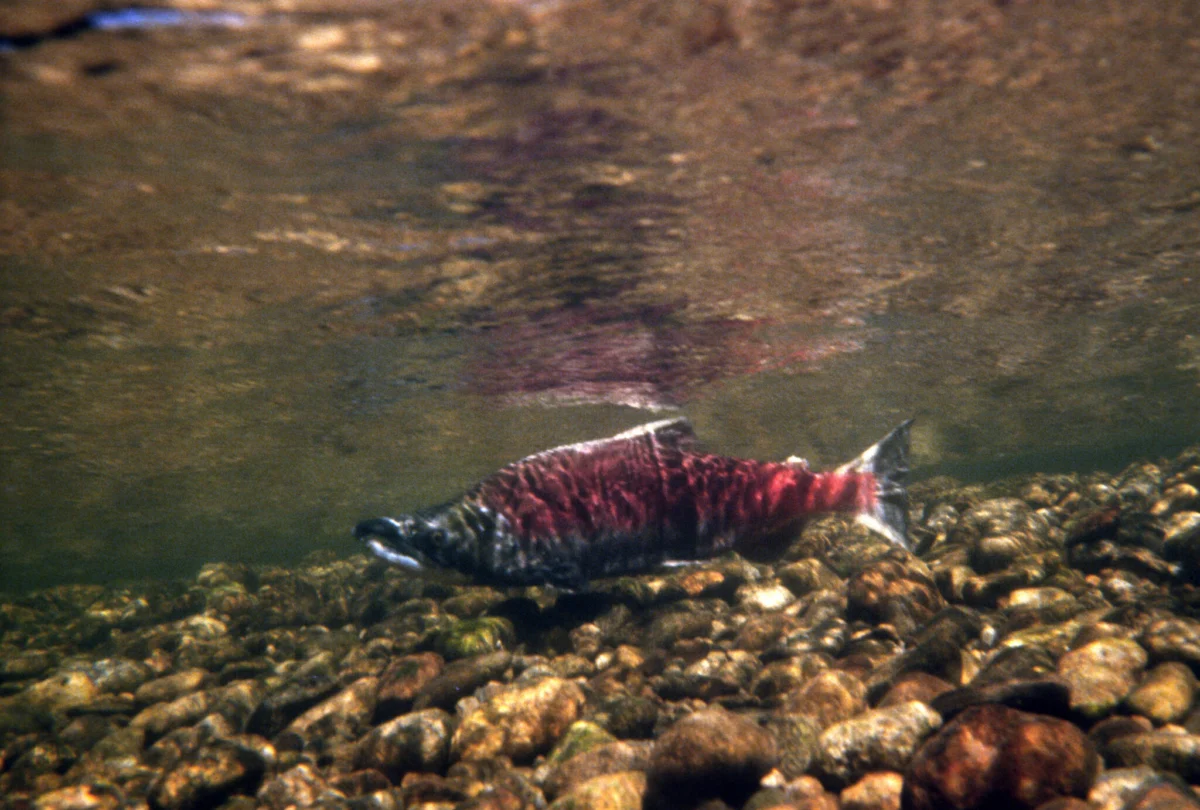
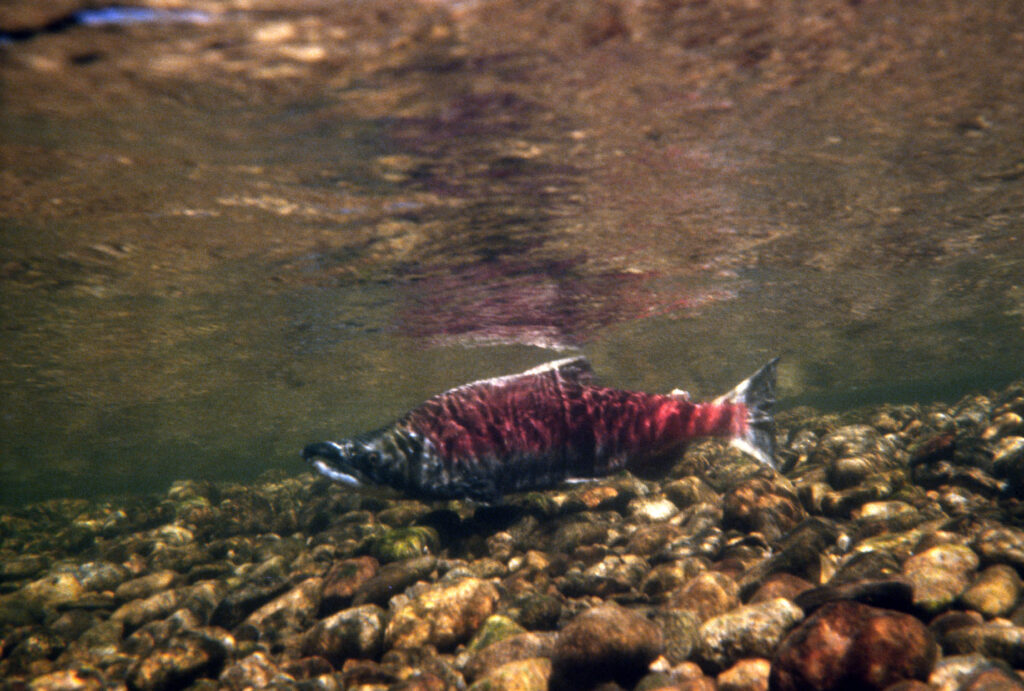
For decades, massive diversions into a complex network of canals left significant stretches of the San Joaquin bone-dry. This hydrological severing acted as a death knell for spring-run Chinook salmon and steelhead—ocean-going rainbow trout—that rely on a continuous, flowing migration corridor to reach the Sacramento-San Joaquin Delta. Without the marshy inlets, side channels, and wetlands that once served as nurseries, these iconic species were pushed to the brink of extinction.
The Friant Dam is the most prominent chapter in this story, but it is merely part of a larger, valley-wide phenomenon. Throughout the Central Valley, the natural pulse of the river was suppressed by levees and concrete channels, pinning the San Joaquin into a narrow, constrained path. By preventing the river from spilling over its banks during the winter and spring, humans inadvertently dismantled the most productive food webs in the ecosystem.
Chronology of a Disconnected Landscape
- Pre-1900s: The San Joaquin River functions as a dynamic, braided system. Seasonal snowmelt causes regular, gentle flooding across vast floodplains, creating rich, shallow-water habitats teeming with life.
- 1940s: The construction of the Friant Dam marks the era of "intensive flow regulation." Large swaths of the riverbed run dry as water is diverted to satisfy the burgeoning agricultural demand of the Central Valley.
- 1950s–1990s: Salmon populations plummet. The loss of access to rearing habitats—combined with rising water temperatures and poor water quality—leads to the localized extinction of various salmonid runs.
- Early 2000s: Scientific consensus begins to shift. Research into juvenile salmon growth rates highlights that the "mainstem" river channel is a hostile, food-poor environment compared to the nutrient-rich floodplains.
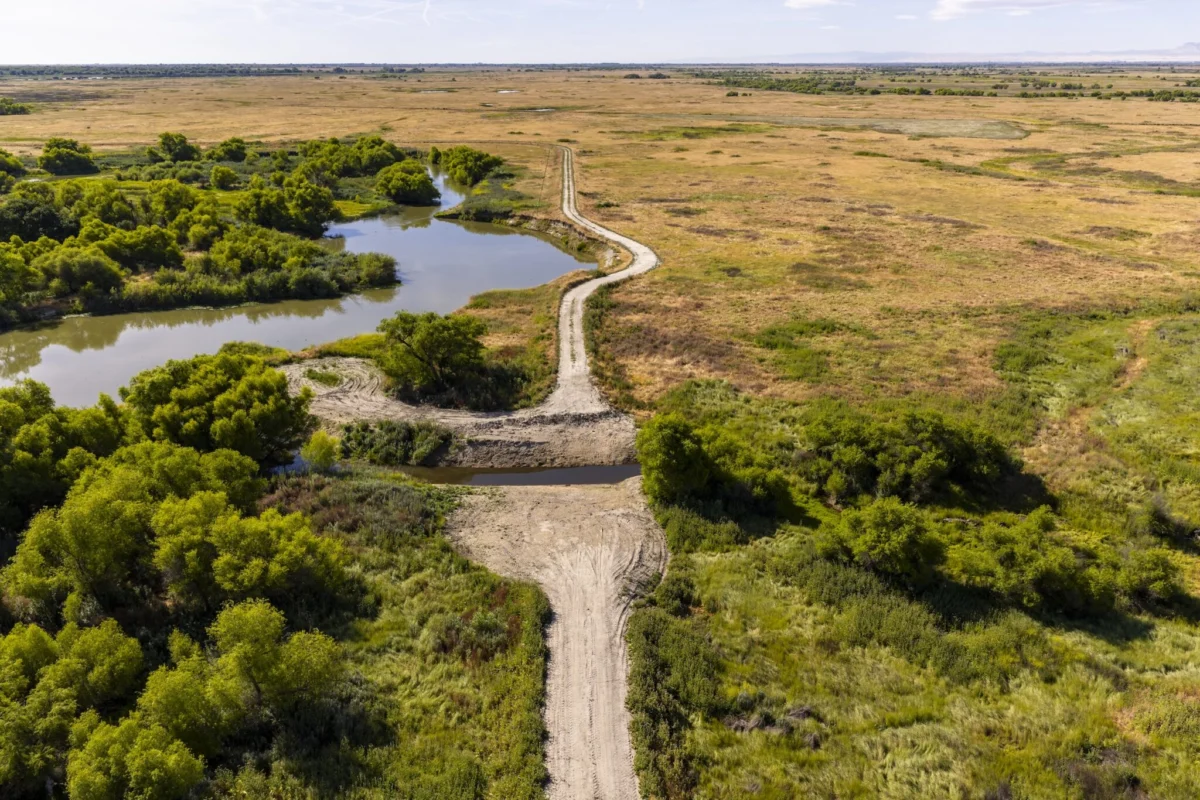
- Present Day: Restoration efforts, led by agencies and groups like American Rivers, focus on "reconnection." Pilot projects, such as those at the San Joaquin River National Wildlife Refuge, begin experimenting with managed flooding to simulate natural cycles.
Supporting Data: Why "More Water" Isn’t Enough
The argument for floodplain restoration is not merely sentimental; it is rooted in cold, hard biological data. The shallow edges of the valley floor—lands now predominantly used for agriculture—are, in their natural state, the "cafeterias" of the river.
When water spills onto a floodplain, it spreads thin and is quickly warmed by the California sun. This temperature increase triggers a biological explosion. Algae, zooplankton, and aquatic insects flourish in these warm, shallow conditions. For a juvenile Chinook salmon, this represents the difference between a stunted adolescence and a robust growth spurt.
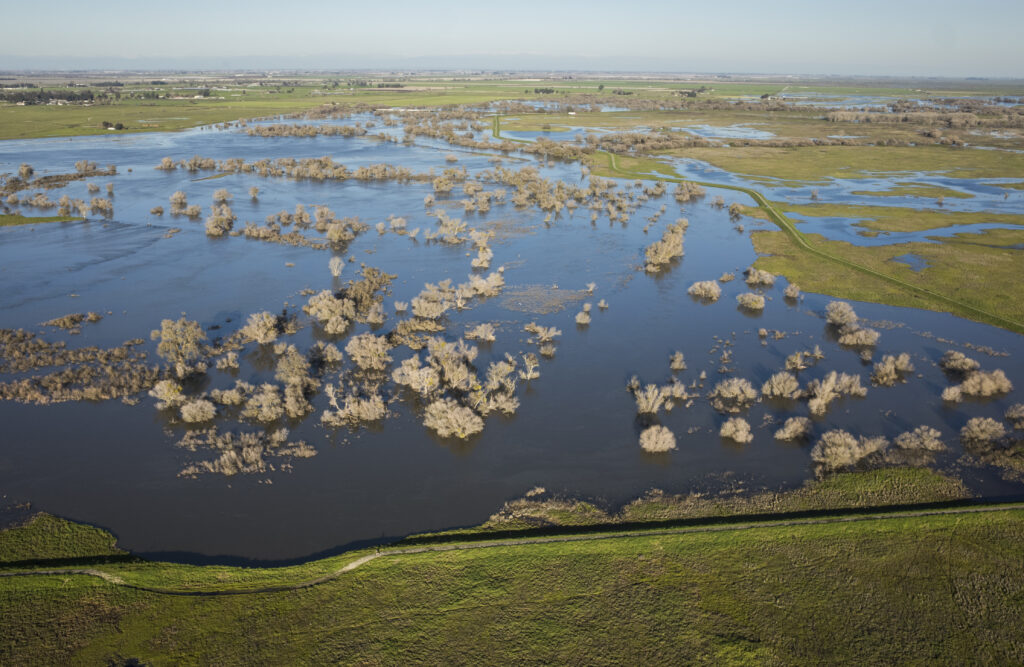
Research conducted over the last two decades consistently demonstrates that juvenile salmon granted access to floodplain habitats exhibit significantly higher survival rates than their counterparts confined to the deeper, colder, and swifter main river channel. Recent studies on managed floodplains—including seasonally flooded agricultural fields—have recorded some of the fastest juvenile growth rates in the entire region. In the life cycle of a salmon, size is the primary currency of survival; larger smolts are significantly more likely to evade predators, navigate the Delta, and successfully reach the Pacific Ocean.
Official Perspectives and Adaptive Management
Government agencies, including the Department of Water Resources and the Bureau of Reclamation, are increasingly incorporating these findings into their restoration mandates. The current strategy moves away from simply "releasing more water" toward "reconnecting the landscape."
"We are no longer just looking at flow volumes," says one lead restoration ecologist working on the San Joaquin system. "We are looking at ‘functional flows’—the timing and spatial distribution of water to maximize biological productivity."
Program scientists are now deploying advanced modeling to predict how floodplain biomass—the density of potential fish food—correlates with juvenile salmon survival. This data-driven approach allows for "adaptive management," where the opening and closing of floodgates can be adjusted in real-time based on the needs of the fish and the availability of water. This is a departure from the rigid, calendar-based water management of the 20th century, favoring a more nuanced, ecological approach.
Implications: The Multi-Benefit Future
The push for floodplain reconnection is not just an "environmental" goal; it is a critical strategy for regional resilience. The benefits of a connected river extend far beyond the salmon.
1. Flood Risk Mitigation
By allowing the river to spread out onto designated floodplains, we reduce the pressure on aging levee systems downstream. In a warming world where extreme precipitation events are becoming more frequent, these floodplains serve as vital safety valves that protect rural communities and infrastructure from catastrophic flooding.
2. Water Quality and Groundwater Recharge
Floodplains act as natural filters, trapping sediment and processing nutrients that would otherwise clog the river system. Furthermore, as water sits on the surface of these floodplains, it percolates into the soil, helping to recharge the depleted groundwater aquifers upon which Central Valley farmers depend.
3. Economic and Recreational Value
For the angling community, the restoration of these habitats is a matter of long-term sustainability. If salmon populations recover, the cultural and economic value of the river—long dormant—could see a resurgence. Healthy rivers provide ecosystem services that are often undervalued in financial spreadsheets, such as water purification and climate stabilization.
Conclusion: A Shift in Philosophy
The story of the San Joaquin River is a microcosm of the broader challenge facing the American West. We spent the last century trying to dominate nature through concrete and steel, only to realize that we have inadvertently severed the biological links necessary for survival.
Restoring the San Joaquin’s floodplains is an admission that our engineered solutions have limits. It is a pivot toward a future where we work with the river’s natural tendencies rather than against them. By giving the water room to roam, we aren’t just saving the salmon; we are ensuring that the Central Valley remains a place where both agriculture and nature can thrive in a volatile, changing climate.
The task ahead is immense, requiring the collaboration of farmers, policymakers, and conservationists. However, the roadmap is clear: to keep the river alive, we must let it touch the land again.