The landscape of professional bodybuilding underwent a seismic shift on September 27, 2026, when Nick "The Mutant" Walker ascended to the pinnacle of the sport, claiming the coveted Mr. Olympia title in Las Vegas. In a victory that validated years of relentless pursuit and physical evolution, Walker not only secured the Sandow trophy but also walked away with a $600,000 grand prize and the "People’s Champion" award, cementing his status as the new face of the IFBB Pro League.
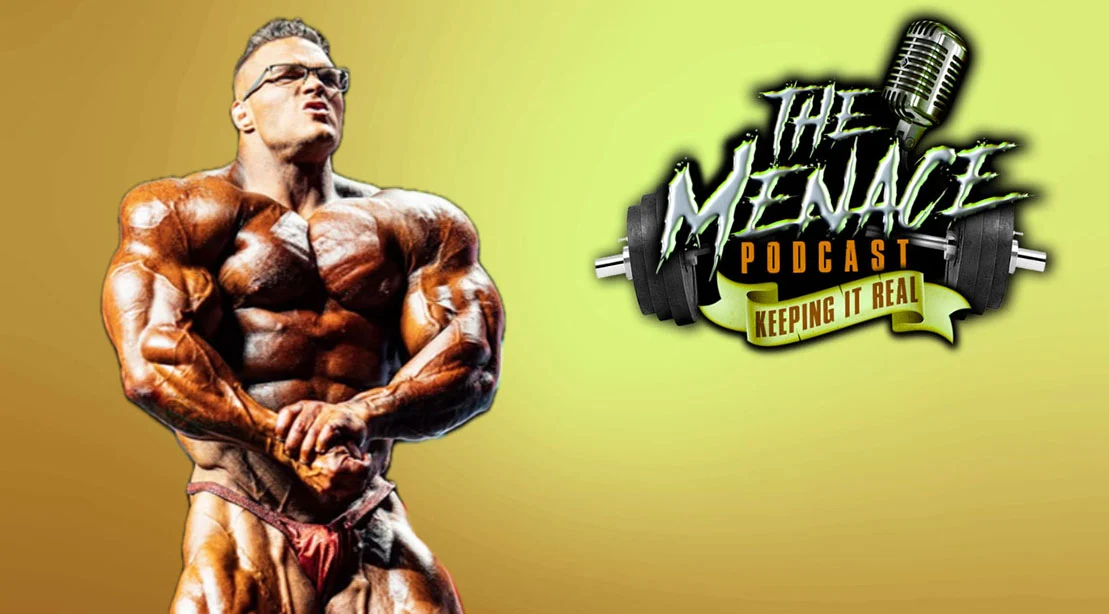
However, the victory was not without its share of controversy and intense post-show scrutiny. The relegation of the 2025 champion, Derek Lunsford, to a third-place finish ignited a firestorm of debate among fans and industry experts alike. On Episode 304 of The Menace Podcast, bodybuilding icons Dennis James, Milos Sarcev, and Chris Cormier gathered to dissect the nuances of the contest, questioning whether the judges’ decision reflected the true hierarchy of the current elite.
The Main Facts: A Night of New Crowns
The 2026 Mr. Olympia was defined by its razor-thin margins. Nick Walker’s triumph was the culmination of a weekend where he displayed unprecedented density, vascularity, and an improved aesthetic flow that had previously been the only missing link in his championship puzzle.
Samson Dauda, often praised for his structural elegance and "modern classic" physique, secured second place. Dauda’s performance was widely cited as the best of his career, a testament to his ability to peak at the exact moment the lights hit the stage. Meanwhile, the dethroned champion, Derek Lunsford, found himself in a position that few predicted, falling to third behind a surging Dauda and the indomitable Walker.
A Chronological Breakdown of the Event
To understand the final placings, one must look at the progression from Friday’s pre-judging to Saturday’s finals. The atmosphere at the Las Vegas venue was electric, with the frontrunners being identified almost immediately.
Friday: The Pre-Judging Uncertainty
During the initial callouts, the panel observed a noticeable inconsistency in Derek Lunsford’s physique. Dennis James, known for his keen eye and uncompromising critique, pointed out that Lunsford’s abdominal section appeared "washed out" during the morning session. In the high-stakes world of the Olympia, where fractions of a percent in conditioning can dictate the outcome, this lack of crispness proved costly.
Simultaneously, Samson Dauda appeared to lack his trademark confidence during the early rounds. Whether due to nerves or a tactical miscalculation in his carb-loading, Dauda looked slightly flat. This left the door wide open for Walker, who stepped onto the stage with a level of intensity and conditioning that left the judges with little choice but to favor his front-to-back development.
Saturday: The Night of Redemption and Realignment
The transformation that occurred between Friday and Saturday was where the true story of the 2026 Olympia was written. The finals saw a revitalized Samson Dauda. His confidence surged, and his muscle fullness returned, allowing him to showcase his superior frame to its full potential.
Derek Lunsford also made significant strides, correcting the issues with his midsection that plagued him the previous day. As Milos "The Mind" Sarcev observed, "This time he had it." Lunsford was tighter, harder, and displayed the championship form that earned him the title in 2025. However, it was a case of "too little, too late." By the time the final scores were tallied, the damage from the pre-judging session had already solidified the ranking of the top three.
Supporting Data: The Convergence of the Elite
The 2026 Olympia will be remembered as the year the "Big Four"—Nick Walker, Samson Dauda, Derek Lunsford, and Andrew Jacked—narrowed the gap between themselves to a razor-thin margin. The statistics of the scorecards revealed a sport in flux, where no athlete possesses a guaranteed path to the throne.
The panel at The Menace Podcast emphasized that this parity is both a blessing and a curse for the sport. For the fans, it creates a "must-watch" spectacle where every minor adjustment—a slight change in tan, a minor tweak in water retention, or a momentary lapse in posing—can shift the trajectory of a career. For the athletes, it introduces a level of stress previously unseen in the modern era of the sport.
Official Perspectives: The Experts Weigh In
The consensus among the sport’s most respected voices is that the judges were not necessarily "wrong," but rather, they were faced with an impossible task of separating perfection from perfection.
"I think that was the best Samson, ever," remarked Dennis James during the podcast. This justification provides clarity on why Dauda managed to leapfrog Lunsford. Dauda’s combination of size, height, and newfound conditioning made him an undeniable force, effectively creating a barrier that even the defending champion could not breach.
Milos Sarcev, while acknowledging Lunsford’s valiant effort, noted that the sport of bodybuilding is inherently subjective and snapshot-based. Lunsford’s third-place finish wasn’t a reflection of a failure on his part, but rather a reflection of the "Mutant" era beginning. Walker simply brought a brand of bodybuilding—marked by extreme muscular density and a relentless "never-say-die" attitude—that the judges were hungry to reward.
Implications for the Future of Bodybuilding
The 2026 Olympia serves as a blueprint for the future of the sport. We are entering an era where mass alone is no longer enough to secure the Sandow. The modern champion must balance the "freak factor" with an aesthetic, symmetrical presentation.
1. The Challenge of Title Retention
As Dennis James noted, "It’s going to be the hardest thing for Nick to win that again next year." The target is now squarely on Walker’s back. He has proven that he has the physical tools to hold the title, but the psychological pressure of defending the Olympia crown is a beast of a different nature. With the current top four being so evenly matched, Walker will need to bring an entirely new level of polish to the 2027 stage to stave off the hungry challengers waiting in his wake.
2. The Rise of the "New Class"
The performance of Andrew Jacked, who consistently pushed the leaders, suggests that the traditional hierarchy is being challenged by a new generation of athletes who prioritize height, frame, and structure. The 2026 results indicate that the Olympia judges are shifting their preferences toward a specific look—one that favors the combination of extreme muscle maturity and graceful, flowing lines.
3. The Professionalization of Preparation
The overnight adjustments made by Dauda and Lunsford highlight the increasing role of "coaching science" in the sport. The ability to manipulate one’s physique in a 24-hour window has become the ultimate differentiator. Athletes are no longer just training for months; they are training for the specific, minute-by-minute demands of the stage.
Conclusion: A New Era
The 2026 Mr. Olympia was more than just a contest; it was a statement. Nick Walker’s victory marks the beginning of a reign that promises to be as combative as it is exciting. While the debate regarding Derek Lunsford’s third-place finish will continue to permeate gym conversations and online forums for months, the reality is clear: the standard has been raised.
For fans of the sport, the next year represents an unprecedented period of anticipation. We are not just watching the evolution of individual athletes, but the evolution of bodybuilding itself. As the dust settles in Las Vegas and the focus shifts toward the next season, one thing remains certain: the throne is occupied by "The Mutant," but the kingdom has never been more contested.
For those looking to catch the full, unfiltered breakdown of the results, the deep-dive discussions on the The Menace Podcast provide the most comprehensive look into the technicalities of the decision-making process. The future of bodybuilding is here, and it is tighter, more competitive, and more unpredictable than ever before.