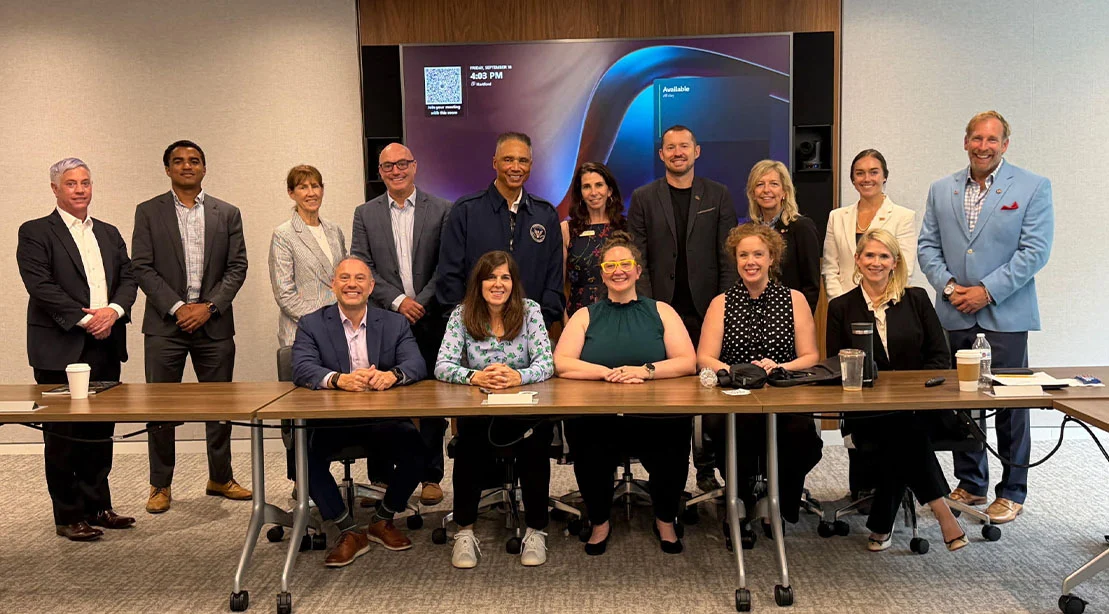
The Tragedy Assistance Program for Survivors (TAPS) headquarters in Arlington, Virginia, recently served as the epicenter for a critical convergence of expertise. The fifth installment of the Military Health and Wellness Symposium—spearheaded by Muscle & Fitness Senior Military Editor Rob Wilkins—brought together a diverse coalition of military leadership, medical researchers, and human performance specialists.
The objective was singular yet multifaceted: to synthesize the latest advancements in physical, mental, and nutritional science into actionable intelligence for service members, veterans, and their families. As the landscape of modern warfare and the stressors of service evolve, organizers argue that the physiological and psychological well-being of the force is not merely an individual benefit—it is a cornerstone of national security.
The Strategic Imperative of Human Performance
Rob Wilkins opened the symposium by framing the event within the broader context of operational readiness. "No one organization can generate all of the answers," Wilkins noted, emphasizing that the rapid pace of scientific discovery requires a centralized platform for knowledge transfer.
The symposium’s success relies on its unique cross-disciplinary approach. By integrating perspectives from the Department of Defense, private sector wellness experts, and academic researchers, the event bridges the gap between high-level policy and boots-on-the-ground application. The ultimate goal, according to Wilkins, is to empower those in uniform to serve longer, perform at a higher level, and transition into civilian life with the tools necessary to lead healthy, sustainable lives.
A Chronology of the Symposium: From Readiness to Legacy
The day-long agenda was meticulously structured to cover the full spectrum of a service member’s career and beyond, beginning with current military programs and concluding with long-term resilience strategies.
Morning Session: The H2F Framework
The morning began with a deep dive into the U.S. Army’s Holistic Health & Fitness (H2F) program. COL Jonathan D. Lesher and physical therapist Amy Cates presented a comprehensive overview of the program’s five core pillars: physical, mental, nutritional, spiritual, and sleep.
The presentation focused on the practical implementation of these pillars within brigade structures, emphasizing that H2F is not just a training manual but a cultural shift in how the military manages human capital. A significant portion of the discussion centered on injury prevention and rapid rehabilitation. As COL Lesher poignantly stated, "A stronger soldier is harder to kill, period." By investing in the physical foundation of the soldier, the military aims to decrease medical attrition and ensure a more lethal, capable force.
Midday Session: Life After Service
As the symposium shifted toward the post-service experience, the conversation turned to financial wellness and the navigation of Veterans Affairs (VA) resources. David Vardeman addressed the complexities of financial literacy, an often-overlooked factor in the stress experienced by transitioning service members.
Dr. Lynda Davis, Chief Veterans Experience Officer at the VA, echoed the sentiment that the government’s responsibility does not end when a service member turns in their gear. She highlighted the ongoing efforts to streamline access to benefits and, more importantly, to foster a culture of active listening within the VA. "If a veteran is in trouble, we are going to be there," Dr. Davis affirmed, underscoring the agency’s commitment to providing a safety net for those who have served.
Afternoon Session: Generational Health and Supplement Safety
The afternoon brought a broader perspective on health, featuring insights from education and public health leaders. Bob Marple, principal of Brambleton Middle School, discussed the critical role of physical education in developing the next generation of American citizens—and potential recruits. Marple emphasized that the habits formed in childhood dictate the trajectory of adult health, a point reinforced by Ashlee Henson of the Cooper Aerobics Wellness Program. Henson detailed how evidence-based exercise protocols, pioneered by Dr. Kenneth Cooper, can significantly extend both the quality and quantity of life across all age brackets.
Following this, the focus shifted back to the high-stakes world of supplement regulation. Andrea Lindsey, Director of Operation Supplement Safety (OPSS), addressed the "Wild West" of the supplement industry. With new, unregulated ingredients appearing on shelves monthly, Lindsey cautioned service members to be vigilant. She recommended sticking to third-party tested products and limiting caffeine intake to 200 milligrams per serving. She issued a stark warning regarding the recent surge in peptide usage, calling for extreme caution in an area where long-term safety data is currently insufficient.
Data-Driven Insights: The Sleep and Mental Health Crisis
A recurring theme throughout the symposium was the physiological degradation caused by poor sleep and unmanaged mental strain.
The Sleep Imperative
Dr. Sara Algar and Dr. Tina Burke of the Walter Reed Army Institute of Research presented compelling data regarding sleep as the "performance multiplier." Their research confirms that anything less than seven hours of sleep per night leads to a measurable decline in cognitive function, emotional regulation, and hormonal health—specifically noting a direct link to reduced testosterone production. The researchers argued that the cycle of sleep deprivation is often self-perpetuating, requiring intentional intervention to break. "Until you break that cycle," Dr. Algar concluded, "it will keep perpetuating."
Mental Resilience and Vulnerability
The mental health segment featured Dr. Gabriel Paoletti of the Uniformed Services University and Dr. Elizabeth "Elise" Van Winkle. Their discussion moved beyond clinical diagnosis to the practical application of resilience in high-pressure leadership roles.
Dr. Van Winkle’s testimony was particularly powerful. Recounting her tenure as the Assistant Secretary of Defense for Readiness, she described the immense, often invisible toll that executive-level responsibility takes on an individual. She challenged the common military narrative that vulnerability is a weakness. On the contrary, she argued, acknowledging the need for help is a prerequisite for maintaining the stamina required for leadership. "Saying it out loud makes you vulnerable, but that can help pull you back together into one person," Van Winkle noted, advocating for a culture where seeking mental health support is viewed as an act of mission-critical maintenance.
Implications for the Future
The fifth Military Health and Wellness Symposium served as a stark reminder that the modern battlefield is as much a war of attrition on the human body and mind as it is a tactical conflict. The implications of the findings presented are clear:
- Systemic Integration: Health programs like H2F must be fully integrated into daily operations, not treated as "add-ons."
- Proactive Education: With the rapid evolution of supplement and energy drink markets, the military must adopt a more aggressive posture in educating service members on chemical safety.
- Destigmatization: The transition from "resilience" (the ability to bounce back) to "readiness" (the state of being prepared) requires an environment where mental health is treated with the same medical rigor as physical injury.
As the symposium concluded, it was evident that the community of practice surrounding military wellness is growing more sophisticated. By aligning the expertise of researchers like those at Walter Reed with the operational wisdom of field-grade officers and the practical, life-cycle approach of experts like those at the Cooper Aerobics Center, the military is positioning itself to better protect its most valuable asset: its people.
Looking ahead, Rob Wilkins announced that planning is already underway for the sixth symposium, tentatively scheduled for January 2027. While the location and specific agenda items are still in development, the commitment to providing a recurring forum for these vital discussions remains firm. As the nature of service continues to change, so too must the approach to the health of those who stand on the front lines. The Arlington symposium has once again proven that by sharing knowledge, the military can ensure that its force remains not just ready, but robust and resilient for the challenges of the future.