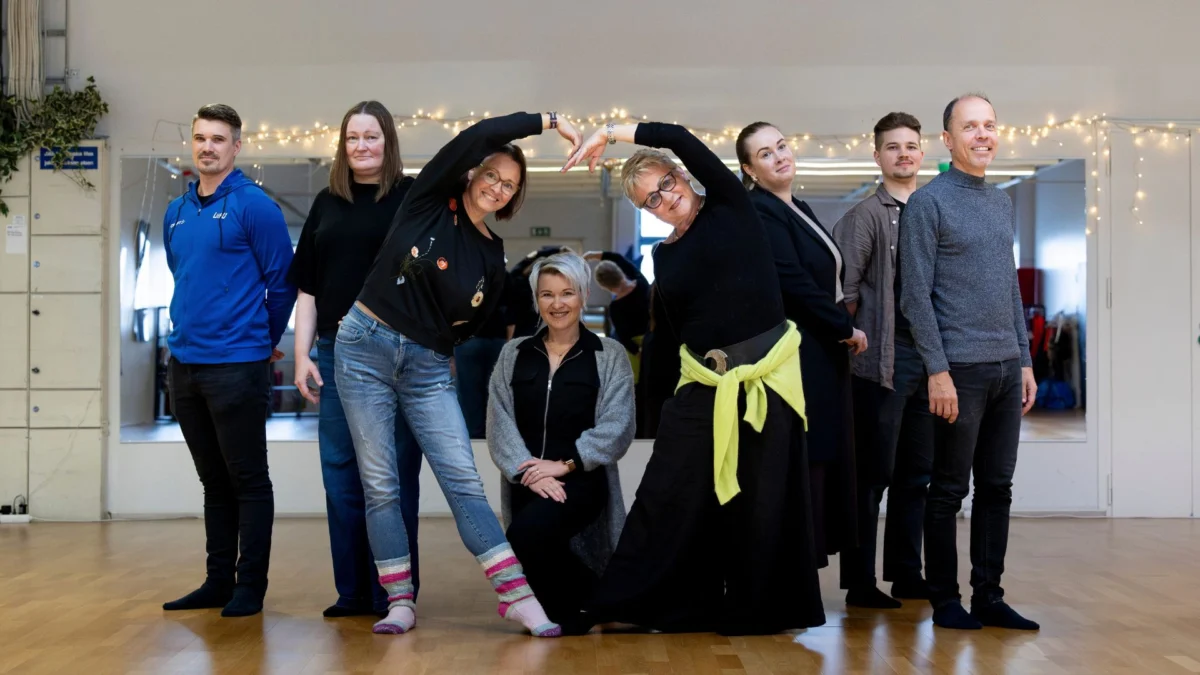
In the landscape of Finnish sports, the "Tähtiseura" (Star Club) program has become the gold standard for quality, transparency, and strategic growth. While many see the bright, blue-and-white star emblem as the final destination, for those working on the front lines of organizational development, it is merely a waypoint. Among these key figures is Katriina Lahti, a veteran developer for the Finnish Dance Sport Federation, whose decade-long tenure has redefined how dance clubs across the nation view their operational maturity.
Lahti’s work is a testament to the idea that successful sports organizations are not built on passion alone, but on the marriage of athletic enthusiasm and professional management.
The Architect of Organizational Change: A Chronology
Katriina Lahti’s journey into the heart of club development began long before her formal appointment as a federation developer. Her career is a roadmap of hands-on experience, bridging the gap between the dance floor and the boardroom.
The Foundation Years
In the 1990s, Lahti entered the world of competitive dance, rising rapidly through the ranks to compete at the A-class level in both ballroom and Latin disciplines. This competitive phase provided her with an intimate understanding of the athlete’s experience—the dedication, the physical toll, and the importance of a supportive environment.
By 2012, Lahti hung up her competitive shoes, but her commitment to the dance community only deepened. Her transition into administration started at a local level within a Kuopio-based dance club. It was here that she identified a systemic need for clarity. "I created a quality management system for my own club in Kuopio," she recalls. "We documented everything, formalized our processes, and mapped out our vision and strategy. We needed to know where we were going and exactly what tools we needed to get there."
The Rise to National Influence
That internal success in Kuopio did not go unnoticed. Her methodical approach to club governance, which treated the non-profit organization with the rigor of a professional enterprise, caught the attention of the Finnish Dance Sport Federation. In 2017, she was offered the role of Club Developer.
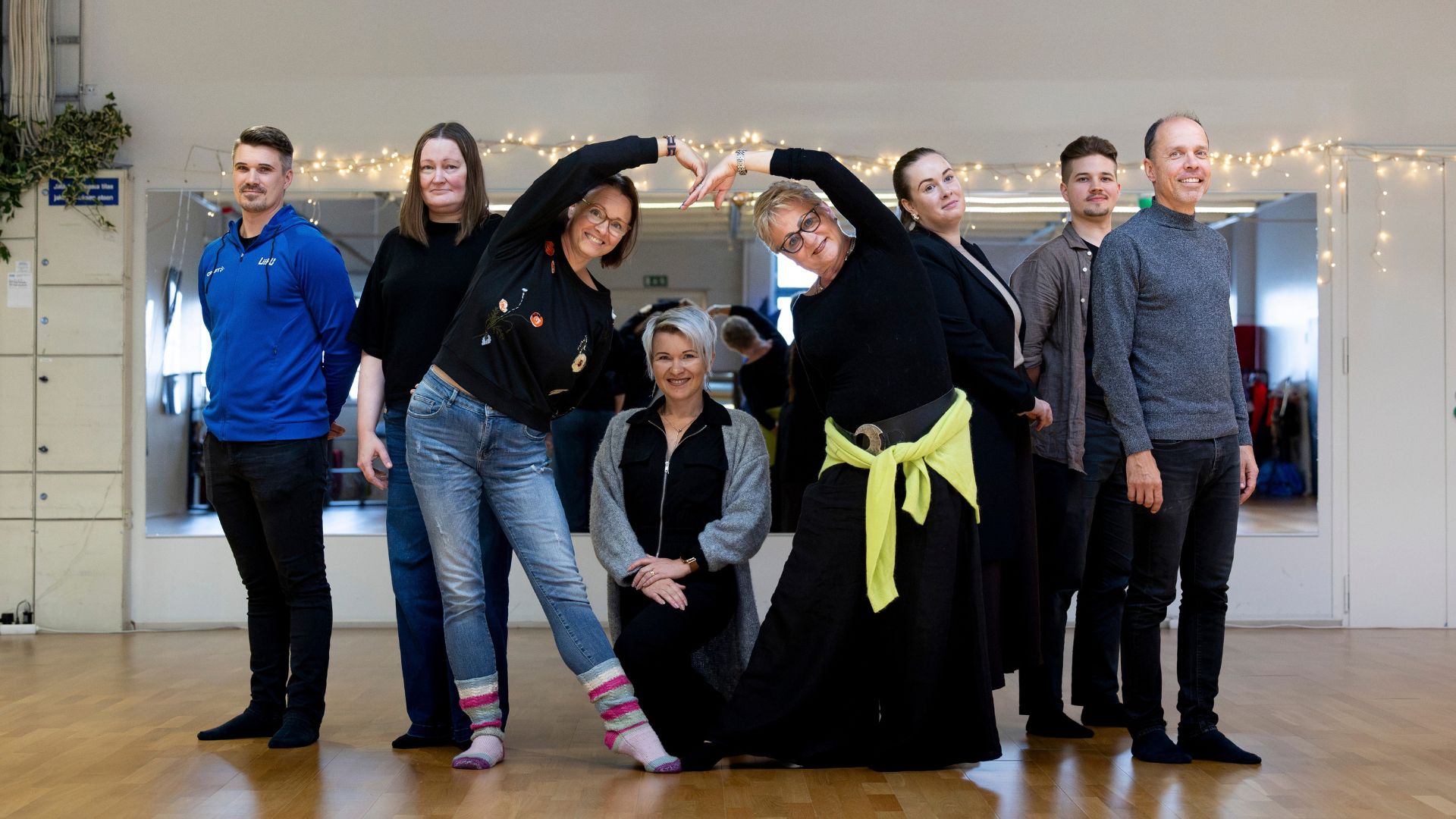
"I didn’t hesitate for a second," Lahti says. "I said, ‘Of course, I’m in!’"
Since then, her role has evolved from a focus on individual audits to a comprehensive leadership position. Today, her daily life is a whirlwind of club visits, regional meetings, cross-organizational networking, and active participation in the Federation’s operational strategy. She manages thousands of contacts annually, acting as a bridge between the central federation and the grassroots level.
The Philosophy of "The Three Ks": Asking, Praising, Thanking
A central tenet of Lahti’s philosophy is that the most valuable resource any club possesses is its people. However, she warns against the passive approach of waiting for volunteers to manifest.
"You have to invite people into the community," she explains. "Personal contact is essential. It doesn’t have to start with a massive commitment; a small task can be the first piece of a larger role later on."
To cultivate a thriving volunteer culture, Lahti promotes her "Three Ks" (in Finnish): Kysy (Ask), Kehu (Praise), and Kiitä (Thank). She emphasizes that this cycle is the heartbeat of sustainability. Furthermore, she is a vocal advocate for the inclusion of youth voices in decision-making. "Too often, the voices of young people are ignored in club activities. During our Tähtiseura audits, I make it a point to include young members in the conversation. It is easy for me, as an outside party, to ask for their perspective and ensure they are heard."
Supporting Data: Why Structure Matters
The efficacy of the Tähtiseura program is not merely anecdotal. It is backed by consistent performance metrics. According to internal data from the Finnish Dance Sport Federation, clubs that hold the Tähtiseura status consistently outperform their peers across all key performance indicators, including membership retention, financial transparency, and growth in participant numbers.
Lahti notes that the program serves as a "stress test" for organizational health. "The Federation conducts an annual survey of its clubs. On every metric—governance, coaching, ethics, and sustainability—the Star Clubs are performing better. It’s a virtuous cycle: the rigor of the program leads to better outcomes, which in turn attracts more members and volunteers."
The program’s credibility is maintained through a strict triennial re-auditing process. This ensures that a "Star" is not a lifetime achievement award but a commitment to ongoing improvement. Even the National Federation itself is audited annually, ensuring that those who hold others to high standards are held to the same.
Professional Insights: Clubs as Micro-Enterprises
Drawing from her background in corporate production, financial administration, and human resources, Lahti brings a unique perspective to the sports sector. She treats clubs not as loose collections of enthusiasts, but as micro-enterprises.
"Goals without actions are just wishes and dreams," she states firmly. "You cannot expect change if you do not change anything. The strength of the Tähtiseura program is that it forces a transition from vague goals to concrete, actionable steps."
Her professional background has also shaped her management style. Having experienced the corporate world, she values an environment where people are trusted, encouraged, and given the space to act. She brings this same culture of psychological safety to the Federation, believing that innovation only thrives when leaders are willing to delegate and empower others.
Implications for the Future of Finnish Sports
The Tähtiseura program, facilitated by the Finnish Olympic Committee, national federations, and regional sports organizations, is more than a certification; it is a promise of quality. For the participant, it guarantees a safe, professional, and ethical environment. For the community, it represents a commitment to societal impact.

The Role of the Developer
The "Developer" role is, by definition, an act of partnership. Lahti describes her function as that of a mentor and a sounding board. "The decision to enter the development path always comes from the club," she explains. "I am there as a partner. I don’t dictate; I ask questions, I challenge, and I walk alongside them from the very first meeting through to the final audit and beyond."
The integration of regional sports organizations into the process provides a dual-layer perspective, ensuring that national standards are adapted to local realities. This regional depth is crucial for the long-term vitality of the sport.
Maintaining the Standard
As the program looks to the future, Lahti is cautious about one thing: the erosion of standards. "The world changes, and we must evolve, but I would not compromise on the core Tähtiseura criteria. Having a common, demanding standard for everyone gives the entire program its significance, reliability, and credibility."
Conclusion: The Star is a Direction, Not a Destination
For Katriina Lahti, the blue-and-white star is a symbol of intent. It signifies that a club has decided to stop drifting and start steering. By formalizing processes, setting clear strategies, and fostering an inclusive culture, these clubs are securing their future in an increasingly competitive leisure market.
"At the end of the day," Lahti concludes, "the most rewarding part of this work is seeing a club succeed on its own terms. When I see a club shift from ‘hoping for change’ to ‘executing a strategy,’ I know my work has had impact. That is a true professional richness."
As the Finnish dance scene continues to navigate the challenges of the modern era, the work of developers like Lahti ensures that the heartbeat of the community—its local clubs—remains strong, sustainable, and ready for the next generation of dancers.