In a landmark transaction for the North American utility sector, French private equity powerhouse Antin Infrastructure Partners has announced a definitive agreement to divest its majority stake in Vicinity Energy, the United States’ largest district energy platform. The acquisition, spearheaded by Harrison Street Asset Management—in a joint venture with Kenon Holdings—values the Boston-based provider at a robust $2.9 billion.
This divestment marks a pivotal moment in the evolution of urban infrastructure management, signaling a transition from the initial "carve-out" phase of the company’s history toward a new era of expansion and decarbonization under fresh institutional ownership. The deal is currently pending customary regulatory reviews and is anticipated to finalize in the first half of 2027.
The Transaction: A $2.9 Billion Valuation
The acquisition represents one of the most significant private equity moves within the district energy space in recent years. Executed through Antin’s Flagship Fund IV, the sale underscores the immense market appetite for high-barrier-to-entry infrastructure assets that provide essential services under long-term, stable contracts.
For Harrison Street, a firm renowned for its focus on alternative real assets, the acquisition of Vicinity Energy provides a foundational platform in the critical utilities sector. By partnering with Kenon Holdings, Harrison Street is positioning itself to leverage Vicinity’s existing network—which spans 12 major US cities—to capitalize on the growing demand for sustainable, resilient heating and cooling solutions in dense urban environments.
Chronology: From Veolia Carve-out to Market Leader
To understand the significance of this $2.9 billion deal, one must examine the rapid maturation of Vicinity Energy since its inception.
- 2019: The Foundation. Vicinity Energy was formally established following Antin Infrastructure Partners’ acquisition and strategic carve-out of Veolia’s North American district energy business. This move was designed to consolidate fragmented assets into a cohesive, high-performance platform.
- 2019–2024: Strategic Expansion. Under Antin’s stewardship, the company aggressively expanded its footprint. The management team prioritized operational efficiency, upgrading aging infrastructure and integrating advanced digital monitoring systems across its networks in cities such as Boston, Cambridge, Philadelphia, and Baltimore.
- 2024: The "eSteam" Milestone. A major turning point occurred with the rollout of "eSteam," a proprietary offering utilizing electric boilers and industrial-scale heat pumps powered by renewable energy sources. This allowed the company to transition from traditional fossil-fuel-based steam production to a decarbonized model, significantly increasing its value proposition to ESG-conscious clients.
- 2026: The Exit. Following years of consistent growth, including the addition of more than 160 new building connections, Antin reached a strategic decision to realize its investment, leading to the agreement with Harrison Street.
Supporting Data: Infrastructure and Reach
Vicinity Energy’s business model is built upon the stability of long-term, inflation-indexed contracts with some of the most critical institutions in the United States. The company currently services over 1,000 buildings, creating a "moat" that is difficult for competitors to replicate.
Key Operational Metrics
- Geographic Footprint: Operations span 12 major US cities, with a primary concentration in the high-density hubs of the Northeast and Mid-Atlantic.
- Client Diversity: The portfolio includes a robust mix of sectors:
- Higher Education: Supplying campuses that require constant, reliable thermal energy.
- Healthcare: Serving major hospital systems where thermal stability is a matter of patient safety.
- Government & Public Sector: Providing critical utility support for municipal infrastructure.
- Data Centers & Commercial Real Estate: Providing energy-intensive cooling solutions for modern tech-heavy buildings.
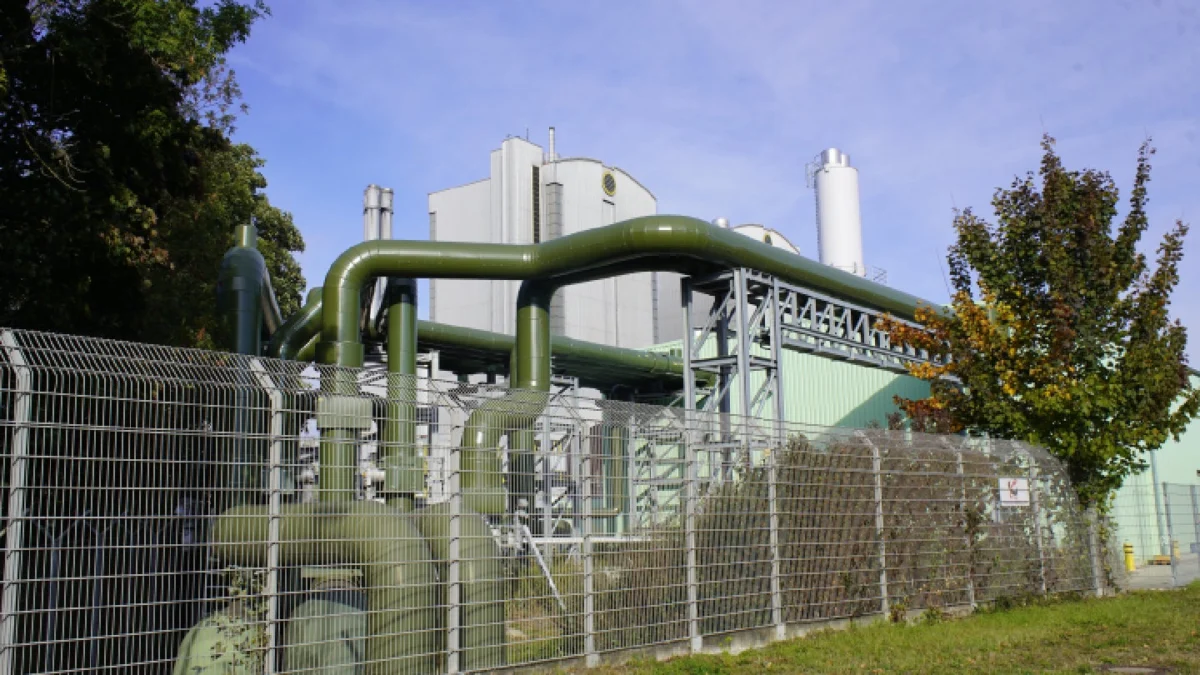
- Infrastructure Assets: The network comprises massive, centralized thermal plants and extensive subterranean pipe networks that deliver steam, hot water, and chilled water—a far more efficient and sustainable model than localized HVAC units for individual buildings.
Official Responses and Strategic Vision
The transition has been met with optimism by leadership, who view the change in ownership as a catalyst for the next phase of the company’s innovation roadmap.
Vicinity President and CEO Kevin Hagerty noted the collaborative nature of the transition: "We are grateful for the dedication of our employees, the trust of our customers, and to Antin for its partnership throughout this chapter of our growth. Together, we have built a strong foundation for success."
Regarding the road ahead, Hagerty emphasized that the change in ownership is intended to accelerate the company’s current trajectory rather than disrupt it: "This new partnership with Harrison Street Asset Management creates an opportunity to amplify that momentum through continued investment, innovation, and growth, while remaining steadfast in our commitment to operating safely, serving our customers reliably, and supporting the communities that depend on us."
The advisors facilitating this complex transaction include financial co-leads Evercore Group and TD Securities (USA), with Natixis (New York Branch) providing additional financial advisory services. Kirkland & Ellis served as legal counsel, ensuring the regulatory framework of the deal met the requirements for its expected 2027 closing.
Implications for the Energy Sector
The sale of Vicinity Energy to Harrison Street carries significant implications for the broader energy transition in the United States.
1. The Decarbonization of "Hard-to-Abate" Sectors
District energy systems, which traditionally relied on steam produced by natural gas or oil, are prime candidates for electrification. Vicinity’s "eSteam" technology represents a blueprint for how urban utility providers can pivot to net-zero without requiring the total demolition of existing infrastructure. By retrofitting central plants with large-scale heat pumps, these systems can leverage the shifting grid to provide green heating.
2. The Rise of "Essential Infrastructure" as an Asset Class
The $2.9 billion valuation highlights the increasing institutional interest in "essential infrastructure." In an era of economic volatility, assets that provide necessary, non-discretionary services—such as heating and cooling for hospitals and universities—are viewed as "safe-haven" investments. Harrison Street’s move suggests that large-scale asset managers are looking to deploy capital into utilities that offer long-term cash flow security combined with potential for technological optimization.
3. Urban Resilience
As climate change increases the frequency of extreme weather events, the role of centralized, resilient energy networks becomes critical. Unlike localized rooftop units, which are susceptible to individual building failure, Vicinity’s centralized systems offer higher reliability. This transaction signals a broader trend where institutional investors prioritize infrastructure that enhances urban resilience and reliability.
Conclusion: A Future-Proofed Portfolio
The acquisition of Vicinity Energy by Harrison Street is more than a simple change of hands; it is a validation of the district energy model in the 21st century. By combining the scale of Vicinity’s existing network with the investment capabilities of Harrison Street, the company is poised to become the definitive leader in sustainable urban utility services.
As the regulatory approvals process moves forward toward the 2027 target, all eyes will be on how the company manages the transition of its "eSteam" initiative to an even wider array of institutional clients. For the cities of Boston, Philadelphia, and beyond, this deal ensures that the essential utility services underpinning their economic and social health remain under the stewardship of an organization committed to growth, innovation, and the urgent necessity of the green energy transition.