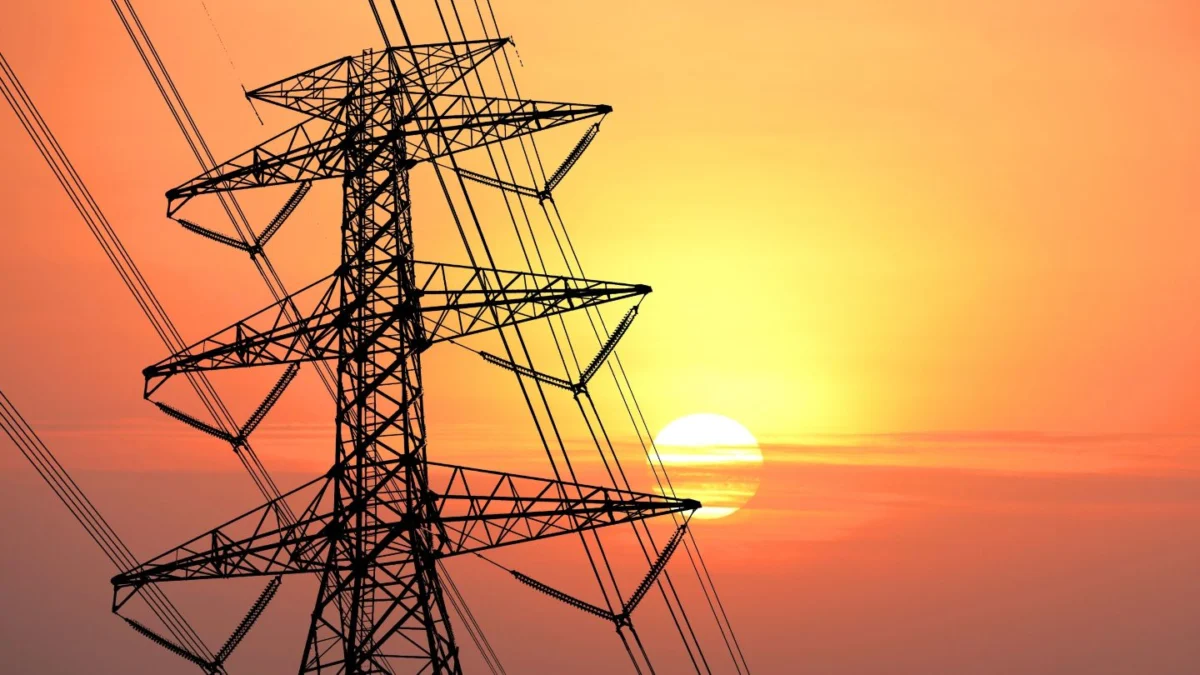
In a landmark move to unshackle the UK’s energy ambitions, the government has unveiled the "Great British Grid" (GBG), a new publicly owned entity designed to serve as the backbone for the nation’s electricity network modernization. Operating under the strategic umbrella of Great British Energy, the GBG is tasked with a singular, mission-critical objective: eliminating the chronic grid connection delays that have long stalled the transition to clean, domestic power.
As the UK pushes toward its goal of a decarbonized electricity system by 2030, the creation of the GBG represents a fundamental shift in how the country plans, funds, and executes large-scale infrastructure projects. By integrating public investment with private capital, the government intends to bypass the bottlenecks that have left hundreds of gigawatts of clean energy capacity languishing in administrative limbo.
The Genesis of a New Entity: Strategic Context
The establishment of the Great British Grid follows a period of intense scrutiny regarding the UK’s power infrastructure. For years, developers of wind, solar, and battery storage projects have faced wait times extending into the next decade, a reality that has frustrated investors and delayed the closure of fossil-fuel-reliant generation assets.
GBG will function as the infrastructure-focused arm of the existing Great British Energy framework. While the parent entity concentrates on energy generation, storage capacity, and the strengthening of domestic supply chains, the GBG will act as a dedicated delivery mechanism for the grid itself. By concentrating expertise in this new division, the government hopes to create a more agile, project-oriented body that can drive the deployment of high-voltage transmission lines and regional distribution upgrades.
The Department for Energy Security and Net Zero (DESNZ) has emphasized that this is not an attempt to replace existing regulators or system operators. Instead, the GBG is designed to function as an accelerant, complementing the regulatory oversight of Ofgem and the technical coordination provided by the National Energy System Operator (NESO).
Chronology of Reform: From Bottlenecks to Breakthroughs
The creation of the GBG is the culmination of a concerted effort by the current administration, in partnership with industry stakeholders, to address the "queue crisis."
- Mid-2024: Following the change in government, a renewed emphasis was placed on the "clean energy mission." The government identified grid connectivity as the primary "choke point" for economic growth.
- Late 2024: Collaborative efforts began between DESNZ, NESO, and Ofgem to audit the existing connections queue. The investigation revealed that a massive portion of the queue was occupied by "zombie projects"—speculative applications that lacked the financing or land rights to proceed.
- Early 2025: A series of regulatory reforms were initiated to purge the queue, successfully removing over 300GW of speculative capacity. This "culling" was essential to ensure that viable, shovel-ready projects could receive priority access to the grid.
- September 2026: The official launch of the Great British Grid (GBG) was announced, marking the transition from a purely regulatory approach to a proactive, state-led investment strategy.
Supporting Data: The Case for Urgent Reinforcement
The urgency behind the GBG is underscored by the sheer scale of the energy transition. Data from NESO and independent analysts suggest that the UK’s demand for electricity could double by 2050 as transport and heating systems shift away from oil and gas.
Key Data Points:
- The 300GW Audit: The removal of 300GW of speculative capacity from the connection queue was a vital first step, but it revealed the inefficiency of the previous "first-come, first-served" model.
- Efficiency Benchmarks: By adopting international best practices, such as the self-build connection options utilized in Ireland, the UK government estimates that it can reduce total project connection timelines by up to 11 months.
- Financial Leverage: While initial funding for the GBG is being drawn from the existing Great British Energy budget, the government anticipates that the unit will leverage private sector capital at a ratio of several pounds of private investment for every pound of public money spent.
Strategic Pillars of the Great British Grid
The GBG will operate on three core pillars designed to fundamentally change how the UK grid is built:
1. Expanding Self-Build Options
One of the most radical departures from traditional practice is the expansion of self-build options. Historically, developers were required to wait for network operators to build connections. Under the new GBG framework, developers and large industrial businesses will have more latitude to construct their own grid connections, provided they meet strict safety and technical standards. This decentralization of construction is expected to alleviate pressure on network operators and allow projects to proceed at the pace of the developer rather than the pace of the utility company.
2. Competitive Tendering for Transmission
The GBG is set to advance competitive tendering for major transmission projects. By opening the market to a wider range of organizations—including GB Energy itself—the government aims to drive down costs through competition. This model is expected to spark innovation, as different players bring new engineering solutions to the table, and ultimately lower the costs passed on to consumers.
3. Integrated Planning and Delivery
Perhaps the most significant value-add of the GBG is its ability to bridge the gap between "planning" and "building." By coordinating with NESO, which plans the grid at a macro level, the GBG will ensure that infrastructure investment is not just reactive to developer demand, but proactive in anticipating where capacity is needed most, particularly in regions with high concentrations of renewable resources.
Official Responses and Stakeholder Sentiment
The government’s announcement has been met with a mix of cautious optimism and intense interest from the private sector.
A spokesperson for the Department for Energy Security and Net Zero stated: "The creation of the Great British Grid is a statement of intent. We are moving from a system that asks ‘if’ we can connect to one that asks ‘how fast’ we can connect. This is essential not just for our net-zero targets, but for the fundamental economic health of the nation. By providing cheaper, cleaner energy, we are insulating British households from the volatility of international gas markets."
Industry groups, including trade bodies representing wind and solar developers, have welcomed the news, noting that the "regulatory clarity" provided by the GBG is exactly what investors have been demanding. However, some voices within the engineering sector have called for transparency regarding how the GBG will manage the interface with existing Distribution Network Operators (DNOs) to avoid administrative friction.
Implications for the Energy Transition and the Economy
The launch of the GBG is expected to have profound implications for the UK’s trajectory.
Economic Growth
The connection queue has long been cited as a drag on GDP. By unblocking major renewable projects, the GBG is essentially unlocking billions of pounds in stalled investment. This investment flows into local supply chains, manufacturing of turbines and cables, and the creation of skilled jobs in the green economy.
Energy Security
The current grid configuration is a legacy of a centralized, fossil-fuel-dominated system. The transition to decentralized, intermittent renewable sources requires a more robust, "smarter" grid. The GBG’s focus on modernization will allow for the integration of battery storage and demand-side response technologies, which are critical for maintaining grid stability as coal and gas plants are phased out.
The Consumer Impact
While infrastructure investment is costly, the government argues that the long-term cost of inaction—defined by high energy prices and energy insecurity—is far greater. By modernizing the grid, the GBG aims to reduce the "curtailment" of renewable energy. Currently, the UK pays millions to wind farms to turn off during periods of high output because the grid cannot handle the power. Minimizing this waste will directly contribute to lower wholesale energy prices.
Conclusion: A New Era for UK Power
The Great British Grid is more than just a new department; it is an acknowledgment that the traditional model of energy infrastructure development is no longer sufficient for the demands of the 21st century. By prioritizing speed, competition, and public-private synergy, the government is attempting to modernize a vital component of the nation’s circulatory system.
As the GBG begins its operations, the eyes of the energy sector will be fixed on its ability to navigate the complex regulatory environment and deliver tangible results on the ground. If successful, the initiative will not only accelerate the UK’s path to net-zero but also provide a blueprint for other nations grappling with the complexities of grid modernization in an era of rapid energy transition. For the British consumer, the hope is that the Great British Grid will eventually pave the way to a more secure, affordable, and sustainable energy future.