Introduction: A Turning Point for the Energy Transition
In a landmark development for South-Eastern Europe’s renewable energy landscape, Rezolv Energy—the independent power producer backed by global investment heavyweights Actis and Mubadala—has successfully energized the first phase of the VIFOR Wind Farm. Located in the Buzău County of Romania, this 192MW milestone marks the largest new wind energy project commissioned in the country in more than a decade.
The commissioning of the first phase serves as a powerful signal that the Romanian wind sector, which had remained largely stagnant following a period of rapid expansion between 2010 and 2015, is entering a new era of growth. As the nation aligns its energy infrastructure with the ambitious climate goals of the European Union, the VIFOR project stands as a testament to the viability of large-scale, private-sector-led decarbonization efforts.
Main Facts: Engineering the VIFOR Project
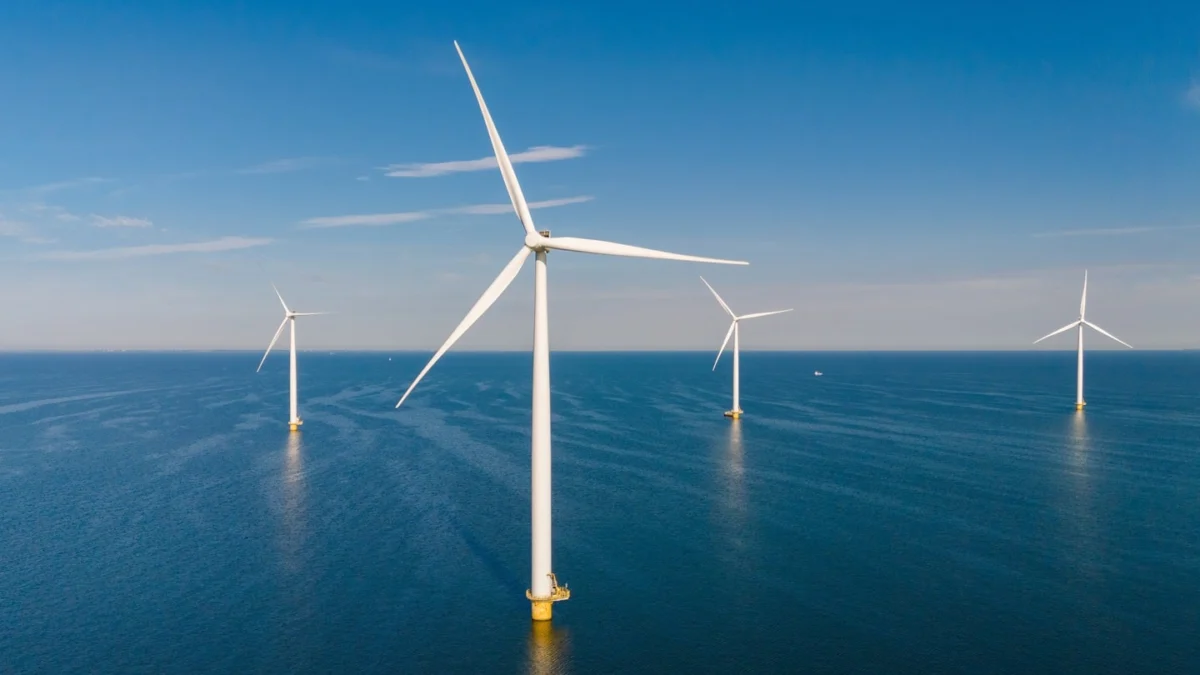
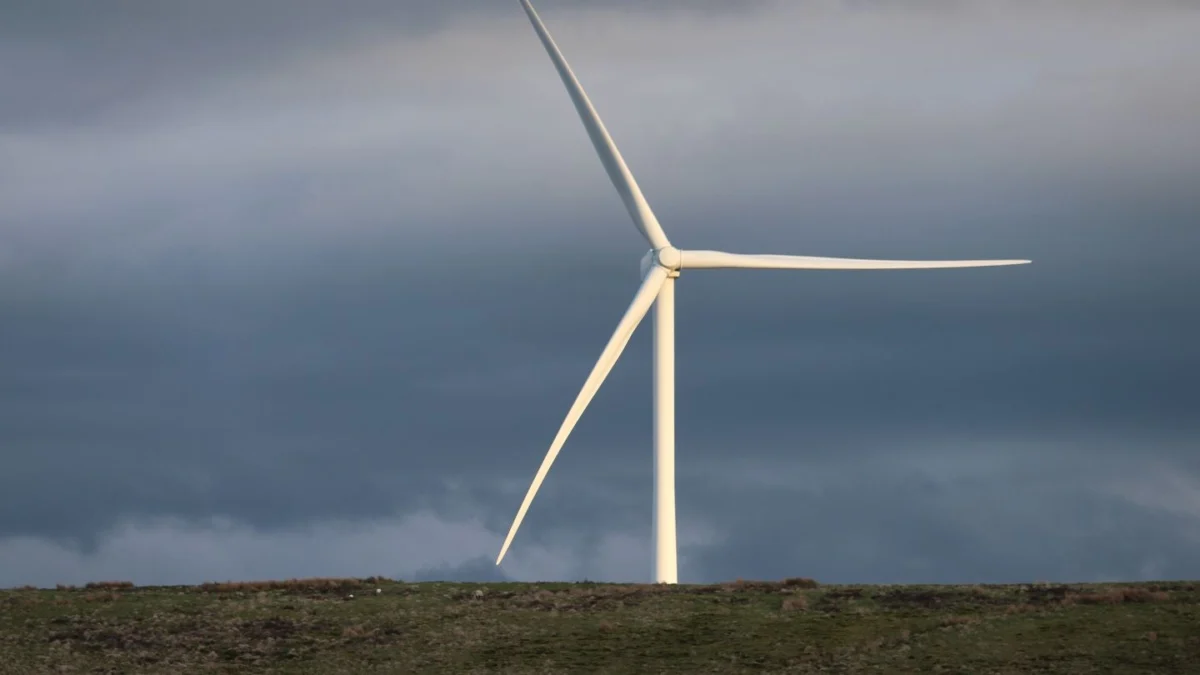
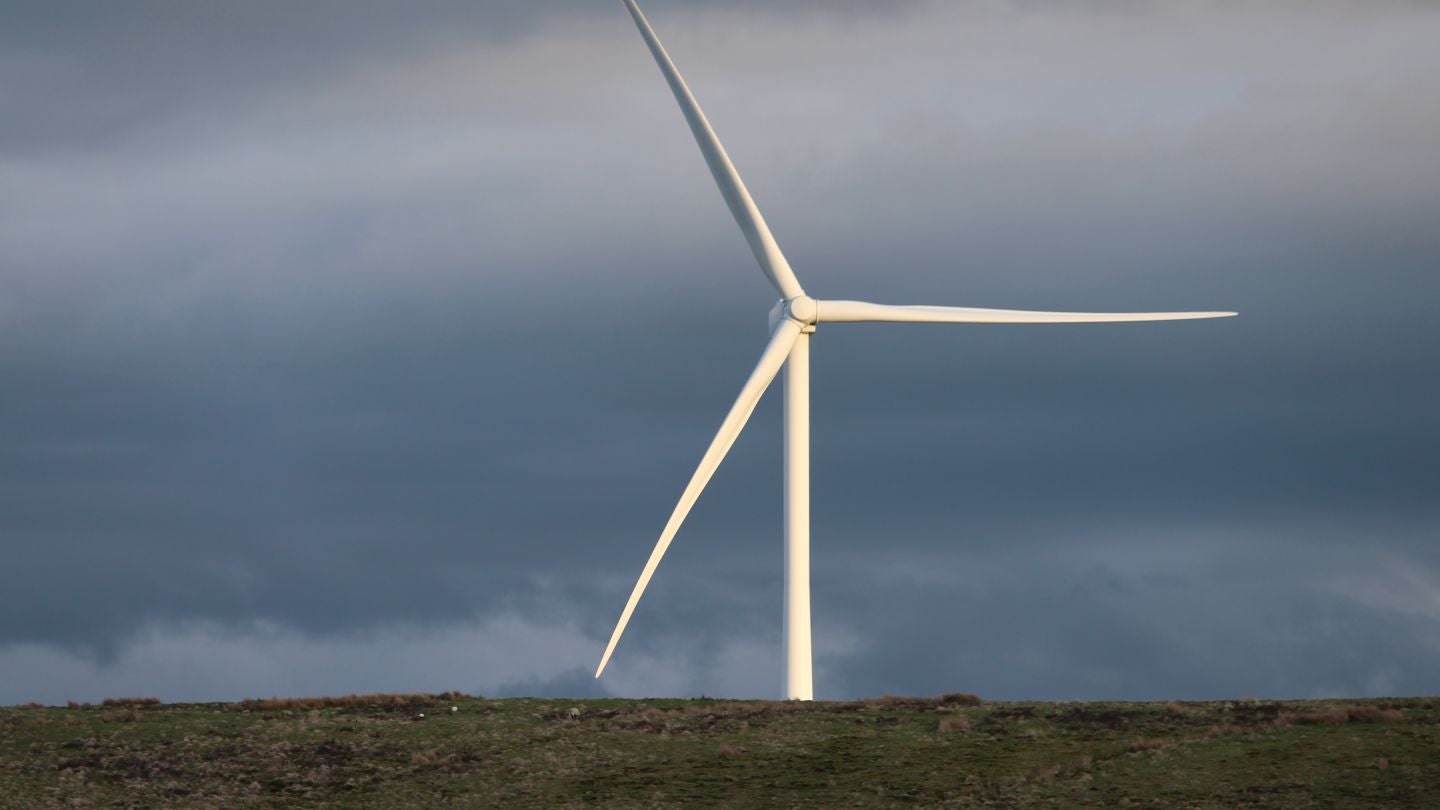
The first phase of the VIFOR development is an engineering feat of significant proportions. It comprises 30 state-of-the-art Vestas V162 turbines, each boasting a rated capacity of 6.4MW. These turbines, which feature impressive 166-meter towers and a 162-meter rotor diameter, were installed under the guidance of Vestas, which served as the primary engineering, procurement, and construction (EPC) partner.
The scale of the project is immense, but it is only the beginning. Upon the completion of the second phase in 2027, the VIFOR Wind Farm is projected to reach a total capacity of 461MW. This will secure its position among the largest onshore wind installations in Europe. Once fully operational, the wind farm is expected to generate enough electricity to power more than 270,000 households annually, while concurrently preventing approximately 540,000 tonnes of CO2 equivalent emissions every year.
Chronology: The Journey to Commissioning
The realization of the VIFOR project is the result of a deliberate, multi-year strategy aimed at accelerating the energy transition in South-Eastern Europe.
The Path to Inauguration
The journey for Rezolv Energy has been marked by rapid execution and strategic foresight. Following the successful commissioning of the 225MW St. George solar park in Silistra, Bulgaria, in May 2026, VIFOR represents the second major asset in the company’s operational portfolio. The inauguration event for phase one, held in Buzău County, was attended by high-level representatives of the Romanian Government and local community leaders, highlighting the project’s strategic importance to the national grid.
Financing Milestones
The project’s financial structure is as robust as its engineering. The first phase secured up to $327.4 million (€291 million) from a consortium of eight international lenders. This group is led by the European Bank for Reconstruction and Development (EBRD), Erste Group, and UniCredit Group. Other significant participants include the International Finance Corporation (IFC), Intesa Sanpaolo Group, OTP Bank, Raiffeisen Bank International, and Garanti BBVA Romania.
Furthermore, the momentum has carried into the second phase, for which an additional €331 million in financing facilities has already been secured, largely from the same group of lenders. This level of confidence from the global financial community underscores the bankability of Romania’s wind energy sector and Rezolv’s operational model.
Supporting Data: Economic and Environmental Impact
To understand the significance of VIFOR, one must look at the broader context of Romania’s energy goals.
Bridging the Gap to 2030
Romania’s current installed wind capacity stands at just over 3GW. However, the nation has set a target of 7.3GW by 2030, as outlined in the country’s National Energy and Climate Plan (NECP). The VIFOR project acts as a vital bridge toward these objectives. By contributing nearly 0.5GW of capacity, the project provides a substantial boost to the government’s efforts to decarbonize the industrial sector and reduce reliance on imported fossil fuels.
Commercial Viability and PPA Strategy
The project’s sustainability is underpinned by a forward-thinking commercial strategy. Rezolv Energy has successfully signed six long-term power purchase agreements (PPAs), securing off-take for more than 350GW-hours per year. Notable corporate partners, such as T-Mobile Czech Republic and Bekaert, have committed to these agreements. Such contracts provide the long-term price certainty required to justify such massive capital expenditures, insulating both the project and the consumers from the inherent volatility of wholesale energy markets.
Official Responses: Voices of Leadership
The atmosphere at the inauguration was one of optimism and pride. Alastair Hammond, CEO of Rezolv Energy, expressed the company’s long-term vision during the event:
"Rezolv was established to be a leader of the energy transition across South-Eastern Europe, so it is a proud moment to be energising Romania’s largest new wind project in more than a decade. With multiple gigawatts of new wind capacity now in development across the country, we will look back on VIFOR as marking the start of a new era for wind energy in Romania."
This sentiment reflects the company’s broader commitment to the region. With the recent final legal approval of the Dama Solar project in Arad County, obtained in August 2026, Rezolv is clearly signaling that it intends to be a permanent and dominant fixture in the Romanian energy market for the coming decades.
Implications: A New Era for the Balkan Energy Sector
The success of VIFOR sends a clear message to international investors and domestic stakeholders alike.
Reviving the Wind Sector
The "stalled" years of 2015–2025 are now firmly in the rearview mirror. The regulatory, financial, and logistical barriers that once hindered renewable development in Romania have been systematically addressed. The VIFOR project demonstrates that the Romanian landscape is not only geographically advantageous—thanks to its significant wind corridors—but also increasingly stable from a policy perspective.
The Multiplier Effect
The development of VIFOR is likely to trigger a "multiplier effect" across the local economy in Buzău County and beyond. Beyond the immediate construction and operation jobs created, the project stimulates secondary industries, including logistics, grid maintenance, and technical consulting.
Furthermore, the project serves as a case study for how to successfully navigate the complex regulatory frameworks of the European Union. By leveraging international finance, local and regional expertise, and top-tier turbine technology, Rezolv has created a template for future developers to follow.
The Road Ahead
As the world moves toward a net-zero future, the importance of projects like VIFOR cannot be overstated. By providing a reliable, sustainable, and competitively priced source of electricity, VIFOR helps stabilize the grid, encourages corporate decarbonization through PPAs, and provides the necessary capacity to support the electrification of transport and heating.
The transition is no longer a theoretical goal for Romania; it is a physical reality taking shape in the hills of Buzău. With the second phase of VIFOR set for completion in 2027, and a pipeline of solar projects like Dama Solar already in the works, the narrative of Romanian energy is being rewritten in real-time. The country is moving from a legacy of dependency to a future of leadership, positioning itself as a central hub for renewable energy in the heart of Europe.
For the residents, the workers, and the corporate partners involved, the VIFOR Wind Farm represents more than just turbines—it represents a tangible commitment to a cleaner, more prosperous, and more sustainable future. As Alastair Hammond noted, this is not just the completion of a project; it is the dawn of an era.