In a significant move to harmonize the demands of high-performance athletics with academic and professional development, the Finnish government has placed the “dual career” model at the center of its national sports policy. On September 29, 2026, a high-level roundtable meeting, convened by Minister of Education Anders Adlercreutz and Minister of Sport and Youth Mika Poutala, marked a turning point in how the nation views the lifecycle of its athletes.
The initiative aims to dismantle the traditional binary choice between chasing a podium finish and securing a stable future. By fostering an environment where rigorous training and academic achievement coexist, the government hopes to ensure that Finland’s elite athletes are not only competitive on the global stage but are also prepared for a successful transition into the civilian labor market once their competitive days conclude.
The Core Mandate: Why Dual Careers Matter
The concept of a “dual career” is rooted in the recognition that athletic talent is finite, while professional life is long. The current Finnish government has committed to structural changes that view sports participation not as a distraction from education, but as a component of a holistic life path.
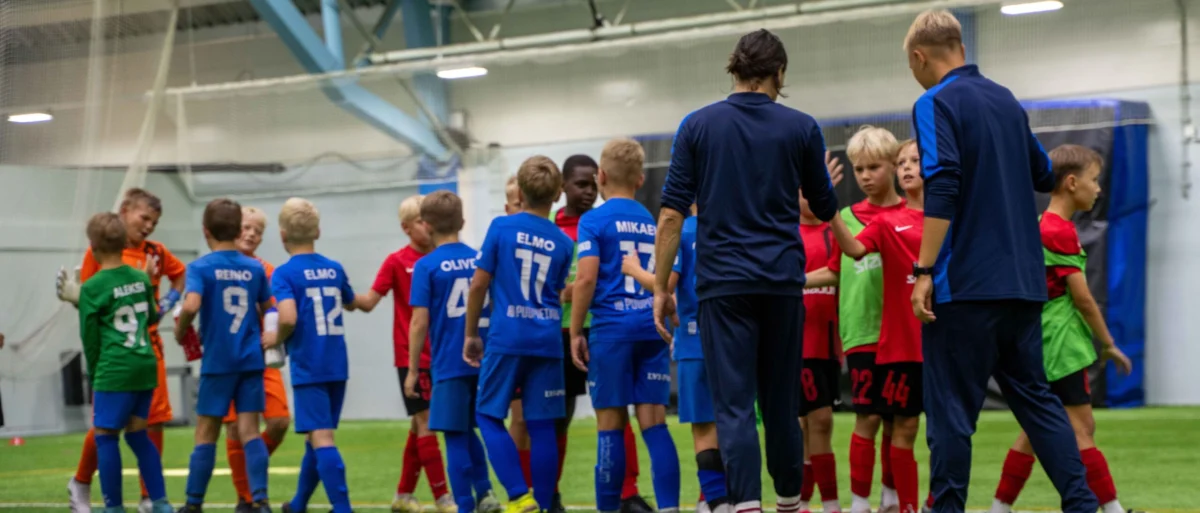
The primary objective is to create a seamless ecosystem where academic institutions, sports academies, and cities work in tandem. This means that a track star or a hockey prodigy should not have to sacrifice their degree to attend a training camp, nor should their academic progress be penalized by the travel demands of international competition.
Chronology of the September 29 Summit
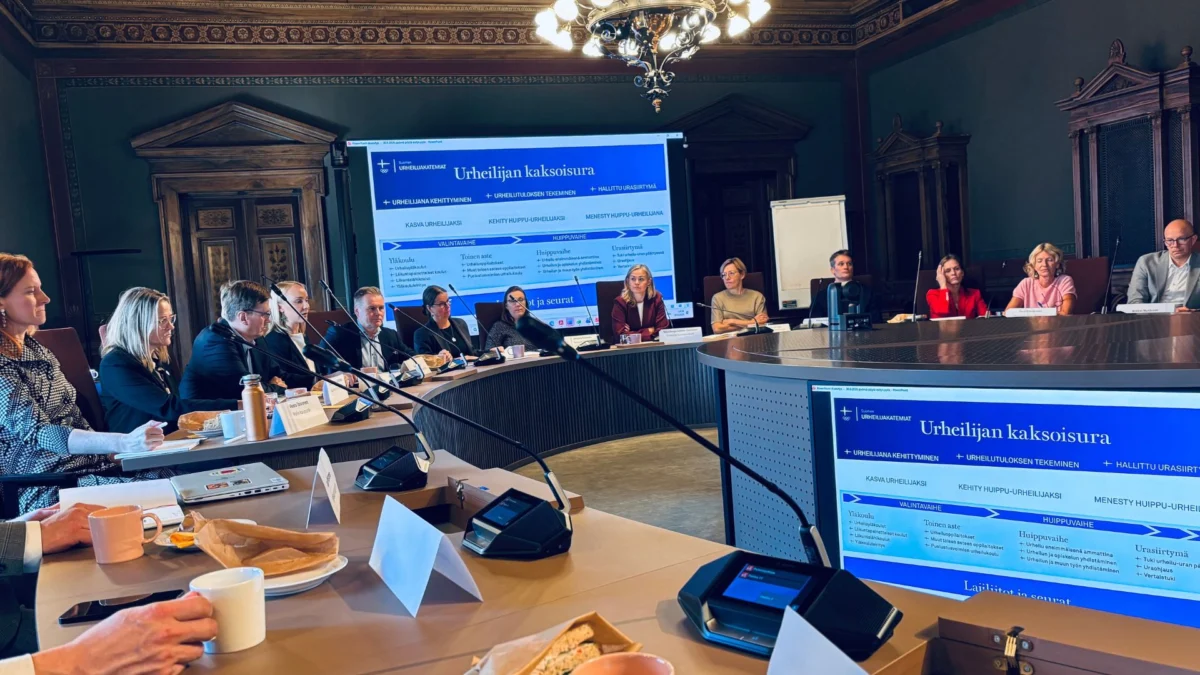
The roundtable discussion held on September 29, 2026, served as the focal point for stakeholders ranging from policy architects to the athletes themselves.
- Morning Session: Stakeholder Alignment: The day began with a briefing from the Research Institute for Olympic Sports (KIHU), which presented findings on the current state of regional sports academies. The core recommendation was clear: the sustainability of the national model depends on long-term, predictable funding for the regional academy network.
- Mid-Day Discussion: Identifying Bottlenecks: Ministers Adlercreutz and Poutala facilitated sessions where representatives from vocational schools, universities, and municipal leaders debated the current frictions in the system. The consensus was that while the infrastructure exists, the “hand-off” between different levels of education—secondary to higher education—remains a vulnerability.
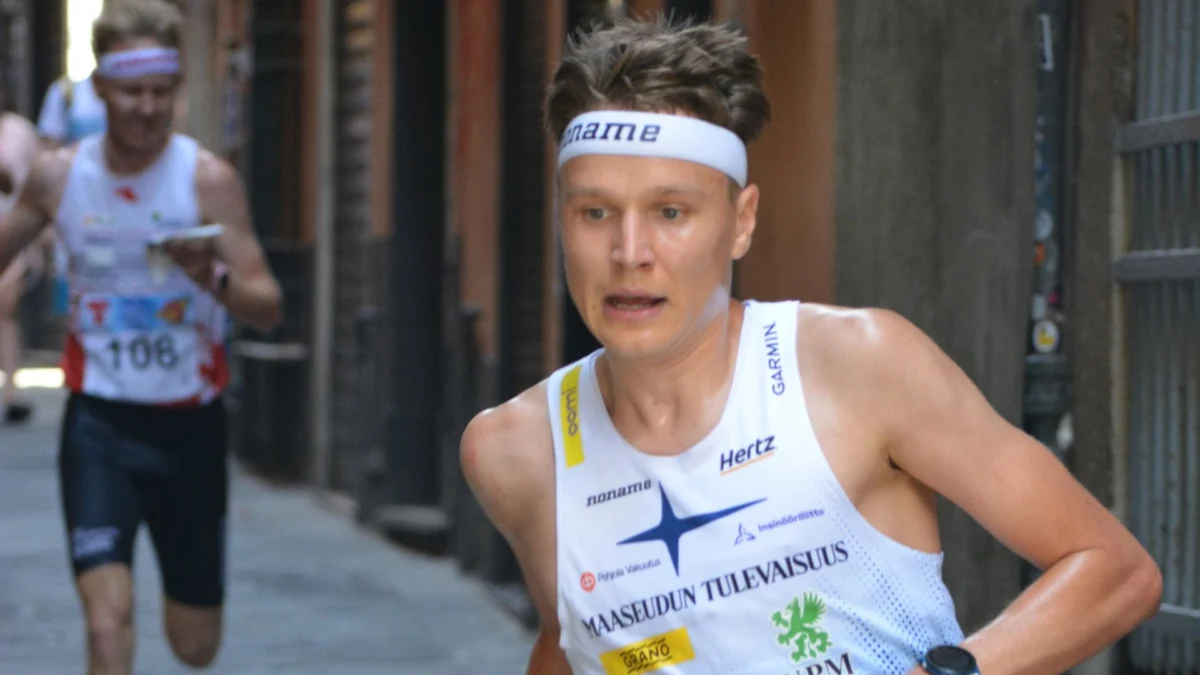
- Afternoon Session: The Athlete’s Voice: The highlight of the summit was a direct consultation with elite athletes Nathalie Blomqvist, Elmo Lakka, and Nette Kiviranta. These athletes provided ground-level testimony on how institutional rigidities often force them to choose between their sport and their future.
Supporting Data and the KIHU Recommendations
The Research Institute for Olympic Sports (KIHU) has provided the evidentiary backbone for the government’s recent policy shifts. Their latest study underscores that the success of the dual career model is directly proportional to the flexibility of the local educational environment.
Key Findings:
- Funding Continuity: The study revealed that when sports academies rely on short-term, project-based funding, the quality of support services (coaching, physiotherapy, mental health support) fluctuates, impacting athlete performance and retention.
- Institutional Variability: The study highlighted that there is currently a "lottery of support," where an athlete’s success depends on whether their specific school or municipality is "sports-friendly."
- Economic Impact: Data indicates that athletes who successfully complete dual careers report lower levels of career-transition anxiety and higher rates of post-sport employment, contributing more effectively to the national economy.
Official Responses and Ministerial Perspectives
Minister of Education Anders Adlercreutz
Minister Adlercreutz emphasized the importance of nuance in the education sector. "For many young people, sport is the anchor of their lives," he stated during the roundtable. "While our current model is internationally recognized as robust, we cannot afford to be complacent. We need to distinguish clearly between the needs of a dedicated high-performance athlete and those pursuing a physically active lifestyle. Both are valid, but they require different institutional frameworks."
Adlercreutz highlighted that the goal is not to lower academic standards, but to introduce a "flexibility buffer" that allows athletes to decelerate their studies during peak competition seasons and accelerate them during the off-season.
Minister of Sport and Youth Mika Poutala
Minister Poutala, himself a former Olympic athlete, brought a unique perspective to the table. Drawing from his own experiences in the grueling world of speed skating, Poutala advocated for a more empathetic and agile approach.
"The system works, but it needs to be made seamless," Poutala noted. "The goal is to ensure that when an athlete walks away from the track, the ice, or the field, they have the qualifications to walk straight into a meaningful career. Our job as ministers is to remove the structural barriers that make that transition difficult."
The Athletes’ Perspective: From Theory to Reality
For Nathalie Blomqvist, Elmo Lakka, and Nette Kiviranta, the government’s commitment is a welcome change. Their feedback focused on the "invisible" costs of elite sports—the erratic schedules, the mental fatigue, and the lack of understanding from academic staff who may not grasp the professional nature of modern sports training.
- The "Semester Problem": Athletes pointed out that academic calendars are fixed, whereas training cycles are fluid. They argued for modular course structures that can be paused or condensed without penalty.
- The Requirement for Customization: A common theme was that there is no "one-size-fits-all" solution. A team-sport athlete has different scheduling needs than an individual endurance athlete, and policies must reflect this diversity.
Implications for the Future of Finnish Sports
The government’s plan, which has already seen the doubling of funding for vocational training for athletes, signals a long-term shift. By codifying sport as a legitimate reason for extending student aid, the government is effectively de-stigmatizing the "extra time" needed to complete a degree while competing.
1. Structural Policy Changes
The government’s commitment to funding regional sports academies ensures that athletes in smaller towns have access to the same caliber of facilities and support as those in metropolitan centers. This "regional equity" is vital for the long-term health of Finnish sports.
2. The Cultural Shift
Perhaps the most significant implication is cultural. By involving both the Ministry of Education and the Ministry of Sports, the government is signaling that sport is an integral part of human capital development, not a hobby separate from productivity. This could lead to a broader societal recognition of the transferable skills athletes acquire: discipline, resilience, time management, and the ability to perform under pressure.
3. Economic and Societal Gains
When athletes are supported, the country benefits from a more skilled, resilient workforce. The "dual career" is an investment in the human capital of the nation. If Finland can successfully institutionalize these reforms, it could become a global benchmark for how a small nation can punch above its weight in both the Olympic medal count and the global labor market.
Conclusion: A Path Forward
The discussions on September 29 were not merely symbolic. They provided a roadmap for concrete legislative and administrative adjustments. As the government continues to finalize its strategies, the focus will remain on the athlete as a holistic individual.
The path ahead requires sustained cooperation between educational institutions and sports bodies. If the promise of the 2026 roundtable is fulfilled, the future Finnish athlete will no longer face the agonizing choice between their passion and their potential. Instead, they will be empowered to pursue both, ensuring that the legacy of their sports career is not just a collection of medals, but a foundation for a lifelong, successful, and fulfilling career.
As the government moves into the next phase of policy implementation, the eyes of the international sports community remain fixed on Helsinki. By treating the athlete as a student and the student as an athlete, Finland is not just investing in sports; it is investing in the future of its youth.