The landscape of Australia’s Hunter Valley—a region historically defined by the soot and steel of the coal industry—is undergoing a profound metamorphosis. In a landmark development for the nation’s renewable energy sector, e-STORAGE, a subsidiary of Canadian Solar, has been selected to supply and commission a 100MW/200MWh battery energy storage system (BESS) for OX2’s Muswellbrook Solar Farm and Battery project in New South Wales.
This project represents more than just a grid-scale infrastructure investment; it is a symbolic and functional bridge between Australia’s fossil-fuel past and a decarbonized future. By leveraging advanced lithium-iron-phosphate (LFP) technology and proprietary management software, the project is designed to ensure grid stability as the region’s traditional coal-fired power stations move toward their scheduled retirement in the early 2030s.
Main Facts: A Strategic Hybrid Infrastructure
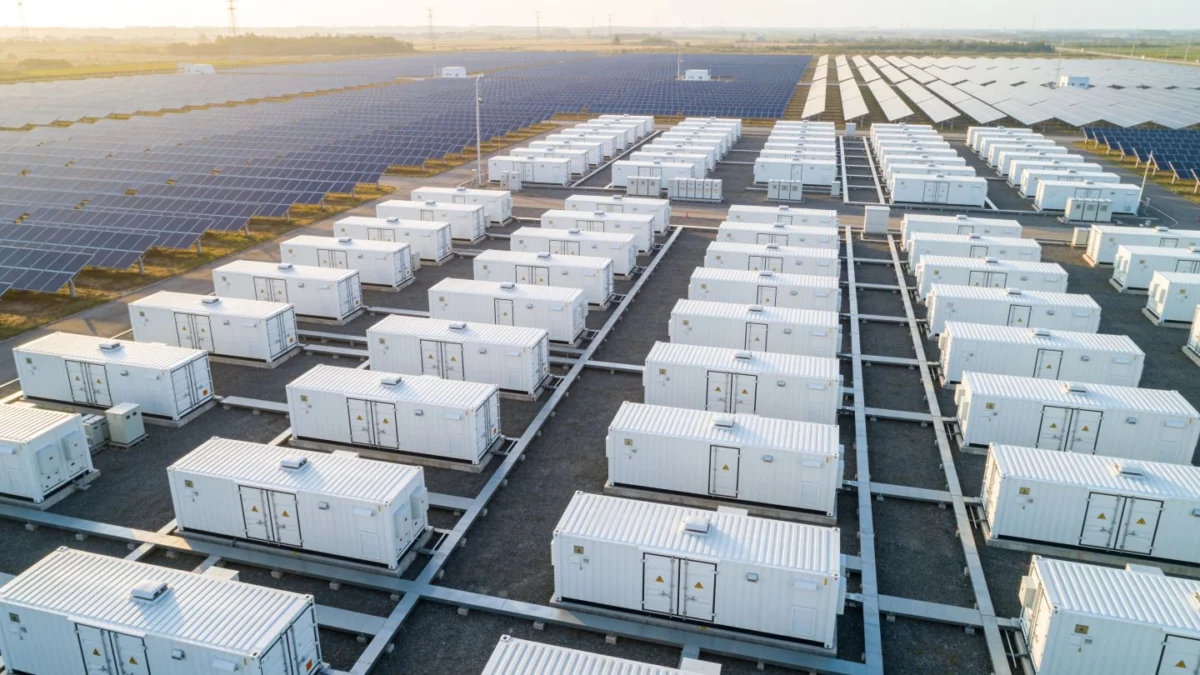
The Muswellbrook project, situated roughly 2.5 kilometers east of Muswellbrook in the Hunter-Central Coast Renewable Energy Zone (REZ), is a testament to the viability of hybrid energy systems. By co-locating solar generation with high-capacity battery storage, developers can solve the "intermittency challenge" that has long plagued solar energy.
Key technical specifications of the project include:
- Capacity: A 100MW/200MWh battery system, providing two hours of full-load energy discharge.
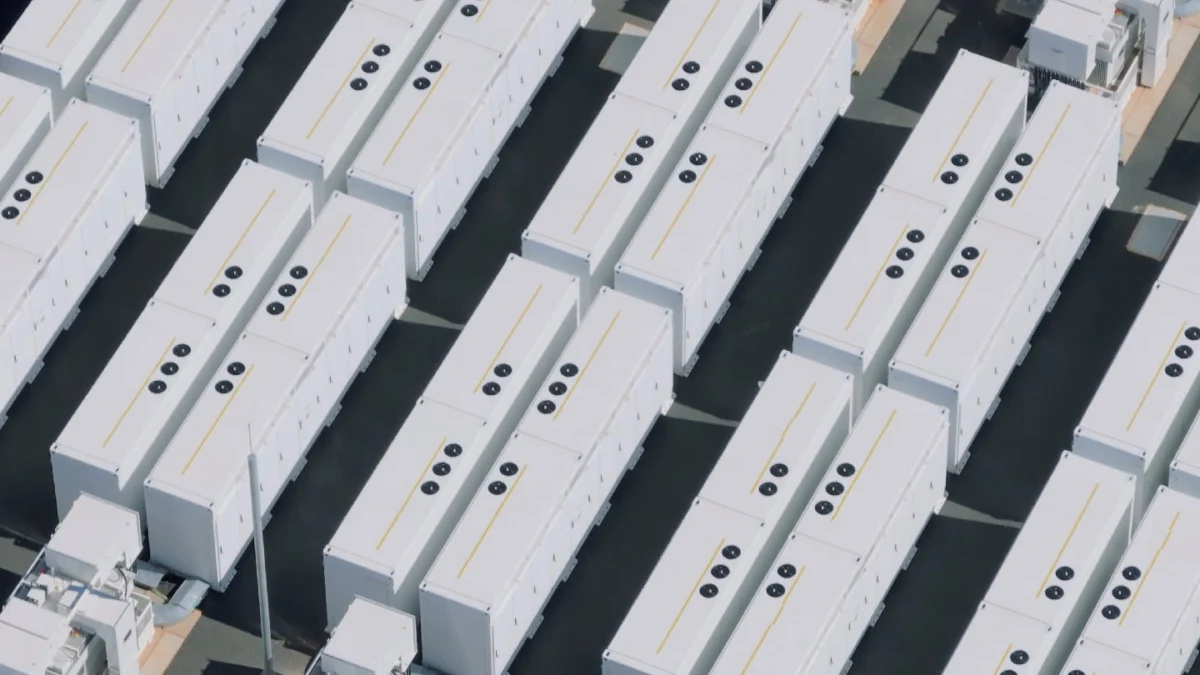
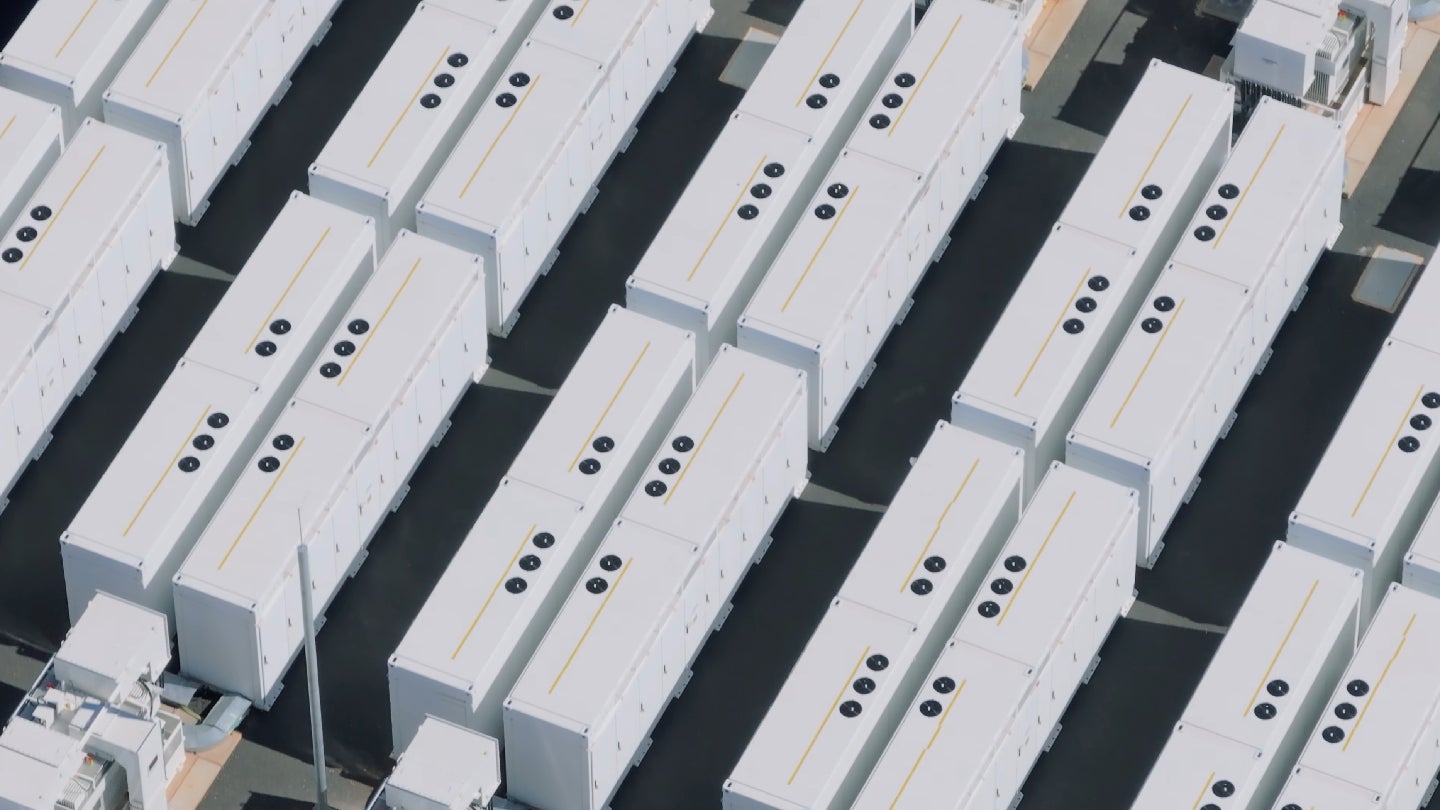
- Technology: Deployment of the SolBank 3.0 battery container system, integrated with state-of-the-art power conversion units and plant controls.
- Software: Utilization of the EQ-S Energy Management System, engineered by e-STORAGE’s North American software division.
- Accountability: A 20-year long-term service agreement, ensuring a single-provider approach to hardware, software, and system performance.
- Vertical Integration: Canadian Solar maintains full oversight, manufacturing the battery cells and SolBank units internally to ensure stringent quality control and supply chain transparency.
Chronology: The Path to Commercialization
The project roadmap is meticulously planned to align with the decommissioning timelines of nearby coal infrastructure.
- Q3 2027: The commencement of equipment delivery. Canadian Solar will mobilize the logistical pipeline to transport the SolBank 3.0 containers to the Hunter Valley site.
- Integration Phase: Throughout late 2027 and early 2028, e-STORAGE will oversee the R1 grid connection studies—a critical regulatory milestone in the Australian National Electricity Market (NEM)—while managing the integration of the hybrid power plant controller.
- Q3 2028: The anticipated date for full commercial operation. By this time, the system will be fully commissioned and synchronized with the co-located solar farm to begin firming renewable energy supply for the grid.
Supporting Data: The Anatomy of a Modern BESS
The decision to utilize the SolBank 3.0 platform reflects a broader trend in the utility-scale energy sector toward vertical integration. Unlike projects that rely on third-party aggregators for hardware and software, the Muswellbrook installation benefits from a unified technological stack.
The SolBank 3.0 Advantage
The SolBank 3.0 is designed for high-density energy storage, utilizing LFP (Lithium Iron Phosphate) chemistry. LFP is increasingly favored in utility projects for its thermal stability and longer cycle life compared to traditional nickel-manganese-cobalt (NMC) chemistries. By manufacturing these cells in-house, Canadian Solar eliminates the "black box" variable often found in multi-vendor projects, allowing for seamless communication between the battery hardware and the EQ-S Energy Management System.
The EQ-S Energy Management System (EMS)
The EQ-S system acts as the "brain" of the Muswellbrook facility. Its primary function is to manage the flow of electrons between the solar array, the battery banks, and the grid. In a market where electricity prices can fluctuate based on supply and demand in real-time, the EQ-S optimizes charge and discharge cycles to maximize revenue for OX2 while providing essential grid services such as frequency control and voltage regulation.
Official Responses and Industry Vision
The announcement has been met with optimism from stakeholders who see the Muswellbrook project as a blueprint for the "Just Transition" of coal-dependent communities.
Jeff Roy, President of e-STORAGE, highlighted the strategic importance of the regional transition:
"Australia’s energy transition is being decided in regions like the Hunter, where storage now has to carry the load that retiring coal once did. We control this project from the cell through to our own energy management software and 20 years of service, which means OX2 has one partner accountable for how the system performs over its full life."
This sentiment underscores the growing demand for "turnkey" solutions. In the current global economic climate, project developers like OX2 are prioritizing risk mitigation. By locking in a 20-year service arrangement with e-STORAGE, OX2 effectively offloads the technical burden of maintenance, system degradation management, and software updates to the original manufacturer.
Implications for the Energy Market
The Muswellbrook project carries significant implications for both the local New South Wales economy and the broader Australian National Electricity Market.
1. The Death of the "Dunkelflaute" Fear
Critics of renewable energy often point to periods of low wind and sun (the German term Dunkelflaute) as a barrier to 100% renewable energy grids. The two-hour storage capability of the Muswellbrook BESS is designed specifically to capture excess midday solar generation and "firm" it for the high-demand evening peak. This transformation of variable solar power into a reliable, dispatchable asset is the final piece of the puzzle for replacing coal baseload power.
2. Repurposing Brownfield Sites
The project’s location on land that formerly housed a coal mine is highly symbolic. Australia is currently grappling with the remediation of former mining sites. By repurposing these industrial zones for renewable energy, developers can utilize existing grid infrastructure (such as substations and transmission lines), significantly reducing the cost and environmental impact of new power infrastructure.
3. Vertical Integration as a Competitive Edge
The industry is watching Canadian Solar’s vertical integration strategy closely. By maintaining control over the entire value chain—from cell production to the software interface—Canadian Solar is positioning itself as a "one-stop-shop" for utilities. If the Muswellbrook project succeeds in meeting its performance metrics, it will likely set a new benchmark for procurement processes in the Asia-Pacific region.
Conclusion: A Blueprint for the Future
The Muswellbrook Solar Farm and Battery project is a harbinger of the structural changes occurring in global energy markets. As the world moves away from carbon-intensive generation, the focus shifts to the reliability of supply. Through the partnership between e-STORAGE and OX2, the Hunter Valley is demonstrating that a transition from coal to renewable energy does not have to result in a loss of grid reliability.
With the first equipment shipments slated for 2027 and commercial operations expected by 2028, the project stands as a major milestone for Canadian Solar and a critical asset for the New South Wales energy sector. As these batteries begin to store the sun’s energy on the grounds where coal once fueled the nation’s growth, they serve as a potent symbol of the ongoing industrial revolution—a transition that is faster, smarter, and more sustainable than ever before.
This project reinforces the trajectory of Canadian Solar’s global portfolio, which recently saw the company’s subsidiary, Recurrent Energy, secure $695 million in financing for the 330MW Cobalt Solar facility in California. As these international projects reach fruition, they cement the company’s role as a primary architect of the global energy transition.