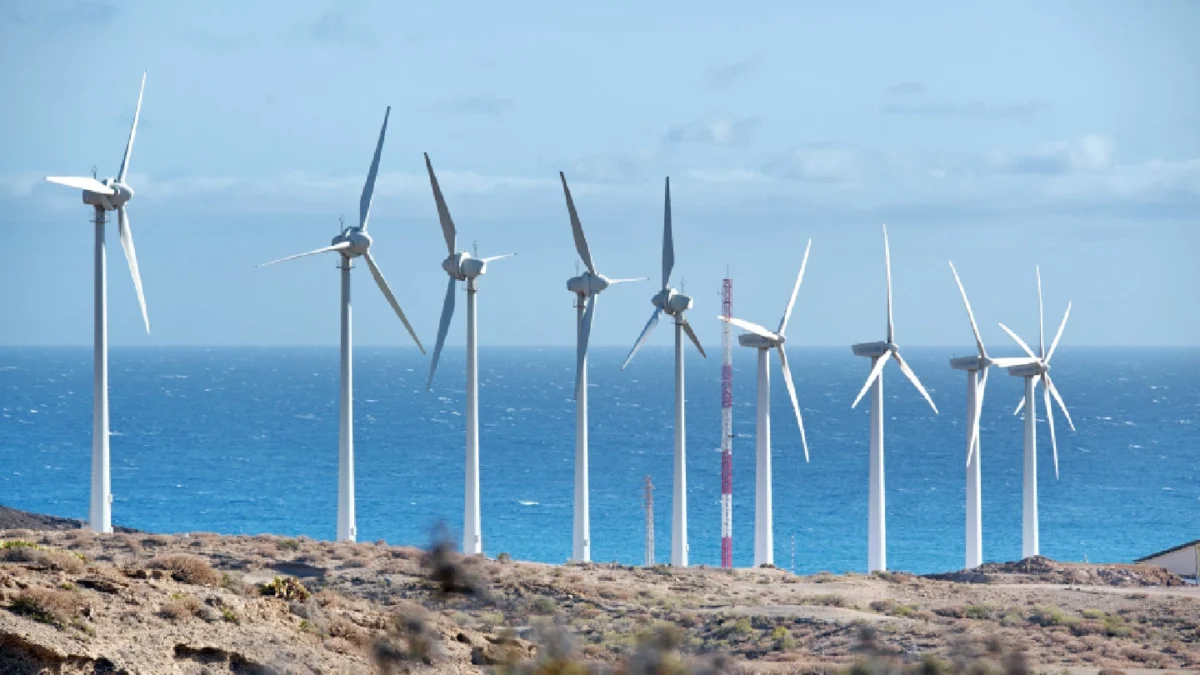
Renewable energy developer Energiekontor has reached a significant milestone in its German expansion strategy, securing permits for four new wind park projects. The approvals, granted under the stringent German Federal Immission Control Act (BImSchG), represent a combined generation capacity of approximately 142MW. This development underscores the company’s resilience in navigating the complex regulatory landscape of the European energy market and reinforces its position as a leading force in the transition to sustainable power.
Main Facts: A Strategic Capacity Surge
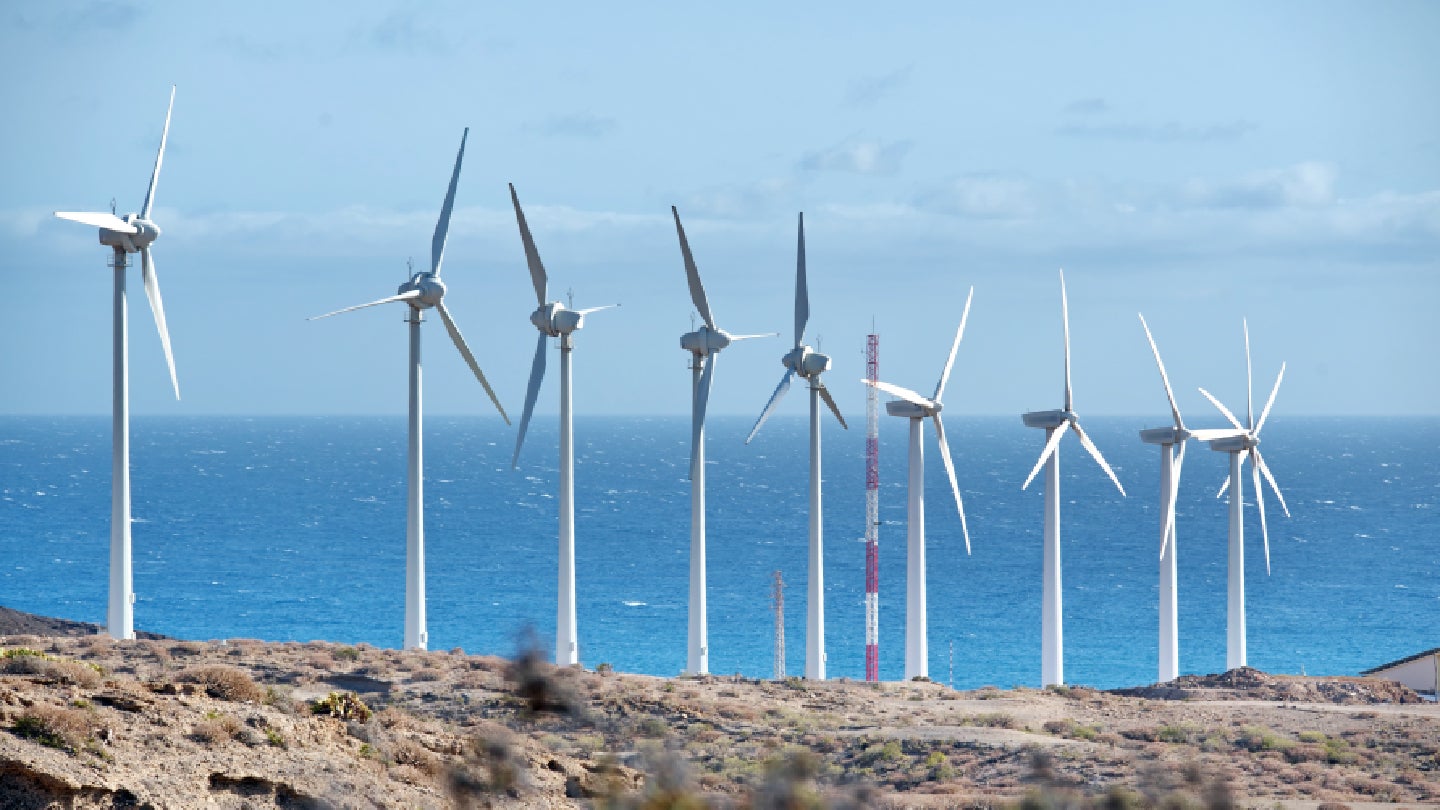
The newly permitted projects are strategically located across the German states of North Rhine-Westphalia and Lower Saxony. The approvals, finalized throughout September and October 2026, account for a total of 21 wind turbines. The individual projects vary in scale, contributing 34MW, 43MW, 48MW, and 17MW to the national grid respectively.
This latest success brings Energiekontor’s total permitted capacity for the 2026 financial year to approximately 250MW, spread across nine distinct projects. For a company that has spent over three decades in the renewable sector, this momentum is a clear indicator of its ability to execute large-scale infrastructure projects despite macroeconomic headwinds and administrative complexities.
Chronology of 2026: A Year of Sustained Growth
The trajectory of Energiekontor throughout 2026 has been marked by steady operational progress. The year began with a focus on streamlining internal development processes to address the notorious "permitting bottleneck" that has historically plagued German wind energy projects.
- Early 2026: Energiekontor signaled a robust pipeline, focusing on the repowering of older sites and the initiation of greenfield developments in northern and western Germany.
- July 2026: The company achieved financial close for the Kolitzheim-Herlheim solar park in Bavaria. This 11MW-peak facility served as a precursor to the autumn wind power success, highlighting the company’s diversified approach to renewable energy.
- September–October 2026: The regulatory approvals for the 142MW wind portfolio were issued, marking the most significant permitting win for the company in the current fiscal year.
- Future Outlook: Construction on the newly permitted wind parks is set to commence in the coming months, with commissioning timelines expected to align with the company’s broader 2027–2028 operational goals.
Supporting Data and Portfolio Analysis
Energiekontor, founded in 1990 in Bremerhaven, has evolved from a pioneering startup into a mature project developer and operator. The company’s business model is bifurcated into two primary streams: the development of new capacity and the long-term management of operational assets.
Current Portfolio Snapshot:
- Total Managed Capacity: Over 460MW of wind and solar assets under long-term management.
- 2026 Development Yield: 250MW of newly permitted capacity.
- Technology Mix: A blend of onshore wind—the backbone of the company’s operations—and increasingly significant solar photovoltaic (PV) assets.
- Geographic Reach: Primarily centered in Germany, with expanding interests in international markets to mitigate regional regulatory risks.
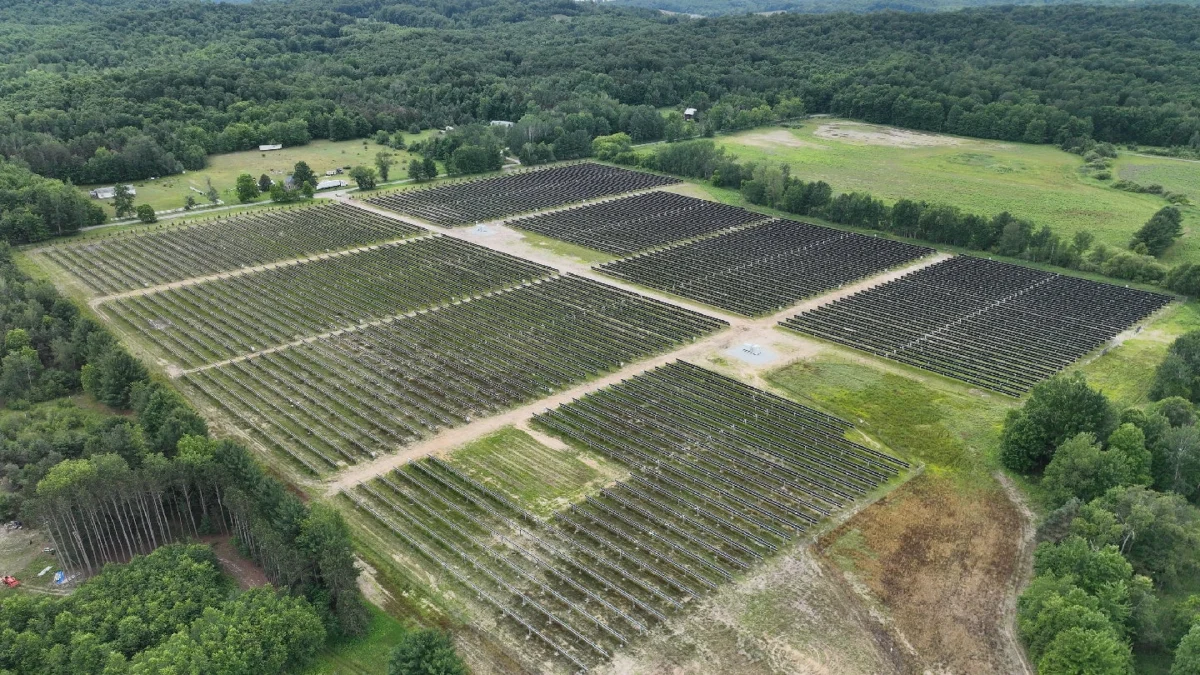
The Kolitzheim-Herlheim solar project, while smaller in capacity (11MW-peak) compared to the massive wind portfolios, is emblematic of the company’s strategy to integrate solar energy into its existing grid-management framework. With commissioning expected in the first half of 2027, this project will further stabilize the company’s revenue streams through diversified energy generation.
Official Responses: Resilience in a Challenging Market
The achievement has been met with both professional satisfaction and a realistic assessment of the industry’s current obstacles. Günter Eschen, a member of the Energiekontor management board, emphasized that these permits are not merely bureaucratic victories but the result of intense, long-term coordination.
"The latest permits represent further important achievements for our project development activities in Germany," Eschen stated. "They demonstrate that we continue to advance our German project pipeline even in a challenging market environment."
Eschen highlighted the human element behind the infrastructure, acknowledging the "considerable experience, perseverance, and close coordination with all parties involved" required to navigate the Federal Immission Control Act. He noted that the success is a testament to the dedication of the project teams who have worked under tight deadlines and demanding regulatory scrutiny. As the company transitions from the permitting phase to the construction phase, the emphasis will shift toward supply chain management and site-specific engineering to ensure these turbines are operational as quickly as possible.
Implications for the German Energy Landscape
The success of these four projects has broader implications for Germany’s "Energiewende" (Energy Transition). By securing 142MW of capacity, Energiekontor is directly contributing to Germany’s ambitious goal of achieving climate neutrality by 2045.
Regulatory Streamlining
The fact that these approvals were granted during the fall of 2026 suggests that the German government’s efforts to accelerate the permitting process—often criticized for being overly bureaucratic—may finally be yielding results. For industry peers, Energiekontor’s success provides a blueprint for how to navigate the BImSchG processes through diligent stakeholder management and technical precision.
Grid Stability and Market Impact
With 21 new turbines set to come online, the regional grids in North Rhine-Westphalia and Lower Saxony will benefit from a more consistent and predictable renewable energy supply. As Germany continues to phase out coal-fired power plants, the reliability of onshore wind becomes critical. The 142MW added by Energiekontor is enough to power tens of thousands of households, reducing dependence on imported fossil fuels and stabilizing electricity prices for end-consumers in the long term.
The Developer-Operator Model
Energiekontor’s dual role as both developer and operator is a key strategic advantage. By retaining ownership and management of its parks, the company benefits from long-term, stable cash flows. This "cradle-to-grave" approach—from the initial land lease and environmental impact study to the final decommissioning or repowering of turbines—allows for better risk management and technical optimization over the 20-to-25-year lifecycle of a wind turbine.
Conclusion: A Pathway to 2027 and Beyond
As Energiekontor moves forward, the focus will undoubtedly remain on the construction and commissioning of the 142MW wind portfolio and the 11MW Kolitzheim-Herlheim solar park. The company has demonstrated that even in an era defined by high interest rates, complex supply chains, and demanding environmental regulations, there remains significant upside for developers who possess the technical expertise and the institutional patience to see projects through to completion.
The company’s ability to secure 250MW in permits during a single financial year serves as a barometer for the health of the German renewable sector. As the energy transition accelerates, firms like Energiekontor will remain the linchpins of Europe’s efforts to decarbonize its industrial base. With its robust portfolio of over 460MW already under management and a clear pipeline of new developments, Energiekontor is well-positioned to maintain its status as a cornerstone of the European renewable energy transition well into the next decade.