Introduction: The Unseen Peril
In the wilderness, danger is often perceived through the lens of dramatic events: the sudden flash of lightning, the roar of an avalanche, or the treacherous instability of a sheer cliff face. Yet, one of the most persistent and lethal hazards remains hiding in plain sight, standing tall above our tents and hammocks. Hazard trees—those compromised by fire, rot, age, or weather—represent a low-frequency, high-consequence risk that demands a recalibration of how we choose our campsites and navigate our forests.
The psychological comfort provided by a canopy of trees is deeply ingrained in the human experience. We seek their shade, their wind protection, and the sense of enclosure they provide. However, that very proximity can be a death sentence. As a seasoned hiker who once narrowly escaped the strike of a lodgepole pine in the Yellowstone backcountry, I know all too well that the sound of a cracking trunk is a harbinger of a reality that can change in a fraction of a second.
Chronology of Tragedy
While tree failure is often dismissed as a "freak accident," the historical record suggests a pattern that suggests otherwise. When we look at the timeline of recent fatalities, a sobering narrative emerges, illustrating that no trail or campsite is immune.
- August 2019: A tragedy on the Pacific Crest Trail claimed the life of a thru-hiker, struck down while in transit.
- August 2019: Simultaneously, on the Colorado Trail, a backpacker was killed while inside the safety of her tent, highlighting that stationary targets are just as vulnerable as those on the move.
- May 2021: In the White Mountain National Forest, a backpacker utilizing a hammock system suffered a fatal injury when the support tree for their hammock failed.
- August 2022: A visitor to the remote Elk Lake wilderness campsite in Olympic National Park was killed by a falling tree, necessitating a complex helicopter rescue mission by the National Park Service to reach the remote location.
These incidents, while statistically rare compared to other backcountry ailments, underscore a critical reality: hazard trees do not discriminate between experienced mountaineers and casual day hikers, nor between remote wilderness and developed campgrounds.
Understanding the "Why": Causes of Tree Failure
To mitigate the risk, one must first understand the anatomy of a hazard tree. A tree becomes a hazard when its structural integrity is compromised to the point where it is likely to fail. This is rarely a single-variable issue; rather, it is a culmination of biological and environmental stressors.
The Legacy of Wildfire
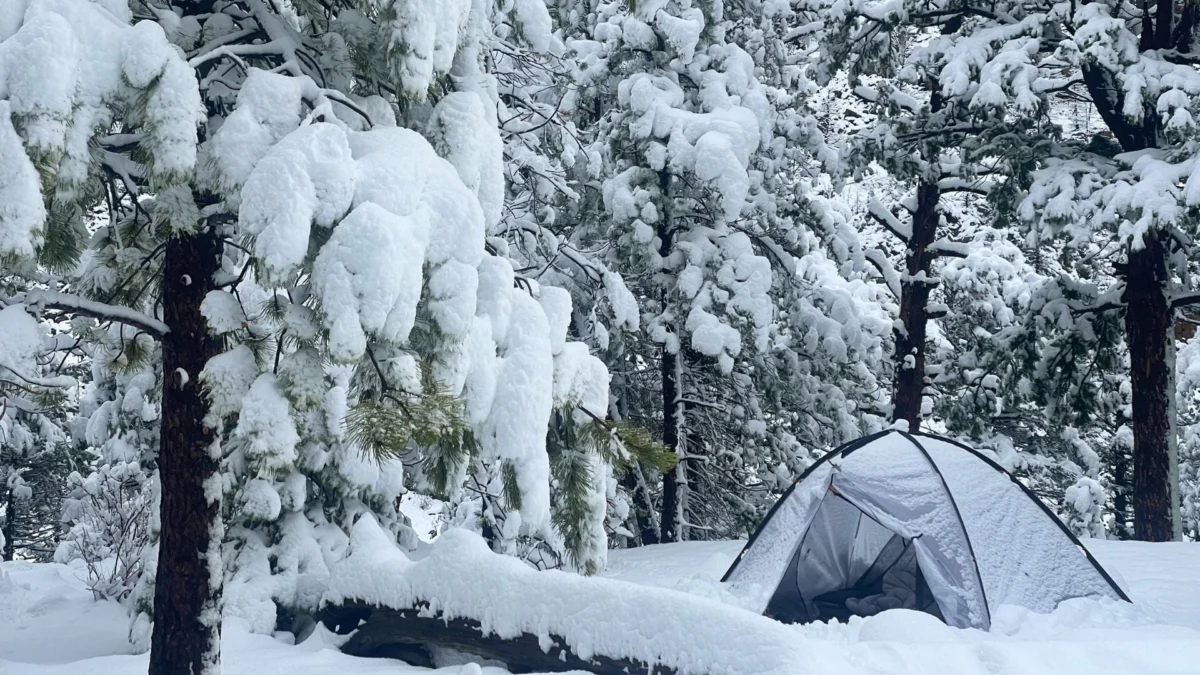
The Yellowstone wildfires of 1988 remain the definitive case study for hazard tree proliferation. When 1.4 million acres were scorched, the resulting "matchstick forests" did not merely vanish. They remained standing, skeletons of a forest that would slowly decay over decades. These burned areas are "high-hazard zones." Even years after a fire, root systems may be compromised, and the wood itself may have become brittle, susceptible to snapping under the weight of winter snow or the pressure of summer winds.
Biological and Environmental Stressors
Beyond fire, the primary drivers of tree failure include:
- Fungal Decay and Root Rot: Often invisible from the outside, internal decay can hollow out a tree, leaving only a thin shell of living wood to support massive weight.
- Soil Saturation: In riparian zones or during heavy rainfall, soil loses its ability to anchor roots, leading to "windthrow," where the entire tree topples over.
- Insect Infestation: Beetle kill has decimated vast swaths of the American West, leaving millions of standing dead trees. These trees eventually lose their needles and bark, becoming brittle projectiles.
- Weather Extremes: Wind is the catalyst. A tree that has been structurally compromised for years might stand perfectly still on a calm day, only to collapse the moment a storm front moves through.
Supporting Data: Risk Assessment and Human Behavior
The paradox of the hazard tree lies in our familiarity with it. Because we have slept under trees hundreds of times without incident, we fall victim to "normalcy bias"—the belief that because something hasn’t happened yet, it won’t happen in the future.
Data from land management agencies, including the National Park Service (NPS) and the U.S. Forest Service (USFS), indicates that the majority of injuries occur in developed recreation sites where maintenance budgets struggle to keep up with the sheer volume of dead timber. While agencies engage in "hazard tree mitigation"—a practice involving the felling of dangerous trees near roads and buildings—the vast majority of the backcountry remains unmanaged. In these areas, the responsibility for risk assessment shifts entirely to the user.
Official Responses and Management Implications
The official stance from land managers is increasingly focused on public education. Because the Forest Service cannot feasibly clear millions of acres of backcountry trails, they urge hikers to adopt a "situational awareness" mindset.
The Professional Perspective
Professional arborists and foresters suggest that hikers perform a "360-degree scan" before selecting a campsite. This involves looking for:
- "Widowmakers": Large, dead limbs hung up in the canopy that have yet to fall.
- Leaners: Trees that are leaning at an unnatural angle, indicating root failure or structural instability.
- Fungal Fruiting Bodies: Conks or mushrooms growing on the trunk are a primary indicator of internal heart rot.
- Missing Bark: Large patches of missing bark or evidence of heavy boring insect activity suggest a tree in decline.
Strategic Site Selection
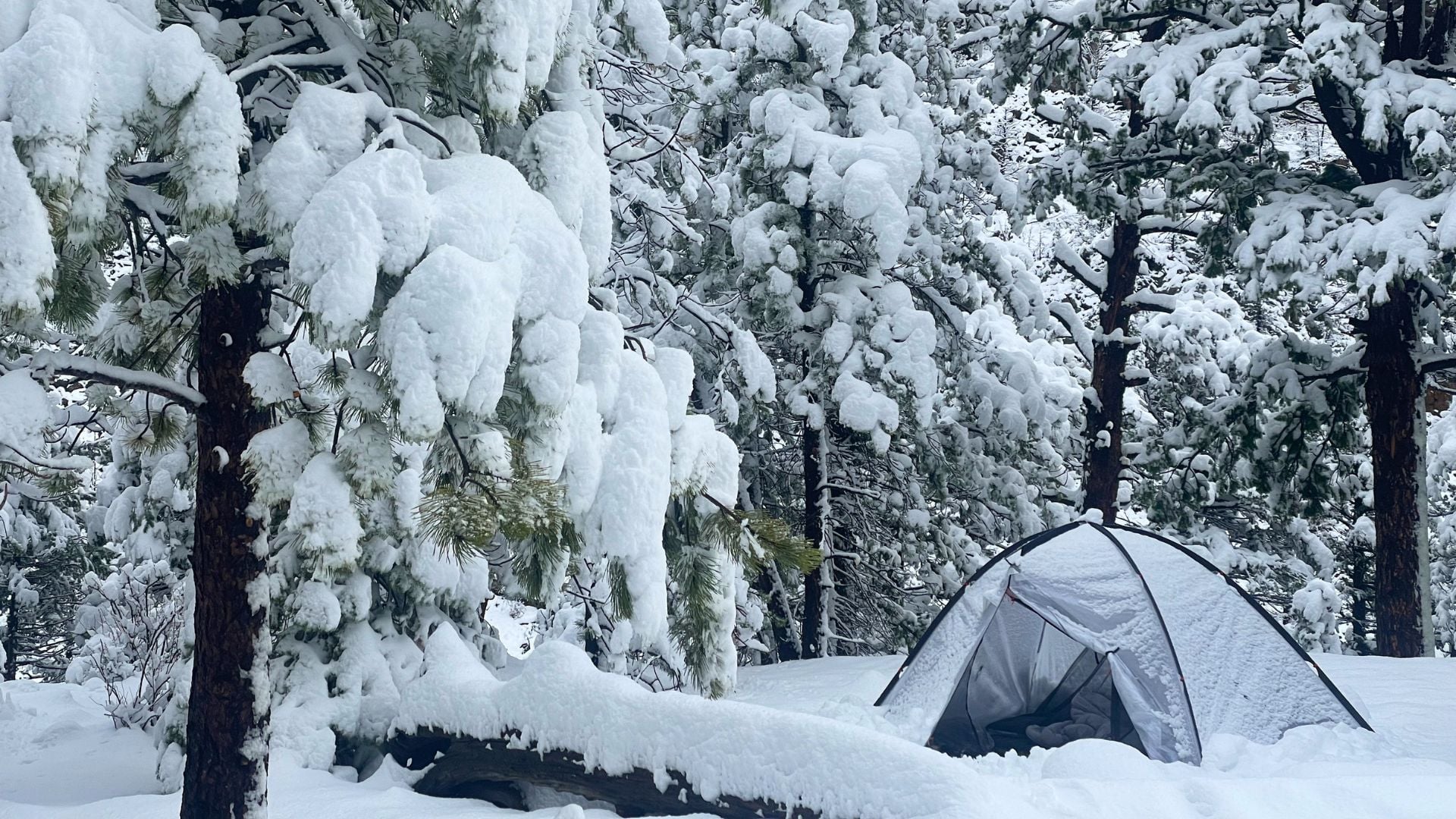
When selecting a camp, the goal is to minimize time spent directly under high-risk trees. This is particularly vital in wind-prone environments or during active weather events. Land managers emphasize that if the wind is loud enough to rustle the canopy, the risk of limb failure increases exponentially. In such conditions, moving to a meadow or an open area—even if it is less comfortable—is a life-saving decision.
Implications for the Modern Backpacker
The implication of these findings is that we must treat the forest not as a static backdrop, but as a dynamic, changing entity. The "hazard tree" is not just a scientific term; it is a tactical consideration for every trip plan.
Redefining Safety
Our safety protocols must evolve to include:
- Site Inspection: Make the "Look Up" check a mandatory part of setting up a shelter.
- Weather Awareness: If the forecast calls for high winds, avoid dense, dead-timber stands entirely.
- Hammock Caution: Hammock users are uniquely vulnerable, as they are tethering themselves to the very structural components that are most likely to fail. Always inspect the tree’s base and canopy before securing a line.
- Mental Shifts: Stop asking, "Is this a nice spot?" and start asking, "Is this a safe spot?"
Conclusion: The Price of Vigilance
Falling trees represent one of the few hazards that persist even when we are doing everything else right. Unlike a river crossing or a steep scramble, where the danger is visible and immediate, the hazard tree is a silent, patient threat.
While the statistical probability of being struck by a falling tree remains low, the consequences are binary. By developing a keen eye for tree health and maintaining a healthy skepticism of our surroundings, we can continue to enjoy the backcountry while acknowledging that, in the forest, we are guests in a wild and sometimes volatile landscape. The goal is not to fear the forest, but to understand its language—to hear the creak of the wood and the whistle of the wind as the warning signs they truly are.
Next time you pitch your tent, take a moment to look up. Your life might just depend on it.